
Cabbage Maggot
Delia radicumCabbage Maggot overview
Cabbage maggot is the root-feeding larva of the small gray fly Delia radicum. It attacks young cabbage-family crops, especially during cool, wet spring weather. Infested plants may wilt, yellow, become stunted, or die as larvae tunnel through roots. Reliable control is mainly preventive: exclusion, crop rotation, sanitation, and careful planting timing.
Typical conditions
Overview
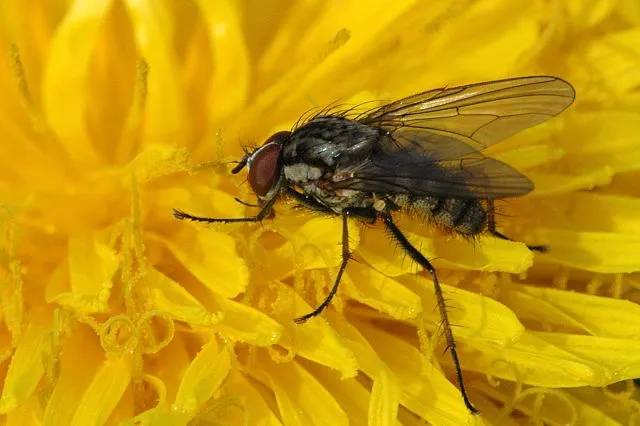
Cabbage maggot, also called cabbage root maggot, is a below-ground pest of cole crops and other susceptible plants in the mustard family. Adult flies resemble small, gray houseflies and usually remain close to the soil. Females lay eggs at the base of host plants or in nearby soil cracks; the emerging maggots move into the root zone and feed internally.
Symptoms can resemble drought stress, transplant shock, damping-off, or root diseases. Confirmation requires examining the roots and surrounding soil for creamy-white, legless larvae, feeding tunnels, or brown pupae. Because several Delia species look similar, adult or larval identification based on appearance alone may be unreliable.
Symptoms and identification
Early symptoms include loss of vigor, wilting during sunny periods, yellowing, bluish or gray-green foliage, and uneven growth. Seedlings may remain stunted or collapse, while larger plants may produce undersized heads or roots.
- Root hairs and fine roots are eaten first.
- Older roots may contain brown feeding scars, tunnels, or hollowed tissue.
- Plants may be loose in the soil because their root systems have been weakened.
- Severe injury can cause plant death and secondary root or crown decay.
- Larvae are small, white to yellowish, legless maggots found in roots or nearby soil.
Root injury is the key diagnostic feature; leaf-chewing holes are not typical of cabbage maggot.
Causes and spread
Damage is caused by larvae feeding in the root zone after adult females deposit eggs near susceptible plants. Populations are favored by cool, wet soil, fresh plant residue, recently terminated brassica cover crops, and freshly applied manure or other decaying organic matter. Brassica weeds and volunteer plants can also maintain breeding sites.
The pest is usually spread locally by adult flies moving among host plants and by pupae surviving in soil near previously infested crops. Planting susceptible crops repeatedly in the same bed increases risk. Row covers can fail if they are installed over soil containing overwintered pupae, because emerging adults may become trapped beneath the barrier.
Life cycle and persistence
Cabbage maggot generally overwinters as a brown, hardened pupa in the upper few inches of soil. Adults emerge in spring, with timing varying by region and weather. In northern U.S. production areas, first emergence is commonly estimated near 300 degree-days above a 43°F base temperature, although local models should be validated before use.
Females lay small, white eggs at the base of young brassica plants or in cracks in the soil. Eggs typically hatch within several days. Larvae burrow into the soil and feed on roots for approximately three to five weeks, then form brown pupae in roots or surrounding soil. Pupation commonly lasts about two to four weeks. One to three generations may occur annually, with more generations possible in some mild coastal regions.
Treatment and control
Once larvae are feeding inside roots, rescue treatment is usually unreliable because the pest is protected below ground. Remove severely damaged plants and their roots, dispose of them away from the garden, and replant only after addressing the source of infestation. Do not compost infested roots unless the composting process reliably reaches conditions that destroy insect stages.
For remaining plants, maintain even soil moisture and avoid additional root disturbance. Physical exclusion is most effective for preventing new egg-laying, but it will not eliminate pupae already present beneath the crop. In commercial production, locally approved preventative seed, tray, transplant, or soil treatments may be available, depending on the crop and state.
Low-impact and biological control
The strongest organic and low-input measures are exclusion and sanitation. Install a floating row cover before adult emergence, seal the edges, and keep it in place through the local egg-laying period. Rotate susceptible crops and remove roots immediately after harvest or when plants are confirmed infested.
Use healthy transplants rather than very small seedlings where appropriate, avoid planting into freshly incorporated brassica residue or manure, and manage volunteer brassicas and weeds. Generalist predators and soil organisms may attack eggs, larvae, or pupae, but biological control is not consistently sufficient by itself in home gardens. Products marketed for organic production should be used only when specifically labeled for the crop and pest.
Prevention
- Use floating row cover or insect-exclusion netting immediately after seeding or transplanting, before adult flies begin egg-laying. Secure edges completely and avoid covering soil that contained infested brassicas the previous year.
- Rotate cabbage-family crops to a different bed. Longer rotations reduce the chance that overwintered pupae are beside new plants.
- Remove and destroy harvested brassica roots, culls, and volunteer plants rather than leaving them in the bed.
- Control cruciferous weeds, including wild mustard, where practical.
- In areas with recurring problems, avoid very early plantings when feasible or use sturdy, healthy transplants that can better tolerate root injury.
- Incorporate or terminate manure and brassica cover crops several weeks before planting when possible, allowing residues to decompose before susceptible crops are established.
- Inspect roots of wilted plants promptly so cabbage maggot is not confused with water stress or root disease.
Interesting facts
- The adult is a fly, but the damaging stage is the underground larva commonly called a maggot.
- Cabbage maggot adults often fly close to the soil, making them easy to overlook among young cole crops.
- Yellow rocket or lilac bloom has been used as a rough seasonal indicator of spring emergence in parts of the Upper Midwest, but local weather and field conditions can shift pest timing.
- Distinguishing Delia radicum from related root-maggot species such as seedcorn maggot may require expert examination.
- Root injury can predispose plants to secondary decay, so a damaged plant may show more severe collapse than the initial feeding alone would suggest.
Do not apply a pesticide solely from this entry. Chemical options are generally preventive and vary substantially by crop, production system, state, and use site; foliar sprays are not dependable against larvae protected inside roots. Use only products legally authorized for cabbage maggot on the specific crop in your country and state, and follow the current product label exactly, including personal protective equipment, application timing, preharvest interval, and restrictions for edible crops. The label is the law.
Affected plants
The plants below are linked to this problem by structured host-plant data. The list updates automatically as new plant profiles are added.
 Ethiopian Rape (Brassica carinata) care guideBrassica carinata
 Brown Mustard (Brassica juncea) care guideBrassica juncea
 Rapeseed (Brassica napus) care guideBrassica napus
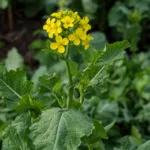 Urnip rape (Brassica rapa) care guideBrassica rapa
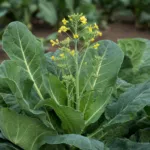 Collard greens (Brassica oleracea) care guideBrassica oleracea
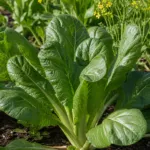 Integrifolia Group (Brassica juncea Integrifolia Group)Brassica juncea Integrifolia Group
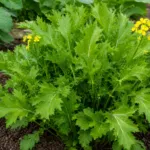 Multiceps Group (Brassica juncea Multiceps Group)Brassica juncea Multiceps Group
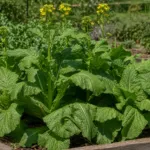 Broad-leaved mustard (Brassica juncea Rugosa Group)Brassica juncea Rugosa Group
 Black Mustard (Brassica nigra) care guideBrassica nigra
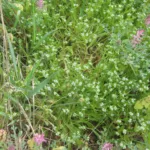 Cornsalad (Valerianella locusta) care guideValerianella locusta
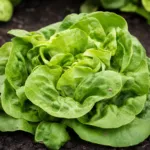 Capitata Group (Lactuca sativa Capitata Group)Lactuca sativa Capitata Group
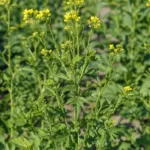 White Mustard (Sinapis alba) care guideSinapis alba