

Phytophthora cryptogea Root and Crown Rot
Phytophthora cryptogea Pethybr. & LaffertyPhytophthora cryptogea Root and Crown Rot overview
Phytophthora cryptogea is a soil- and water-associated oomycete that causes root rot, crown rot, stem lesions, blight, wilting, and plant collapse in susceptible crops and ornamentals. It is especially favored by saturated media, poor drainage, standing water, and contaminated irrigation. Symptoms overlap with other Phytophthora and Pythium diseases, so species-level confirmation requires laboratory diagnosis.
Typical conditions
Overview
Phytophthora cryptogea causes a disease complex commonly described as Phytophthora root rot, crown rot, stem rot, or blight, depending on the host and infected tissue. It has been reported from greenhouse ornamentals, nursery crops, field vegetables, and several fruit or woody hosts.
Typical disease begins below ground. Infected roots become brown, black, soft, and poorly functional; crown or lower-stem infection can then cause yellowing, stunting, wilting, rapid decline, and collapse. On some hosts, aboveground lesions or blight develop when wet soil or contaminated water contacts foliage and stems.
Confirmation should be based on culture, immunological testing, or molecular diagnosis from fresh symptomatic tissue. Other Phytophthora species, Pythium, root-knot nematodes, and abiotic waterlogging can produce similar symptoms.
Symptoms and identification
- Brown to black feeder roots with soft decay, loss of the outer root layer, or extensive root disappearance.
- Dark discoloration of the crown, lower stem, or larger roots, sometimes extending upward as a streak.
- Stunting, low vigor, yellowing foliage, premature leaf drop, wilting despite wet soil, and plant death.
- Rapid wilt or partial collapse on susceptible annuals and herbaceous perennials.
- Tan, brown, or black lesions on leaves or stems on hosts that develop blight.
- Fruit or harvested-organ rot may occur in some host systems, but symptoms are not uniform across hosts.
Symptoms are most suspicious when they occur in patches associated with puddling, over-irrigation, poor drainage, or a history of contaminated growing media.
Causes and spread
The pathogen is favored by saturated soil or potting media, prolonged irrigation, standing water, poor drainage, and warm, humid production conditions. In US greenhouse and nursery settings, infection can be introduced on diseased plants, contaminated soil, reused containers, tools, benches, floors, and growing media.
Water is the principal short-distance dispersal pathway. Swimming zoospores can move through puddles, runoff, recycled irrigation water, and water films between containers or beds. Splashing can move inoculum onto lower stems and foliage. Infested soil may remain a source of infection between crops, and apparently healthy planting material can introduce the pathogen.
Fungus gnats and shore flies may assist the movement of some Phytophthora inoculum in protected production, but water movement and contaminated material are generally more important management targets.
Life cycle and persistence
Phytophthora cryptogea survives in infested soil, plant debris, roots, and growing media. Under favorable moisture conditions it produces sporangia and other survival or reproductive structures. Sporangia may germinate directly or release biflagellate zoospores.
Zoospores swim through water films toward roots, crowns, or wounded tissues, encyst, germinate, and penetrate the host. The pathogen colonizes root and crown tissues, producing new inoculum during continuing wet conditions. Disease may progress in repeated cycles during a crop or season. Long-term survival and the exact importance of oospores or other structures can vary by isolate and host, so the field persistence of a particular population should not be assumed from symptoms alone.
Treatment and control
There is no dependable way to restore roots that have already rotted. Isolate affected plants, stop movement of runoff, correct the drainage or irrigation problem, and remove severely diseased plants and infested media. For valuable plants with limited crown damage, repotting into clean media after removing decayed roots may help, but survival is uncertain.
In greenhouse, nursery, and landscape situations, submit fresh root and crown tissue to a university, state, or commercial diagnostic laboratory when species identification will affect management. Keep samples cool and submit them promptly rather than sending dried or decomposed tissue.
Where disease pressure is recurring, combine sanitation, water management, resistant or tolerant plant selection, crop rotation where feasible, and treatment products only as part of an integrated program. Do not rely on fungicides to compensate for saturated media or contaminated irrigation.
Low-impact and biological control
Organic and low-input programs should emphasize exclusion and cultural control: clean propagation material, pathogen-free or properly treated media, sanitized containers, good drainage, careful irrigation, raised beds, removal of infected plants, and prevention of runoff between plants.
Steam treatment and soil solarization can reduce inoculum where temperature, timing, and site conditions are adequate. Properly composted pine bark incorporated into some potting mixes has been reported to suppress Pythium and Phytophthora root rots, but performance depends on the formulation and production system. Biological products based on beneficial microbes may provide supplemental protection, but efficacy is product- and host-specific and should not replace sanitation or water management.
Prevention
- Buy plants and plugs from reputable sources and inspect roots, crowns, and foliage before acceptance.
- Use clean, pathogen-free growing media, containers, trays, benches, and tools.
- Provide rapid drainage with raised beds, well-drained media, functional drainage lines, and adequate spacing.
- Water only as needed and avoid prolonged saturation, runoff between beds, and overhead irrigation when it wets crowns or foliage.
- Do not use untreated surface water or contaminated recycled irrigation water.
- Remove diseased plants with surrounding media and dispose of them away from production areas; do not compost infected material unless a validated process is used.
- Disinfect hard surfaces only after removing soil and plant debris, which can reduce sanitizer effectiveness.
- Use resistant or tolerant cultivars and nonhost or less-susceptible crops where documented for the specific production system.
- For infested beds, consider soil replacement, approved steam treatment, or properly timed solarization where practical, and prevent recontamination afterward.
Interesting facts
- Phytophthora cryptogea is an oomycete, not a true fungus, although its diseases are commonly managed under fungicide and plant-disease programs.
- The EPPO Global Database documents hosts including asparagus, beet, aster, China aster, safflower, European chestnut, squash, gerbera, lettuce, apple, pistachio, cherry, peach, Douglas-fir, raspberry, senecio, tomato, and potato.
- A 2021 report documented P. cryptogea root rot on field-grown lettuce in California, illustrating that the pathogen is relevant beyond greenhouse ornamentals.
- Species-level identification matters because multiple Phytophthora species can produce nearly indistinguishable root and crown symptoms, while host range, temperature preference, and treatment response may differ.
Use only pesticide products legally authorized for Phytophthora diseases on the specific crop, site, and use pattern in the United States. Product registrations, crop labels, rates, personal protective equipment, reentry intervals, and environmental restrictions can change; follow the current label exactly and consult your state extension service. Rotate effective modes of action when labels allow, avoid repeated use of high-resistance-risk materials, protect waterways, and never apply a product to an unlisted crop or site.
Affected plants
The plants below are linked to this problem by structured host-plant data. The list updates automatically as new plant profiles are added.
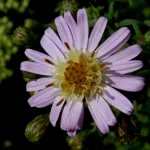 Michaelmas daisy ‘Coombe Fishacre’ (Aster ‘Coombe Fishacre’)Aster 'Coombe Fishacre'
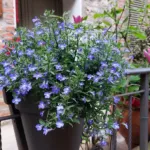 Aster ageratoides care guideAster ageratoides
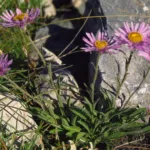 Alpine Aster (Aster alpinus) care guideAster alpinus
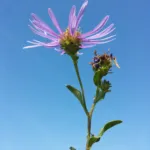 Garden aster (Aster amellus) care guideAster amellus
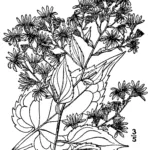 Aster cordifolius care guideAster cordifolius
 Aster dumosus care guideAster dumosus
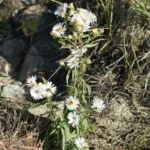 Heath aster (Aster ericoides) care guideAster ericoides
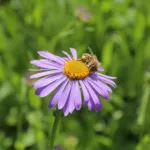 Aster tongolensis care guideAster tongolensis
 Frikart’s aster (Aster frikartii) care guideAster frikartii
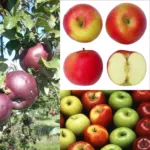 Apple tree (Malus domestica) care guideMalus domestica
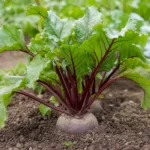 Beet (Beta vulgaris) care guideBeta vulgaris
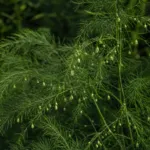 Asparagus (Asparagus officinalis) care guideAsparagus officinalis