
 Source:
 Alpine Aster (Aster alpinus) short overview
Alpine Aster (Aster alpinus) is a compact, cold-hardy perennial that brings blue-violet, daisy-like flowers to sunny rock gardens, border fronts, and containers. Its mostly basal, narrow leaves form a neat clump, while slender stems carry showy flower heads with yellow centers in late spring and early summer. Plant it in sharply drained soil, provide good air circulation, and avoid hot, waterlogged conditions that can shorten its useful garden life.
Taxonomic classification
Alpine Aster (Aster alpinus) care guide
Light and placement
Give Alpine Aster at least 6 hours of direct sun, ideally with a bright, open southern or western exposure and strong air movement. In hot, humid regions, morning sun with light late-afternoon protection may reduce heat stress. Too little light causes weak, stretched stems and fewer flowers; excessive heat combined with poor drainage can cause summer decline.
Watering and humidity
Water deeply when the upper inch of soil is dry during the first growing season. Once established, allow short intervals of drying between waterings, but do not let the root zone remain bone-dry while flower buds are forming. Reduce watering in cool weather and after leaf dieback. Containers need more frequent checks than in-ground plants.
Soil and growing medium
Use moderately fertile, sharply drained soil with a gritty or rocky structure. Sandy loam, loam amended with mineral grit, and alpine or rock-garden mixes are suitable. The species tolerates shallow, rocky ground and a moderately broad pH range, but persistent wetness and heavy, poorly drained clay increase the risk of wilt and root problems.
Feeding
Feed sparingly. Incorporate a modest amount of finished compost before planting, then apply a balanced, slow-release perennial fertilizer in early spring only if growth is weak or soil is poor. Avoid high-nitrogen feeding, which can produce soft foliage and reduce flowering. Do not fertilize drought-stressed or waterlogged plants.
Growth and habit
This perennial forms a slowly spreading, compact clump rather than a tall, strongly branching plant. Divide crowded clumps in spring to restore vigor and improve flowering. In warm, humid summers it may decline sooner than in cool, well-drained sites, so avoid heat-trapping and waterlogged locations.
Planting and repotting
Plant in spring or early fall, setting the crown at soil level rather than burying it. Allow about 8–12 inches between plants for compact clumps, with wider spacing where air circulation is limited. Water deeply after planting and keep the root zone evenly but not constantly wet during establishment.
Repot container plants in early spring when the root ball is crowded or drainage has declined. Move the plant into a slightly larger, shallow container with a gritty, free-draining mix. Avoid oversized pots that remain wet for long periods.
Propagation and pruning
Propagation
Sow seed in spring after a period of cold, moist stratification when needed, or divide established clumps in spring. Softwood or basal cuttings can also be taken in spring. Division is practical for maintaining vigor, while seed may not reproduce named cultivars true to type.
Pruning
Deadhead spent flower heads to improve appearance and reduce unwanted seed spread. Cut stems back close to the ground in late fall after the foliage has declined, or leave them until early spring for winter shelter and easier wildlife observation.
Overwintering
Outdoor plants are generally winter-hardy in suitable USDA zones. Keep crowns in well-drained soil and avoid winter wetness. A light mulch of gravel or another airy material can protect the crown without trapping moisture. Container plants are more exposed to freeze-thaw cycles; place them in a sheltered spot or overwinter them outdoors only where the container and plant are reliably hardy.
Uses
Use Alpine Aster in rock gardens, alpine troughs, raised beds, border fronts, edging, and containers. Its compact habit suits small-space planting, and the flowers can be used in small cut-flower arrangements. It is primarily an ornamental species; no culinary or medicinal use is established here.
Appearance
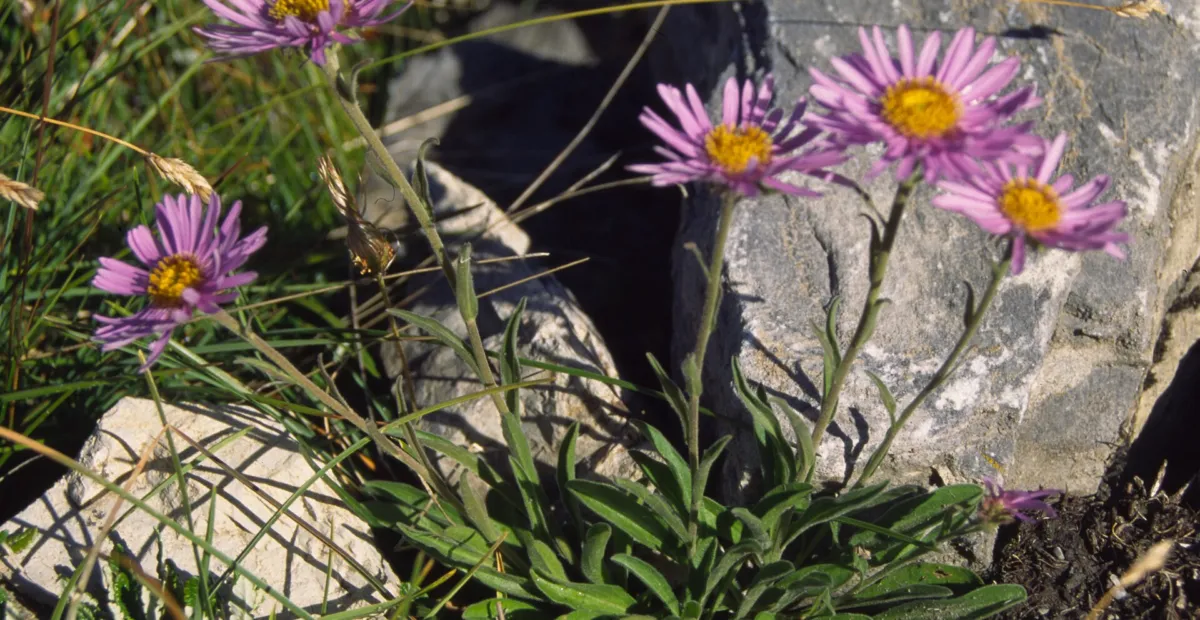
The plant has mostly basal, narrow lanceolate to spatulate leaves in dark green, with relatively bare, slender flowering stems rising above the clump. Flower heads are typically solitary, with blue-violet rays and yellow disk florets. The compact, low profile and rocky-soil adaptation help distinguish it from taller garden asters.
Flowering
This species produces usually solitary, daisy-like flower heads at the ends of slender upright stems. Blue-violet rays surround a yellow central disk. In U.S. gardens, the main display is generally in May and June, though timing shifts with elevation, latitude, and summer heat.
Pollination and visitors
The open flower heads provide accessible nectar and pollen to insect visitors. Butterflies, bees, bumblebees, and hoverflies are documented or characteristic visitors of asters, although visitor abundance varies with region, weather, surrounding vegetation, and cultivar.
Aster alpinus photos
Click any photo for a larger view. Source, author and license are shown separately.
Diseases and pests
Diseases
Good air circulation and well-drained soil help prevent problems. Powdery mildew, gray mold, and aster wilt may occur, especially in humid, crowded, or poorly drained sites. Remove affected foliage, avoid overhead irrigation, improve spacing, and replace severely diseased plants rather than repeatedly growing them in wet soil.
Pests
Slugs and snails may chew young foliage. Eelworms may affect leaves or buds in susceptible plantings. Reduce sheltering debris, avoid excessive moisture, improve spacing, and remove badly affected growth. Use targeted slug controls only when necessary and follow product directions.
Related diseases and pests
Only Plant Doctor profiles whose host data indicate this plant may be affected are shown here.


Toxicity and pollen
No species-specific evidence of serious human or pet toxicity was identified. As with many Asteraceae, sap, foliage, flowers, or pollen may cause contact reactions in sensitized people, and any plant material can cause mild digestive upset if eaten. Wear gloves if you have known Compositae sensitivity and seek medical or veterinary advice after concerning exposure.
- Typical season
- May–June where grown outdoors in much of the United States.
- Pollination / pollen
- Insect-carried pollen
Alpine Aster is insect-pollinated, so its pollen is not typically released in the large airborne clouds associated with wind-pollinated ragweed. However, flower pollen and plant tissues can still irritate or trigger contact reactions in sensitive individuals, particularly those with Asteraceae allergy.
Native habitat
It is associated with mountainous, alpine, and subalpine environments, including rocky slopes and shallow mineral soils. Its natural range centers on the mountains of Europe and extends into parts of northern Asia; related regional forms and subspecies occur in North America. Cool summers and rapid drainage are especially favorable.
Interesting fact
The specific epithet alpinus means alpine and reflects the plant’s mountain habitat. The genus name Aster comes from the Greek word for star, referring to the radiating flower heads. Most foliage is concentrated near the base, giving the flowers a clear, elevated display.
Frequently asked questions (FAQ)
The most relevant questions about this plant, with short and direct answers.
🌱Quick care
What is Alpine Aster?⌄
Alpine Aster (Aster alpinus) is a compact, cold-hardy perennial in the Asteraceae family. It forms a low clump and produces daisy-like flowers, commonly blue-violet with yellow centers.
Is Alpine Aster a perennial?⌄
Yes, Alpine Aster is a herbaceous perennial that returns after winter in suitable climates. It is generally grown as a long-lived but sometimes relatively short-lived garden perennial.
How much sun does Alpine Aster need?⌄
Alpine Aster grows best in full sun, meaning at least 6 hours of direct sunlight daily. It may tolerate light shade, but reduced light can weaken growth and flowering.
How often should you water Alpine Aster?⌄
Water Alpine Aster moderately, allowing the soil to dry slightly between waterings. Water more often during prolonged heat or drought, but avoid keeping the roots constantly wet.
What USDA hardiness zones can grow Alpine Aster?⌄
Alpine Aster is commonly rated for USDA Zones 5 through 7, although some references list a broader range depending on the plant source and local conditions. Excellent drainage is especially important where winters are wet.
🌤️Environment and placement
Where should I plant Alpine Aster?⌄
Plant Alpine Aster in a sunny rock garden, edging bed, alpine trough, or well-drained border. Choose a location with good air circulation and soil that does not stay saturated after rain.
What type of soil is best for Alpine Aster?⌄
The best soil is gritty, moderately fertile, and sharply drained, such as a sandy or rocky loam. Alpine Aster can tolerate shallow or poor soil better than heavy, waterlogged clay.
Can Alpine Aster tolerate drought?⌄
Established Alpine Aster can tolerate short periods of drought, especially in gritty soil. Its flowering may decline if drought is severe or prolonged, so water when the root zone becomes noticeably dry.
Can Alpine Aster grow in containers?⌄
Yes, Alpine Aster grows well in containers with drainage holes and a gritty potting mix. Containers dry out faster than garden soil, so check moisture regularly while still preventing waterlogging.
Does Alpine Aster tolerate heat and humidity?⌄
Alpine Aster prefers cool summers and may struggle in hot, humid regions. In warm climates, give it excellent drainage, strong air circulation, and afternoon protection if the foliage declines in intense heat.
💧Care and problems
Is Alpine Aster easy to care for?⌄
Yes, Alpine Aster is generally a low-maintenance perennial when planted in full sun and well-drained soil. The main requirements are careful watering, adequate air circulation, and occasional cleanup.
Why is my Alpine Aster wilting?⌄
Alpine Aster may wilt because of drought, poor drainage, root or stem rot, or excessive heat. Check the soil before watering; wet soil around a wilted plant points more toward root stress than thirst.
What problems affect Alpine Aster?⌄
Possible problems include powdery mildew, leaf spots, rust, wilt, slugs, and snails. Good air circulation and well-drained soil reduce disease risk, while removing badly affected foliage helps limit spread.
How do I prevent powdery mildew on Alpine Aster?⌄
Prevent powdery mildew by planting Alpine Aster in full sun with good spacing and air circulation. Water the soil rather than the foliage and avoid overcrowding or persistently humid conditions.
Does Alpine Aster attract pollinators?⌄
Yes, Alpine Aster flowers can attract butterflies and other insect pollinators. Its open, daisy-like blooms provide accessible centers when the plant is flowering.
🪴Planting and repotting
When should I plant Alpine Aster?⌄
Plant Alpine Aster in spring after the ground can be worked or in early fall while the soil is still warm. In colder parts of the United States, allow fall-planted specimens enough time to establish roots before the ground freezes.
How far apart should Alpine Aster be planted?⌄
Space Alpine Aster about 8 to 12 inches apart, adjusting for the mature size of the cultivar. Adequate spacing helps each clump receive sunlight and reduces foliar disease.
How deep should Alpine Aster be planted?⌄
Plant Alpine Aster at the same depth it was growing in its nursery container. Set the crown at soil level rather than burying it, then water thoroughly and allow excess moisture to drain away.
✂️Propagation and pruning
How do you propagate Alpine Aster from seed?⌄
Propagate Alpine Aster from seed by sowing in a well-drained medium, with a period of cold, moist stratification often improving germination. Seed-grown plants may vary from named cultivars and can take time to reach flowering size.
Can Alpine Aster be divided?⌄
Yes, established Alpine Aster clumps can generally be divided in spring or early fall. Replant divisions promptly at the original depth and keep them evenly moist until new roots establish.
Should Alpine Aster be deadheaded?⌄
Deadhead Alpine Aster after flowers fade to improve its appearance and reduce unwanted self-seeding. Leave some spent flowers if you want to collect seed or provide late-season structure.
When should Alpine Aster be cut back?⌄
Cut Alpine Aster back after flowering or in late fall once the foliage has declined. Remove diseased foliage sooner, and leave a short basal mound rather than cutting into the crown.
⚠️Toxicity and safety
Is Alpine Aster poisonous to humans?⌄
No serious toxicity is established for Alpine Aster, but eating plant material may cause mild digestive upset or irritation in sensitive people. Do not use it as food or medicine unless guided by a qualified professional.
Is Alpine Aster safe for dogs and cats?⌄
Alpine Aster is not generally regarded as a seriously toxic garden plant, but pets may experience stomach upset after eating plant material. Contact a veterinarian or animal poison service if a pet consumes a large amount or develops symptoms.
Can Alpine Aster cause skin irritation?⌄
Alpine Aster may cause irritation in particularly sensitive individuals, although serious reactions are not expected. Wear gloves when handling plants if you have sensitive skin, and wash exposed skin afterward.
🌸Flowering and special interest
When does Alpine Aster bloom?⌄
Alpine Aster typically blooms in late spring to early summer, often May through June in temperate gardens. Bloom time can shift with climate, elevation, weather, and the cultivar.
What color are Alpine Aster flowers?⌄
The typical Alpine Aster flower has blue-violet rays surrounding a yellow center. Cultivars may also produce white, pink, lavender, or deeper purple flowers.
Why is my Alpine Aster not flowering?⌄
Poor flowering is commonly caused by insufficient sunlight, excessive nitrogen, drought, overcrowding, or heat stress. Move or divide the plant only during a suitable planting period, and avoid overly rich or poorly drained soil.
Similar plants
 Yellow lantern chili (Capsicum chinense) care guideCapsicum chinense
 Capsicum baccatum care guideCapsicum baccatum
 Serrano (Capsicum annuum ‘Serrano’)Capsicum annuum 'Serrano'
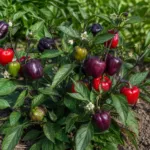 Purple Beauty (Capsicum annuum ‘Purple Beauty’)Capsicum annuum 'Purple Beauty'
 Numex Twilight (Capsicum annuum ‘Numex Twilight’)Capsicum annuum 'Numex Twilight'
 Explosive Ember Chili Pepper (Capsicum annuum ‘Explosive Ember’)Capsicum annuum 'Explosive Ember'