
 AI-generated illustration
Purple Beauty (Capsicum annuum ‘Purple Beauty’) short overview
Capsicum annuum 'Purple Beauty' is a compact, open-pollinated sweet bell pepper valued for its blocky, thick-walled fruit and striking color progression. Peppers begin green, develop a deep purple stage, and may finish red if left on the plant. Grow it as a warm-season annual in full sun, fertile well-drained soil, or a large container. Start seeds indoors, transplant only after frost, and harvest fruit at the color stage you prefer.
Taxonomic classification
Purple Beauty (Capsicum annuum ‘Purple Beauty’) care guide
Light and placement
Give plants a warm site with at least 8 hours of direct sun, ideally with southern or southwestern exposure. Morning-to-afternoon sun supports sturdy growth and fruit color, while light afternoon shade can reduce sunscald in very hot climates. Pale, stretched growth suggests insufficient light; bleached patches or scorched fruit suggest excessive heat or exposure.
Watering and humidity
Water deeply when the top inch of soil begins to dry, keeping moisture steady rather than alternating between drought and saturation. Containers may need daily checks during hot weather. Water at the base in the morning, mulch after the soil warms, and reduce frequency during cool periods without allowing plants to wilt repeatedly.
Soil and growing medium
Use fertile, well-drained soil with steady moisture and good organic matter. A loam or loam-based container mix is suitable; avoid compacted ground and poorly drained sites. A slightly acidic to neutral reaction, approximately pH 6.0–6.8, is suitable. Mulch after the soil has warmed to reduce evaporation and soil splash.
Feeding
Incorporate finished compost before planting, then begin feeding after transplants resume active growth. Use a balanced vegetable fertilizer at label strength or a modest side-dressing during flowering and fruit development. Avoid excessive nitrogen, which can produce lush foliage with fewer peppers, and do not fertilize drought-stressed or waterlogged plants.
Growth and habit
This is a compact, bushy pepper with a productive branching habit. Fruit loads can bend stems, particularly in containers, so a short stake or tomato cage is useful. Consistent warmth, moisture, and regular harvesting support continued flowering and fruit production.
Planting and repotting
Start seeds indoors about 8–10 weeks before the expected outdoor transplant date. Sow about 1/4 inch deep in warm mix, ideally 70–90°F. Set plants out 2–4 weeks after the average last frost, when nights remain above about 55°F. Space plants 18–24 inches apart, with 24–36 inches between rows.
Move seedlings into progressively larger containers only when roots fill the current pot. Transplant outdoors into a container of at least 5 gallons with drainage holes, handling the root ball gently. Avoid repeatedly disturbing established roots, and refresh container mix between seasons if disease has been a problem.
Propagation and pruning
Propagation
Propagate by seed. Sow indoors in warm conditions 8–10 weeks before transplanting, keep seedlings brightly lit, and harden them gradually before planting outdoors. Because the cultivar is open-pollinated, saved seed may remain broadly similar but can vary if other Capsicum annuum plants flower nearby.
Pruning
Routine pruning is usually unnecessary. Remove yellowing or diseased leaves and any damaged fruit promptly. If desired, lightly thin crowded interior growth for airflow, but avoid heavy pruning because leaves help protect developing peppers from sunscald.
Overwintering
Protect from all frost. In USDA Zones 9–11, plants may survive as short-lived perennials in a warm sheltered location, but many gardeners replace them annually. In colder areas, container plants can be moved indoors before temperatures fall, though reduced winter light often limits productivity.
Uses
Use the thick-walled fruits fresh in salads, stuffed, roasted, sautéed, or preserved. Harvest green for a crisp mild flavor, purple for the characteristic color, or red for fuller maturity and thicker walls. Plants also provide ornamental value in edible beds and containers. Handle fruit juice carefully around eyes and sensitive skin.
Appearance
The plant forms a compact bush with green, pointed leaves and small white flowers at the leaf axils. Its most distinctive feature is the blocky, square-shouldered bell fruit, which may progress from green to dark purple and then red. Thick walls and a broad, often four-lobed shape distinguish it from elongated hot-pepper types.
Flowering
Small white, usually solitary flowers appear at leaf axils during the warm growing season. Flowers are followed by blocky bell-pepper fruits, and fruit set can decline during cold nights, drought, or prolonged extreme heat. The cultivar is primarily self-compatible, although insects can contribute to outcrossing.
Pollination and visitors
Small open flowers can be visited by bees, bumblebees, and other insects. Pepper flowers are generally self-compatible, so insect visitation is helpful but not always required for fruit set. Avoid insecticides during active flowering whenever possible.
Diseases and pests
Diseases
Reduce disease pressure with crop rotation, clean transplants, good airflow, and watering at the soil line. Watch for bacterial leaf spot, Phytophthora root or crown rot in wet soil, and tobacco mosaic virus symptoms such as mottling and distorted growth. Remove badly affected plants and avoid saving seed from diseased stock.
Pests
Common pests include aphids, flea beetles, whiteflies, thrips, and pepper weevils where present. Inspect leaf undersides and growing tips regularly. Use row cover over young plants, remove weeds that shelter pests, and use a strong water spray or an appropriately labeled insecticidal soap when needed. Avoid broad-spectrum sprays while flowers are open.
Related diseases and pests
Only Plant Doctor profiles whose host data indicate this plant may be affected are shown here.
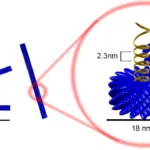 DiseaseTobacco mosaic virusTobamovirus tabaci
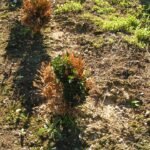 DiseasePhytophthora root and crown rotPhytophthora nicotianae
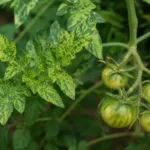 DiseaseTomato mosaic virusTobamovirus tomatotessellati
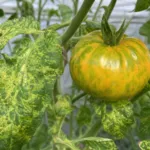 DiseasePepino mosaic virusPepino mosaic virus (PepMV)
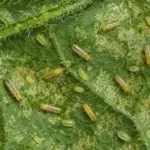 PestMelon thripsThrips palmi Karny
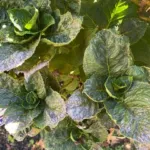 PestChilli thripsScirtothrips dorsalis Hood
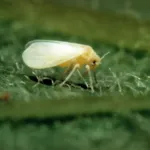 PestSweetpotato whiteflyBemisia tabaci species complex
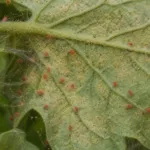 PestTomato red spider mite (Tetranychus evansi)Tetranychus evansi Baker & Pritchard
Toxicity and pollen
The ripe fruit is a commonly eaten sweet pepper. Capsicum plants can still cause irritation if plant sap or fruit juices contact the eyes, skin, or mouth, and large amounts may cause gastrointestinal upset. Evidence specifically establishing toxicity of this cultivar to dogs, cats, or children is limited; prevent unsupervised chewing and seek professional advice after concerning exposure.
- Typical season
- Late spring through summer
- Pollination / pollen
- Mostly insect-transferred, low-dispersal pollen
Pepper pollen is produced inside small flowers and is mainly transferred locally during flower visits or by contact within the flower rather than carried widely on wind. Airborne exposure is therefore generally low, but sensitive people may still react to plant handling or concentrated pollen in enclosed growing areas.
Native habitat
Capsicum annuum originated from cultivated pepper lineages of the Americas and is now grown globally in warm-season agriculture. In cultivation it performs best in warm, frost-free conditions with fertile soil, reliable moisture, and strong sunlight. It is not adapted to prolonged cold or waterlogged ground.
Interesting fact
The fruit can be harvested green, purple, or red, with flavor and wall thickness changing as it matures. Purple coloration is a temporary ripening stage rather than the final color in every fruit. The cultivar is open-pollinated and has documented tobacco mosaic virus resistance in several horticultural listings. Plants are compact enough for large containers.
Frequently asked questions (FAQ)
The most relevant questions about this plant, with short and direct answers.
🌱Quick care
What is Capsicum annuum 'Purple Beauty'?⌄
Capsicum annuum 'Purple Beauty' is a sweet bell pepper cultivar that produces blocky, thick-walled fruit progressing from pale green to deep purple and finally red when fully ripe. It is grown as an annual in most of the United States. ([threshseed.com](https://www.threshseed.com/products/purple-beauty?utm_source=openai))
Is Purple Beauty pepper hot or sweet?⌄
Purple Beauty is a sweet bell pepper with little to no heat, rather than a hot pepper. Its flavor is generally mild and crisp, with greater sweetness after the fruit turns fully red. ([threshseed.com](https://www.threshseed.com/products/purple-beauty?utm_source=openai))
How much sun does Purple Beauty pepper need?⌄
Give Purple Beauty pepper full sun, ideally at least 6–8 hours of direct light daily. Strong light supports compact growth, flowering, fruit production, and better purple coloration. ([vegvariety.cce.cornell.edu](https://vegvariety.cce.cornell.edu/main/detail.php?filterBy=0&variety_id=2174&utm_source=openai))
How often should I water Purple Beauty pepper?⌄
Water when the surface begins to dry, keeping the soil evenly moist but never waterlogged. Consistent moisture is especially important during flowering and fruit development because drought stress can reduce fruit set and quality. ([web.fedcoseeds.com](https://web.fedcoseeds.com/forms/fedco_seeds_catalog_2025.pdf?utm_source=openai))
When is Purple Beauty pepper ready to harvest?⌄
Harvest Purple Beauty peppers when they reach usable size and are firm, whether they are pale green, purple, or red. Purple is an attractive intermediate stage, while red fruit is usually fully mature and somewhat sweeter. ([threshseed.com](https://www.threshseed.com/products/purple-beauty?utm_source=openai))
How long does Purple Beauty pepper take to mature?⌄
Purple Beauty usually begins producing harvestable fruit about 70–80 days after transplanting, depending on the seed source and growing conditions. Cool weather, transplant shock, drought, or excessive heat can delay maturity. ([threshseed.com](https://www.threshseed.com/products/purple-beauty?utm_source=openai))
How should I harvest Purple Beauty peppers without damaging the plant?⌄
Cut or snap each pepper from the plant while leaving about 1 inch of stem attached, rather than pulling hard on the branch. Harvest regularly when fruit is firm to encourage continued production. ([ruppseeds.com](https://www.ruppseeds.com/vegetables/products/peppers/bell-op/purple-beauty?utm_source=openai))
How should Purple Beauty peppers be stored after harvest?⌄
Store freshly harvested peppers in the refrigerator and use them promptly for best texture, typically within several days. Avoid storing them while wet or damaged because excess moisture and bruising speed deterioration. ([threshseed.com](https://www.threshseed.com/products/purple-beauty?utm_source=openai))
🌤️Environment and placement
Can Purple Beauty pepper grow in containers?⌄
Yes, Purple Beauty is suitable for containers when grown in fertile, well-drained potting mix and placed in full sun. Use a container large enough to support its compact but productive root system, and monitor moisture because pots dry out quickly. ([gulleygreenhouse.com](https://www.gulleygreenhouse.com/browse/pepper-sweet-purple-beauty-seeds/?utm_source=openai))
What temperature does Purple Beauty pepper need?⌄
Grow Purple Beauty in warm conditions and transplant only after frost danger has passed, with warm soil and nighttime temperatures consistently above about 55°F. Pepper growth and fruit set can stall during cold conditions or extreme heat. ([gulleygreenhouse.com](https://www.gulleygreenhouse.com/browse/pepper-sweet-purple-beauty-seeds/?utm_source=openai))
How much space does Purple Beauty pepper need?⌄
Space plants about 18–24 inches apart, with roughly 24–36 inches between rows when grown in a garden. Compact plants may need less room in containers, but adequate spacing improves airflow and reduces disease pressure. ([gulleygreenhouse.com](https://www.gulleygreenhouse.com/browse/pepper-sweet-purple-beauty-seeds/?utm_source=openai))
Why is my Purple Beauty pepper not turning purple?⌄
Purple coloration depends on cultivar genetics, direct light, temperature, and fruit maturity, so shaded fruit or stressed plants may color less intensely. Some fruit may also pass quickly through the purple stage and continue toward red. ([threshseed.com](https://www.threshseed.com/products/purple-beauty?utm_source=openai))
Can Purple Beauty peppers stay purple on the plant?⌄
They can remain purple for part of the harvest window, but fully mature fruit normally continues toward red if left on the plant. Harvesting at the purple stage gives a firmer, less mature pepper, while waiting longer generally increases sweetness. ([threshseed.com](https://www.threshseed.com/products/purple-beauty?utm_source=openai))
💧Care and problems
Why does my Purple Beauty pepper have flowers but no peppers?⌄
Poor fruit set is commonly caused by cold nights, extreme heat, drought, inconsistent watering, or excessive nitrogen. Keep the plant evenly watered, avoid heavy nitrogen feeding, and provide warm, sunny conditions for better pollination and fruit development. ([threshseed.com](https://www.threshseed.com/products/purple-beauty?utm_source=openai))
What fertilizer is best for Purple Beauty pepper?⌄
Use fertile soil and a balanced vegetable fertilizer, avoiding excessive nitrogen once plants are established. Too much nitrogen can produce lush foliage with fewer flowers and fruits, so follow the product label rather than heavily feeding. ([threshseed.com](https://www.threshseed.com/products/purple-beauty?utm_source=openai))
Does Purple Beauty pepper need a support stake?⌄
A stake or small tomato cage is optional but useful when the plant carries a heavy crop or grows in a windy location. Support prevents branches from bending or breaking, especially when fruit becomes large and blocky. ([ruppseeds.com](https://www.ruppseeds.com/vegetables/products/peppers/bell-op/purple-beauty?utm_source=openai))
Why are the leaves on my Purple Beauty pepper turning yellow?⌄
Yellow leaves can result from overwatering, poor drainage, nutrient deficiency, root stress, or normal aging of lower foliage. Check soil moisture and drainage first, then inspect the undersides of leaves for aphids, mites, or disease symptoms before fertilizing. ([threshseed.com](https://www.threshseed.com/products/purple-beauty?utm_source=openai))
What pests commonly affect Purple Beauty pepper?⌄
Aphids, flea beetles, and other soft- or hard-bodied insects may attack Purple Beauty pepper. Inspect plants regularly and use an appropriate labeled treatment, such as insecticidal soap for suitable pests, while avoiding sprays during pollinator activity. ([threshseed.com](https://www.threshseed.com/products/purple-beauty?utm_source=openai))
How can I prevent disease on Purple Beauty pepper?⌄
Prevent disease by providing good airflow, watering the soil rather than the foliage, and avoiding nighttime watering or working among wet plants. Crop rotation and removing severely diseased material can also reduce problems such as bacterial leaf spot and root diseases. ([threshseed.com](https://www.threshseed.com/products/purple-beauty?utm_source=openai))
🪴Planting and repotting
When should I start Purple Beauty pepper seeds indoors?⌄
Start seeds indoors about 8–10 weeks before you expect to transplant them outdoors. Pepper seeds germinate best in warm soil, commonly around 70–90°F, and seedlings should be hardened off before planting outside. ([gulleygreenhouse.com](https://www.gulleygreenhouse.com/browse/pepper-sweet-purple-beauty-seeds/?utm_source=openai))
How deep should Purple Beauty pepper seeds be planted?⌄
Sow Purple Beauty pepper seeds about ¼ inch deep in a warm, well-drained seed-starting medium. Keep the medium evenly moist and provide bright light as soon as seedlings emerge. ([gulleygreenhouse.com](https://www.gulleygreenhouse.com/browse/pepper-sweet-purple-beauty-seeds/?utm_source=openai))
When can I transplant Purple Beauty pepper outdoors?⌄
Transplant outdoors 2–4 weeks after the average last frost date, once the soil is warm and nighttime temperatures remain above about 55°F. Harden seedlings for approximately 7 days by gradually exposing them to outdoor conditions. ([gulleygreenhouse.com](https://www.gulleygreenhouse.com/browse/pepper-sweet-purple-beauty-seeds/?utm_source=openai))
What soil is best for Purple Beauty pepper?⌄
Use fertile, well-drained loam or a quality container mix that holds moisture without staying soggy. Good drainage is essential because waterlogged soil can cause root stress and disease. ([ruppseeds.com](https://www.ruppseeds.com/vegetables/products/peppers/bell-op/purple-beauty?utm_source=openai))
✂️Propagation and pruning
Can I grow Purple Beauty pepper from saved seeds?⌄
Yes, you can save seeds from fully mature, healthy fruit, but insect pollination may cross Purple Beauty with nearby compatible peppers. For seed that remains true to type, isolate flowers or plants and let selected fruit reach its final red color before removing and drying the seeds. ([threshseed.com](https://www.threshseed.com/products/purple-beauty?utm_source=openai))
How do I save Purple Beauty pepper seeds?⌄
Allow a disease-free fruit to reach full mature color, remove the seeds with a gloved hand, and dry them thoroughly on a paper towel or coffee filter before storing them airtight in a cool, dark, dry place. Properly stored pepper seed may remain viable for several years. ([threshseed.com](https://www.threshseed.com/products/purple-beauty?utm_source=openai))
Should I prune Purple Beauty pepper plants?⌄
Routine pruning is usually unnecessary for Purple Beauty pepper. Remove damaged or diseased growth, and harvest fruit regularly; early picking can encourage the plant to continue setting additional peppers. ([threshseed.com](https://www.threshseed.com/products/purple-beauty?utm_source=openai))
⚠️Toxicity and safety
Are Purple Beauty peppers safe to eat?⌄
Yes, Purple Beauty peppers are edible sweet peppers and are generally considered low concern for most people. The fruit, seeds, and plant sap may still irritate sensitive skin or mouths, so wash harvested peppers and use gloves if irritation occurs. ([threshseed.com](https://www.threshseed.com/products/purple-beauty?utm_source=openai))
Do Purple Beauty peppers contain capsaicin?⌄
Purple Beauty is a sweet bell pepper and is not expected to have meaningful hot-pepper heat. Individual plants or mislabeled fruit can vary, so taste a small piece cautiously if the plant’s identity is uncertain. ([youtube.com](https://www.youtube.com/watch?v=uNQI7wJpN60&utm_source=openai))
🌸Flowering and special interest
What do Purple Beauty pepper flowers look like?⌄
Purple Beauty produces the small, typically white, five-lobed flowers characteristic of Capsicum annuum peppers. Flowers form at branch joints and develop into peppers when pollination and growing temperatures are favorable. ([en.wikipedia.org](https://en.wikipedia.org/wiki/Capsicum_annuum?utm_source=openai))
Do Purple Beauty peppers need another plant for pollination?⌄
No, one Purple Beauty plant can produce fruit because pepper flowers are generally self-pollinating. Gentle air movement or pollinator activity can help distribute pollen, but a second plant is not required. ([allianceofnativeseedkeepers.com](https://www.allianceofnativeseedkeepers.com/products/pepper-purple-beauty-bell?utm_source=openai))
Why are my Purple Beauty pepper flowers dropping?⌄
Flower drop is often caused by temperature stress, drought, irregular watering, excess nitrogen, or insufficient pollination. Keep the plant evenly moist, avoid major temperature extremes when possible, and wait for favorable conditions before assuming the plant is failing. ([threshseed.com](https://www.threshseed.com/products/purple-beauty?utm_source=openai))
Similar plants
 Cherry Bomb (Capsicum annuum ‘Cherry Bomb’)Capsicum annuum 'Cherry Bomb'
 Serrano (Capsicum annuum ‘Serrano’)Capsicum annuum 'Serrano'
 Bishop’s Crown (Capsicum annuum ‘Bishop’s Crown’)Capsicum annuum 'Bishop's Crown'
 Explosive Ember Chili Pepper (Capsicum annuum ‘Explosive Ember’)Capsicum annuum 'Explosive Ember'
 Pepper (Capsicum annuum) care guideCapsicum annuum
 Numex Twilight (Capsicum annuum ‘Numex Twilight’)Capsicum annuum 'Numex Twilight'
Sources and data reliability
Wikidata exact taxon (P225) – localized label/alias – local common name
iNaturalist – localized genus name
Purple Beauty Pepper - Thresh Seed Co.
Vegetable Varieties for Gardeners - Variety Details
PEPPERS *Capsicum annuum* - Days to full-color
Pepper, Sweet, "Purple Beauty" Seeds - Gulley Greenhouse
Purple Beauty | Bell OP | Peppers | Products | Vegetables | Rupp Seeds