
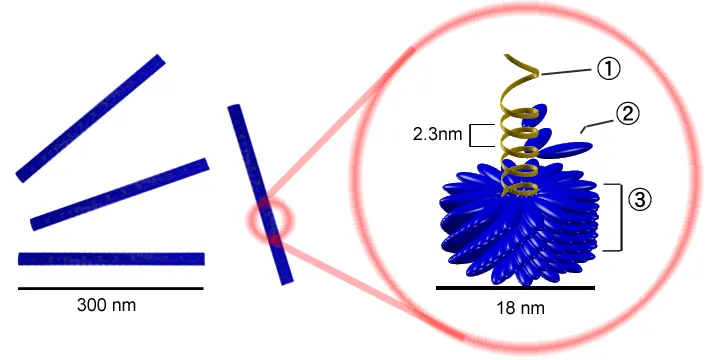
Tobacco mosaic virus
Tobamovirus tabaciTobacco mosaic virus overview
Tobacco mosaic virus is a highly persistent plant virus that causes irregular light- and dark-green mottling, leaf distortion, stunting and reduced crop quality in susceptible plants. In U.S. gardens and greenhouses, it is especially important on tobacco, tomato, peppers and some ornamentals. Because symptoms overlap with other viruses, herbicide injury and nutrient problems, laboratory confirmation is often needed.
Typical conditions
Overview
Tobacco mosaic virus is a systemic viral disease best known on tobacco and tomato, but susceptible strains and isolates can infect additional solanaceous, ornamental, vegetable and weed hosts. Symptoms vary with host species, cultivar, virus strain, plant age and growing conditions. A visual diagnosis should be considered provisional because several plant viruses, herbicide injury and nutritional disorders can produce similar patterns.
In susceptible systemic hosts, TMV multiplies in infected cells and moves through adjacent tissues and the vascular system into new growth. The virus does not require an insect vector; handling and contact are usually more important than insect control for spread.
Symptoms and identification
Common symptoms include:
- Irregular light- and dark-green mosaic or mottling on leaves.
- Yellowing, chlorosis, vein clearing or occasional necrotic spotting.
- Small, narrow, curled, puckered or distorted young leaves; severe distortion may create a shoestring appearance.
- Overall stunting, reduced vigor and slower development.
- On tomato, fewer or smaller fruits and uneven fruit development may occur.
- Some hosts develop localized necrotic lesions rather than systemic mosaic, while infected plants of other cultivars may show few obvious symptoms.
Symptoms can resemble tomato mosaic virus, other viral diseases, herbicide drift or nutrient imbalance. Confirmation generally requires laboratory testing such as ELISA or molecular testing.
Causes and spread
TMV enters through small wounds in the epidermis. Important sources and spread pathways include:
- Infected transplants, cuttings, seed coats or contaminated plant material.
- Plant-to-plant contact, especially during transplanting, tying, pruning, suckering and harvesting.
- Contaminated hands, gloves, clothing, knives, pruners, stakes, pots, benches, greenhouse surfaces and irrigation-related equipment.
- Tobacco products, including cigarettes and loose tobacco, handled before working with susceptible plants.
- Infected crop residue and some perennial or weedy hosts that maintain inoculum between plantings.
TMV is not normally spread by aphids or thrips, although insect management may still be relevant when other viruses are suspected in a mixed infection.
Life cycle and persistence
After entering a wounded plant cell, TMV releases its RNA and uses the host cell to produce viral replication and movement proteins. New virus particles accumulate in infected tissue, move from cell to cell through plasmodesmata and may become systemic in susceptible hosts. Newly developing leaves often show symptoms one to three weeks after infection, although timing varies with host, cultivar, temperature and inoculum concentration.
Infected plants remain infected for life. The virus can persist in dried sap, crop debris and contaminated surfaces for long periods, allowing inoculum to carry from one crop cycle to the next. Some hosts support only localized infection, whereas tobacco and susceptible tomato plants can support extensive systemic infection.
Treatment and control
There is no cure that eliminates TMV from an infected plant. Remove and dispose of plants with strong, confirmed symptoms, especially when they are in a greenhouse, transplant house or densely planted bed. If only a few leaves are affected, pruning does not remove the virus and can spread it unless tools and hands are carefully sanitized.
Submit representative samples to a university or state plant diagnostic laboratory when the diagnosis will affect crop removal, greenhouse sanitation or future planting decisions. Continue strict sanitation after removal because apparently healthy plants may already be infected.
Low-impact and biological control
Organic and low-input management relies on exclusion and sanitation rather than sprays. Start with certified or tested seed and clean transplants, keep tobacco products away from the crop, wash hands, use dedicated tools, disinfect reusable equipment and promptly remove suspect plants. Maintain weed control and rotate susceptible crops with nonhost crops where practical.
Milk-based tool or hand-cleaning methods have been reported to reduce transmission of some tobamoviruses, but their effectiveness depends on the procedure and situation. They should not replace soap-and-water hygiene, proper tool disinfection or removal of infected plants.
Prevention
Prevention is the most effective management strategy:
- Buy healthy, inspected transplants and use reputable seed sources.
- Select cultivars listed as resistant to TMV where resistance is available; resistance to one tobamovirus does not guarantee resistance to all related viruses.
- Wash hands with soap and water before handling plants and between suspect and healthy areas.
- Do not smoke, handle tobacco or use contaminated tobacco products immediately before working with susceptible plants.
- Disinfect cutting tools, stakes, trays, benches and reusable equipment between plants or crop cycles. Remove soil and plant sap first, then use a disinfectant according to its label.
- Remove symptomatic plants promptly, place them in a bag and dispose of them according to local rules. Do not compost suspected infected material.
- Control weeds around production areas and avoid planting susceptible crops beside known infected plants.
- Use crop rotation and avoid reusing contaminated root debris or greenhouse media.
- Where appropriate for the crop and seed lot, use a validated seed sanitation or heat-treatment procedure rather than improvised treatment.
Interesting facts
TMV was one of the first viruses discovered and one of the first to be purified and crystallized, making it historically important in the development of plant virology. Its rod-shaped particles are exceptionally stable compared with many plant pathogens, which explains why dried sap on tools, hands, clothing and structures can remain a serious source of infection.
The name refers to the classic mosaic symptom first studied in tobacco, but disease expression differs greatly among hosts. A plant may be a documented host yet show only localized lesions, mild symptoms or no obvious symptoms under particular conditions.
No pesticide provides a curative treatment for tobacco mosaic virus. Use only products legally authorized for the specific crop and problem in the United States, and follow the current label. Avoid unverified pesticide, disinfectant or antiviral programs; prioritize exclusion, sanitation, resistant cultivars and removal of infected material.
Affected plants
The plants below are linked to this problem by structured host-plant data. The list updates automatically as new plant profiles are added.
 Beet (Beta vulgaris) care guideBeta vulgaris
 Maroon cucumbe (Cucumis anguria) care guideCucumis anguria
 Horned Melon (Cucumis metuliferus) care guideCucumis metuliferus
 Cucumber (Cucumis sativus) care guideCucumis sativus
 Melon or true melo (Cucumis melo) care guideCucumis melo
 Cantalupensis Group (Cucumis melo Cantalupensis Group)Cucumis melo Cantalupensis Group
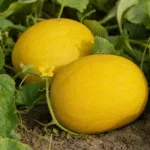 Mango melon (Cucumis melo Chito Group)Cucumis melo Chito Group
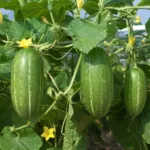 Oriental pickling melon (Cucumis melo Conomon Group)Cucumis melo Conomon Group
 Dudaim melon (Cucumis melo Dudaim Group)Cucumis melo Dudaim Group
 Flexuosus Group (Cucumis melo Flexuosus Group)Cucumis melo Flexuosus Group
 Inodorus Group (Cucumis melo Inodorus Group)Cucumis melo Inodorus Group
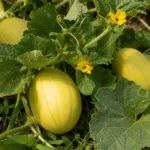 Makuwa Group (Cucumis melo Makuwa Group)Cucumis melo Makuwa Group