
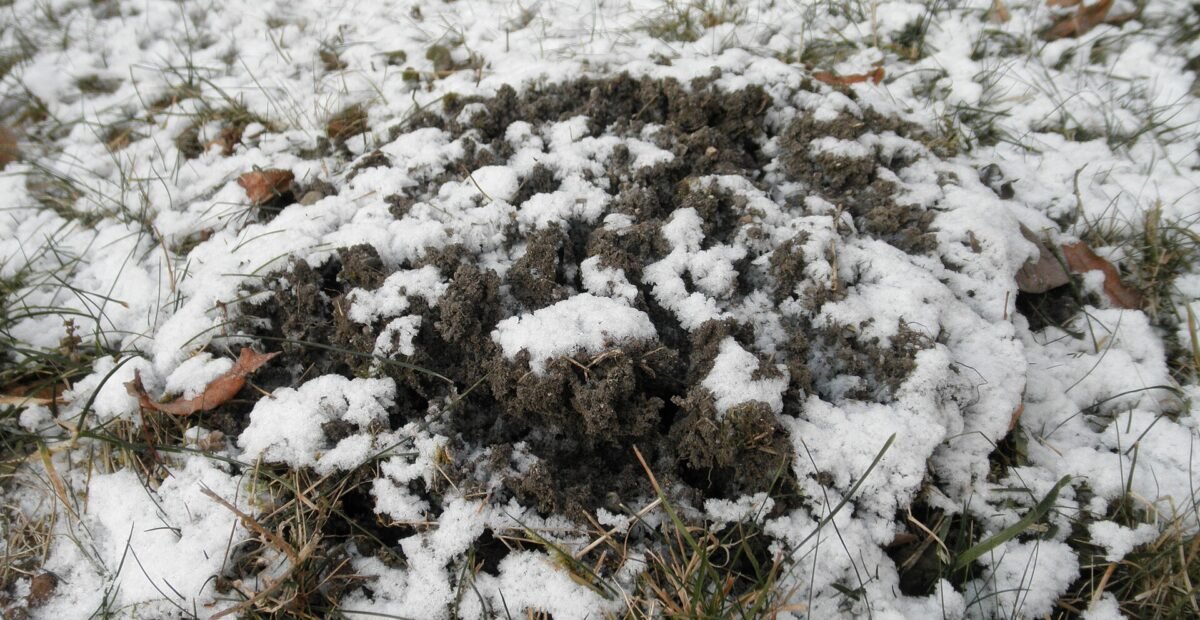
Frost heaving
Frost heaving overview
Frost heaving is an environmental winter-injury disorder, not a pathogen. Repeated freezing and thawing creates ice lenses that lift surrounding soil and push shallow-rooted or poorly anchored plants upward. Newly planted perennials, tree seedlings, winter cereals and tap-rooted forages are especially vulnerable. Exposed roots may dry, freeze or break, but prompt soil repair and steady moisture can sometimes save the plant.
Typical conditions
Overview
Frost heaving occurs when water in susceptible soil freezes into layers or lenses. Continued water movement toward the freezing front enlarges the lenses and lifts the soil surface, carrying shallow roots, crowns, seedlings or root balls upward. During thawing, the soil can settle while the plant remains partly uprooted.
The disorder is most damaging to newly planted or weakly rooted plants, container-grown stock with smooth root plugs, seedlings, and tap-rooted crops. Fibrous-rooted grasses generally have greater resistance because their roots provide more soil contact, although severe heaving can injure them as well.
Symptoms and identification
Typical signs appear during late winter or early spring:
- Plants, crowns or root balls lifted above the previous soil line.
- Exposed roots, broken fine roots, torn lateral roots or a narrowed soil contact zone.
- Cracks or gaps around the planting hole and roots that dry rapidly after thawing.
- Loose, tilted or partially uprooted seedlings and transplants.
- Wilting, delayed spring growth, poor stand density or plant death despite no obvious pathogen or pest.
- In forage crops, crowns may remain above the soil after the surrounding surface subsides; in winter cereals, roots may be visibly exposed.
Do not confuse frost heaving with stem cankers, root rots or animal digging. The defining clue is physical lifting associated with freeze–thaw weather and exposed or displaced roots.
Causes and spread
Frost heaving is favored by repeated autumn, winter or spring freeze–thaw cycles. Ice lenses form most readily where soil contains enough water and has a texture and pore arrangement that permits water movement toward the freezing front. Risk increases in silt-rich, fine-textured or poorly drained sites, exposed slopes, newly disturbed beds, shrink–swell soils in some situations, and planting holes that were not well settled.
Late fall planting, shallow planting, loose root balls, insufficient root growth before hard freezing and plants with tap roots or limited lateral anchorage increase vulnerability. The disorder does not spread from plant to plant biologically, although many plants in the same site may be affected by the same soil and weather conditions.
Life cycle and persistence
There is no biological lifecycle because frost heaving is an environmental process. During freezing, soil water migrates toward the freezing front and forms ice lenses. Lens growth expands and lifts the surface soil and attached roots. During thawing, the ice melts and the soil may return near its former level while the plant stays elevated. Additional freeze–thaw cycles can repeat the lifting and increase root breakage. Damage is often assessed in spring when exposed roots and reduced plant recovery become visible.
Treatment and control
Inspect affected plants after thawing, when the soil is no longer frozen and can be handled without causing additional damage. If roots are mostly intact and the crown is viable, gently reposition the plant, spread roots naturally, refill the voids with soil and water it in. Reapply mulch to buffer subsequent temperature swings.
Remove or replace plants with severely broken roots, a desiccated crown or extensive uprooting. Delay unnecessary pruning, fertilizing and herbicide applications until the plant resumes active growth. In agricultural stands, assess plant density and crown health before deciding whether recovery, overseeding or replanting is justified. Plants under winter stress may be more susceptible to additional chemical injury.
Low-impact and biological control
Management is cultural and physical rather than pesticidal:
- After the soil has thawed and is workable, gently reset a heaved plant to its original grade. Cover all exposed roots with the surrounding soil without burying the crown or trunk flare.
- Firm the soil lightly around the root zone to remove large air pockets, then water thoroughly if the soil is not saturated.
- Apply about 3–4 inches of organic mulch such as shredded wood, bark or clean straw over the root zone. Keep mulch several inches away from trunks and stems.
- For small transplants, use temporary straw, leaf or fabric insulation where appropriate, while maintaining airflow and avoiding saturated conditions.
- Do not pull, forcefully bend or repeatedly disturb frozen plants and roots.
Prevention
Prevent frost heaving before winter by improving establishment and moderating soil temperature:
- Plant perennials, shrubs and trees early enough in fall for roots to grow and anchor before the ground freezes; avoid very late planting in frost-prone regions.
- Set the root collar or crown at the correct grade. Do not leave the root ball high, and do not bury the crown or trunk flare.
- Settle planting soil thoroughly and eliminate large air gaps around the root ball.
- Maintain adequate moisture during establishment, but correct chronic drainage problems and avoid waterlogged beds.
- Use a 3–4-inch mulch layer after the soil begins to cool, keeping it away from stems and trunks.
- Choose winter-hardy, well-rooted planting stock and avoid disturbing soil when it is wet or frozen.
- For field crops, evaluate planting date, soil drainage, residue or snow cover, cultivar adaptation and stand vigor with local Extension guidance.
Interesting facts
- Even less than 1 inch of heaving can disrupt fine roots and root-associated nodules in sensitive forage legumes.
- Moist soil usually conducts heat differently from dry soil, while snow and mulch can insulate the root zone and reduce temperature fluctuations.
- Container-grown plants may be particularly vulnerable because smooth-sided root plugs provide limited anchorage until new roots grow outward.
- Frost heaving is not the same as frost injury to leaves, buds or flowers; it is primarily a mechanical root-zone problem.
- Heavy, continuous snow cover can reduce heaving by moderating soil temperature, whereas alternating bare freezing and daytime thawing increases risk.
Chemical treatment is generally neither necessary nor appropriate for frost heaving. Do not apply de-icing salts or experimental soil-freezing products around plants. If another pesticide is being considered for a separate problem, use only a product legally authorized for that crop and problem in the United States, and follow the current label exactly. Avoid spraying crops or plants that are stressed by severe winter injury unless the label and a qualified local adviser support the application.
Affected plants
The plants below are linked to this problem by structured host-plant data. The list updates automatically as new plant profiles are added.
 Anemone ‘Whirlwind’Anemone 'Whirlwind'
 Arrow Bamboo (Pseudosasa japonica) care guidePseudosasa japonica
 Large-leaved variegated bamboo (Shibataea kumasaca) care guideShibataea kumasaca
 Celastrus orbiculatus care guideCelastrus orbiculatus
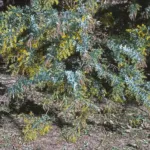 Cootamundra wattle (Acacia baileyana) care guideAcacia baileyana
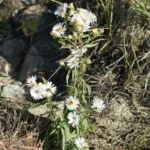 Heath aster (Aster ericoides) care guideAster ericoides
 Astilbe ‘Deutschland’Astilbe 'Deutschland'
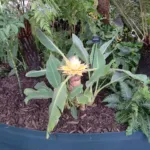 Golden Lotus Banana (Musella lasiocarpa) care guideMusella lasiocarpa
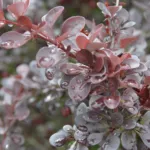 Atropurpurea (Berberis thunbergii ‘Atropurpurea’)Berberis thunbergii 'Atropurpurea'
 Bergenia ‘Silberlicht’Bergenia 'Silberlicht'
 Rat-tail cactus (Aporocactus flagelliformis) care guideAporocactus flagelliformis
 Lance-leaved Coreopsis (Coreopsis lanceolata) care guideCoreopsis lanceolata