
 Source:
 Lance-leaved Coreopsis (Coreopsis lanceolata) short overview
Lance-leaved Coreopsis is a hardy North American perennial that brings bright yellow, daisy-like flower heads to sunny borders, prairie plantings, meadows, and naturalized areas. Its narrow foliage forms a low clump, while slender upright stems carry toothed golden rays from late spring into summer. It tolerates dry, lean, sandy or rocky soil once established and supports bees, beetles, and butterflies without demanding intensive care.
Taxonomic classification
Lance-leaved Coreopsis (Coreopsis lanceolata) care guide
Light and placement
Give full sun for the strongest stems and most abundant flowering; a south- or west-facing bed is suitable if drainage is good. Light shade is tolerated, but heavy shade leads to fewer flowers and taller, weaker stems. If growth flops or bloom is sparse, increase direct light and avoid overly rich, wet soil.
Watering and humidity
Water deeply when the upper few inches of soil dry during the first growing season. After establishment, allow the soil to dry between waterings and irrigate mainly during prolonged heat or drought. Avoid frequent shallow watering and winter saturation. Humidity is usually tolerated when foliage has good air circulation.
Soil and growing medium
Use a lean to moderately fertile, well-drained soil. Sandy, gravelly, loamy, or rocky ground is suitable, and excessive organic matter or persistent moisture can encourage weak, floppy growth. A broadly slightly acidic to neutral soil reaction is suitable; avoid poorly drained sites.
Feeding
This plant generally performs best without heavy feeding. Incorporate a small amount of finished compost only where soil is extremely poor, or apply a light balanced fertilizer after seedlings are established if growth is weak. Do not overfertilize nitrogen or feed heavily in rich, wet soil, as this can produce lanky stems and fewer flowers.
Growth and habit
A clump-forming perennial develops from short rhizomes and usually remains manageable in a garden, though favorable sites may allow gradual spread. Flowering stems rise above the basal foliage. Cutting back after flowering can improve appearance and may encourage some later bloom; lean soil helps maintain sturdier growth.
Planting and repotting
Plant nursery starts in spring or fall, setting them at the same depth as in the original container. Space plants about 12–18 inches apart for individual specimens, or closer for a quicker mass. Water regularly during establishment, then reduce irrigation as roots develop.
Container-grown plants can be moved in spring or fall. Repot only when roots fill the container, using a well-drained all-purpose mix amended with grit or coarse perlite. Choose a container with drainage holes and avoid keeping the root ball constantly wet.
Propagation and pruning
Propagation
Sow seed shallowly in fall or early spring; press seed onto the surface or cover with no more than 1/8 inch of soil. Established clumps can also be divided in spring or fall. Seed-grown plants may flower sparsely during their first season.
Pruning
Deadhead to extend the display and reduce unwanted self-seeding. After the main bloom, cut stems back near the base when they become untidy. A fall cutback is suitable in managed beds, while standing stems can be left longer for winter structure and seed-eating wildlife.
Overwintering
Plants are cold-hardy across much of the United States and generally need no winter protection in suitable zones. In colder regions, leave a light layer of stems or mulch for insulation, but avoid burying the crown in wet organic material. Container plants are more exposed and should be sheltered from repeated freeze-thaw cycles.
Uses
Use it in sunny perennial borders, native plant gardens, prairie and meadow mixes, roadside-style plantings, erosion-prone dry areas, and pollinator gardens. The long-stemmed yellow heads can be used as casual cut flowers. It is ornamental and ecological rather than a documented culinary or medicinal crop.
Appearance
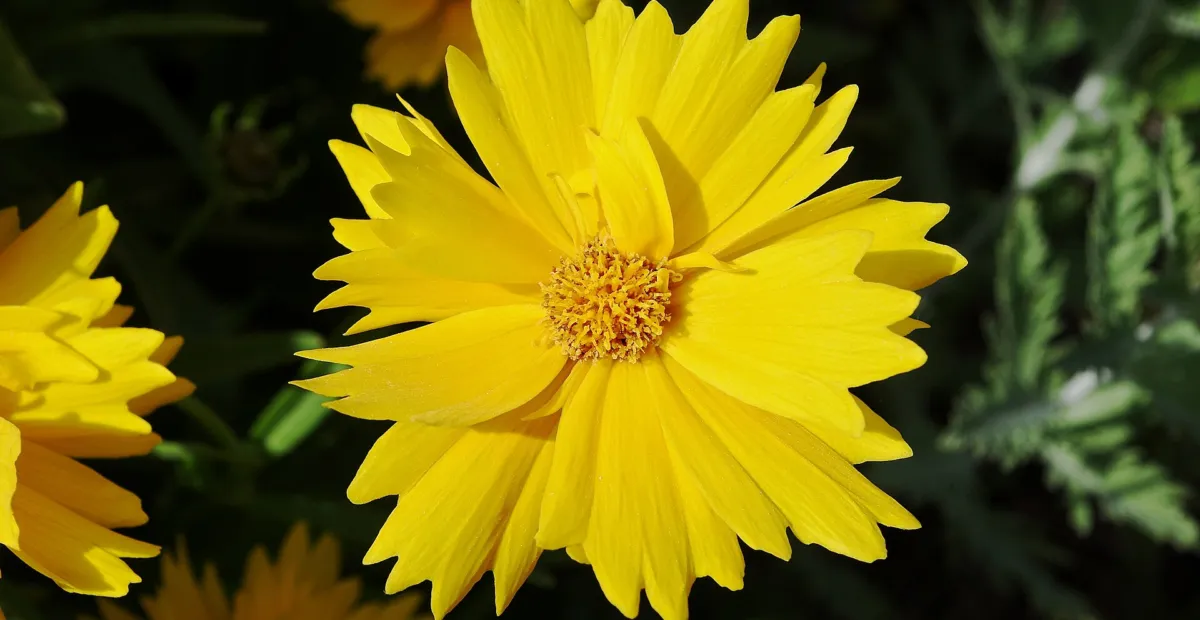
The plant forms a low basal clump of narrow, lance-shaped leaves, with only a few smaller opposite leaves on the lower portions of flowering stems. Stems are slender and upright, often nearly bare above the foliage. Yellow heads have toothed ray tips and centers that may darken slightly with age.
Flowering
Flower heads are produced singly or in small groups on long, mostly leafless stalks. Each head combines yellow ray florets with a yellow disk; the ray tips are distinctly toothed. Bloom commonly begins in late spring and may continue into summer, especially after spent flowers are removed.
Pollination and visitors
Flowers are visited by honey bees, native bees including bumblebees, beetles, and butterflies. The heads provide nectar and pollen, and the resulting seeds can contribute to wildlife food resources. Visitor abundance depends on local habitat and the surrounding plant community.
Coreopsis lanceolata photos
Click any photo for a larger view. Source, author and license are shown separately.
Diseases and pests
Diseases
Good drainage, adequate spacing, and removal of heavily affected debris help prevent problems. In persistently wet or crowded conditions, watch for powdery mildew, leaf spots, and crown or root rot. Remove diseased foliage and improve airflow; avoid routine fungicide use unless symptoms are persistent and correctly identified.
Pests
Monitor young growth for aphids, leafhoppers, and occasional chewing insects. Encourage beneficial insects, remove badly infested stems, and use a strong water spray when practical. Avoid broad-spectrum insecticides during bloom because they can harm visiting pollinators.
Related diseases and pests
Only Plant Doctor profiles whose host data indicate this plant may be affected are shown here.
 DiseaseSouthern blightAthelia rolfsii
 DiseaseMaple powdery mildewSawadaea bicornis
 DiseaseCucurbit Powdery MildewPodosphaera xanthii (Castagne) U. Braun & Shishkoff
 DiseaseRose powdery mildewPodosphaera pannosa
 Environmental stressFrost heaving
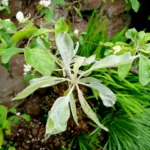 DiseaseApple Powdery MildewPodosphaera leucotricha
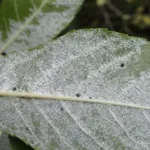 DiseaseAsh Powdery MildewPhyllactinia fraxini (DC.) Fuss
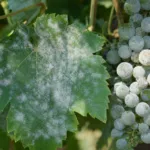 DiseaseGrape Powdery MildewErysiphe necator Schwein. (synonym: Uncinula necator)
Toxicity and pollen
ASPCA lists tickseed/coreopsis as non-toxic to dogs, cats, and horses. Normal garden contact is not considered hazardous, but any plant material can cause stomach upset if eaten in quantity, and individual people or animals can still have unusual sensitivities. Seek professional advice after a concerning exposure.
- Typical season
- Primarily late spring through summer
- Pollination / pollen
- Mostly insect-carried pollen; limited airborne dispersal
As an insect-pollinated composite, its pollen is mainly presented to flower visitors rather than released in large windborne clouds. Species-specific clinical allergy data are limited, so sensitive individuals should still avoid rubbing flowering heads and should use ordinary pollen precautions if symptoms occur.
Native habitat
Native populations occur across much of the eastern and midwestern United States, commonly in prairies, glades, dry sandy ground, old fields, open woodland edges, roadsides, and other sunny disturbed habitats. It is especially associated with well-drained sites that may be dry or relatively infertile.
Interesting fact
The species forms short rhizomes and can gradually create durable clumps. Its ray florets commonly number about eight and have jagged or toothed tips. Flower stalks are notably bare compared with the basal foliage. It is useful in restoration plantings because it tolerates dry, relatively infertile sites.
Frequently asked questions (FAQ)
The most relevant questions about this plant, with short and direct answers.
🌱Quick care
What is Lance-leaved Coreopsis?⌄
Lance-leaved Coreopsis (*Coreopsis lanceolata*) is a clump-forming, cold-hardy perennial wildflower in the Asteraceae family. It produces bright yellow, daisy-like flowers on upright stems and is commonly used in borders, meadows, and pollinator gardens.
How much sun does Lance-leaved Coreopsis need?⌄
Lance-leaved Coreopsis grows best in full sun, meaning at least 6 hours of direct light daily. It tolerates light shade, but too much shade can produce taller stems and fewer flowers.
Is Lance-leaved Coreopsis drought-tolerant?⌄
Yes, Lance-leaved Coreopsis is drought-tolerant once established. Water it regularly during its first growing season, then provide supplemental water mainly during prolonged heat or drought.
Is Lance-leaved Coreopsis perennial?⌄
Yes, Lance-leaved Coreopsis is a cold-hardy perennial. It may be relatively short-lived in some gardens, but self-seeding and division can help maintain a planting.
How big does Lance-leaved Coreopsis get?⌄
Lance-leaved Coreopsis typically grows about 1 to 2 feet tall and 1 to 1½ feet wide. Plants may spread farther over time through self-seeding or short rhizomes.
🌤️Environment and placement
What soil is best for Lance-leaved Coreopsis?⌄
The best soil is well-drained sandy, loamy, rocky, or gravelly soil. It tolerates relatively poor soil, while heavy, wet soil can increase the risk of crown rot and weak, sprawling growth.
Can Lance-leaved Coreopsis grow in clay soil?⌄
Lance-leaved Coreopsis can grow in clay soil if drainage is adequate. Improve compacted sites with organic matter and choose a raised or sloped location if water remains near the crown.
Where should I plant Lance-leaved Coreopsis?⌄
Plant Lance-leaved Coreopsis in a sunny border, meadow, rock garden, roadside-style planting, or pollinator garden with sharply draining soil. Avoid locations that stay wet after rain.
Is Lance-leaved Coreopsis native to the United States?⌄
Yes, Lance-leaved Coreopsis is native to much of the eastern and central United States, although its native status can vary by state or region. Check your state native-plant or natural-resources database for local status.
Does Lance-leaved Coreopsis attract pollinators?⌄
Yes, its flowers attract bees, butterflies, and other beneficial insects. Its seeds can also provide food for some birds and small mammals.
Is Lance-leaved Coreopsis deer-resistant?⌄
Lance-leaved Coreopsis is generally considered deer-resistant, although no plant is completely deer-proof. Hungry deer may still browse it, especially where other food is scarce.
💧Care and problems
How often should I water Lance-leaved Coreopsis?⌄
Water Lance-leaved Coreopsis when the soil is dry several inches below the surface during establishment. Once established, let the soil dry between waterings and avoid keeping the crown consistently wet.
Does Lance-leaved Coreopsis need fertilizer?⌄
Usually, Lance-leaved Coreopsis does not need routine fertilizer in average garden soil. Excess fertility can encourage floppy growth, so fertilize only when a soil test identifies a deficiency.
Why is my Lance-leaved Coreopsis falling over?⌄
Lance-leaved Coreopsis may fall over because of excessive moisture, rich soil, insufficient sunlight, or dense growth. Move it toward full sun, avoid overwatering, and consider dividing or lightly supporting large clumps.
What problems affect Lance-leaved Coreopsis?⌄
Poor drainage is the main serious problem because it can lead to crown rot. Excess moisture and rich soil may also cause weak or sprawling stems, while occasional insect damage is usually manageable on established plants.
🪴Planting and repotting
When should I plant Lance-leaved Coreopsis?⌄
Plant nursery-grown Lance-leaved Coreopsis in spring or fall when temperatures are moderate. Fall planting allows root establishment before summer, while spring planting is useful in colder areas after the ground can be worked.
How deep should I plant Lance-leaved Coreopsis seeds?⌄
Sow Lance-leaved Coreopsis seeds on the soil surface or no deeper than about ⅛ inch. Press them firmly into prepared soil because light and close seed-to-soil contact support germination.
Can Lance-leaved Coreopsis grow in a container?⌄
Yes, Lance-leaved Coreopsis can grow in a container with drainage holes and a gritty, well-drained potting mix. Choose a container large enough for its mature clump and avoid letting the mix remain saturated.
✂️Propagation and pruning
How do I grow Lance-leaved Coreopsis from seed?⌄
Sow the seeds in a firm, weed-free seedbed and cover them only lightly, from the surface to about ⅛ inch deep. Keep the bed evenly moist until seedlings emerge, then reduce watering as plants establish.
Does Lance-leaved Coreopsis self-seed?⌄
Yes, Lance-leaved Coreopsis can self-seed readily in favorable conditions. Deadhead spent flowers to reduce volunteer seedlings, or leave some seed heads if you want the planting to naturalize.
Can I divide Lance-leaved Coreopsis?⌄
Yes, divide Lance-leaved Coreopsis clumps in spring or fall, or in late winter to early spring in warmer regions. Replant divisions promptly at the original depth and water them while new roots develop.
How often should I divide Lance-leaved Coreopsis?⌄
Divide Lance-leaved Coreopsis when clumps become crowded, sprawling, or less vigorous, often every 2 to 3 years. Division can also help control its spread and rejuvenate older plants.
Should I deadhead Lance-leaved Coreopsis?⌄
Deadhead Lance-leaved Coreopsis to encourage additional flowers and reduce self-seeding. Leave some spent heads in place if you want natural reseeding or seed-eating wildlife.
Should Lance-leaved Coreopsis be cut back in fall?⌄
Lance-leaved Coreopsis can be cut back in fall after flowering and seed collection, but leaving stems and seed heads through winter benefits wildlife. Remove dead foliage in late winter or early spring if you prefer a tidier planting.
⚠️Toxicity and safety
Is Lance-leaved Coreopsis toxic to dogs?⌄
No, Lance-leaved Coreopsis is listed as non-toxic to dogs. Even non-toxic plants can cause mild stomach upset if eaten in large quantities, so contact a veterinarian if symptoms occur.
Is Lance-leaved Coreopsis toxic to cats?⌄
No, Lance-leaved Coreopsis is listed as non-toxic to cats. Prevent excessive plant eating and seek veterinary advice if your cat develops persistent vomiting, diarrhea, or other symptoms.
Is Lance-leaved Coreopsis toxic to horses?⌄
No, Lance-leaved Coreopsis is listed as non-toxic to horses. It should still be grown where horses cannot damage the planting or consume unusually large amounts.
🌸Flowering and special interest
When does Lance-leaved Coreopsis bloom?⌄
Lance-leaved Coreopsis generally blooms from late spring into early summer, often from April through June depending on the region. Deadheading may extend flowering and encourage scattered later blooms.
What color are Lance-leaved Coreopsis flowers?⌄
Lance-leaved Coreopsis flowers are typically bright yellow, with daisy-like ray petals surrounding a yellow center. Individual flower heads are commonly about 1 to 2 inches across.
Why is my Lance-leaved Coreopsis not blooming?⌄
The most common reasons are insufficient sunlight, excessive fertilizer, transplant stress, or overly wet soil. Give the plant full sun, avoid high-nitrogen feeding, and allow time for young plants to establish.
Similar plants
 Yellow lantern chili (Capsicum chinense) care guideCapsicum chinense
 Capsicum baccatum care guideCapsicum baccatum
 Serrano (Capsicum annuum ‘Serrano’)Capsicum annuum 'Serrano'
 Purple Beauty (Capsicum annuum ‘Purple Beauty’)Capsicum annuum 'Purple Beauty'
 Numex Twilight (Capsicum annuum ‘Numex Twilight’)Capsicum annuum 'Numex Twilight'
 Explosive Ember Chili Pepper (Capsicum annuum ‘Explosive Ember’)Capsicum annuum 'Explosive Ember'