
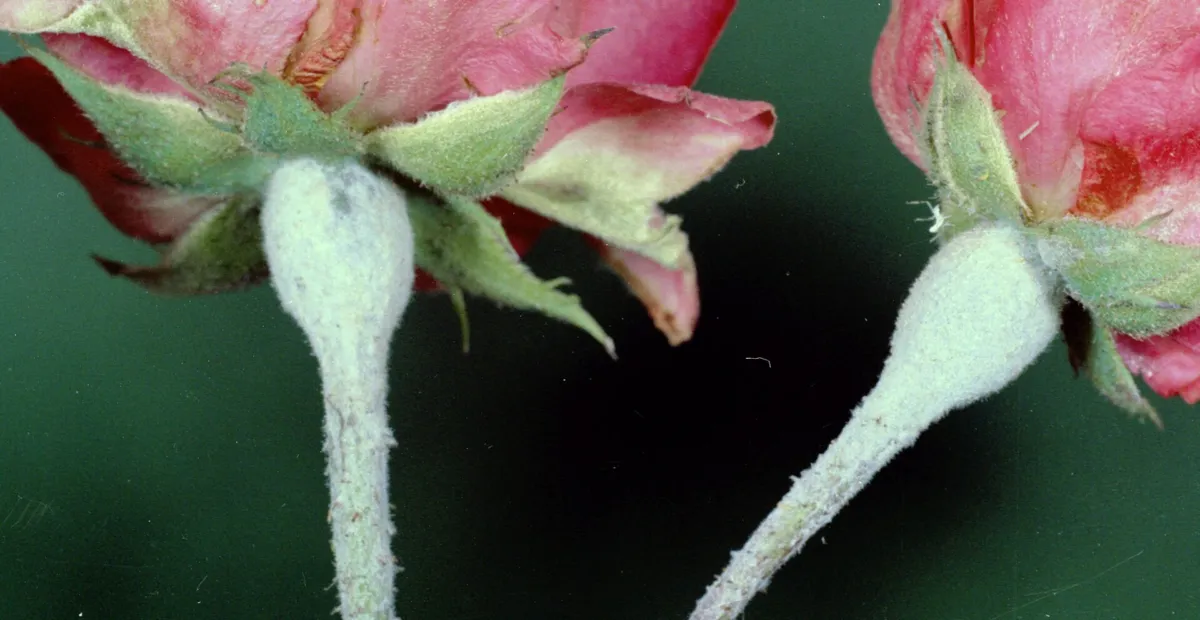
Rose powdery mildew
Podosphaera pannosaRose powdery mildew overview
Rose powdery mildew, caused by the obligate biotrophic fungus Podosphaera pannosa, appears as white to gray, flour-like growth on rose leaves, shoots, sepals, buds and sometimes petals. Young tissues may curl, pucker or become stunted. The disease is favored by humid air, crowding, shade and lush susceptible growth, even when leaf surfaces remain relatively dry. Early detection and integrated management are most effective.
Typical conditions
Overview
Rose powdery mildew is a fungal disease of leaves and developing floral tissues. Unlike many foliar diseases, the pathogen grows mainly on the plant surface and obtains nutrients through specialized feeding structures inside epidermal cells. White to gray colonies may expand rapidly across tender rose tissue.
Identification is strongest when the characteristic superficial mildew is found on a susceptible rose and confirmed by a plant diagnostic laboratory, because several powdery mildew fungi can produce similar symptoms. Older U.S. references commonly call the rose pathogen Sphaerotheca pannosa; current taxonomic treatments place it in Podosphaera.
Symptoms and identification
Early symptoms are small, pale or slightly raised patches on young rose leaves and shoots. These develop into white to gray, talc-like fungal growth that may cover the upper or lower leaf surface, petioles, stems, sepals, receptacles and unopened buds.
- Young leaves may curl, pucker, twist, redden or remain undersized.
- Flower buds may be distorted, fail to open normally or show poor-quality petals.
- Older infected tissue can develop yellowing, brown necrotic spots or premature drop.
- Infections on stems and pedicels may appear as elongated white colonies.
The powdery coating is superficial and can often be rubbed away, but underlying tissue may remain distorted. Do not confuse it with downy mildew, which usually produces more angular yellow lesions and gray-purple growth on leaf undersides during cool, wet conditions.
Causes and spread
Spread occurs mainly through airborne conidia released from active white colonies. Dense rose plantings, shaded leaves, poor ventilation, frequent humid nights, sheltered greenhouse conditions and abundant tender regrowth increase disease pressure. Infected nursery plants, dormant buds and contaminated plant debris can introduce or maintain the pathogen.
High humidity does not necessarily mean rainfall: powdery mildew can develop during warm, humid periods when leaves dry quickly. Excess nitrogen, severe pruning followed by lush regrowth and susceptible cultivars can make symptoms more severe.
Life cycle and persistence
Podosphaera pannosa is an obligate biotroph and survives only in living host tissue. Wind-dispersed conidia produced in chains on superficial colonies initiate repeated infections during favorable weather. Spores germinate on the plant surface, produce superficial hyphae and penetrate epidermal cells with haustoria.
On roses, the pathogen may persist between seasons in infected buds or other living tissues. Sexual fruiting bodies are less commonly observed in some production settings, and their importance varies by region and host. New infections can therefore arise from overwintered colonies as well as from conidia produced on active disease.
Treatment and control
Act early. Remove the most heavily infected leaves, shoots and flower parts, then thin crowded growth without severely stressing the plant. Improve sunlight and ventilation and correct irrigation or fertility practices that encourage lush, humid conditions.
For valuable roses or greenhouse crops, apply a product labeled for powdery mildew on roses before disease becomes extensive, achieving thorough coverage of young leaves, shoots and flower buds. Repeated applications, resistance management and reapplication intervals must follow the current U.S. label and local extension recommendations. Severely affected disposable greenhouse plants may be more economically and hygienically replaced than repeatedly treated.
Symptoms that do not show superficial white growth, or infections on an unusual host, should be submitted to a university or commercial plant diagnostic laboratory because downy mildew, mites, herbicide injury and other disorders can resemble powdery mildew.
Low-impact and biological control
Use an integrated, low-risk program rather than relying on one spray.
- Remove heavily infected leaves, shoots and flower parts and dispose of them in sealed household waste; do not compost visibly diseased material unless the composting system reliably reaches pathogen-killing temperatures.
- Prune to open the canopy and improve air movement, while avoiding excessive nitrogen that produces soft, highly susceptible growth.
- Water at the soil line when practical, but remember that powdery mildew is driven mainly by humid air and dense foliage rather than by wet leaves alone.
- Use labeled low-risk products such as horticultural oils, potassium bicarbonate or biological fungicides only when the product label specifically permits use on roses and the disease. Test sprays on a small area first because cultivars and greenhouse plants can be sensitive.
- Begin protective measures when weather and plant growth favor disease or at the first signs of infection; many organic products work best preventively and have limited activity on established colonies.
Prevention
- Choose rose cultivars with documented powdery mildew resistance or tolerance for the local U.S. growing region.
- Space plants according to mature size and prune selectively to maintain airflow through the canopy.
- Grow roses in adequate sun where practical and avoid planting them in stagnant, shaded pockets.
- Inspect new plants before purchase and quarantine suspect nursery material.
- Remove infected leaves and shoots promptly, especially before dormancy or greenhouse crop turnover.
- Sanitize pruning tools between cuts when working through visibly diseased tissue, and avoid moving wet infected foliage through the planting.
- Maintain balanced fertility and avoid excessive nitrogen and overly lush late-season growth.
Interesting facts
- The species name is current, but many horticultural references still use Sphaerotheca pannosa or Sphaerotheca pannosa var. rosae.
- Roses are the best-known hosts, but documented reports also include selected Prunus, Eucalyptus, Corymbia, Cotinus, Forsythia and, unusually, rose periwinkle.
- Powdery mildew can be serious in greenhouses because dense canopies and high humidity favor repeated sporulation.
- Rose cultivars differ greatly in susceptibility; many modern shrub roses are more tolerant than highly susceptible hybrid tea or greenhouse cultivars.
- Research has shown that carefully managed supplemental UV-B can suppress disease in greenhouse roses, but this is a specialized production technique rather than a typical home-garden treatment.
Use only fungicides legally authorized and currently labeled in the United States for powdery mildew on the specific crop and site. Follow the current product label exactly, including required personal protective equipment, application interval, harvest or reentry restrictions, and spray-volume directions. Rotate effective fungicide groups according to the label and local extension guidance to reduce resistance risk; do not assume a product labeled for another crop or powdery mildew species is legal or effective on roses.
Affected plants
The plants below are linked to this problem by structured host-plant data. The list updates automatically as new plant profiles are added.
 Border Forsythia (Forsythia intermedia) care guideForsythia intermedia
 Tagetes (Tagetes erecta) care guideTagetes erecta
 Boxelder (Acer negundo) care guideAcer negundo
 Arrowwood (Viburnum carlesii) care guideViburnum carlesii
 Arrow-wood (Viburnum dentatum) care guideViburnum dentatum
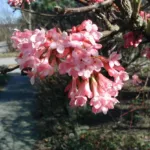 Fragrant viburnum (Viburnum farreri) care guideViburnum farreri
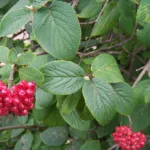 Wayfaring-tree (Viburnum lantana) care guideViburnum lantana
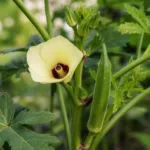 Okra (Abelmoschus esculentus) care guideAbelmoschus esculentus
 Flossflowe (Ageratum houstonianum) care guideAgeratum houstonianum
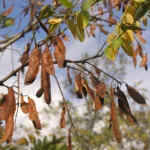 False Acacia (Robinia pseudoacacia) care guideRobinia pseudoacacia
 Apple tree (Malus domestica) care guideMalus domestica
 Lemon verbena (Aloysia citrodora) care guideAloysia citrodora