
 Source:
 Tagetes (Tagetes erecta) short overview
Tagetes erecta is an upright annual from Mexico and Guatemala, grown in the United States for its bold yellow, orange, or gold flower heads. It performs best in full sun, fertile but well-drained soil, and regular watering during active growth. Plants branch readily, bloom from summer into fall, and can be useful in beds, containers, cutting gardens, and pollinator-friendly plantings. An upright, warm-season annual with aromatic divided foliage and large daisy-family flower heads in yellow, orange, or gold shades.
Taxonomic classification
Tagetes (Tagetes erecta) care guide
Light and placement
Give Tagetes erecta a position with at least 6 hours of direct sun, preferably morning through late afternoon. Southern or western exposure usually produces the strongest stems and most flowers. Plants receiving too little light become tall, weak, and sparsely branched; intense heat reflected from pavement can cause midday wilt or scorched foliage, especially in containers.
Watering and humidity
Water deeply when the top inch of soil feels dry, then allow excess water to drain. Keep young plants evenly moist while roots establish, but avoid constantly wet soil. During hot summer weather, containers may need checking daily; established in-ground plants usually need less frequent irrigation. Water at the soil line and provide good air movement rather than routinely misting the foliage.
Soil and growing medium
Use fertile loam or a quality container mix amended with compost, but keep the root zone open and well drained. Heavy clay should be improved with organic matter and planting on a slight mound may help. Avoid waterlogged sites. A mildly acidic through mildly alkaline reaction is generally acceptable; extreme soil pH can reduce nutrient availability and weaken growth.
Feeding
In garden beds, incorporate a modest amount of finished compost before planting. If growth is pale or weak, apply a balanced water-soluble fertilizer at half strength every 3–4 weeks, or use a controlled-release product according to its label. Avoid heavy nitrogen feeding, which can produce lush foliage with fewer flowers. Stop routine feeding as plants decline in late season.
Growth and habit
This species forms a firm, upright annual clump and branches more freely when given strong light and adequate spacing. Large flower heads can make stems top-heavy, particularly after rain, so sheltered placement or discreet support may be useful for tall selections. Deadheading encourages a tidier display and can extend flowering, although some plants will continue blooming without it.
Planting and repotting
Transplant outdoors only after frost danger has passed and night temperatures are consistently mild. Harden indoor-grown seedlings for about a week before planting. Set plants at the same depth they occupied in their containers, firm the soil gently, and water thoroughly. Follow the cultivar’s mature spread when spacing; crowded plants have weaker air circulation and may flower less freely.
Move container-grown plants into a pot only one size larger than the root ball, using a porous, well-drained commercial mix. Repot or transplant before plants become root-bound and water thoroughly afterward. Containers must have drainage holes; saturated mix quickly causes root decline.
Propagation and pruning
Propagation
Propagate readily from seed. Sow indoors about 4–6 weeks before the local last frost or direct-sow outdoors after the soil warms. Cover seeds lightly, keep the medium evenly moist, and provide bright light after emergence. Transplant seedlings once they have several true leaves and have been hardened off.
Pruning
Remove spent flower heads just above a healthy set of leaves to maintain a neat shape and encourage continued flowering. If stems become elongated or damaged, cut them back modestly rather than removing large portions at once. Pull or cut down the plants after frost kills them, and remove diseased debris from the bed.
Overwintering
This is normally treated as a frost-sensitive annual in the United States. After a killing frost, remove the plant and save mature seeds if the cultivar is open-pollinated. In a bright, warm, frost-free location, plants may sometimes persist temporarily, but overwintering is usually less practical than starting fresh plants from seed.
Uses
Useful in sunny annual beds, borders, containers, balcony planters, cutting gardens, and seasonal pollinator plantings. Flower heads are also grown for drying and for ornamental displays. Some products use Tagetes erecta flower pigments as a source of lutein or yellow-orange coloring, but garden plants should not be consumed unless they are correctly identified and grown without prohibited pesticides.
Appearance
Leaves are opposite, deeply divided into narrow leaflets, and strongly aromatic when crushed. Stems are green, upright, and often branch toward the upper portion of the plant. The most distinctive feature is the broad composite flower head, made of many ray and disc florets; double selections may appear densely rounded, while single forms show a visible central disc.
Flowering
Flower heads are held above the foliage on upright stems and may be single, semi-double, or densely double. Bloom begins after sustained warm growth and continues through the warm season when spent heads are removed. In the United States, the usual outdoor display is from early summer into fall, with timing varying by sowing date, cultivar, and local frost schedule.
Pollination and visitors
Open flower heads provide accessible floral resources for bees, bumblebees, hoverflies, and some butterflies. Single and less densely filled flowers generally expose pollen and nectar more readily than tightly double forms. Visitor activity is strongest in warm, sunny weather; the plant should not be treated as a substitute for native host plants or a diverse habitat.
Tagetes erecta photos
Click any photo for a larger view. Source, author and license are shown separately.
Diseases and pests
Diseases
Provide full sun, adequate spacing, and irrigation at the soil surface to reduce leaf spots, gray mold, and powdery mildew. Remove affected leaves and badly diseased plants, keep spent debris out of the bed, and avoid overhead watering late in the day. Improve drainage if roots or crowns remain wet and decline.
Pests
Watch for aphids, spider mites, thrips, whiteflies, and caterpillars, especially on stressed or crowded plants. Inspect leaf undersides, wash small infestations away with water, and encourage beneficial insects. Use insecticidal soap or another appropriately labeled product only when needed, following the product directions and avoiding flowers during peak pollinator activity.
Related diseases and pests
Only Plant Doctor profiles whose host data indicate this plant may be affected are shown here.
 DiseaseLettuce mosaicLettuce mosaic virus
 PestTwo-spotted spider miteTetranychus urticae
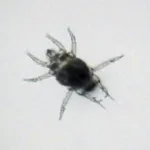 PestBroad mitePolyphagotarsonemus latus (Banks)
 DiseaseAster yellows‘Candidatus Phytoplasma asteris’
 DiseaseCrown gallAgrobacterium tumefaciens (現在 commonly classified as Rhizobium radiobacter)
 DiseaseGray MoldBotrytis cinerea
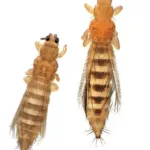 PestOnion thripsThrips tabaci Lindeman
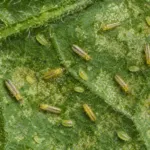 PestMelon thripsThrips palmi Karny
Toxicity and pollen
Tagetes species contain aromatic compounds that may irritate skin or cause contact dermatitis in sensitive people, especially after handling crushed foliage or sap in sunlight. Ingestion is not recommended. Evidence does not support treating this species as a highly poisonous garden plant, but children and pets should not be encouraged to eat it, and persistent symptoms warrant medical or veterinary advice.
- Typical season
- Usually June–October outdoors in the United States
- Pollination / pollen
- Insect-released pollen from composite flower heads; not typically dispersed in large airborne clouds
As an insect-pollinated composite, Tagetes erecta generally releases pollen at the flower head rather than producing large quantities that travel widely on the wind. Airborne exposure is therefore usually limited, but sensitive people can still react through close contact, handling flowers, or exposure to garden dust. Double flowers may expose less pollen than open forms, though this is not a guarantee of allergy safety.
Native habitat
The species is native from Mexico to Guatemala and occurs in warm subtropical environments, commonly associated with open, sunny ground and disturbed or cultivated settings. It favors warmth, seasonal moisture, and soils that drain reasonably well. In the United States it is primarily grown as a frost-sensitive annual, although it can escape cultivation in some warm regions.
Interesting fact
The species name erecta refers to its upright growth habit. Its flower pigments are rich in lutein, a carotenoid used in some feed and food-coloring applications. Despite its widespread cultivation, the species is native to Mexico and Guatemala rather than Africa. Cultivated forms range from open-centered flowers to densely packed, rounded heads.
Frequently asked questions (FAQ)
The most relevant questions about this plant, with short and direct answers.
🌱Quick care
How do you care for Tagetes erecta?⌄
Grow Tagetes erecta in full sun, fertile well-drained soil, and provide moderate water when the soil begins to dry. It is a frost-tender annual in most of the United States.
Is Tagetes erecta an annual or perennial?⌄
Tagetes erecta is generally grown as a warm-season annual in the United States. It may persist in frost-free climates, but freezing temperatures usually kill it.
How tall does Tagetes erecta grow?⌄
Tagetes erecta commonly grows about 1 to 4 feet tall, depending on the cultivar and growing conditions. Taller plants may need support in windy locations.
🌤️Environment and placement
How much sun does Tagetes erecta need?⌄
Tagetes erecta needs at least 6 hours of direct sun daily for strong growth and abundant flowering. In very hot climates, it may appreciate light afternoon shade.
What soil is best for Tagetes erecta?⌄
Tagetes erecta grows best in fertile, well-drained loam enriched with organic matter. Avoid poorly drained soil, which can cause root problems.
Can Tagetes erecta tolerate frost?⌄
No, Tagetes erecta is frost tender and should be protected from freezing temperatures. Plant it after the last spring frost and expect flowering to decline after the first hard frost.
Can Tagetes erecta grow in partial shade?⌄
Tagetes erecta can tolerate some light afternoon shade, especially in hot climates, but it flowers best in full sun. Deep shade commonly produces weak, stretched growth and fewer blooms.
💧Care and problems
How often should you water Tagetes erecta?⌄
Water Tagetes erecta when the top inch of soil feels dry, keeping the soil moderately moist but not soggy. Water at the base to reduce the risk of leaf and flower diseases.
Why is my Tagetes erecta not flowering?⌄
Insufficient sunlight, excessive nitrogen, drought, or transplant stress can reduce flowering in Tagetes erecta. Move container plants to brighter light, avoid overfertilizing, and keep watering consistent.
What pests commonly affect Tagetes erecta?⌄
Aphids, spider mites, thrips, and caterpillars can occasionally affect Tagetes erecta. Inspect new growth and flower buds regularly, and use a least-disruptive control appropriate for the pest.
Why are the leaves of Tagetes erecta turning yellow?⌄
Yellow leaves on Tagetes erecta may result from overwatering, poor drainage, nutrient stress, or natural aging of lower leaves. Check soil moisture and roots before adding fertilizer.
Does Tagetes erecta repel garden pests?⌄
Tagetes erecta may attract beneficial insects and is sometimes planted for pest-management purposes, but it should not be treated as a universal insect repellent. Simply planting it does not reliably eliminate garden pests or nematodes.
Do Tagetes erecta plants need fertilizer?⌄
Tagetes erecta benefits from fertile soil but usually needs only light fertilization during the growing season. Excess nitrogen can produce lush foliage with fewer flowers.
How do you overwinter Tagetes erecta?⌄
In most United States climates, Tagetes erecta is not worth overwintering because it is a frost-tender annual. In a bright, warm, frost-free location, a container plant may survive, but flowering and vigor can decline.
🪴Planting and repotting
Can Tagetes erecta grow in containers?⌄
Yes, Tagetes erecta grows well in containers with drainage holes and a quality potting mix. Choose a container large enough for the variety, because some plants can reach 3 to 4 feet tall.
When should you plant Tagetes erecta outdoors?⌄
Plant Tagetes erecta outdoors after the danger of frost has passed and the soil has warmed. In colder areas, start seeds indoors 6 to 8 weeks before the local last frost date.
How far apart should Tagetes erecta be planted?⌄
Space Tagetes erecta according to its mature size, commonly about 12 to 18 inches apart for large cultivars. Follow the seed packet or plant label when available, because spacing varies by variety.
✂️Propagation and pruning
Should Tagetes erecta be pinched?⌄
Pinch the growing tips of young Tagetes erecta plants to encourage branching and a bushier shape. Avoid heavy pruning once the plant is established and flowering well.
How do you propagate Tagetes erecta?⌄
Propagate Tagetes erecta primarily from seed, either sown indoors before the last frost or directly outdoors after the soil warms. Seeds usually germinate readily under warm, lightly moist conditions.
How long does Tagetes erecta take to germinate?⌄
Tagetes erecta seeds commonly germinate in about 4 to 14 days when kept warm and evenly moist. Germination may be slower in cool soil.
Can you save seeds from Tagetes erecta?⌄
Yes, allow Tagetes erecta flower heads to dry on the plant, then collect the dark, slender seeds and store them in a cool, dry place. Seeds from hybrids may not produce plants identical to the parent.
⚠️Toxicity and safety
Is Tagetes erecta toxic to dogs and cats?⌄
Tagetes erecta has low toxicity, but eating the plant may cause mild gastrointestinal upset and its sap can irritate skin. Keep pets from chewing large amounts, and wash skin after handling if irritation occurs.
Can Tagetes erecta irritate skin?⌄
Yes, Tagetes erecta may cause skin irritation or dermatitis in sensitive people. Wear gloves when handling the plant and avoid touching your eyes after contact.
Are Tagetes erecta flowers edible?⌄
Tagetes erecta flowers are used as edible garnishes and natural colorants in some culinary traditions, but only consume flowers that are correctly identified and grown without pesticides. Individual cultivars can differ in flavor and suitability.
🌸Flowering and special interest
Should you deadhead Tagetes erecta?⌄
Yes, removing faded flowers can keep Tagetes erecta looking tidy and may encourage continued blooming. Leave some spent flowers if you want the plant to produce mature seed.
When does Tagetes erecta bloom?⌄
Tagetes erecta usually blooms from early summer until frost when grown in full sun and kept evenly watered. Deadheading can help extend the display.
What colors do Tagetes erecta flowers come in?⌄
Tagetes erecta flowers are commonly yellow, orange, cream, or combinations of these colors. Large flower heads are often fully double and rounded, although forms vary by cultivar.
Similar plants
 Azure Monkshood (Aconitum carmichaelii) care guideAconitum carmichaelii
 Monkshood (Aconitum ‘Stainless Steel’)Aconitum 'Stainless Steel'
 Monkshood (Aconitum ‘Bressingham Spire’)Aconitum 'Bressingham Spire'
 Golden full moon maple (Acer shirasawanum ‘Aureum’)Acer shirasawanum 'Aureum'
 Globosum (Acer platanoides ‘Globosum’)Acer platanoides 'Globosum'
 Striped maple (Acer pensylvanicum) care guideAcer pensylvanicum