
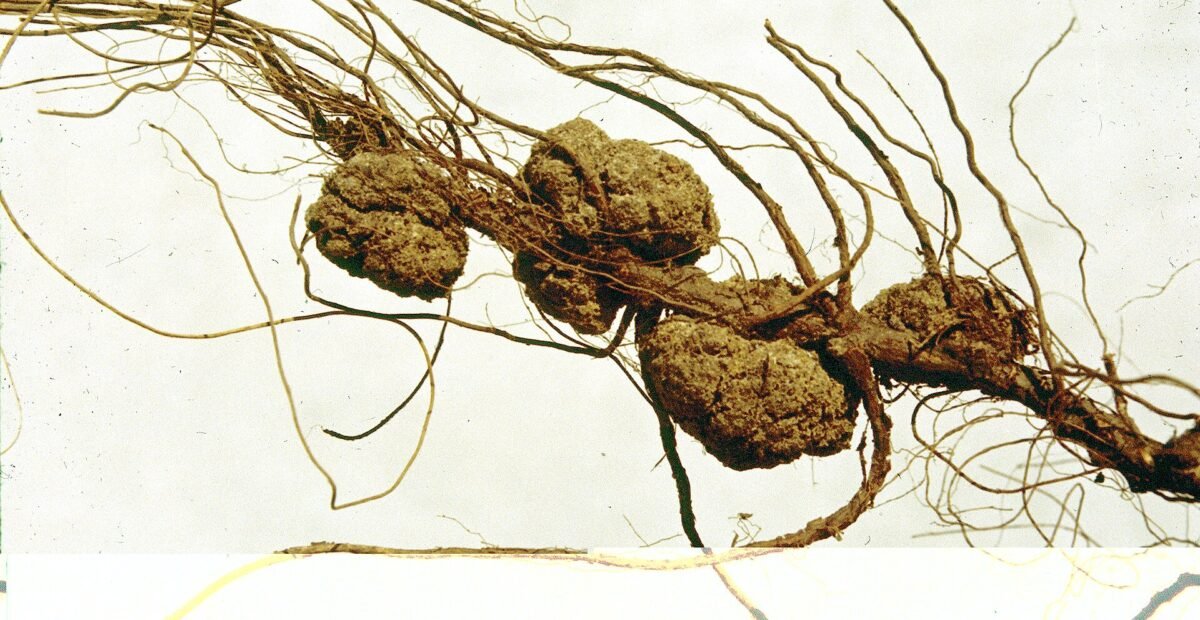
Crown gall
Agrobacterium tumefaciens (現在 commonly classified as Rhizobium radiobacter)Crown gall overview
Crown gall is a bacterial disease caused by Agrobacterium tumefaciens, also known in current taxonomy as Rhizobium radiobacter. It produces irregular, tumor-like swellings on roots, the root crown, lower stems, trunks, canes, and occasionally aerial tissues. The disease is most damaging to young nursery plants and recently transplanted woody crops because infection requires fresh wounds.
Typical conditions
Overview
Crown gall is caused by pathogenic strains historically identified as Agrobacterium tumefaciens; many modern references place the organism under the name Rhizobium radiobacter. The disease affects a wide range of broadleaf plants and some woody species, but susceptibility varies by plant species and bacterial strain.
Galls usually develop at the root crown, the soil line, roots or lower stems. On grapes, caneberries and some ornamentals, aerial galls may also occur. Small galls may be smooth and pale; older galls become rough, brown to black, hard or corky. Young plants can be stunted, weakened, drought-stressed or killed when a large gall interferes with water and nutrient movement.
Visual diagnosis is not always definitive because other organisms, insects and mechanical injuries can produce similar swellings. When the diagnosis affects nursery certification, plant movement or a valuable specimen, laboratory isolation or molecular testing is advisable.
Symptoms and identification
- Round, irregular or coalescing swellings at the root crown, soil line, roots or lower stem.
- Young galls are often soft, smooth and cream to light brown; mature galls may become rough, cracked, dark and woody.
- Galls can occur on trunks, branches, canes and occasionally leaves or other aerial tissues.
- Infected young plants may show weak growth, stunting, wilting, chlorosis, premature decline or wind breakage.
- Older woody plants may carry galls with little visible effect unless the gall is large or located around the crown.
Causes and spread
The bacterium is commonly associated with agricultural and landscape soils and survives for extended periods in soil, plant debris and old gall tissue. Infection requires an entry point, most often a wound caused by transplanting, root pruning, grafting, cutting production, sucker removal, frost injury, cultivation, string trimmers or other equipment.
Local spread can occur in irrigation or runoff water, contaminated soil, tools, containers and handling operations. The most important long-distance pathway is movement of infected nursery stock, including plants that are infected but not yet visibly galled. Disease pressure is often greatest in nurseries and propagation systems where plants are repeatedly wounded.
Life cycle and persistence
Pathogenic bacteria persist in soil and in or around galled tissue. Chemical signals released by wounded plant cells attract the bacterium, which attaches to susceptible cells and uses virulence functions carried largely on a tumor-inducing plasmid to transfer DNA into the plant cell.
The transferred DNA alters plant hormone production and cell metabolism, causing uncontrolled cell division and gall formation. Bacteria multiply in and around the gall, and when gall tissue breaks down they return to the soil. New infections occur when surviving bacteria encounter fresh wounds or newly emerging roots. Incubation can be prolonged, so symptomless infected plants may escape visual inspection.
Treatment and control
There is no reliable whole-plant cure once crown gall is established. Infected nursery plants, young trees and severely affected ornamentals should generally be removed and destroyed rather than propagated or transplanted.
On a valuable established woody plant, a localized gall above the crown may sometimes be cut out with a generous margin of healthy tissue using sterilized tools, but regrowth and recurrence are possible. Removing crown galls from roots or the root crown is usually impractical and may create additional infection courts. Monitor the plant afterward for new swellings, decline and structural weakness.
Do not move infected plants, soil or pruning debris. If diagnosis is uncertain, obtain professional or laboratory confirmation before making a permanent removal decision, because not every plant gall is caused by Agrobacterium.
Low-impact and biological control
Biological control products based on nonpathogenic Agrobacterium strains, especially K-84 or K-1026, can help prevent infection when applied to appropriate bare roots, cuttings or transplant material according to the product label. They are preventive, not curative, and effectiveness varies among pathogen strains and hosts; some grape-associated strains may not be controlled by every biological product.
Organic and low-input programs should emphasize clean stock, sanitation, careful handling, wound reduction, removal of infected plants, site hygiene and—where suitable—soil solarization. Use only products permitted for organic production and legally registered for the intended crop and use in the United States.
Prevention
- Purchase inspected, high-quality nursery stock and reject plants with galls on roots, crowns or stems.
- Inspect bare-root trees, roses, grapevines and caneberries before planting; do not conceal suspicious swellings below the soil line.
- Minimize wounds during transplanting, cultivation, pruning and propagation, especially near the crown.
- Disinfect tools, benches, containers and work surfaces between plants or lots using a product suitable for the task.
- Remove and dispose of infected plants, including as much of the root system and surrounding soil as practical; do not compost galled tissue.
- Avoid replanting highly susceptible plants in heavily infested sites. Where appropriate, use less-susceptible species or cultivars and improve drainage.
- Use certified clean propagation material and avoid moving soil, runoff or irrigation water from infested areas into clean beds.
- In hot climates, properly conducted soil solarization may reduce populations in the upper soil layer, but it is not a guaranteed eradication method.
Interesting facts
- The disease name is somewhat misleading because galls may form on roots, trunks, branches, canes and leaves, not only at the crown.
- The pathogen is historically important in plant biotechnology because related, disarmed strains are used to transfer genetic material into plant cells.
- Crown gall tissue produces unusual compounds called opines that can be used by compatible pathogenic bacteria.
- Host range is broad—more than 600 plants have been reported as susceptible—but natural disease expression and strain compatibility vary substantially.
- Nonpathogenic strains occur in the same general bacterial group, so a gall cannot be confirmed from the organism’s name alone without appropriate testing.
No pesticide program should be assumed to cure crown gall. Use only products legally authorized and currently registered for the specific crop and problem in your state and country, and follow the current label exactly, including application site, rate, personal protective equipment, reentry interval and disposal instructions. Some professional nursery products may be labeled for biological prevention or localized gall treatment, but availability and legal uses can change.
Affected plants
The plants below are linked to this problem by structured host-plant data. The list updates automatically as new plant profiles are added.
 Tagetes (Tagetes erecta) care guideTagetes erecta
 Apple tree (Malus domestica) care guideMalus domestica
 Snapdragons (Antirrhinum majus) care guideAntirrhinum majus
 Delavay’s tree peony (Paeonia delavayi) care guidePaeonia delavayi
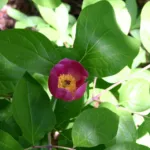 Woodland peony (Paeonia obovata) care guidePaeonia obovata
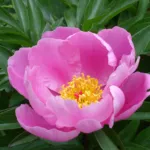 Common Garden Peony (Paeonia lactiflora) care guidePaeonia lactiflora
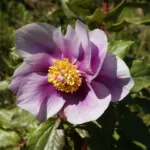 Wild Peony (Paeonia mascula) care guidePaeonia mascula
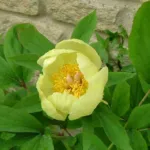 Paeonia mlokosewitschii care guidePaeonia mlokosewitschii
 Garden Peony (Paeonia officinalis) care guidePaeonia officinalis
 Balkan Peony (Paeonia peregrina) care guidePaeonia peregrina
 Tree peony (Paeonia suffruticosa) care guidePaeonia suffruticosa
 Fern-leaf Peony (Paeonia tenuifolia) care guidePaeonia tenuifolia