
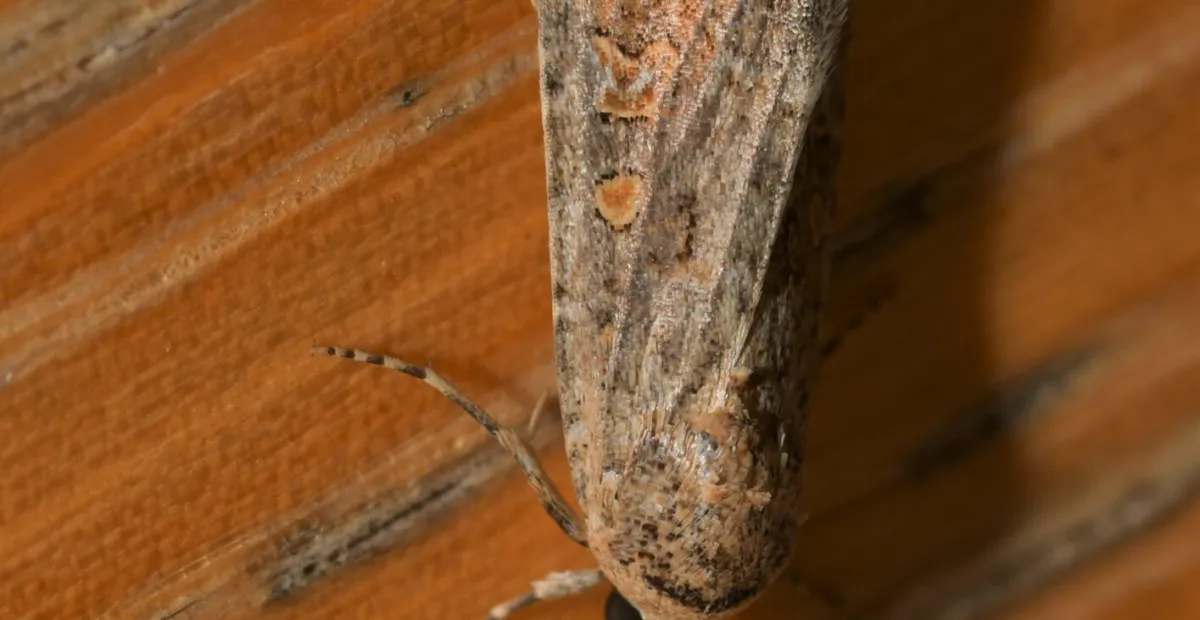
Beet Armyworm
Spodoptera exigua (Hübner)Beet Armyworm overview
Beet armyworm is a highly polyphagous caterpillar pest that feeds on vegetables, field crops, ornamentals and weeds across much of the United States. Young larvae often feed in groups and skeletonize leaves, while older larvae chew irregular holes, attack crowns, buds or fruit, and may hide inside dense plant growth. Warm weather, weedy field margins and successive host crops can favor damaging outbreaks.
Typical conditions
Overview
Beet armyworm is a caterpillar pest rather than a plant disease. Adults are small, mottled gray-brown moths. Females lay clusters of pale eggs covered by fluffy, cottony scales on leaves. Young larvae commonly remain grouped near the egg mass and scrape the leaf surface, producing translucent, skeletonized patches. Older larvae disperse and chew larger irregular holes, enter crowns or heads, and sometimes tunnel into fruit.
In the United States, damaging populations are especially associated with warm weather and late-summer or fall production, although activity can continue year-round in mild regions. The species is highly polyphagous, so weeds and neighboring crops can maintain populations between plantings.
Symptoms and identification
- Small larvae produce windowpane-like skeletonization while leaving major veins relatively intact.
- Larger larvae make irregular holes, consume leaf margins, clip tender tissue, or feed in crowns and growing points.
- Seedlings may be severely stunted or killed when larvae feed in the crown.
- On pepper and related crops, larvae may enter fruit near the calyx; frass and loose webbing may be present.
- Egg masses are covered with white, gray or dirty-white scales and are often easier to find on leaf surfaces than the moths.
Larvae are usually smooth and green to olive, with narrow longitudinal stripes and a dark spot above the second pair of true legs, but color varies with age and diet.
Causes and spread
Damage is caused by chewing larvae after moths arrive from nearby crops, weeds or overwintering sites. Pigweeds, lambsquarters, nettleleaf goosefoot and other weeds can support early populations. Adults are nocturnal, mobile and attracted to lights, and they may move into newly planted fields or gardens. Repeated plantings of susceptible crops, warm temperatures and inadequate control of young larvae allow populations to build. Insecticide resistance has been reported in U.S. populations, making repeated use of the same mode of action unreliable.
Life cycle and persistence
Females deposit egg masses on foliage. Eggs hatch within a few days under warm conditions, and first- to third-instar larvae often feed together. Larvae become full grown in roughly 2–3 weeks in favorable weather, reaching about 1–1.5 inches long. Mature larvae leave the plant and pupate in the soil or plant debris. Adults emerge, mate and lay new egg masses. A generation may be completed in about one month during warm weather, allowing several generations per year; the number and timing vary by climate and host crop.
Treatment and control
Begin with careful scouting and treat only when larval numbers or feeding threaten plant establishment, marketable foliage, heads or fruit. Young larvae are easier to control than large larvae hidden in crowns or fruit. Remove small infestations by hand from garden plants, prune heavily infested leaves when appropriate, and improve spray coverage of leaf undersides and protected plant centers if a labeled treatment is used. Recheck treated areas after several days because egg hatch and migration can produce new larvae. Rotate insecticide mode-of-action groups when treatment is justified, and do not rely on calendar spraying.
Low-impact and biological control
Use hand-picking, weed control, crop-residue sanitation, row covers where feasible, and frequent scouting as the foundation of organic management. Products containing Bacillus thuringiensis subsp. kurstaki are most useful against small, actively feeding caterpillars and require thorough coverage and timely reapplication according to the label. Some organically approved spinosad products may also be effective, but they can harm beneficial insects, especially parasitoids, when misused. Naturally occurring parasitoid wasps, tachinid flies and nucleopolyhedrovirus can suppress populations, although biological control alone may not protect fruit or dense crop heads during a severe outbreak.
Prevention
- Inspect seedlings and transplants before planting, especially the undersides of leaves and the crown.
- Monitor at least twice weekly during warm periods for egg masses, clustered young larvae, fresh frass and skeletonized foliage.
- Scout weeds such as pigweed and lambsquarters around beds and field borders; remove them before larvae migrate into crops.
- Use pheromone traps as an adult-activity indicator, not as a stand-alone control.
- Harvest promptly and destroy or incorporate crop residue soon after harvest where practical, because larvae and pupae may remain in the field.
- Rotate crop families and avoid overlapping plantings that provide an uninterrupted food supply.
- Protect flowering plants and natural-enemy habitat, while avoiding unnecessary broad-spectrum insecticide applications.
Interesting facts
- The species has been documented feeding on more than 90 plant species in at least 18 plant families in North America.
- Females often prefer certain weeds, including pigweed, for egg laying, helping explain movement from unmanaged vegetation into crops.
- Young larvae may feed communally, but older larvae become more solitary and are harder to find.
- Beet armyworm is not the same species as fall armyworm, western yellowstriped armyworm or true armyworm; larval markings and host associations can overlap, so confirmation matters.
- Warm regions may support multiple generations, while northern populations are often seasonal migrants or are associated with protected production.
Use only insecticide products legally authorized for beet armyworm on the specific crop and site in the United States. Follow the current EPA-approved label for crop, target pest, rate, timing, application interval, personal protective equipment, reentry interval and preharvest interval. Confirm local registration and observe resistance-management restrictions; never infer legality or crop safety from a product labeled for another crop or pest.
Affected plants
The plants below are linked to this problem by structured host-plant data. The list updates automatically as new plant profiles are added.
 Love-lies-bleeding (Amaranthus caudatus) care guideAmaranthus caudatus
 Edible amaranth (Amaranthus tricolor) care guideAmaranthus tricolor
 Purple amaranth (Amaranthus blitum) care guideAmaranthus blitum
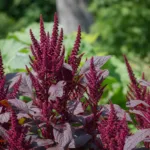 Amaranth (Amaranthus cruentus) care guideAmaranthus cruentus
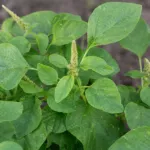 Amaranth (Amaranthus dubius) care guideAmaranthus dubius
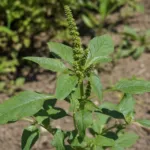 Smooth Pigweed (Amaranthus hybridus) care guideAmaranthus hybridus
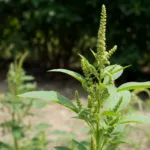 Slender amaranth or green amaranth (Amaranthus viridis) care guideAmaranthus viridis
 Beet (Beta vulgaris) care guideBeta vulgaris
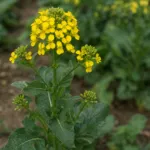 Ethiopian Rape (Brassica carinata) care guideBrassica carinata
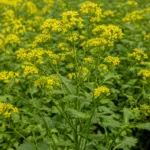 Brown Mustard (Brassica juncea) care guideBrassica juncea
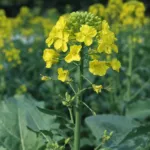 Rapeseed (Brassica napus) care guideBrassica napus
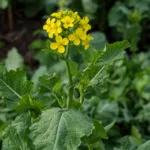 Urnip rape (Brassica rapa) care guideBrassica rapa