
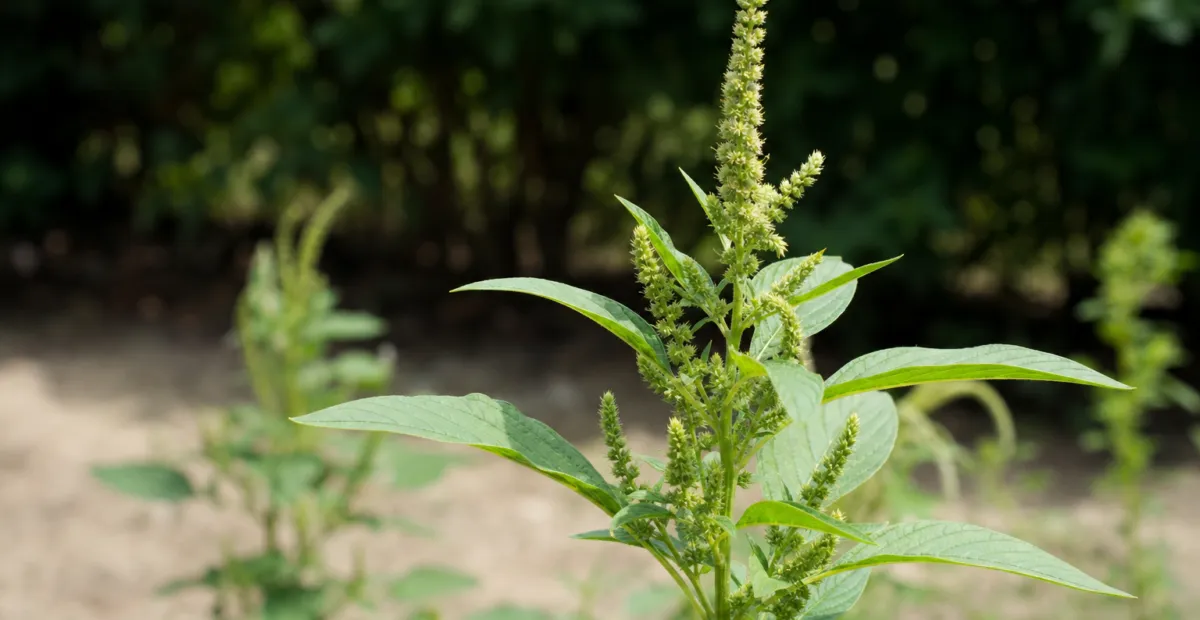
 AI-generated illustration
Slender amaranth or green amaranth (Amaranthus viridis) short overview
Slender amaranth or green amaranth is a fast-growing warm-season annual in the amaranth family. It forms an upright, branching herb with soft green leaves and tiny green flowers packed into slender clusters. In the United States it is most useful as a container or edible-greens plant where summers are long and frost-free. Young leaves may be cooked as greens, but correct identification and sensible preparation matter because amaranths can accumulate nitrates and oxalates.
Taxonomic classification
Slender amaranth or green amaranth (Amaranthus viridis) care guide
Light and placement
Grow in full sun for the strongest, leafiest growth; six or more hours of direct light is ideal. In very hot regions, light afternoon shade can reduce wilting. Too little light produces thin, stretched stems and fewer leaves, while severe midday heat combined with dry soil causes wilt and premature flowering.
Watering and humidity
Water when the top inch of soil begins to dry, applying enough to wet the root zone rather than sprinkling lightly. Keep seedlings evenly moist; established plants tolerate short dry periods but grow better with regular moisture. Reduce watering in cool weather and never leave containers standing in water.
Soil and growing medium
Use fertile, loose soil or a quality potting mix that drains freely while holding moderate moisture. Sandy loam or loam is suitable. Avoid persistently waterlogged beds. A slightly acidic to neutral reaction is generally appropriate; precise species-specific pH limits are not well documented.
Feeding
In fertile soil, incorporate finished compost before planting and avoid heavy nitrogen applications, which can encourage soft growth and nitrate accumulation. If growth is pale or weak, use a balanced fertilizer at half the label strength once during active growth. Do not feed drought-stressed, waterlogged, or newly transplanted plants.
Growth and habit
This quick annual branches from a slender central stem and can continue producing leaves, flowers, and seed throughout warm weather. Remove volunteer plants before seed ripens if spread is unwanted. Harvesting young shoots encourages a more compact, leafy crop, while drought or crowding promotes early flowering.
Planting and repotting
Sow after the danger of frost when soil is warm, ideally around 65°F or higher. Cover seed lightly, keep the surface evenly moist until emergence, then thin seedlings to about 8–12 inches apart. Stagger sowings in warm regions for a continued supply of young leaves.
Usually unnecessary in the ground. Transplant container seedlings while young, before roots become crowded, using a pot with drainage holes and minimizing root disturbance.
Propagation and pruning
Propagation
Propagate from seed. Direct-sow after warm weather begins or start in containers 3–5 weeks before planting out. Seed is small, so press it onto the surface or cover only very lightly. Keep seedlings bright and evenly moist until established.
Pruning
No formal pruning is required. Pinch or cut young stems for repeated leafy harvests. Remove flowering tops before seed maturation if preventing self-seeding is important, and clear spent annual plants after frost.
Overwintering
Treat it as an annual outside frost-free areas. Remove plants after the first hard frost. In containers, overwintering indoors is generally impractical because the plant needs strong light, warmth, and space; saving mature seed is the more reliable approach.
Uses
Young leaves and tender shoots are used as cooked greens in some cuisines; cooking and moderate portions are prudent because amaranths may accumulate oxalates and nitrates. It can also be grown as a low-cost warm-season container green and allowed to provide seed for limited wildlife value. Do not make medicinal claims without professional guidance.
Appearance
Identification features include a slender, angular, green stem; alternate long-petioled leaves that are ovate to rhombic and often slightly notched at the tip; and narrow green flower clusters arising from leaf axils and stem ends. Unlike spiny amaranths, it lacks spines at the leaf axils.
Flowering
Tiny, green, inconspicuous flowers are grouped in slender axillary and terminal clusters. Plants may flower repeatedly through warm weather, with seed production continuing until frost or drought suppresses growth.
Pollination and visitors
The tiny flowers are chiefly wind-pollinated, so documented attraction to animal visitors is limited. Any insect visits are likely incidental rather than a dependable reason to plant this species for pollinators.
Amaranthus viridis photos
Click any photo for a larger view. Source, author and license are shown separately.
Diseases and pests
Diseases
Reduce disease pressure with good spacing, full morning sun, clean tools, and watering at the soil line. Watch for damping-off in crowded seedlings and leaf-spot symptoms during prolonged wet weather. Remove badly affected plants rather than applying unnecessary broad-spectrum treatments.
Pests
Inspect young growth for aphids, flea beetles, leafminers, and caterpillars. Use row cover over young plants, hand-pick larger pests, and maintain weed-free spacing. Avoid harvesting leaves exposed to herbicides or contaminated runoff. Because the plant is edible, use pesticides only when the label permits the crop and observe the full preharvest interval.
Related diseases and pests
Only Plant Doctor profiles whose host data indicate this plant may be affected are shown here.
 PestTomato red spider mite (Tetranychus evansi)Tetranychus evansi Baker & Pritchard
 PestBeet ArmywormSpodoptera exigua (Hübner)
 PestChilli thripsScirtothrips dorsalis Hood
 DiseasePseudomonas viridiflava bacterial blightPseudomonas viridiflava
 DiseasePolymyxa betae — Vector of Beet RhizomaniaPolymyxa betae Keskin
 DiseaseLettuce mosaicLettuce mosaic virus
 PestBeet Cyst NematodeHeterodera schachtii
 DiseaseCucumber mosaic virusCucumber mosaic virus
Toxicity and pollen
Human toxicity is not well characterized for this exact species. As with other edible amaranths, leaves may contain oxalates and nitrates, especially when plants are stressed or grown in nitrogen-rich conditions. Eat only correctly identified young foliage, preferably cooked, and use caution with large quantities or diets restricted in oxalate or nitrate.
- Typical season
- Typically late summer to fall in the United States; local timing varies.
- Pollination / pollen
- Fine, wind-dispersed pollen
Amaranthus viridis releases airborne pollen, and studies from warm regions have documented seasonal atmospheric pollen and possible allergenic relevance. U.S. exposure intensity is not well established for this exact species, so people with weed-pollen sensitivity should avoid handling flowering plants during dry, windy conditions.
Native habitat
It occurs in warm, seasonally dry tropical and subtropical environments, often in disturbed ground, cultivated fields, roadsides, waste areas, and other open sites. It tolerates a range of soils but performs best with warmth, light, and periodic moisture.
Interesting fact
The species is an annual herb native to tropical and subtropical regions of the Americas and is now widely naturalized elsewhere. Its flowers are small and wind-pollinated rather than showy. Young leaves are used as a cooked green in several food traditions, while mature plants can produce abundant fine seed.
Frequently asked questions (FAQ)
The most relevant questions about this plant, with short and direct answers.
🌱Quick care
What is Amaranthus viridis called in the United States?⌄
Amaranthus viridis is commonly called slender amaranth or green amaranth. It belongs to the Amaranthaceae family and is also encountered as a volunteer or pigweed-like plant in some U.S. gardens.
Is Amaranthus viridis an annual or perennial plant?⌄
Amaranthus viridis is a frost-tender annual. It completes its life cycle in one growing season but can reappear from abundant seed.
🌤️Environment and placement
How much sunlight does Amaranthus viridis need?⌄
Amaranthus viridis grows best in full sun but tolerates partial shade. Plants receiving more light are generally sturdier and more productive as leafy greens.
Can Amaranthus viridis grow in partial shade?⌄
Yes, Amaranthus viridis can grow in partial shade, especially in hot climates. Expect slower growth or leggier stems than plants grown in at least several hours of direct sun.
Can Amaranthus viridis survive frost?⌄
No, Amaranthus viridis is frost tender and is usually killed by freezing temperatures. In the United States, sow it outdoors after the local frost danger has passed.
💧Care and problems
How often should I water Amaranthus viridis?⌄
Water Amaranthus viridis when the soil surface begins to dry, keeping moisture moderate and even. During hot, dry weather, container plants may need water more frequently than plants in the ground.
Is Amaranthus viridis drought tolerant?⌄
Established Amaranthus viridis can tolerate short dry periods, but consistent moisture supports better leaf growth. Severe drought can cause wilting, premature flowering, and smaller plants.
Why is my Amaranthus viridis plant getting tall and floppy?⌄
Amaranthus viridis may become tall and floppy because of insufficient light, crowded growth, excessive fertility, or inconsistent watering. Move container plants into brighter light and thin or pinch crowded stems.
How can I harvest Amaranthus viridis leaves?⌄
Harvest young Amaranthus viridis leaves and tender shoot tips when they are still soft. Cut selectively for continued growth or harvest the whole plant while it is young, before heavy flowering.
How do I control unwanted Amaranthus viridis in a garden?⌄
Pull or hoe young Amaranthus viridis plants before they flower and produce seed. Mulch and regular cultivation can reduce new seedlings, but avoid leaving mature seed heads on the soil.
What pests commonly affect Amaranthus viridis?⌄
Amaranthus viridis may be attacked by aphids, leaf-chewing insects, and other pests that affect leafy amaranths. Inspect the undersides of leaves regularly and use the least-disruptive control appropriate for the infestation.
🪴Planting and repotting
What soil is best for Amaranthus viridis?⌄
Use fertile, well-drained loam or sandy loam for Amaranthus viridis. Improve poor soil with compost, but avoid persistently waterlogged ground.
When should I plant Amaranthus viridis in the United States?⌄
Plant Amaranthus viridis after the last spring frost, once the soil has warmed. In warm regions it can be succession-sown through summer, while short-season areas should plant early enough for a full growing season.
How deep should I sow Amaranthus viridis seeds?⌄
Sow Amaranthus viridis seeds about one-eighth to one-quarter inch deep. The seeds are tiny, so press them into the soil and cover them only lightly.
How far apart should Amaranthus viridis plants be?⌄
Thin Amaranthus viridis seedlings to about 6 inches apart for young greens or allow roughly 12 to 18 inches for larger plants. Closer spacing encourages tender leafy growth but increases competition.
Can Amaranthus viridis be grown in containers?⌄
Yes, Amaranthus viridis grows well in a container with drainage holes and fertile potting mix. Choose a container at least 8 to 12 inches deep and keep it evenly moist during hot weather.
Can I transplant Amaranthus viridis seedlings?⌄
Yes, but transplant Amaranthus viridis while seedlings are young and handle the roots gently. Older plants may pause, wilt, or flower early after being disturbed.
✂️Propagation and pruning
How do I grow Amaranthus viridis from seed?⌄
Scatter the tiny seeds on prepared soil, cover them lightly, and keep the surface evenly moist until germination. Thin crowded seedlings after they emerge so plants have room to develop.
Does Amaranthus viridis reseed itself?⌄
Yes, Amaranthus viridis can readily reseed when mature seed is allowed to fall. Remove flower clusters before seed dispersal if you do not want volunteer plants in later seasons.
Should I prune Amaranthus viridis?⌄
Pruning is optional, but pinching or harvesting the growing tips can encourage branching and tender new leaves. Remove unwanted plants before seeds mature to limit reseeding.
⚠️Toxicity and safety
Can you eat Amaranthus viridis?⌄
Young leaves and seeds of Amaranthus viridis are eaten in some cultures, but identification must be certain and the plant should come from clean, unsprayed soil. Cooking is commonly advised because raw leaves may contain higher levels of oxalates.
Does Amaranthus viridis contain oxalates?⌄
Yes, Amaranthus viridis may contain oxalates, particularly in its leaves. People who need to limit dietary oxalate should avoid consuming it or consult a qualified health professional first.
Can Amaranthus viridis contain nitrates?⌄
Amaranthus viridis can accumulate nitrates when grown under stressful conditions or in nitrogen-rich soil. Do not feed questionable quantities to livestock, and avoid eating plants from fertilized, contaminated, or chemically treated sites.
Is Amaranthus viridis toxic to pets?⌄
Potential oxalate and nitrate risks mean Amaranthus viridis should not be treated as automatically safe for pets. Prevent animals from consuming large amounts and contact a veterinarian if ingestion is suspected.
Is Amaranthus viridis invasive in the United States?⌄
Amaranthus viridis is an annual that can spread locally by seed, although its status varies by region. Control unwanted plants before seed set and check local weed or invasive-plant guidance for your state.
🌸Flowering and special interest
Why is Amaranthus viridis flowering too early?⌄
Early flowering can result from heat, drought, root disturbance, crowding, or an aging plant. Regular moisture, early transplanting, and succession sowing can help maintain leafy growth.
What do the flowers of Amaranthus viridis look like?⌄
Amaranthus viridis produces small green flowers in slender, often branched clusters rather than large showy blooms. Flowering signals that the plant is shifting from leafy growth toward seed production.
Similar plants
 Viridis (Acer palmatum ‘Viridis’)Acer palmatum 'Viridis'
 Sango Kaku (Acer palmatum ‘Sango Kaku’)Acer palmatum 'Sango Kaku'
 Atropurpureum (Acer palmatum ‘Atropurpureum’)Acer palmatum 'Atropurpureum'
 Smooth Pigweed (Amaranthus hybridus) care guideAmaranthus hybridus
 Purple amaranth (Amaranthus blitum) care guideAmaranthus blitum
 Amaranth (Amaranthus cruentus) care guideAmaranthus cruentus