
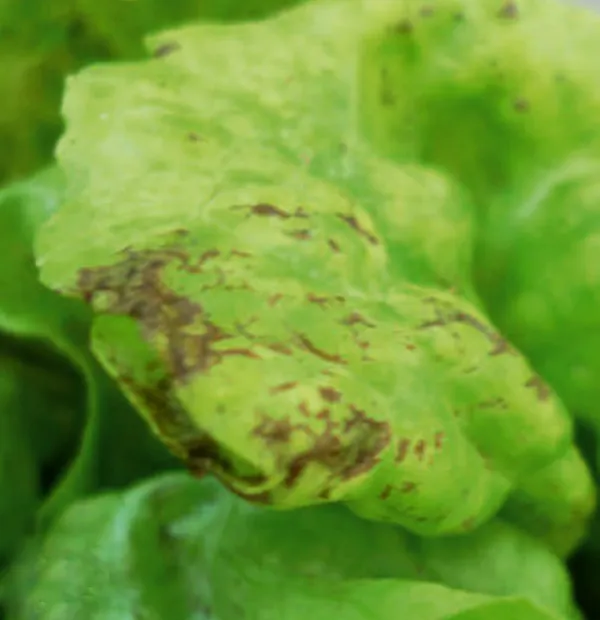
Lettuce mosaic
Lettuce mosaic virusLettuce mosaic overview
Lettuce mosaic is a viral disease caused by Lettuce mosaic virus. It is especially important because the virus may arrive in contaminated seed and then spread from plant to plant through aphids. Youngly infected lettuce can become severely stunted and fail to form a marketable head, while older plants may show mottled, yellow, twisted or deformed outer leaves. Similar symptoms can be caused by other viruses, so laboratory confirmation may be needed.
Typical conditions
Overview
Lettuce mosaic affects cultivated lettuce and several related crop, ornamental and weed hosts. Symptoms vary with cultivar, virus isolate and plant age. Young plants may be severely stunted, deformed and mottled; plants infected later may reach near-normal size but develop yellow, twisted outer leaves and malformed heads.
Visual diagnosis is not definitive because cucumber mosaic virus and other lettuce viruses can produce similar mosaics, distortions and stunting. Confirm uncertain cases through a plant diagnostic laboratory using serological, molecular or inoculation-based testing.
Symptoms and identification
- Irregular light- and dark-green mosaic or mottling, sometimes with yellowing.
- Young leaves may be narrow, curled, twisted, puckered or otherwise deformed.
- Early infection commonly causes strong stunting and failure to form a head.
- Later infection may leave the plant near full size but produce yellow, twisted outer leaves and wrapper leaves that curve away from the head.
- Developing heads may be misshapen; brown or necrotic flecks can occur on wrapper leaves.
- Some crisphead cultivars may develop internal midrib necrosis or postharvest rusty-brown discoloration.
Causes and spread
The principal introduction route is infected lettuce seed. Secondary spread occurs when aphids, particularly green peach aphid, feed on infected lettuce, weeds or other susceptible hosts and then probe healthy plants. LMV can also persist in volunteer lettuce, crop residues and unmanaged weed hosts. Dense plantings, overlapping lettuce crops and poor sanitation increase the number of infection sources.
Transmission is not prevented reliably by attempting to kill aphids after they have landed, because virus acquisition and inoculation can occur quickly.
Life cycle and persistence
LMV can be carried in infected lettuce seed, allowing the disease to enter a planting before aphids are present. Infected plants and susceptible weeds can maintain the virus between crop cycles. Aphids, especially green peach aphid, acquire LMV during brief feeding on an infected plant and can transmit it during subsequent probes on healthy lettuce.
The virus then multiplies systemically within the plant and moves into newly developing foliage. Plants infected at the seedling stage generally suffer the most severe growth reduction. The exact seasonal pattern depends on local aphid activity, crop timing, weeds and the availability of infected plant material.
Treatment and control
There is no practical treatment that eliminates LMV from an infected lettuce plant. Remove and discard plants showing progressive mosaic, distortion or severe stunting, particularly early in the crop cycle. Remove nearby volunteer lettuce and host weeds, and promptly incorporate or remove finished crop residue.
If only a few plants are affected late in the season, harvest healthy-looking leaves for household use if they meet food-safety and quality expectations, but do not save seed from symptomatic plants. For valuable or unusual plantings, submit symptomatic tissue to a state or university plant diagnostic laboratory because several viruses have overlapping symptoms.
Low-impact and biological control
No organic spray cures an infected plant. In certified-organic production, emphasize preventive cultural and exclusion measures:
- Buy certified or otherwise virus-tested lettuce seed from a reputable supplier.
- Start transplants in a clean area and inspect seedlings before planting.
- Remove symptomatic plants promptly, place them in a bag and dispose of them; do not compost diseased lettuce unless the composting system reliably reaches pathogen-destroying conditions.
- Control weeds and volunteer lettuce in and around the planting because they can serve as virus reservoirs.
- Use floating row covers over young plants where practical, removing them for pollination only when needed; row covers reduce aphid landing but do not protect plants already infected.
- Use reflective mulch, crop rotation and a lettuce-free interval when feasible.
Prevention
Prevention is more effective than treatment after infection:
- Plant virus-tested lettuce seed; for commercial production, use seed meeting applicable LMV testing standards and local requirements.
- Select cultivars described by the seed supplier as resistant or tolerant to the relevant LMV strain, while recognizing that resistance is not universal.
- Inspect transplants and discard plants with mosaic, distortion or unexplained stunting before they enter the garden or field.
- Remove weeds and volunteer lettuce within and near the planting, especially known host weeds such as prickly lettuce, sowthistle, chickweed and shepherd’s-purse.
- Destroy crop residues promptly after harvest and avoid overlapping old and new lettuce plantings.
- Monitor aphids and use row covers or reflective mulch during early crop establishment.
- Disinfect hands and tools after handling symptomatic plants and avoid moving sap from infected plants to healthy seedlings.
Interesting facts
- Very low levels of infected lettuce seed can initiate a field outbreak, so seed health is a central management concern.
- LMV is in the genus Potyvirus, a large group of plant viruses commonly spread by aphids.
- Some lettuce cultivars have useful resistance, but resistance may depend on the cultivar and virus strain.
- LMV symptoms can resemble other viral diseases; symptom appearance alone should not be treated as a definitive identification.
- Infected plants near harvest may remain edible, although quality, size and marketability can be reduced.
There is no curative pesticide treatment for an infected lettuce plant. Insecticides generally do not reliably prevent virus acquisition and transmission because aphids can transmit the virus rapidly. Use only products legally authorized for lettuce and the stated pest or problem in the United States, and always follow the current product label. Do not apply a pesticide solely to treat lettuce mosaic virus.
Affected plants
The plants below are linked to this problem by structured host-plant data. The list updates automatically as new plant profiles are added.
 Love-lies-bleeding (Amaranthus caudatus) care guideAmaranthus caudatus
 Edible amaranth (Amaranthus tricolor) care guideAmaranthus tricolor
 Purple amaranth (Amaranthus blitum) care guideAmaranthus blitum
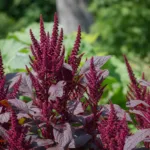 Amaranth (Amaranthus cruentus) care guideAmaranthus cruentus
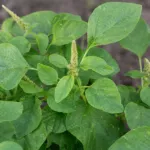 Amaranth (Amaranthus dubius) care guideAmaranthus dubius
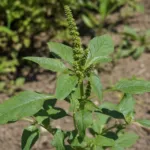 Smooth Pigweed (Amaranthus hybridus) care guideAmaranthus hybridus
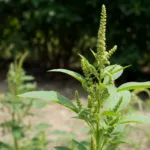 Slender amaranth or green amaranth (Amaranthus viridis) care guideAmaranthus viridis
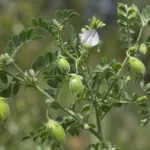 Chickpea (Cicer arietinum) care guideCicer arietinum
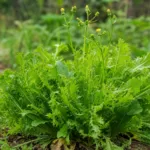 Endive (Cichorium endivia) care guideCichorium endivia
 Chicory (Cichorium intybus) care guideCichorium intybus
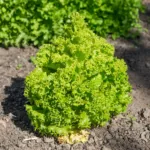 Lettuce (Lactuca sativa) care guideLactuca sativa
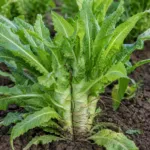 Celtuce (Lactuca sativa Angustana Group)Lactuca sativa Angustana Group