
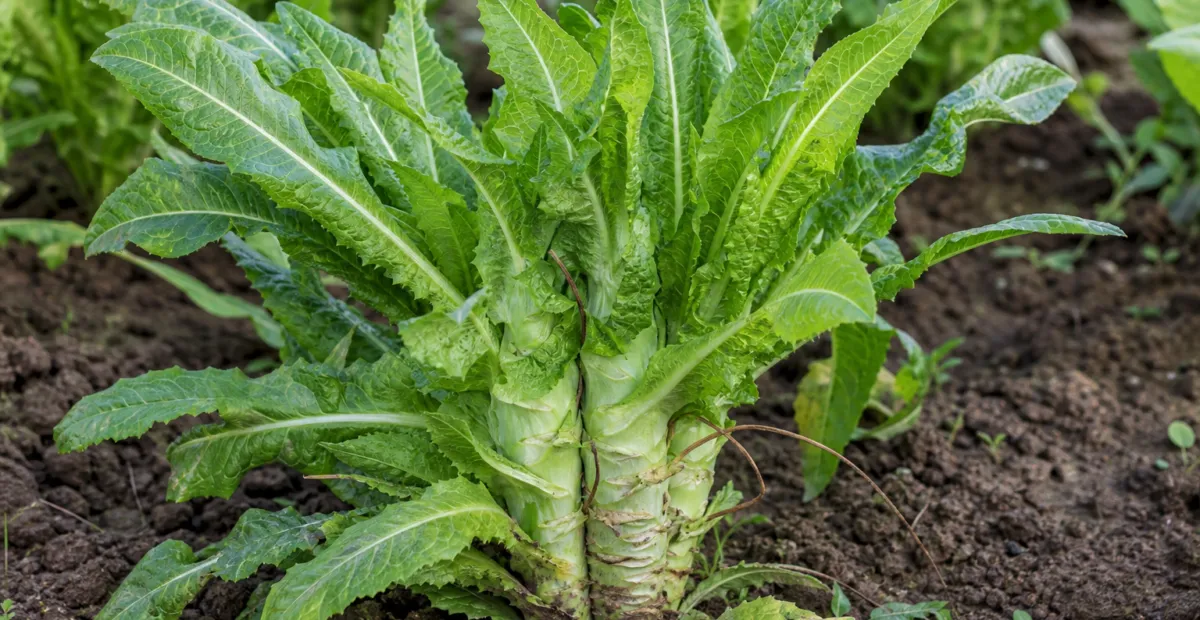
 AI-generated illustration
Celtuce (Lactuca sativa Angustana Group) short overview
Lactuca sativa Angustana Group is the stem-lettuce group commonly known in the United States as celtuce. It forms a thick, tender central stem with a crown of lettuce-like leaves and is grown primarily as a cool-season vegetable. The peeled stem can be eaten raw or cooked, while the leaves are used like other leaf lettuces. Plants grow best with steady moisture, fertile soil, and protection from summer heat, which can trigger bolting and bitterness.
Taxonomic classification
Celtuce (Lactuca sativa Angustana Group) care guide
Light and placement
Give celtuce full sun in spring and fall, ideally with six or more hours of direct light. In hot-summer areas, use morning sun with light afternoon shade or a shade cloth to slow bolting. Pale, weak growth suggests insufficient light; scorched leaves, rapid bolting, bitterness, or midday collapse indicate excessive heat and light stress.
Watering and humidity
Keep the shallow root zone evenly moist rather than alternating between drought and saturation. Water slowly when the surface begins to dry, supplying roughly 1 inch per week and more often in sandy soil, containers, or hot weather. Morning irrigation and a light organic mulch help stabilize moisture. Irregular watering can reduce stem quality and contribute to tipburn.
Soil and growing medium
Use fertile loam or amended raised-bed soil that drains freely but holds steady moisture. Incorporate well-rotted compost before planting, avoiding fresh manure. A soil pH near 6.0–6.8 is suitable. Heavy clay should be loosened with organic matter and improved drainage; very sandy soil benefits from compost and more frequent irrigation.
Feeding
Base fertilizer decisions on a soil test. Mix mature compost into the bed before sowing, then apply a modest nitrogen-rich side-dressing about four weeks after transplanting or thinning if growth is pale or slow. Water fertilizer in thoroughly. Avoid excessive nitrogen late in the crop, and never use weed-and-feed products around edible plants.
Growth and habit
This Group develops a compact upright rosette and a noticeably thickened edible stem rather than a conventional tight lettuce head. It is harvested during the vegetative stage. Warm temperatures, long days, drought, or crowding can induce bolting; once the seed stalk elongates, the stem becomes less tender and flavor may turn bitter.
Planting and repotting
Sow shallowly in workable soil about 2–3 weeks before the average last frost, or transplant young plants near the last frost-free date. For fall production, sow or transplant early enough to mature before the first hard freeze. Thin seedlings carefully, keep the seedbed evenly moist, and use row cover for early protection or insect exclusion.
For container culture, use a container at least 8–10 inches deep with drainage holes. Transplant seedlings only while small, disturbing the shallow roots as little as possible. Repotting an established plant is rarely worthwhile because celtuce is a short-season annual.
Propagation and pruning
Propagation
Propagate by seed. Sow directly in cool soil or start in cell trays and transplant while plants are young. Avoid allowing seedlings to become root-bound, and make successive sowings for a longer harvest window.
Pruning
No routine pruning is needed. Harvest outer leaves or cut the mature stem at the base when tender. Remove a bolting plant promptly if seed is not wanted, since flowering reduces edible quality.
Overwintering
Do not overwinter as a permanent plant. In mild climates, protect late plantings from light frost with row cover or a low tunnel. In colder areas, harvest before hard freezes or grow a protected fall crop.
Uses
The thickened stem is peeled and eaten raw, stir-fried, steamed, roasted, or added to soups. Young leaves can be harvested as salad greens or cooked. In the United States, celtuce is primarily grown in vegetable beds, raised beds, and containers with sufficient depth. Harvesting is culinary; no medicinal use is established here.
Appearance
Plants have upright, elongated lettuce leaves surrounding a swollen, celery-like central stem. Stem and leaf proportions vary among cultivars within the Group, including broad- and narrow-leaved forms. The enlarged stem is the most useful identification feature, while the leaves remain visibly lettuce-like and may be green or reddish depending on the cultivar.
Flowering
Celtuce is normally harvested before flowering. If exposed to heat, long days, drought, or other stress, it bolts and produces a branching flower stalk bearing numerous small yellow composite heads. Flowering marks the end of the best-quality stem harvest and is followed by seed production.
Pollination and visitors
Lettuce flowers are capable of self-pollination, so celtuce does not require animal visitors to set seed. Occasional insects may visit open flower heads, but reliable evidence for a characteristic pollinator group specific to this Group is insufficient.
Diseases and pests
Diseases
Reduce disease pressure with crop rotation, clean seed, good spacing, and irrigation directed at the soil. Avoid prolonged leaf wetness and waterlogged soil. Watch for damping-off in seedlings, downy mildew, bottom rot, and bacterial leaf spotting; remove badly affected plants and dispose of debris rather than composting diseased tissue.
Pests
Common problems include aphids, slugs, flea beetles, cutworms, and leaf-feeding caterpillars. Inspect leaf undersides, use floating row cover over young plants, remove slugs and weeds, and reserve labeled insecticides for confirmed infestations. Rotate planting locations and avoid dense, persistently wet growth.
Related diseases and pests
Only Plant Doctor profiles whose host data indicate this plant may be affected are shown here.
 DiseasePythium damping-off, root rot and blightPythium aphanidermatum
 DiseaseBacterial soft rotPectobacterium carotovorum
 DiseaseLettuce Downy MildewBremia lactucae Regel
 PestGreen Peach AphidMyzus persicae
 PestBlack cutwormAgrotis ipsilon (Hufnagel, 1766)
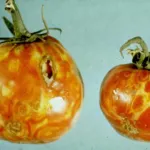 DiseaseTomato spotted wilt virusOrthotospovirus tomatomaculae (tomato spotted wilt virus; TSWV)
 PestTwo-spotted spider miteTetranychus urticae
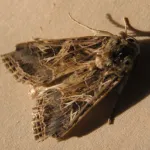 PestEgyptian Cotton LeafwormSpodoptera littoralis
Toxicity and pollen
Celtuce is a food crop whose stems and leaves are eaten. No specific toxic compound or recognized poisoning syndrome is established for this Group in the available horticultural and food references. Wash produce before eating, and remember that contaminated, spoiled, or heavily treated plant material can still cause illness. Individual digestive sensitivity is possible.
- Typical season
- Typically during bolting and flowering, late spring through summer
- Pollination / pollen
- Fine pollen released from small composite flower heads during flowering
Only flowering plants release pollen, and celtuce is commonly harvested before that stage. The pollen is produced by small composite flower heads and may be dispersed locally during bolting. Reliable evidence quantifying airborne allergy risk for this exact Group is limited, so sensitive people should avoid handling flowering plants if symptoms occur.
Native habitat
This is a domesticated annual crop rather than a naturally occurring wild habitat plant. It performs best in open, fertile, moisture-retentive soils during cool to moderate weather. Cultivation is concentrated in vegetable gardens and agricultural fields, with heat and drought increasing bolting risk.
Interesting fact
Angustana Group is also treated in some taxonomic systems as Lactuca sativa var. angustana or as the Stalk Lettuce Group. Unlike most lettuces selected mainly for leaves or heads, it is selected for a greatly enlarged edible stem. The stem is classified in food regulations as a leafy-petiole vegetable. The name celtuce is established in English horticultural and food usage, but cultivar forms vary considerably.
Frequently asked questions (FAQ)
The most relevant questions about this plant, with short and direct answers.
🌱Quick care
What is Lactuca sativa Angustana Group?⌄
Lactuca sativa Angustana Group is a stem-focused form of lettuce commonly known in the United States as celtuce, stem lettuce, or asparagus lettuce. It is grown mainly for its thick, edible stalk, although the young leaves are also usable.
Is celtuce easy to grow?⌄
Celtuce is generally straightforward to grow when treated as a cool-season lettuce crop. The main challenge is timing the crop before heat and long summer days trigger bolting and tougher, more bitter growth.
How much sun does celtuce need?⌄
Celtuce grows best in full sun to light afternoon shade. In hot parts of the United States, afternoon shade can help slow bolting and protect the stalk from heat stress.
How often should I water celtuce?⌄
Water celtuce regularly to keep the soil consistently moist but not waterlogged. Uneven moisture, especially during hot weather, can reduce stalk quality and contribute to tough or pithy stems.
🌤️Environment and placement
What temperature is best for growing celtuce?⌄
Celtuce prefers cool growing conditions typical of spring and fall gardens. It tolerates light frost, but hard freezes can damage the plant, while sustained heat increases the risk of bolting.
Can celtuce grow in partial shade?⌄
Yes, celtuce can grow in light partial shade, particularly where summers are hot. Morning sun with shade during the hottest afternoon hours is usually more useful than deep shade, which can slow growth.
What type of soil does celtuce need?⌄
Use fertile, well-drained soil enriched with organic matter. The soil should hold steady moisture while allowing excess water to drain freely, because saturated roots can become stressed or rot.
How much space does celtuce need?⌄
Give celtuce about 8 to 12 inches of space between plants, depending on the variety and the desired stalk size. Wider spacing improves airflow and provides room for the edible stem to thicken.
💧Care and problems
Why is my celtuce bolting?⌄
Celtuce bolts when increasing day length, heat, water stress, or a combination of these conditions prompts the plant to send up a flower stalk. Planting during cool seasons, maintaining even moisture, and using afternoon shade can delay bolting.
Can you eat celtuce after it bolts?⌄
You can usually eat the leaves and stalk before flowering is advanced, but bolted celtuce often becomes more bitter, fibrous, or pithy. Once the flower stalk is prominent, harvest promptly or leave a plant for seed production.
Why is my celtuce stalk hollow or pithy?⌄
A hollow, cottony, or pithy stalk is commonly associated with harvesting too late or growing under heat and drought stress. Harvest while the stalk is still firm and maintain consistent soil moisture throughout growth.
What pests attack celtuce?⌄
Celtuce can be affected by common lettuce pests such as aphids, slugs, snails, and caterpillars. Monitor the leaves and growing point regularly, remove pests by hand when practical, and use barriers or controls appropriate for edible crops.
What diseases affect celtuce?⌄
Celtuce may develop the same problems as other lettuce, including damping-off, downy mildew, and fungal or bacterial leaf diseases. Good drainage, adequate spacing, clean watering practices, and crop rotation help reduce disease pressure.
🪴Planting and repotting
When should I plant celtuce in the United States?⌄
Plant celtuce in early spring or late summer for a cool-season harvest, adjusting the schedule to your local frost dates and climate. Avoid sowing so late that the crop must mature during the hottest, longest days of summer.
Can I grow celtuce in a container?⌄
Yes, celtuce can be grown in a container that is at least 8 to 12 inches deep and has drainage holes. Use fertile potting mix, provide strong light, and water more frequently because containers dry out faster than garden soil.
How deep should I plant celtuce seeds?⌄
Sow celtuce seeds very shallowly, about one-eighth inch deep, because lettuce seeds need light to germinate well. Keep the seedbed evenly moist until seedlings emerge, then thin them to the desired spacing.
How long does celtuce take to mature?⌄
Celtuce commonly reaches harvest size in roughly 60 to 90 days, depending on variety, temperature, and growing conditions. Use the seed packet’s maturity range as the most specific guide for your selection.
How do I know when celtuce is ready to harvest?⌄
Harvest celtuce when the central stalk is thick, firm, and tender, commonly around 1 to 2 inches in diameter and before significant bolting. The exact ideal size varies by variety and whether you prefer a more tender or larger stalk.
✂️Propagation and pruning
How do you propagate celtuce?⌄
Celtuce is propagated from seed rather than cuttings or division. Sow fresh seed directly in the garden or start it in trays, then transplant seedlings carefully once they have several true leaves.
Can I save seeds from celtuce?⌄
Yes, you can save seed by allowing a healthy plant to bolt, flower, and produce mature seed heads. Because lettuce is generally self-pollinating but can occasionally cross, isolate different lettuce types if maintaining a particular strain matters.
Should I prune celtuce leaves?⌄
Routine pruning is unnecessary, but you may harvest outer leaves as the plant grows. Avoid removing so many leaves that the plant loses most of its photosynthetic surface before the stalk has developed.
⚠️Toxicity and safety
Is celtuce edible?⌄
Yes, celtuce is an edible lettuce crop grown primarily for its peeled stalk and also for its young leaves. The stalk can be eaten raw or cooked, while older leaves may become increasingly bitter as the plant matures.
Is celtuce poisonous to people or pets?⌄
Celtuce is generally regarded as non-toxic as an edible lettuce crop. Even so, pets and people should eat only properly identified, clean, pesticide-safe plant material, and individual food sensitivities are still possible.
🌸Flowering and special interest
Does celtuce produce flowers?⌄
Yes, celtuce produces a tall flowering stalk if it is allowed to bolt. The small lettuce-family flowers can develop into seed heads, but flowering usually marks the end of the best-quality stalk harvest.
Can celtuce be grown for seed?⌄
Yes, leave a vigorous, healthy plant in the ground until it flowers and the seed heads dry. Collect the mature seeds on a dry day and store them cool and dry after removing plant debris.
Similar plants
 Azure Monkshood (Aconitum carmichaelii) care guideAconitum carmichaelii
 Monkshood (Aconitum ‘Stainless Steel’)Aconitum 'Stainless Steel'
 Monkshood (Aconitum ‘Bressingham Spire’)Aconitum 'Bressingham Spire'
 Golden full moon maple (Acer shirasawanum ‘Aureum’)Acer shirasawanum 'Aureum'
 Globosum (Acer platanoides ‘Globosum’)Acer platanoides 'Globosum'
 Striped maple (Acer pensylvanicum) care guideAcer pensylvanicum