
 Source:
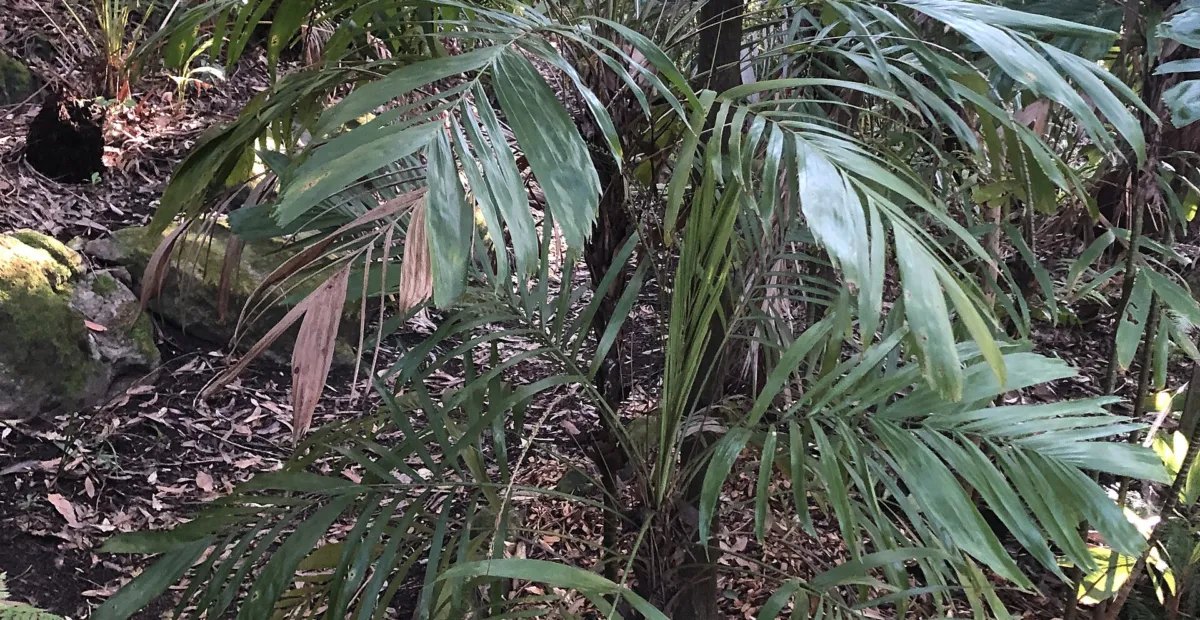
Angalow palm (Archontophoenix cunninghamiana) short overview
Angalow palm is a graceful Australian feather palm valued for its smooth gray trunk, green crownshaft, and long, finely divided evergreen fronds. In warm U.S. climates it makes a refined specimen or avenue tree, while younger plants can grow in bright conservatories or large containers. Give it steady moisture, fertile well-drained soil, protection from hard freezes, and shelter from drying winds for the healthiest growth.
Taxonomic classification
Angalow palm (Archontophoenix cunninghamiana) care guide
Light and placement
Grow in full sun to partial shade outdoors, with morning or filtered light useful for young plants and containers. A sheltered east- or south-facing position can work indoors if light is bright and indirect to filtered. Too little light produces stretched growth and weaker fronds; intense reflected heat combined with dry soil can scorch leaflets.
Watering and humidity
Water deeply whenever the upper inch or two of soil begins to dry, then allow excess water to drain fully. Keep the root zone consistently moist during hot weather and active growth, but reduce frequency in cool, dim winter conditions. Never leave a container standing in water. Higher humidity helps indoor foliage, especially near heating or air-conditioning.
Soil and growing medium
Use fertile, moisture-retentive but well-drained soil. Loam or clay loam enriched with organic matter is suitable, provided water does not remain stagnant around the roots. A mildly acidic to neutral soil reaction is generally appropriate, though the species tolerates a broader range when drainage and moisture are reliable.
Feeding
Feed established landscape palms during active growth with a controlled-release palm fertilizer containing magnesium and micronutrients. Apply according to the product label and water it in. Container plants may need a dilute palm fertilizer during spring and summer. Do not fertilize drought-stressed, newly transplanted, or cold-damaged plants until they recover.
Growth and habit
A solitary, upright palm with a moderate growth rate. It develops a tall, clean trunk as old fronds shed and maintains a compact crownshaft beneath the foliage. Consistent moisture and protection from drying wind support better leaf quality; drought, root disturbance, and hard cold can cause prolonged setbacks.
Planting and repotting
Plant in spring or early summer after cold weather has passed. Set the palm at the same depth it occupied in its nursery container; burying the trunk or crownshaft encourages decline. Water deeply during establishment and mulch broadly without touching the trunk. Allow generous clearance for the mature crown and avoid exposed, windy sites.
Repot container plants only when roots have filled the pot or growth has slowed. Move up one container size in spring, disturb the root ball as little as practical, and use a sturdy, free-draining palm or tropical-plant mix. Large specimens are best shifted by professionals because the root ball and foliage become heavy.
Propagation and pruning
Propagation
Propagate from fresh seed. Remove fruit pulp, clean the seed, and sow it in a warm, evenly moist, well-drained medium. Germination commonly takes roughly one to three months but can be irregular. Seedlings need bright light, warmth, and protection from drying out while young.
Pruning
Remove only completely dead, broken, or hazardous fronds with clean tools. Do not cut green fronds for appearance, strip the crownshaft, or climb the trunk with spikes. Remove spent inflorescences or fruit clusters when practical if litter is a concern, taking care around falling material.
Overwintering
Protect outdoor plants from freezing temperatures, cold winds, and prolonged wet-cold soil. Young palms are more vulnerable than established specimens. Move container plants indoors or into a heated greenhouse before frost, place them in the brightest available light, reduce watering in cool conditions, and check regularly for scale and mites.
Uses
Primarily an ornamental specimen, avenue, courtyard, park, and container palm. It is valued for its refined trunk and feathery crown and is also grown as a houseplant when young. The species has documented environmental and food-related uses in some databases, but this profile does not recommend consuming any part without local expert verification.
Appearance
The palm forms a single smooth gray trunk with widely spaced leaf scars and a green crownshaft. Its arching feather-like fronds are finely divided and can become several feet long, giving the crown a soft, elegant texture. Branched flower clusters emerge below the crownshaft, followed by conspicuous round red fruits.
Flowering
This monoecious palm produces branched inflorescences beneath the crownshaft, with male and female flowers on the same plant. Flowers are usually pink, lilac, mauve, or light green and are followed by round red fruits. Australian references describe autumn flowering, while cultivated plants in warm U.S. landscapes may flower from spring into summer.
Pollination and visitors
The species has separate male and female flowers on the same inflorescence and is capable of setting fruit on an individual plant. Reliable sources reviewed did not identify a consistently documented primary animal pollinator for this exact species, so no visitor group is assigned.
Archontophoenix cunninghamiana photos
Click any photo for a larger view. Source, author and license are shown separately.
Diseases and pests
Diseases
Prevent trunk and root problems by avoiding saturated soil, planting too deeply, and damaging the trunk. Watch for leaf-spot symptoms in persistently wet or poorly ventilated conditions and remove badly affected debris. Good drainage, adequate spacing, clean tools, and balanced nutrition are more useful than routine fungicide applications.
Pests
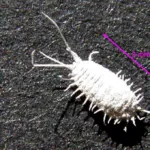
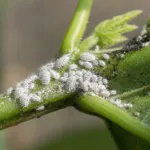
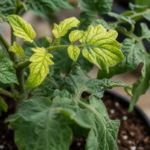
Inspect for scale insects, mealybugs, mites, and caterpillar damage, especially on stressed container plants. Wash small infestations from foliage, prune only badly damaged tissue, and improve light and air circulation. Use a labeled horticultural oil or insecticide only when needed and according to the product label.
Related diseases and pests
Only Plant Doctor profiles whose host data indicate this plant may be affected are shown here.
Toxicity and pollen
Authoritative sources reviewed do not establish a specific toxic principle for this species. Avoid treating the red fruits or any plant part as food unless locally verified, and discourage children and pets from chewing unfamiliar palm material. The main practical hazards are sharp plant debris, heavy fronds, and falling fruit rather than documented poisoning.
- Typical season
- Late winter through summer in much of the United States, varying by climate
- Pollination / pollen
- Insect-associated palm pollen; airborne relevance not well quantified
This is a flowering, seed-producing palm and therefore releases pollen, but reliable sources reviewed did not provide a species-specific U.S. airborne pollen calendar or allergenicity study. Its pollen is not classified as none; exposure is expected to be greatest when nearby plants flower, with risk varying by individual sensitivity and local abundance.
Native habitat
In its native range it grows in or near subtropical and warm-temperate rainforest, especially beside creeks, on alluvial flats, and in other moist sites. It favors fertile soils with dependable moisture and can tolerate some shade, although brighter conditions generally improve growth when water is adequate.
Interesting fact
The species is native to moist rainforest margins and creekside habitats in eastern Australia. Its stems were used by Aboriginal people for weaving, and historical surveyors reportedly used stem lengths as standard measures. The palm is monoecious, so one mature plant bears both male and female flowers. Birds and water can help disperse its red fruits.
Frequently asked questions (FAQ)
The most relevant questions about this plant, with short and direct answers.
🌱Quick care
How do you care for an angalow palm (Archontophoenix cunninghamiana)?⌄
Grow it in full sun to shade, keep the soil evenly moist, and use fertile, well-drained soil. Protect it from freezing weather and provide shelter from strong, drying winds.
Is Archontophoenix cunninghamiana a king palm or an angalow palm?⌄
Archontophoenix cunninghamiana is the angalow palm. “King palm” is also used commercially for this species, but angalow palm is the documented common name used here.
🌤️Environment and placement
How much sun does an angalow palm need?⌄
An angalow palm grows in full sun to shade. Young plants often establish well in partial or filtered shade, while mature plants can tolerate more direct sun if their soil stays consistently moist.
Can Archontophoenix cunninghamiana grow in shade?⌄
Yes, Archontophoenix cunninghamiana can grow in shade, especially bright or filtered shade. Growth is usually more upright and slender in lower light, while adequate moisture is still essential.
What USDA zone is best for an angalow palm?⌄
An angalow palm is generally best suited to warm USDA Zones 10 and 11, with some sheltered Zone 9 locations sometimes succeeding. Hardiness varies with plant age, exposure, wind, and the duration of cold.
Can an angalow palm survive frost?⌄
An angalow palm is not reliably frost hardy and should be protected from freezing weather. Mature plants may tolerate a brief light freeze better than young palms, but cold damage can still affect leaves and the crown.
Where should I plant Archontophoenix cunninghamiana outdoors?⌄
Plant it in a warm, sheltered location with full sun to shade and dependable irrigation. Leave enough room for a tall, single-trunked palm and avoid exposed sites where wind can tear its long fronds.
How tall does an angalow palm get?⌄
An angalow palm can eventually reach roughly 50 to 70 feet in favorable outdoor conditions, although height varies by climate and cultivation. Its mature crown may spread about 10 to 15 feet.
Is Archontophoenix cunninghamiana suitable for a container?⌄
Yes, young Archontophoenix cunninghamiana can be grown in a large container with fertile, well-drained potting mix and regular watering. Container plants need bright light, protection from freezing temperatures, and periodic repotting as roots fill the pot.
💧Care and problems
How often should I water an angalow palm?⌄
Water an angalow palm whenever the upper soil begins to dry, keeping the root zone evenly moist but not waterlogged. Watering frequency depends on heat, container size, soil drainage, rainfall, and whether the palm is planted in sun or shade.
Why are the leaves on my angalow palm turning brown?⌄
Brown leaves or tips commonly result from drought, low humidity, salt buildup, wind, cold injury, or root problems. Check soil moisture and drainage first, then protect the palm from freezing temperatures and harsh exposure.
Why are the leaves on my Archontophoenix cunninghamiana turning yellow?⌄
Yellowing can indicate water stress, poor drainage, nutrient deficiency, root damage, or natural aging of older fronds. If several leaves yellow at once or the spear leaf weakens, inspect the roots and crown for serious stress or disease.
Can overwatering kill an angalow palm?⌄
Yes, persistently saturated soil can damage roots and contribute to root or crown diseases. Keep the soil evenly moist rather than constantly soggy, and plant the palm in soil that drains freely.
What soil is best for Archontophoenix cunninghamiana?⌄
Use fertile, moist, well-drained loam or clay loam. The soil should retain enough moisture for steady growth while allowing excess water to drain away from the roots.
Does an angalow palm need fertilizer?⌄
An angalow palm benefits from regular palm fertilizer during active growth, especially when grown in sandy or nutrient-poor soil. Follow the product label and avoid heavy applications to drought-stressed, newly planted, or cold-damaged palms.
What pests and diseases affect Archontophoenix cunninghamiana?⌄
Angalow palms can experience general palm pests and diseases, including scale insects, leaf-spot problems, root rots, and pink rot. Good drainage, correct watering, clean pruning practices, and avoiding trunk or crown injuries reduce risk.
🪴Planting and repotting
When is the best time to plant an angalow palm?⌄
Plant an angalow palm during warm weather when the soil is workable and the palm can establish before any cold season. In the United States, timing is typically best in spring or early summer outside frost-free tropical areas.
How far apart should angalow palms be planted?⌄
Space angalow palms according to their expected mature spread, commonly about 10 to 15 feet apart for individual specimens. Increase spacing near buildings, walkways, utilities, and other trees to accommodate future trunk and canopy growth.
Can I transplant an Archontophoenix cunninghamiana?⌄
Young Archontophoenix cunninghamiana can usually be transplanted more successfully than large, established palms. Transplant during warm weather, preserve as much of the root ball as possible, replant at the original depth, and keep the soil evenly moist afterward.
✂️Propagation and pruning
How do you propagate an angalow palm?⌄
Propagate an angalow palm from fresh, fully ripe seeds. Clean the seeds, sow them in a warm, moist, well-drained medium, and maintain steady warmth because germination and early seedling growth are temperature-sensitive.
Can you grow Archontophoenix cunninghamiana from cuttings?⌄
No, Archontophoenix cunninghamiana is normally propagated from seed rather than stem or leaf cuttings. Its solitary palm growth habit does not provide the basal offsets commonly used to divide clumping palms.
How long does an angalow palm take to grow?⌄
An angalow palm can grow moderately quickly when warmth, moisture, fertile soil, and adequate light are available. It takes many years to develop a mature trunk and flowering crown, and growth is much slower in cool or dry conditions.
Should I prune an angalow palm?⌄
Prune only dead, damaged, or clearly declining fronds, using clean tools and avoiding cuts into the trunk or crownshaft. Do not remove green fronds unnecessarily, and never cut the central spear leaf unless a qualified professional diagnoses a problem.
⚠️Toxicity and safety
Is Archontophoenix cunninghamiana toxic to people or pets?⌄
No specific toxicity is established for Archontophoenix cunninghamiana, but its fruits and seeds should not be eaten unless positively identified and confirmed safe by a qualified authority. Keep fallen fruit away from children and pets because ingestion information is limited.
Are angalow palm fruits edible?⌄
Do not treat angalow palm fruits as edible. Although the red fruits are a normal feature of mature palms, reliable safety information for human or pet consumption is not established.
Are angalow palm seeds poisonous?⌄
The toxicity of angalow palm seeds is not specifically established. Avoid unverified ingestion, wear gloves when handling large quantities, and keep seeds away from children and pets.
Does Archontophoenix cunninghamiana have invasive potential?⌄
Archontophoenix cunninghamiana can spread by seed in climates where it grows well, and it has shown invasive behavior in some regions outside its native range. Remove unwanted fruiting clusters or seedlings where local environmental authorities identify it as a concern.
🌸Flowering and special interest
When does Archontophoenix cunninghamiana flower?⌄
Archontophoenix cunninghamiana generally flowers after reaching maturity, often producing lilac to lavender flower clusters in spring or early summer. Flowering age varies with climate, light, nutrition, and the plant’s growing conditions.
What fruit does an angalow palm produce?⌄
An angalow palm produces small, typically bright red fruits after flowering. The fruits contain seeds and may be produced abundantly on mature palms in favorable conditions.
Why is my angalow palm not flowering?⌄
A young angalow palm may simply be immature, since flowering generally requires a mature trunk and crown. Insufficient light, cold stress, drought, poor nutrition, or severe root problems can also delay flowering.
Similar plants
 Broadleaf lady palm or bamboo palm (Rhapis excelsa) care guideRhapis excelsa
 Nikau (Rhopalostylis sapida) care guideRhopalostylis sapida
 Foxtail Palm (Wodyetia bifurcata) care guideWodyetia bifurcata
 Walking palm (Socratea exorrhiza) care guideSocratea exorrhiza
 Puerto Rican Royal Palm (Roystonea borinquena) care guideRoystonea borinquena
 Dwarf Palmetto (Sabal minor) care guideSabal minor