
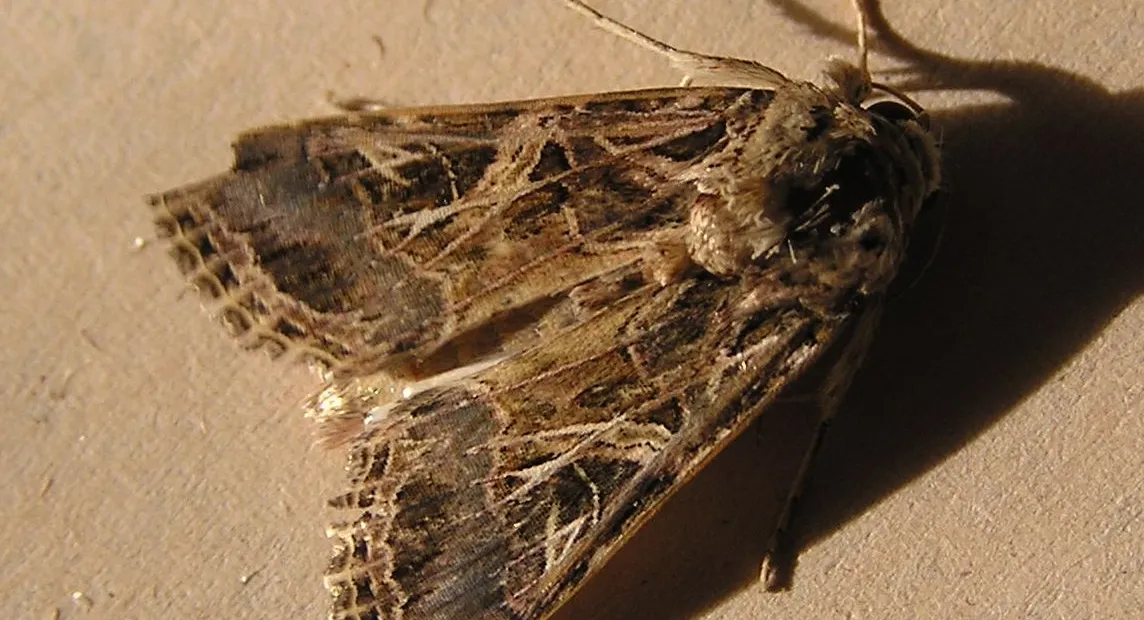
Egyptian Cotton Leafworm
Spodoptera littoralisEgyptian Cotton Leafworm overview
The Egyptian cotton leafworm, Spodoptera littoralis, is a highly polyphagous caterpillar pest of cotton, vegetables, field crops and ornamentals in Africa, the Middle East and parts of southern Europe. It is not established in the United States, where suspected findings require careful separation from native armyworms and prompt reporting to state agriculture officials or USDA APHIS.
Typical conditions
Overview
The Egyptian cotton leafworm is a serious, highly polyphagous caterpillar pest across much of Africa, the Middle East and southern Europe. Larvae can consume leaves, shoots, buds, flowers and developing fruit, and large populations may rapidly defoliate crops. Commonly documented hosts include cotton, tomato, pepper, eggplant, cabbage-group crops, lettuce, soybean, corn, rice, peanut, cucurbits, grape and citrus.
In the United States, this species is regarded as an exotic pest of regulatory concern rather than an established garden insect. Several native Spodoptera species look similar, so visual identification alone is unreliable, especially for larvae. A suspected finding should be photographed, contained and submitted to the state department of agriculture or USDA APHIS through appropriate reporting channels.
Symptoms and identification
- Young larvae scrape or skeletonize the undersides of leaves; older larvae make irregular holes and may consume most of the leaf blade.
- Heavy infestations can cause rapid defoliation, ragged foliage, exposed veins and abundant dark-green to black frass.
- Larvae may feed on stems, growing points, flower buds, flowers and fruit; young plants can be cut or severely weakened near the soil line.
- Egg masses are usually deposited on the underside of young leaves and are covered with pale or gray-brown abdominal scales from the female.
- Daytime hiding in dense foliage or loose soil and nighttime feeding are useful clues, but none is diagnostic by itself.
Armyworm damage is not sufficient for species confirmation. Confirmation may require an experienced entomologist and, in difficult cases, genitalia or DNA-based examination.
Causes and spread
Spread occurs primarily through movement of infested plants, cut flowers, foliage, produce, packing material or other commodities carrying eggs or larvae. Adult moths are strong nocturnal flyers and can disperse locally after introduction. The species is highly polyphagous, allowing it to move among vegetable fields, cotton, weeds, greenhouse crops and ornamentals.
Because similar native armyworms occur in the United States, suspected S. littoralis should not be diagnosed from chewing injury alone. Do not move suspect plants or caterpillars between properties, and contact state or federal plant-health authorities for guidance.
Life cycle and persistence
Females lay clustered eggs, commonly on the underside of younger leaves, and cover the masses with scales. Larvae pass through several molts, generally feeding on foliage at night and sheltering in foliage or soil during daylight as they become larger. Mature larvae enter the soil and form a cell or cocoon a few inches below the surface, where they pupate. Adults emerge at night, mate and lay new egg masses. In warm climates the species is multivoltine and may complete several generations annually; development slows in cooler conditions, and the exact generation time varies with temperature, host plant and season.
Treatment and control
First contain the finding. Stop movement of plants, soil, cuttings, produce and waste from the affected area, and collect representative larvae, egg masses and clear photographs for identification. On a small planting, hand-pick larvae and egg masses and place them in a sealed bag for disposal according to local regulatory instructions.
If the insect is confirmed or an official response is initiated, follow the directions of state and federal plant-health authorities. For ordinary, nonregulated armyworm damage, use an integrated program based on accurate species identification, early larval detection, removal of infested material, targeted treatment of young larvae and protection of beneficial organisms. Avoid broad, repeated sprays that can disrupt biological control and select for resistance.
Low-impact and biological control
For a confirmed nonregulated caterpillar situation, biological options are most effective against small larvae. Products based on Bacillus thuringiensis subsp. kurstaki may be useful when the product label lists the crop and target caterpillar. Some registered microbial or botanical products may also be appropriate, depending on the crop and jurisdiction.
Conserve predators and parasitoids by avoiding unnecessary broad-spectrum insecticides, reducing dust and maintaining flowering refuge plants away from production beds. Biological control agents such as egg or larval parasitoids and entomopathogenic pathogens are important natural-regulation tools in production systems, but their effectiveness depends on local registration, timing, formulation and environmental conditions. Do not release nonnative biological-control organisms without authorization.
Prevention
- Buy plants and cuttings from reputable sources and inspect incoming material, especially foliage undersides, growing points, flowers, packaging and greenhouse benches.
- Quarantine questionable shipments or newly acquired plants until they have been inspected repeatedly; do not compost suspect insects or plant material.
- Use insect-exclusion screening on greenhouses and high-value propagation areas, while maintaining screen integrity around vents, doors and loading zones.
- Scout at least weekly during warm growing conditions. Inspect leaf undersides for scale-covered egg masses, young larvae, feeding scars and frass.
- Remove weeds and volunteer crops that can bridge host plants, and destroy heavily infested annual plants after bagging or otherwise containing them.
- Use pheromone trapping only as a monitoring and detection aid; trap captures should be confirmed because related Spodoptera species may respond to similar lure components.
- In the United States, preserve a suspected specimen in a sealed container, record the host and location, and report it to the state plant regulatory agency or USDA APHIS.
Interesting facts
- The species is also known as the Egyptian cottonworm and African cotton leafworm in agricultural literature.
- It is one of the most polyphagous pests in the genus Spodoptera, with documented hosts spanning many plant families.
- Larvae may hide in soil during daylight and resume feeding after dark, which can make daytime scouting underestimate the population.
- Egyptian cotton leafworm is easily confused with Spodoptera litura and other armyworms; reliable separation may require specialist examination.
- USDA research has identified S. littoralis as a major invasive threat because the United States contains extensive cotton, vegetable, soybean, corn and ornamental production.
Use pesticides only after the insect has been correctly identified and only when a product is legally authorized for the specific crop, site and pest in the United States. Follow the current EPA-approved label exactly, including application rate, preharvest interval, reentry interval, protective equipment and restrictions for pollinators or aquatic areas. A suspected regulated occurrence may require official direction before any treatment or disposal action.
Affected plants
The plants below are linked to this problem by structured host-plant data. The list updates automatically as new plant profiles are added.
 Ethiopian Rape (Brassica carinata) care guideBrassica carinata
 Brown Mustard (Brassica juncea) care guideBrassica juncea
 Rapeseed (Brassica napus) care guideBrassica napus
 Urnip rape (Brassica rapa) care guideBrassica rapa
 Collard greens (Brassica oleracea) care guideBrassica oleracea
 Maroon cucumbe (Cucumis anguria) care guideCucumis anguria
 Horned Melon (Cucumis metuliferus) care guideCucumis metuliferus
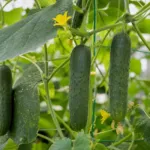 Cucumber (Cucumis sativus) care guideCucumis sativus
 Solanum aethiopicum care guideSolanum aethiopicum
 Solanum macrocarpon care guideSolanum macrocarpon
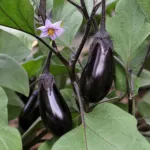 Eggplant (Solanum melongena) care guideSolanum melongena
 Garden Huckleberry (Solanum scabrum) care guideSolanum scabrum