
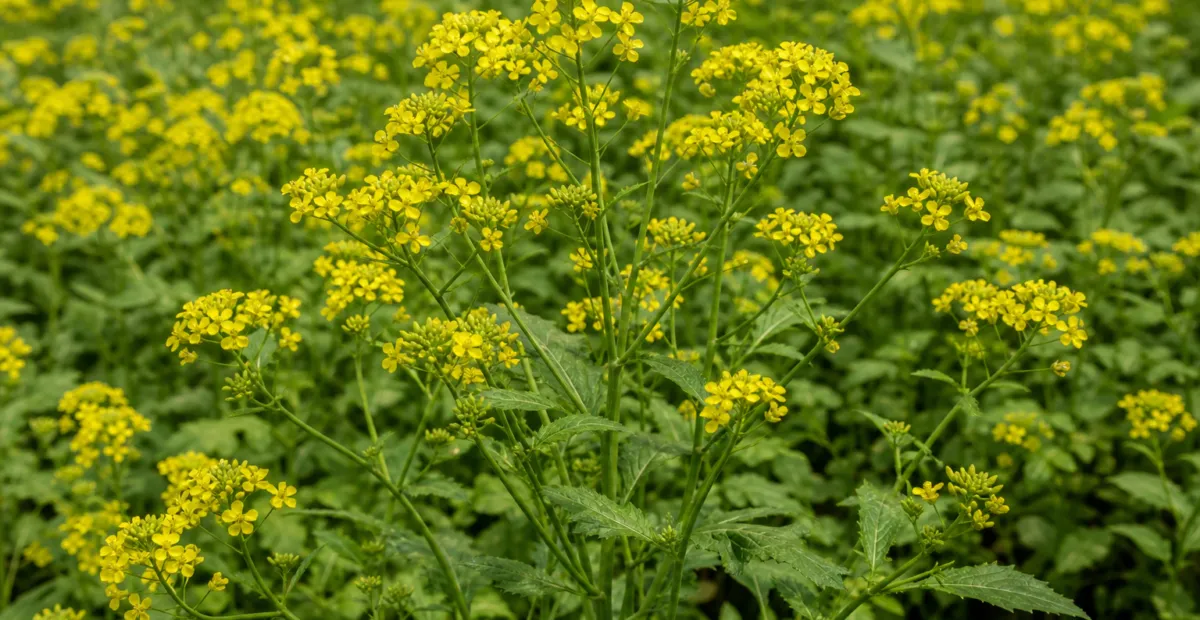
 AI-generated illustration
Brown Mustard (Brassica juncea) short overview
Brown Mustard is a cool-season annual or short-lived biennial brassica grown in the United States for peppery salad greens, cooked leaves, seed spice, oilseed production, and cover cropping. Plants form a leafy basal rosette, then send up branching stems topped with small yellow, four-petaled flowers. It grows best in full sun, fertile well-drained soil, and consistently even moisture, with the strongest leaf flavor developing in cool weather.
Taxonomic classification
Brown Mustard (Brassica juncea) care guide
Light and placement
Grow in full sun for compact plants and strong leaf production; afternoon shade is useful in hot climates or during late spring. A south- or east-facing bed is usually effective. Stretching, pale foliage and sparse growth indicate insufficient light, while scorched margins, rapid bolting and limp leaves can signal excessive heat or drought rather than excessive light alone.
Watering and humidity
Keep the root zone evenly moist but never waterlogged. Water deeply when the top inch of soil begins to dry, preferably at the base to keep foliage cleaner. Increase frequency during hot, windy weather and reduce it during cool, rainy periods. Consistent moisture helps prevent harsh flavor, premature bolting and uneven leaf growth.
Soil and growing medium
Use fertile loam or improved garden soil with abundant organic matter and reliable drainage. Heavy clay should be loosened with compost and planted in raised beds or broad ridges; very sandy soil needs added organic matter for moisture retention. A slightly acidic to neutral pH supports nutrient availability. Avoid chronically saturated ground, where roots and seedlings are prone to disease.
Feeding
Incorporate finished compost before planting. For leafy harvests, apply a balanced vegetable fertilizer at planting and, if growth is pale or slow, side-dress lightly after several weeks. Avoid heavy late nitrogen applications, which can produce soft, overly lush growth and dilute flavor. Do not fertilize drought-stressed, waterlogged or dormant plants until conditions improve.
Growth and habit
Plants begin as a low leafy rosette and become upright and branching as they mature. Harvesting outer leaves encourages continued production, but warm temperatures and increasing day length eventually promote bolting. Removing flower stalks can extend the leafy phase briefly; allowing some plants to flower provides seed and useful late-season forage for insects.
Planting and repotting
Direct sow into finely prepared soil because young plants establish quickly and transplanting is usually unnecessary. Keep the seedbed evenly moist until emergence, generally within several days. Sow successively every 2–3 weeks for a longer harvest. In hot-summer areas, prioritize late-winter, early-spring or fall sowing to reduce bolting and heat stress.
Usually grown directly in the ground or in containers and does not require repotting. If container-grown plants must be moved, transplant young seedlings before roots become crowded, using a fertile potting mix with drainage holes and a container at least 8–12 inches deep.
Propagation and pruning
Propagation
Propagate by seed. Direct sow in cool weather at ¼–½ inch deep and keep the surface evenly moist until emergence. Save seed only from healthy, true-to-type plants isolated from compatible flowering brassicas if maintaining cultivar purity matters.
Pruning
Harvest outer leaves regularly with a clean knife, leaving the central growing point intact. Remove damaged or diseased leaves promptly. If plants bolt, cut flower stalks early for tender shoots or leave selected stalks to mature seed. Remove finished plants before seed dispersal if self-sowing is unwanted.
Overwintering
In mild climates, fall-sown plants may continue producing through winter with row cover or a low tunnel. In colder areas, protect young plants with frost fabric and avoid saturated winter soil. Plants that survive may bolt early in spring, so harvest promptly or allow them to flower for seed.
Uses
Young and mature leaves are used fresh or cooked as mustard greens; flowering shoots may be harvested while tender, and seeds are used as a pungent spice or for mustard products. The species is also grown as an oilseed and as a brassica cover crop. Eat only correctly identified, cleanly grown plant material, and avoid using treated seed as food.
Appearance
Leaves are variable among cultivated forms but are commonly broad, ovate to oblong, toothed, lobed or frilled, and green to purplish. Stems are erect and may become branched, with a somewhat glaucous surface. Small bright-yellow flowers occur in elongated racemes. Narrow siliques follow flowering and contain small dark brown to blackish seeds.
Flowering
Flowering follows bolting and is favored by warm temperatures and lengthening days. Each flower typically has four yellow petals and six stamens, characteristic of the mustard family. Flowering reduces the plant's usefulness as a tender leafy vegetable but permits seed formation. Flowering time is climate- and sowing-dependent in the United States.
Pollination and visitors
Open yellow flowers provide nectar and pollen to bees, bumblebees and hoverflies. Flowering plants can contribute useful early- or late-season forage when other garden flowers are limited. Visitor activity varies with weather, local insect populations and whether the crop is allowed to bolt.
Brassica juncea photos
Click any photo for a larger view. Source, author and license are shown separately.
Diseases and pests
Diseases
Reduce disease by rotating away from brassicas for several years, using clean seed, improving drainage and watering at soil level. Watch for damping-off, downy mildew, white rust, clubroot and bacterial leaf spots. Remove badly affected plants, control weeds and avoid working among wet leaves. Do not compost diseased material if the pathogen may persist in the local garden.
Pests
Flea beetles, aphids, cabbage worms, caterpillars, slugs and snails may attack leaves. Use insect netting over young crops, remove caterpillars by hand and keep beds free of brassica weeds. Maintain consistent growth and avoid unnecessary broad-spectrum insecticides, especially while plants are flowering and attracting beneficial insects.
Related diseases and pests
Only Plant Doctor profiles whose host data indicate this plant may be affected are shown here.
 DiseaseClubrootPlasmodiophora brassicae Woronin
 PestTurnip flea beetlePhyllotreta nemorum (Linnaeus, 1758)
 DiseaseAlternaria leaf spot of brassicasAlternaria brassicae (Berk.) Sacc.
 DiseaseWhite Rust of CrucifersAlbugo candida (Pers.) Kunze
 PestLarge White ButterflyPieris brassicae
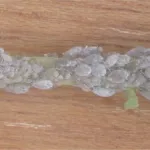 PestKáposzta-levéltetűBrevicoryne brassicae
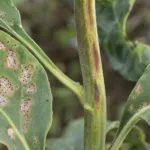 DiseaseBlackleg (Phoma stem canker)Plenodomus biglobosus (synonym: Leptosphaeria biglobosa)
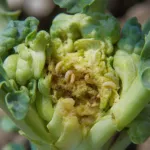 PestSwede midgeContarinia nasturtii (Kieffer)
Toxicity and pollen
Leaves and seeds are commonly eaten, but mustard products and raw plant tissues contain pungent glucosinolates and can trigger allergic reactions in sensitive people. Normal culinary use is generally tolerated, while concentrated seed preparations or very large amounts may cause irritation or digestive upset. Do not eat seed sold for planting or chemically treated seed.
- Typical season
- Usually spring to early summer when flowering; timing varies with sowing and climate.
- Pollination / pollen
- Light, dry pollen released from open flowers; mainly moved locally by insects and air currents.
Brown Mustard produces pollen during flowering, but it is primarily an insect-pollinated crop and is not generally regarded as a major airborne pollen source in most US garden settings. Sensitive individuals may still react to mustard pollen or plant handling, and mustard seed is a recognized food allergen. Avoid disturbing flowering plants if symptoms occur.
Native habitat
The species is associated with cultivated ground, disturbed sites, field margins and other open habitats. It performs best in temperate conditions with fertile, moisture-retentive but drained soils. In the United States it is widely cultivated and can escape cultivation in some regions, so prevent unwanted reseeding where it behaves weedy.
Interesting fact
Brown Mustard is an allotetraploid crop associated with the evolutionary contribution of turnip mustard and black mustard lineages. It is used both as a leafy vegetable and as a seed mustard. Many culinary cultivars differ markedly in leaf color, texture, frilling and pungency while remaining within the same species.
Frequently asked questions (FAQ)
The most relevant questions about this plant, with short and direct answers.
🌱Quick care
What is Brown Mustard (Brassica juncea)?⌄
Brown Mustard is a cool-season edible annual grown for its peppery leaves, flowers, and seeds. It belongs to the Brassicaceae family and is commonly used as mustard greens, a spice crop, or a cover crop.
How much sun does Brown Mustard need?⌄
Brown Mustard grows best in full sun, although partial shade is useful during warm weather. Provide at least 6 hours of direct sunlight for strong growth and good leaf production.
How often should I water Brown Mustard?⌄
Water Brown Mustard regularly to keep the soil consistently moist but not waterlogged. Dry conditions can slow growth and make the leaves more bitter or pungent.
Is Brown Mustard frost tolerant?⌄
Yes, Brown Mustard tolerates light frost and generally grows best in cool weather. Severe freezes can damage plants, so protection may be needed in colder USDA growing zones.
🌤️Environment and placement
What temperature is best for growing Brown Mustard?⌄
Brown Mustard prefers cool growing conditions, generally from about 45°F to 70°F. Hot weather encourages bolting and can produce tougher leaves with a stronger flavor.
Can Brown Mustard grow in partial shade?⌄
Yes, Brown Mustard can grow in partial shade, especially during hot weather. Some afternoon shade may help keep young greens tender and delay bolting.
What type of soil does Brown Mustard need?⌄
Brown Mustard prefers fertile, well-drained loam that holds steady moisture without becoming soggy. A slightly acidic to neutral soil, roughly pH 6.0 to 7.0, is generally suitable.
Can Brown Mustard be grown in containers?⌄
Yes, Brown Mustard grows well in containers with fertile, well-drained potting mix and drainage holes. Choose a container at least 8 to 12 inches deep and keep the mix evenly moist.
💧Care and problems
Why is my Brown Mustard bolting?⌄
Brown Mustard usually bolts because of rising temperatures, long days, drought stress, or plant maturity. Harvest leaves promptly, provide consistent moisture, and use afternoon shade to delay flowering.
How do I make Brown Mustard leaves less bitter?⌄
Grow Brown Mustard rapidly in cool weather and keep it evenly watered to reduce bitterness. Harvest young leaves before hot weather or flowering, when flavor is usually milder.
What pests attack Brown Mustard?⌄
Common Brown Mustard pests include flea beetles, aphids, caterpillars, slugs, and snails. Row covers, hand removal, weed control, and regular inspection can help limit damage.
What diseases affect Brown Mustard?⌄
Brown Mustard can develop fungal and bacterial problems such as downy mildew, leaf spot, and soft rot, particularly in crowded or wet conditions. Improve air circulation, water at the soil line, and rotate crops in the Brassicaceae family.
How can I protect Brown Mustard from flea beetles?⌄
Protect Brown Mustard from flea beetles with lightweight floating row cover installed soon after planting. Remove plant debris, control weeds, and keep seedlings growing steadily so they outgrow minor feeding damage.
How do I harvest Brown Mustard greens?⌄
Harvest Brown Mustard by picking outer leaves when they are young and tender, or cut the whole plant several inches above the soil. Frequent harvesting encourages additional leaf production when growing conditions remain cool.
Can Brown Mustard survive winter in the United States?⌄
Brown Mustard may survive mild winters, but it is generally grown as a cool-season annual in the United States. Winter survival depends on the cultivar, local USDA zone, snow cover, and severity of freezes.
🪴Planting and repotting
When should I plant Brown Mustard?⌄
Plant Brown Mustard in early spring or late summer through fall, timing the crop for cool weather. In many U.S. gardens, sowing about 3 weeks before the expected last spring frost or several weeks before fall frost works well.
How deep should I plant Brown Mustard seeds?⌄
Sow Brown Mustard seeds about ¼ to ½ inch deep in fine, moist soil. Seeds commonly emerge in approximately 3 to 7 days when temperatures are suitable.
How far apart should Brown Mustard plants be spaced?⌄
Space Brown Mustard plants about 4 to 8 inches apart for mature greens, with rows roughly 12 to 16 inches apart. Use closer spacing for baby-leaf harvests and thin seedlings as they grow.
Can I succession-plant Brown Mustard?⌄
Yes, sow a small amount of Brown Mustard every 2 to 3 weeks during the cool season for a steady harvest. Stop or reduce sowing when temperatures are consistently hot because seedlings may bolt quickly.
Can Brown Mustard be transplanted?⌄
Yes, Brown Mustard can be transplanted, although direct sowing is often easiest. Transplant young seedlings carefully and water them consistently while they establish.
Should Brown Mustard be fertilized?⌄
Fertilize Brown Mustard if the soil is poor or plant growth is pale and slow. Incorporating compost before planting and applying a balanced vegetable fertilizer according to its label are usually sufficient.
✂️Propagation and pruning
How do I grow Brown Mustard from seed?⌄
Grow Brown Mustard from seed by sowing directly into fertile, moist soil ¼ to ½ inch deep. Thin crowded seedlings, keep the soil evenly moist, and harvest leaves as they reach the desired size.
Can I save seeds from Brown Mustard?⌄
Yes, you can save Brown Mustard seeds by allowing mature seed pods to dry on the plant, then collecting and drying the seeds further before storage. Prevent unwanted self-sowing because the plant can readily volunteer.
Does Brown Mustard self-seed?⌄
Yes, Brown Mustard can self-seed if mature pods are left on the plant. Remove flowering stems before seeds ripen if you want to prevent volunteer plants.
Should I prune Brown Mustard?⌄
Brown Mustard does not require ornamental pruning, but harvesting outer leaves and removing damaged foliage improves the crop. Remove flowering plants when you want to prolong leaf production or prevent seed dispersal.
⚠️Toxicity and safety
Is Brown Mustard edible?⌄
Yes, Brown Mustard leaves, flowers, and seeds are generally edible when correctly identified and grown in uncontaminated soil. Young leaves can be eaten raw, while mature leaves are commonly cooked.
Can people be allergic to Brown Mustard?⌄
Yes, Brown Mustard can trigger mustard or food-allergy reactions in sensitive people. Anyone with a known mustard allergy should avoid the leaves, flowers, seeds, and products made from them.
Is Brown Mustard safe for pets?⌄
Brown Mustard is a food plant, but large amounts of mustard foliage or seeds may irritate the digestive system of animals. Keep concentrated seed products away from pets and contact a veterinarian if ingestion causes symptoms.
Can Brown Mustard be grown in contaminated soil?⌄
No, Brown Mustard should not be grown for eating in contaminated soil because it can take up certain heavy metals. Use clean garden soil or a raised bed with known, uncontaminated growing media.
Is Brown Mustard invasive in the United States?⌄
Brown Mustard is cultivated across the United States but can escape and behave as a weed in some regions. Check local regulations, prevent seed production if necessary, and do not dispose of mature seed heads in natural areas.
🌸Flowering and special interest
What do Brown Mustard flowers look like?⌄
Brown Mustard produces small yellow flowers in branched clusters above the foliage. Flowering usually signals that the plant is bolting and that older leaves may become stronger in flavor.
Can I eat Brown Mustard flowers?⌄
Yes, Brown Mustard flowers are generally edible and have a mild to spicy mustard flavor. Harvest them from plants grown in clean soil and avoid any flowers exposed to pesticides not labeled for edible crops.
How do I stop Brown Mustard from flowering?⌄
You can delay flowering by growing Brown Mustard during cool weather, maintaining even soil moisture, and providing some afternoon shade. Once a flower stalk appears, harvest promptly because bolting cannot usually be reversed.
Do Brown Mustard flowers attract pollinators?⌄
Yes, Brown Mustard flowers can attract bees and other beneficial insects. Leave selected plants flowering if you want pollinator value, but remove the seed pods before they mature if you do not want self-seeding.
Similar plants
 Azure Monkshood (Aconitum carmichaelii) care guideAconitum carmichaelii
 Monkshood (Aconitum ‘Stainless Steel’)Aconitum 'Stainless Steel'
 Monkshood (Aconitum ‘Bressingham Spire’)Aconitum 'Bressingham Spire'
 Golden full moon maple (Acer shirasawanum ‘Aureum’)Acer shirasawanum 'Aureum'
 Globosum (Acer platanoides ‘Globosum’)Acer platanoides 'Globosum'
 Striped maple (Acer pensylvanicum) care guideAcer pensylvanicum