
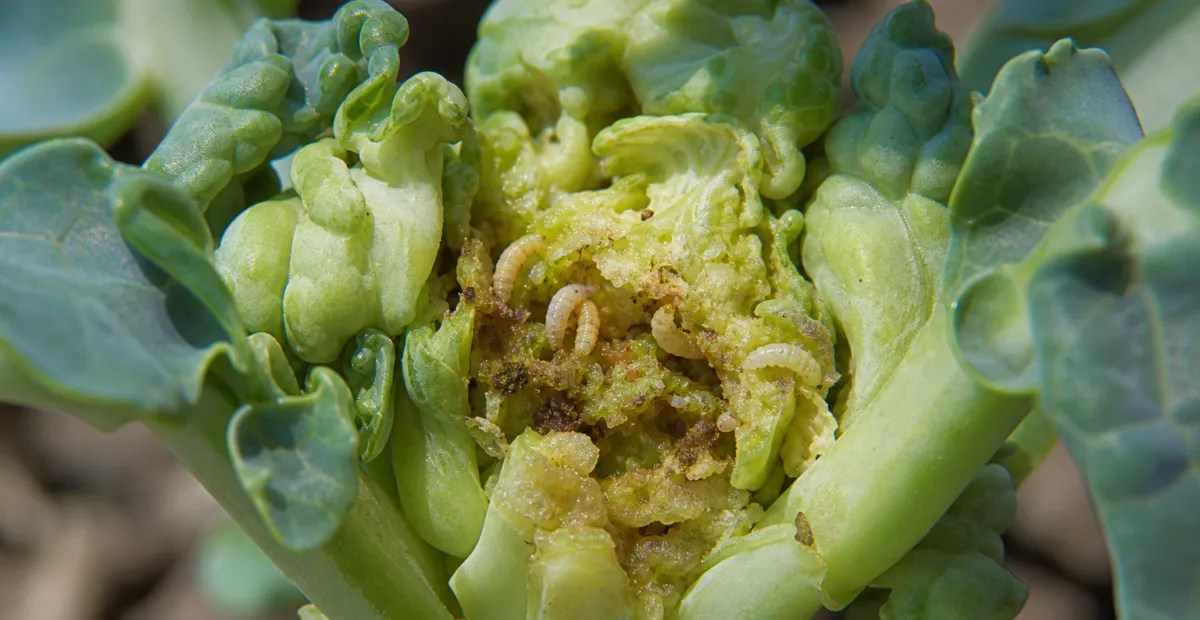
Swede midge
Contarinia nasturtii (Kieffer)Swede midge overview
Swede midge, Contarinia nasturtii, is a tiny invasive fly whose larvae feed on the growing points of cabbage-family crops. Injury causes puckered, swollen or scarred leaves, distorted shoots, blind heads and, in severe cases, death of the main growing point. Because symptoms can resemble frost, slugs, mechanical injury or nutrient problems, confirmation is strongest when larvae are found in damaged tissue or adults are detected with pheromone traps.
Typical conditions
Overview
Adults are delicate, light-brown flies about 0.06–0.08 inch long and are difficult to distinguish from related midges without expert examination. The damaging stage is the larva, which gathers in young growing tissue rather than feeding openly on mature leaves.
Commonly affected crops include broccoli, cauliflower, cabbage, Brussels sprouts, kale, collards, kohlrabi, Chinese cabbage and related Brassica vegetables. Canola and several cruciferous weeds can also maintain populations. Damage is most serious when young plants are attacked before the growing point has developed.
Symptoms and identification
Typical symptoms begin in the youngest tissue:
- puckered, crinkled, swollen or twisted young leaves;
- brown scarring or corky tissue along leaf margins, petioles, shoots or developing heads;
- multiple distorted shoots or a dead central growing point;
- blind, misshapen or absent heads in broccoli, cauliflower and cabbage;
- delayed bolting and branching in canola or other seed crops.
Symptoms may appear several days after feeding and can remain visible until harvest. Open the affected growing point and inspect with a hand lens for tiny cream-to-yellow larvae. Larvae may have left the plant by the time symptoms are noticed, so visual symptoms alone are not definitive.
Causes and spread
Adult females lay clusters of eggs on actively growing Brassica tissue. Larvae feed concealed within the meristem and nearby young leaves, causing abnormal growth. Infestation can spread through infested transplants, movement of adults from nearby fields, wind-assisted dispersal and repeated planting of Brassica crops in the same area.
Volunteer Brassica plants and weeds such as shepherd’s purse, wild mustard, yellow rocket, field pennycress and field peppergrass may serve as reservoirs. The pest is not a fungal or bacterial disease and does not spread through seed in the manner of a plant pathogen, although contaminated plant material can transport adults or larvae.
Life cycle and persistence
In the United States, seasonal timing varies with latitude and weather. Adults commonly begin emerging from soil in mid- to late spring, and several overlapping generations may develop from late spring through fall. Adults live only about 1–3 days, mate soon after emergence and females place eggs in clusters on the youngest plant tissue.
Eggs hatch into larvae that feed in the growing point for roughly 1–3 weeks, depending on temperature. Mature larvae drop to the upper soil layer and form cocoons, where they pupate before the next generation emerges. Some larvae enter diapause and may remain in the soil through more than one winter, which makes a single-year rotation unreliable in heavily infested sites.
Treatment and control
Remove and destroy badly damaged young plants when practical, particularly in a home garden or small planting. Do not compost heavily infested plants unless the composting process reliably reaches temperatures that destroy insects; disposal methods should prevent larvae from returning to soil.
For commercial or high-value plantings, base intervention on confirmed local presence, pheromone-trap captures, crop stage and extension recommendations. Row covers or insect-exclusion fabric can protect plants when installed before adult activity and secured so adults are not trapped beneath the cover. Insecticides are generally more effective when timed to adult activity and egg-laying than after larvae are protected inside the growing point, but product performance and registration vary by crop and state.
Low-impact and biological control
Organic and reduced-risk management relies mainly on exclusion and population suppression:
- Use insect-free transplants and floating row covers or fine-mesh insect netting installed before adult emergence.
- Maintain a strict Brassica-free interval and remove host weeds and volunteer plants.
- Destroy infested crop residues immediately after harvest.
- Use pheromone traps for monitoring; traps help detect activity but do not by themselves provide reliable control.
- Consider early-season production and spatial separation from previous Brassica plantings.
- Conserve beneficial insects, although biological control is not yet a dependable stand-alone treatment for swede midge in U.S. gardens.
Prevention
Use an integrated prevention strategy:
- Start with clean, insect-free transplants; grow Brassica transplants from seed when practical.
- Rotate Brassica crops away from infested ground. On small farms, a separation of at least 500 feet for approximately 2–3 months can reduce local exposure, while heavily infested sites may require a longer, wider break; local conditions and field history matter.
- Remove and destroy crop residues, volunteer Brassicas and regrowth promptly after harvest.
- Control cruciferous weeds around production areas, especially shepherd’s purse, wild mustard, yellow rocket, field pennycress and field peppergrass.
- Favor earlier plantings where suitable, because older plants generally tolerate attack better than seedlings and young transplants.
- Use pheromone traps and local extension advisories to detect adult activity before symptoms become widespread.
Interesting facts
Swede midge was first detected in North America in Ontario in 2000 and in the United States in Niagara County, New York, in 2004. The insect is only a few hundredths of an inch long, yet one larva can make a heading Brassica crop unmarketable.
Adults are weak fliers but can move several hundred yards and may be carried farther by wind. Some soil-inhabiting larvae can remain dormant for two winters or longer, helping explain why short rotations sometimes fail. Damage can be confused with frost, slugs, rodents, cultivation injury or nutrient disorders, so confirmation is important before applying treatments.
Use only insecticide products legally authorized and currently labeled for swede midge on the specific crop in your U.S. state. Follow the current label exactly, including rate, timing, personal protective equipment, preharvest interval, reentry interval and pollinator precautions. Do not apply a product merely because it is labeled for another Brassica pest. Contact your state Cooperative Extension service for current registration and resistance-management guidance.
Affected plants
The plants below are linked to this problem by structured host-plant data. The list updates automatically as new plant profiles are added.
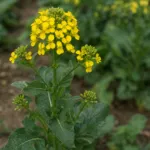 Ethiopian Rape (Brassica carinata) care guideBrassica carinata
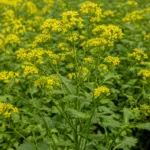 Brown Mustard (Brassica juncea) care guideBrassica juncea
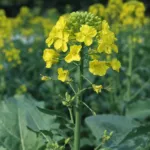 Rapeseed (Brassica napus) care guideBrassica napus
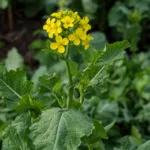 Urnip rape (Brassica rapa) care guideBrassica rapa
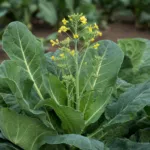 Collard greens (Brassica oleracea) care guideBrassica oleracea
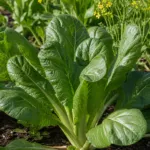 Integrifolia Group (Brassica juncea Integrifolia Group)Brassica juncea Integrifolia Group
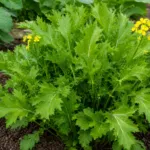 Multiceps Group (Brassica juncea Multiceps Group)Brassica juncea Multiceps Group
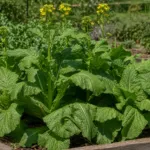 Broad-leaved mustard (Brassica juncea Rugosa Group)Brassica juncea Rugosa Group
 Black Mustard (Brassica nigra) care guideBrassica nigra
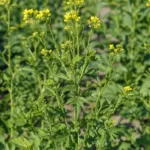 White Mustard (Sinapis alba) care guideSinapis alba