
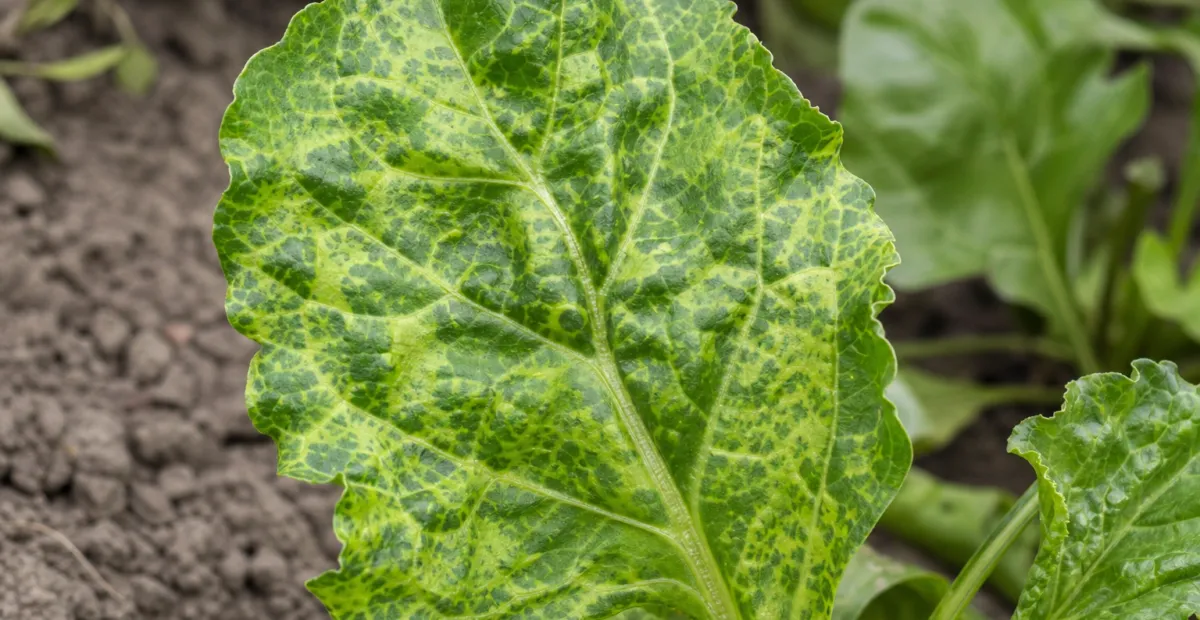
Beet mosaic
Potyvirus betaceumBeet mosaic overview
Beet mosaic is a viral disease caused by Beet mosaic virus, now classified as Potyvirus betaceum. It mainly affects sugar beet, garden beet and related beet crops, with spinach and some experimentally infected weeds also reported as hosts. Young leaves may show vein clearing and pale spots, followed by light-and-dark green mosaic, puckering and occasional stunting. Aphids spread the virus rapidly during brief feeding probes, so sanitation and crop timing are central to management.
Typical conditions
Overview
Beet mosaic virus, abbreviated BtMV, is a positive-sense RNA potyvirus associated primarily with Beta vulgaris, including sugar beet, garden beet and leafy beet forms. In the United States it is a recognized aphid-borne virus of beet crops, but symptom severity and host range can vary among virus isolates and cultivars.
Symptoms commonly begin on younger leaves as vein clearing, pale circular spots or chlorotic flecks. As leaves expand, affected tissue may develop a light-and-dark green mosaic, puckering and occasional distortion. Early infection can reduce plant vigor and yield; mixed infection with other beet viruses may produce substantially more severe stunting.
Visual diagnosis is not definitive because several beet viruses and abiotic problems can produce chlorosis or mosaic-like patterns. Laboratory testing is advisable when symptoms are unusual, widespread or economically important.
Symptoms and identification
- Young leaves may show translucent vein clearing, small pale spots, chlorotic flecks or yellow rings with green centers.
- Older leaves can develop irregular light-and-dark green mosaic, mottling, puckering and mild curling or distortion.
- Plants infected at the seedling stage may be stunted and produce lower root, foliage or seed yields.
- Spinach may develop numerous yellow flecks that merge into chlorotic areas, followed by necrosis and stunting.
- Symptoms can fade as leaves mature, and mixed infections may intensify yellowing or stunting.
Causes and spread
The causal virus is introduced when an aphid probes an infected beet or susceptible host and then probes a healthy plant. Green peach aphid and black bean aphid are important documented vectors in beet systems, while several additional aphid species can transmit the virus experimentally or under controlled conditions.
Sources include infected sugar beet, garden beet, leafy beet, spinach and some infected weeds. Closely timed or overlapping beet crops allow infected plants to bridge one production cycle to the next. Mechanical sap transfer is possible through inoculation and contaminated handling, but ordinary garden contact is generally less important than aphid movement.
Life cycle and persistence
BtMV survives in living infected plants rather than multiplying in dead plant debris. Infected beet plants, volunteer beets and some weed hosts can act as virus reservoirs. Aphids acquire virus during brief probes and can transmit it during subsequent probes without a latent period; retention is generally short, although transmission by individual aphid species can persist for hours.
Several aphids have been shown to transmit BtMV, including green peach aphid (Myzus persicae), black bean aphid (Aphis fabae), pea aphid (Acyrthosiphon pisum), potato aphid (Macrosiphum euphorbiae), English grain aphid (Metopolophium dirhodum) and bird cherry-oat aphid (Rhopalosiphum padi). Aphids moving from infected overwintering hosts into young beet crops are especially important. Sap transmission can occur through handling or inoculation, but aphid transmission is the principal field pathway.
Treatment and control
Plants already infected with Beet mosaic virus cannot be cured. Remove severely symptomatic plants, including roots when practical, and dispose of them in sealed bags or according to local plant-health guidance. Do not save seed or cuttings from suspect plants.
For remaining plants, reduce secondary spread by removing nearby virus reservoirs, managing aphid pressure through an integrated program and avoiding unnecessary handling of foliage. If a crop has extensive symptoms, submit representative symptomatic tissue to a university or state plant diagnostic laboratory; testing may distinguish BtMV from beet yellows, beet western yellows, beet chlorosis, curly top, other viruses and noninfectious causes.
Low-impact and biological control
There is no organic spray that cures an infected beet plant. Reduce primary inoculum and aphid-mediated spread with an integrated approach:
- Use clean seed and healthy transplants from reputable sources; do not propagate from symptomatic plants.
- Remove and bag strongly symptomatic plants promptly, especially early in the crop, and do not compost them if living tissue could survive.
- Eliminate volunteer, escaped and overwintered beets near production areas before planting the next beet crop.
- Control beet-family weeds and other confirmed or suspected reservoir plants around the crop, while avoiding unnecessary broad-spectrum insecticide use that can disrupt natural enemies.
- Use insect-exclusion row cover over small plantings, removing it during flowering if needed for pollination and ensuring aphids are not trapped underneath.
- Use reflective mulch where practical and schedule planting to avoid periods of heavy migrating aphid activity; local extension timing recommendations are preferable to a universal calendar.
- Inspect young leaves frequently and remove isolated suspect plants before aphid movement distributes infection.
Prevention
Begin with clean planting material and a planned beet-free interval between crops where feasible. Remove volunteer and overwintered beets, inspect field margins for infected beet relatives, and avoid planting a new beet crop directly beside an older infected crop.
- Scout seedlings and young leaves weekly for vein clearing, pale spots and mosaic.
- Rogue symptomatic plants early and remove them from the site.
- Use row covers or screened production areas for high-value garden plantings.
- Manage aphids according to monitoring thresholds and local extension guidance, recognizing that insecticide knockdown may not prevent transmission by brief probes.
- Separate suspect plants from propagation stock and clean tools between handling lots.
Interesting facts
- BtMV is currently placed by NCBI taxonomy in the genus Potyvirus and species Potyvirus betaceum; older literature commonly uses the name Beet mosaic virus.
- Young leaves are often more diagnostically useful than mature leaves, although symptoms may fade with age.
- Transmission is nonpersistent: aphids can spread the virus after very short acquisition and inoculation probes.
- Infection by itself may be modest, but co-infection with other aphid-transmitted beet viruses can greatly increase stunting and yield loss.
- Host-range reports include many experimental infections, so a reported host should not automatically be assumed to be an important natural reservoir.
No pesticide cures an infected plant or eradicates Beet mosaic virus. In the United States, use only products legally authorized and currently labeled for the specific crop, pest and application site in your state; follow the current label exactly. Because transmission is nonpersistent, insecticides may not reliably prevent infection after aphids begin probing. Prioritize sanitation, exclusion, crop timing and removal of virus sources.
Affected plants
The plants below are linked to this problem by structured host-plant data. The list updates automatically as new plant profiles are added.
 Love-lies-bleeding (Amaranthus caudatus) care guideAmaranthus caudatus
 Edible amaranth (Amaranthus tricolor) care guideAmaranthus tricolor
 Purple amaranth (Amaranthus blitum) care guideAmaranthus blitum
 Amaranth (Amaranthus cruentus) care guideAmaranthus cruentus
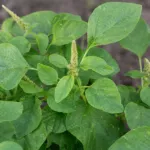 Amaranth (Amaranthus dubius) care guideAmaranthus dubius
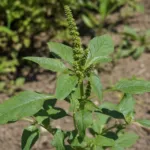 Smooth Pigweed (Amaranthus hybridus) care guideAmaranthus hybridus
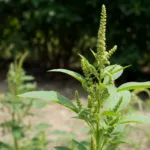 Slender amaranth or green amaranth (Amaranthus viridis) care guideAmaranthus viridis
 Beet (Beta vulgaris) care guideBeta vulgaris
 Ullucus (Ullucus tuberosus) care guideUllucus tuberosus
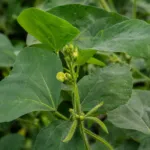 Black Gram (Vigna mungo) care guideVigna mungo
 Creole-bean (Vigna reflexopilosa) care guideVigna reflexopilosa
 String Bean (Phaseolus vulgaris) care guidePhaseolus vulgaris