Ullucus (Ullucus tuberosus) short overview
Ullucus tuberosus is a cool-climate Andean crop cultivated for its brightly colored, crisp tubers and edible, spinach-like leaves. Also called Ullucus in the United States profile system, it grows as a low, spreading herb that forms tubers on underground stolons. Plant tubers after frost in fertile, moisture-retentive soil, then harvest in fall before hard freezes. Long days, summer heat, and early frost can limit production outside highland conditions.
Taxonomic classification
Ullucus (Ullucus tuberosus) care guide
Light and placement
Give full sun where summers are cool. In hot-summer areas, use morning sun with light afternoon shade or a west-shielded bed. Thin, weak growth and poor tuber formation can indicate inadequate light, while scorched leaves, midday wilt, and stalled growth suggest excessive heat or intense exposure. Mulch helps moderate the root zone.
Watering and humidity
Water deeply when the upper inch of soil begins to dry, keeping the root zone consistently moist but never saturated. Increase frequency during hot or windy weather and reduce it near harvest as foliage declines, while avoiding severe drought. Container plants may need daily checks in summer. Good drainage is essential because wet tubers and roots can rot.
Soil and growing medium
Use fertile loam or sandy loam that holds even moisture but drains freely. Incorporate mature compost before planting, and avoid compacted clay or beds that stay waterlogged. A slightly acidic to neutral soil reaction is suitable. Raised beds or large containers help warm, wet sites drain while preserving moisture around the developing stolons.
Feeding
Mix mature compost into the bed before planting. If plants remain pale after establishment, apply a balanced vegetable fertilizer at half the label rate, keeping granules away from stems. Avoid high-nitrogen feeding late in the season because lush foliage can delay or reduce tuber maturation. Do not fertilize drought-stressed or waterlogged plants.
Growth and habit
This tuberous geophyte produces succulent stems that may begin relatively upright and become spreading or trailing later in the season. Underground stolons develop from the leaf axils and swell into harvestable tubers. In climates with hot summers, afternoon shade and mulch can reduce stress and help maintain the cool, moist conditions favored by the crop.
Planting and repotting
Plant sound tubers outdoors after the last spring frost, when soil has warmed and nights are no longer cold. Set each tuber about 2–3 inches deep with buds upward, then cover lightly and keep evenly moist. Allow roughly 12–18 inches between plants and provide room for stems to spread. In short-season areas, start tubers in containers several weeks early.
For containers, transplant only while plants are small and handle the root zone gently. Use a deep, wide container with drainage holes and refresh the upper soil or move plants into a larger vessel before vigorous stolon and tuber formation. Avoid disturbing plants late in the season, when tubers are enlarging.
Propagation and pruning
Propagation
Vegetative propagation from healthy tubers is the standard method. Plant whole small tubers or pieces with viable eyes after frost danger has passed. Seed propagation is possible but difficult: flowering is common in some clones, while fruit set, seed viability, and germination are usually very low. Cross-pollination and hand pollination may improve seed production in breeding work.
Pruning
Remove damaged or diseased stems during the growing season. Avoid heavy pruning because the foliage supplies energy for tuber development. Cut the plant back after frost has naturally ended the season, then lift or harvest tubers before severe freezing.
Overwintering
In USDA Zones 9–11, protect plants from occasional light frost with horticultural fleece or containers that can be moved under cover. In colder areas, harvest tubers before hard frost and store sound, dry tubers in a cool, dark, frost-free place. Replant healthy tubers the following spring; do not store them wet or chilled to freezing.
Uses
Primarily grown as a vegetable for its crisp, starchy tubers, which may be boiled, fried, pickled, dried, or eaten fresh depending on cultivar and culinary tradition. Young leaves can be cooked or used like a leafy green. In the United States it is mainly a specialty crop for gardeners, seed savers, and growers interested in Andean food plants; medicinal claims are not included.
Appearance
Leaves are alternate, long-petioled, entire, and heart-shaped to somewhat sagittate at the base. Stems are smooth and succulent, with axillary stolons that produce tubers below ground. Tubers range from globose to elongated and may be white, yellow, green, pink, orange, or purple, making mature planting stock highly variable in appearance.
Flowering
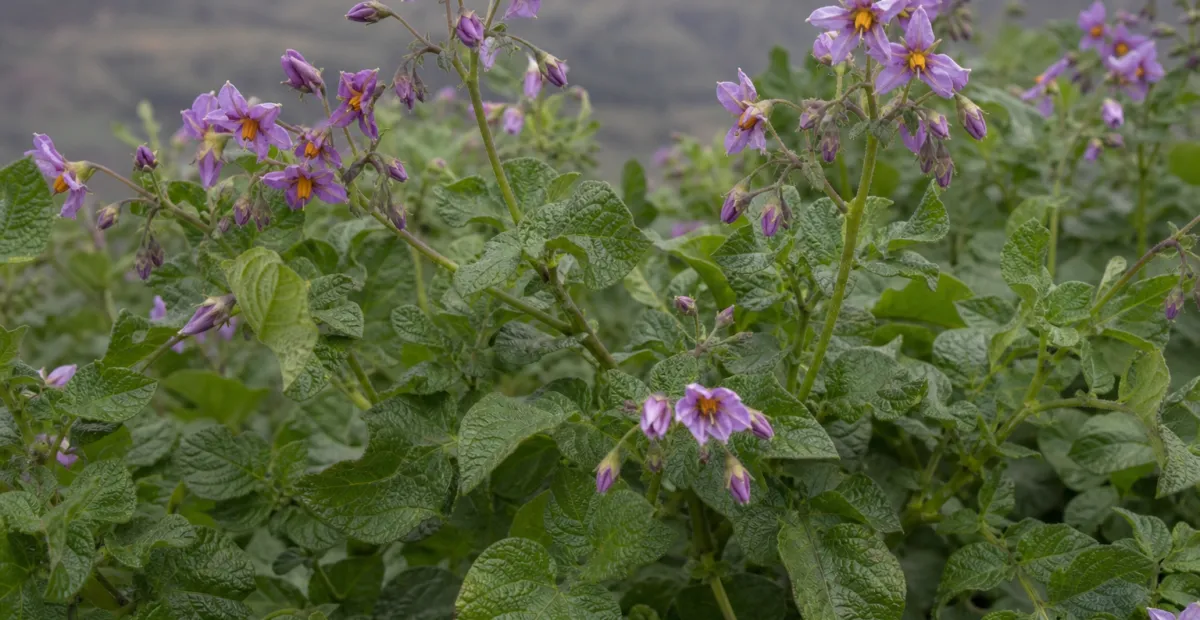
Small axillary flowers are produced on slender stalks. The perianth is yellowish to reddish or greenish, with narrow, pointed segments and unusual apical tails. Flowering may begin about two months after planting, but fruit and viable seed are rarely produced in ordinary cultivation.
Pollination and visitors
Specialist horticultural observations report little pollinator interest, with occasional visits by ants and limited evidence for other insects. Flowers often fail to develop viable seed, so tuber propagation remains the dependable production method.
Ullucus tuberosus photos
Click any photo for a larger view. Source, author and license are shown separately.
Diseases and pests
Diseases
Use virus-free or visibly healthy tubers, remove weak plants, and avoid carrying volunteer plants or contaminated tools between beds. Viral problems are a major concern because ulluco is commonly propagated vegetatively. Improve airflow, avoid excessive wetness, and discard plants showing persistent mosaic, distortion, or severe stunting rather than saving their tubers for propagation.
Pests
Inspect plants and tubers for chewing injury, soft rot, wilting, and virus-like mosaic. Use clean planting stock, remove crop residues, control weeds that harbor pests, and avoid saving tubers from visibly diseased plants. Specific pest pressure varies by region; consult local extension guidance before applying any treatment.
Toxicity and pollen
No strong evidence of inherent human or pet toxicity was identified for the species, which is cultivated as a food plant. Edible use should be limited to correctly identified, properly grown material. Tubers and leaves may contain oxalates or other antinutritional compounds that vary by clone and preparation; people prone to oxalate-related kidney stones should seek dietary advice and avoid relying on raw or unfamiliar material.
- Typical season
- Late summer to fall when plants flower; local timing varies.
- Pollination / pollen
- Small-flowered, insect-associated pollen; airborne exposure is expected to be limited.
The species produces pollen as a flowering plant, but no reliable evidence indicates a major airborne-allergen role in the United States. Flowers are small and insect-associated, so garden exposure is expected to be limited; sensitive individuals should still avoid direct contact with flowering plants if symptoms occur.
Native habitat
Native populations and cultivated forms are associated with the high Andes of Peru, Bolivia, northern Argentina, and nearby Andean regions, generally at elevations around 7,400–11,150 feet. The plant is adapted to cool, seasonally moist highland conditions and fertile, well-drained soils rather than prolonged heat or waterlogging.
Interesting fact
The genus Ullucus is monotypic, containing only Ullucus tuberosus.
Cultivated plants form tubers on stolons arising from leaf axils.
The species is native to high-elevation Andean regions.
Flowers may be abundant while viable seed remains extremely rare.
Tubers can be spherical, elongated, and vividly colored.
Frequently asked questions (FAQ)
The most relevant questions about this plant, with short and direct answers.
🌱Quick care
How do you grow Ullucus tuberosus in the United States?⌄
Grow Ullucus in fertile, moisture-retentive but well-drained soil, with evenly moist conditions and a long, cool growing season. Plant healthy tubers in spring and protect the crop from hard freezes.
Is Ullucus tuberosus easy to grow?⌄
Ullucus is moderately challenging because it needs consistent moisture, cool conditions, and a long season for tuber formation. It is usually more successful in cool-summer areas or with afternoon shade in warmer regions.
Is Ullucus tuberosus perennial?⌄
Ullucus is botanically a perennial, but it is usually grown as a frost-tender annual crop in the United States. In climates without hard freezes, tubers can remain in the soil and regrow, provided they do not rot.
🌤️Environment and placement
Does Ullucus tuberosus need full sun or shade?⌄
Ullucus grows in full sun to partial shade. Use full sun where summers are cool, but provide afternoon shade when temperatures regularly exceed about 75°F to reduce heat stress.
What climate is best for growing Ullucus tuberosus?⌄
The best climate has cool summers, reliable moisture, and a long frost-free period. In much of the United States, coastal or high-elevation conditions are more suitable than hot, dry summer regions.
Can Ullucus tuberosus grow in USDA Zone 6?⌄
Ullucus may grow in USDA Zone 6 as a seasonal crop if planted after the last spring frost and harvested before hard freezing. Start tubers early in containers or indoors when necessary to extend the growing season.
Can Ullucus tuberosus tolerate heat?⌄
Ullucus tolerates some heat but generally yields poorly when summers are hot, especially if the soil dries out. Provide afternoon shade, mulch, and dependable irrigation in warmer parts of the United States.
💧Care and problems
How often should you water Ullucus tuberosus?⌄
Water whenever the soil surface begins to dry, keeping the root zone evenly moist throughout the season. Mulch can reduce evaporation, but do not allow water to stand around the tubers.
How long does Ullucus tuberosus take to produce tubers?⌄
Ullucus commonly needs about five to eight months from planting to harvest, although timing varies by variety and climate. Tuber formation increases as days shorten in late summer and fall.
Why is my Ullucus tuberosus not producing tubers?⌄
The most common causes are excessive heat, an overly short growing season, insufficient moisture, or harvesting before short days trigger tuber formation. Keep plants growing steadily and delay harvest until the foliage declines or frost threatens.
Does Ullucus tuberosus need fertilizer?⌄
Ullucus benefits from fertile soil amended with compost before planting. If growth is weak, apply a balanced vegetable fertilizer according to its label, but avoid excessive nitrogen because it can favor foliage over tuber production.
What pests and diseases affect Ullucus tuberosus?⌄
Specific pest and disease problems vary by location, but slugs, snails, chewing insects, and soil-borne rots can occur. Inspect plants regularly, improve drainage, remove damaged tissue, and avoid planting diseased tubers.
When should you harvest Ullucus tuberosus?⌄
Harvest Ullucus tubers in late fall after several months of growth, when the days have shortened and the foliage begins to decline. Dig before the ground freezes hard, since the crop is frost-tender.
How do you harvest Ullucus tuberosus without damaging the tubers?⌄
Loosen the soil with a garden fork before lifting the plant, then search through the surrounding soil for tubers attached along the stems. Handle them gently because cuts and bruises reduce storage quality.
Does Ullucus tuberosus climb or need support?⌄
Ullucus is generally a sprawling herb rather than a true climber. A low trellis or support can lift stems off wet soil and make harvesting easier, but support is not essential.
🪴Planting and repotting
Can you grow Ullucus tuberosus in containers?⌄
Yes, Ullucus can be grown in a large container filled with fertile, moisture-retentive potting mix that drains freely. Choose a container at least about 12 inches deep and wide, and keep it evenly moist without waterlogging.
What soil is best for Ullucus tuberosus?⌄
Use fertile, loose loam or sandy loam that holds moisture but drains well. Incorporate finished compost before planting, and avoid compacted clay or sites that remain saturated after watering.
How much space does Ullucus tuberosus need?⌄
Space plants about 16 to 24 inches apart in rows roughly 30 to 40 inches apart. The stems can sprawl, so provide room for the plant to spread or use a low support to keep growth manageable.
When should you plant Ullucus tubers?⌄
Plant Ullucus tubers in spring after the danger of hard frost has passed and the soil has begun to warm. In short-season areas, sprout or start them indoors several weeks earlier and transplant them carefully.
How deep should Ullucus tubers be planted?⌄
Plant whole or cut tubers about 2 to 4 inches deep with any sprouts facing upward. Cover shallowly at first if the soil is cool, then add soil or mulch as the stems develop.
✂️Propagation and pruning
How do you store Ullucus tubers for replanting?⌄
Select healthy, undamaged tubers and store them in a cool, dark, humid but well-ventilated place that does not freeze. Check them periodically and plant any that begin to sprout in spring.
Can Ullucus tuberosus be grown from grocery-store tubers?⌄
It may grow from fresh, viable grocery-store tubers, but success is uncertain because produce can be treated, dried, or damaged. Certified planting stock or healthy saved tubers are more dependable for garden propagation.
How do you propagate Ullucus tuberosus?⌄
Propagate Ullucus primarily by planting small whole tubers or pieces of healthy tuber with viable buds. Stem cuttings can also root, but tuber propagation is the simplest and most reliable method for home gardeners.
Can you grow Ullucus tuberosus from seed?⌄
Seed propagation is possible but uncommon in cultivated Ullucus because many plants flower sparsely or set little viable seed. Vegetative propagation from tubers preserves the parent type and is normally preferred.
Should you prune Ullucus tuberosus?⌄
Routine pruning is usually unnecessary. Remove only dead, diseased, or badly damaged growth, and avoid cutting healthy stems because tubers develop along the spreading plant during the season.
⚠️Toxicity and safety
Is Ullucus tuberosus edible?⌄
Yes, Ullucus is an edible Andean crop grown mainly for its tubers, and the leaves are also used as a vegetable in some food traditions. Wash harvested portions thoroughly and use sound, properly identified plant material.
Is Ullucus tuberosus poisonous to people or pets?⌄
There is no established species-specific toxicity classification for Ullucus, but edible use does not guarantee safety for every person or animal. The crop contains oxalates, so people with oxalate-related kidney conditions should seek medical advice before eating it regularly.
Does Ullucus tuberosus contain oxalates?⌄
Yes, Ullucus tubers and leaves contain oxalates, with levels varying by plant material and growing conditions. Cooking and other traditional preparation methods may affect palatability, but they should not be treated as a complete removal of oxalate risk.
Can you eat Ullucus tuberosus raw?⌄
Ullucus tubers may be eaten raw, but cooking is commonly used and can improve texture and flavor. Avoid eating tubers that are green, moldy, damaged, or unusually bitter, and use extra caution if you have been advised to limit oxalates.
🌸Flowering and special interest
Does Ullucus tuberosus flower?⌄
Yes, Ullucus can produce small, inconspicuous greenish-yellow flowers, although flowering and seed production may be limited in cultivated plants. Flowering generally occurs before or during the period when shortening days promote tuber formation.
Why is my Ullucus tuberosus flowering but not making tubers?⌄
Flowering does not guarantee immediate tuber production because Ullucus usually forms tubers in response to shortening day length. Heat, drought, excessive nitrogen, or an early harvest can also delay or reduce tuber development.