
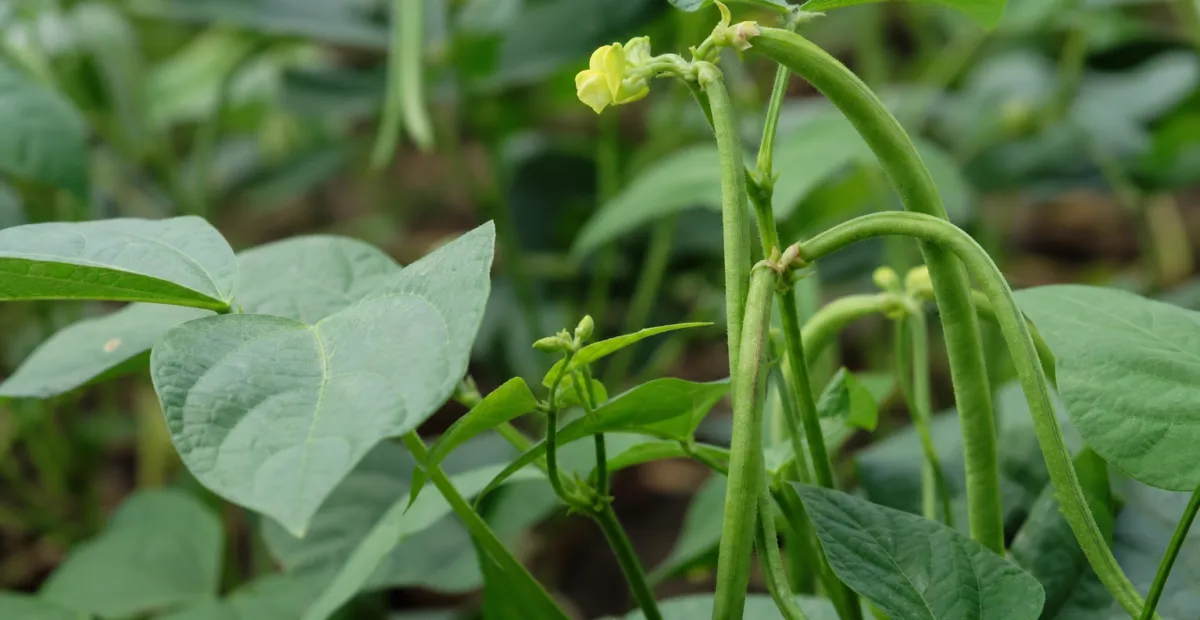
 AI-generated illustration
Azuki Bean (Vigna angularis) short overview
Azuki Bean is a warm-season annual legume grown for its small, usually red seeds used in sweet pastes, savory dishes, sprouts, and other foods. Native to East Asia, it develops trifoliate leaves, yellow papilionaceous flowers, and slender pods on upright to somewhat scrambling stems. In U.S. gardens, provide full sun, warm soil, steady moisture, and a long frost-free season for reliable pod and seed development.
Taxonomic classification
Azuki Bean (Vigna angularis) care guide
Light and placement
Grow in an open site with at least 6–8 hours of direct sun, preferably with a south- or west-facing exposure. Strong light supports compact growth, flowering, and seed filling. Pale, weak stems and sparse flowering indicate insufficient light; scorched foliage or severe midday wilt usually points to heat or water stress rather than excessive sun alone.
Watering and humidity
Water deeply when the upper inch of soil begins to dry, keeping moisture reasonably even from emergence through pod filling. Avoid frequent shallow sprinkling and waterlogged soil. Reduce watering somewhat as pods mature, but do not allow plants to wilt repeatedly during flowering or seed development. Average outdoor humidity is adequate.
Soil and growing medium
Use fertile, friable soil that drains quickly but retains moderate moisture. Loam or sandy loam amended with mature compost is suitable; compacted clay can reduce emergence and root activity. A slightly acidic to neutral reaction is generally appropriate. Raised beds help in heavy or poorly drained ground.
Feeding
Incorporate a moderate amount of finished compost before planting. Azuki Bean is a legume and usually does not need high-nitrogen feeding; excess nitrogen can produce leafy growth with poorer pod set. If plants are weak in poor soil, use a balanced fertilizer at label strength after establishment, but avoid routine feeding once flowering and pod formation are underway.
Growth and habit
Plants are upright to somewhat spreading or scrambling, with branching stems that may need room to expand. Growth is generally faster in warm weather and can be suppressed by cool soil, weeds, drought, or waterlogging. Keep the bed weed-free during early growth, when seedlings compete poorly. Bushier selections need less support than more spreading types.
Planting and repotting
Direct-sow after the soil has warmed and cold, wet conditions have passed. Plant seeds about 1–1.5 inches deep in a prepared seedbed. Keep the surface evenly moist until emergence, then thin crowded seedlings. Choose a long, frost-free window because cool weather slows growth and late frost can destroy young plants.
Usually grown directly in the ground rather than repotted. If started in containers, transplant while seedlings are young and before roots become crowded, using a biodegradable pot or disturbing the root ball as little as possible.
Propagation and pruning
Propagation
Propagate by seed. Direct-sow in warm soil after frost danger has passed; handle seedlings minimally because early root disturbance can slow establishment. Save seed only from fully dry, healthy pods and store it cool and dry.
Pruning
No regular pruning is needed. Remove damaged or diseased growth promptly and cut plants back at the end of the season after pods have been harvested. Avoid heavy cutting during flowering, because reducing healthy stems can lower pod production.
Overwintering
It is normally grown as an annual and does not tolerate freezing temperatures. Harvest dry pods before autumn frost, then remove spent plants. In a heated greenhouse, plants may continue growing if they receive strong light and warm conditions, but indoor overwintering is not usually practical.
Uses
Primarily grown as a food crop for dry beans, sprouts, sweet bean pastes, and savory preparations. It can also be grown as a home-garden legume or small specialty crop. Cook mature beans thoroughly; raw or undercooked legumes may cause digestive discomfort.
Appearance
The plant has trifoliate, green leaves and slender, branching stems. Small yellow pea-like flowers arise in the leaf axils and are followed by narrow pods containing several small beans. Mature seeds are commonly red, but cultivated material can vary in seed color and form. The combination of trifoliate leaves, yellow legume flowers, and slim pods is useful for identification.
Flowering
The small yellow flowers are typical legume flowers, with a standard, wings, and keel. They form in the leaf axils during warm, long-season growth. Flowering is followed by slender pods that mature from green to dry brown or tan as the seeds develop.
Pollination and visitors
Azuki Bean is predominantly self-pollinating, so animal visitors are not required for normal seed production. The flowers may be visited opportunistically by insects, but reliable evidence for a characteristic visitor group was not established in the sources reviewed.
Vigna angularis photos
Click any photo for a larger view. Source, author and license are shown separately.
Diseases and pests
Diseases
Prevent problems with well-drained soil, crop rotation, clean seed, good spacing, and watering at the soil surface. Watch for damping-off in cold, wet beds and foliar or pod diseases during prolonged humid weather. Remove badly affected plants and avoid saving seed from diseased crops.
Pests
Common legume pests such as aphids, bean beetles, caterpillars, and spider mites may occur. Inspect leaf undersides and new growth regularly, remove larger pests by hand, and use row cover early in the season where practical. Encourage beneficial insects and use labeled, least-toxic controls only when damage warrants treatment.
Related diseases and pests
Only Plant Doctor profiles whose host data indicate this plant may be affected are shown here.
 DiseaseBacterial Wilt of Dry BeanCurtobacterium flaccumfaciens pv. flaccumfaciens
 PestChilli thripsScirtothrips dorsalis Hood
 DiseaseBacterial blight and cankerPseudomonas syringae pv. syringae
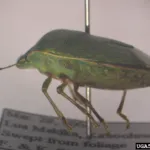 PestSouthern Green Stink BugNezara viridula
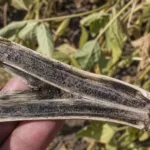 DiseaseCharcoal rotMacrophomina phaseolina (Tassi) Goid.
 DiseaseCucumber mosaic virusCucumber mosaic virus
 PestMelon aphid (cotton aphid)Aphis gossypii Glover
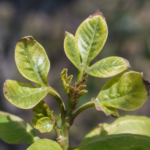 Environmental stressNickel deficiency
Toxicity and pollen
The mature beans are edible when properly cooked, but raw or undercooked legumes can contain compounds that cause gastrointestinal upset. Species-specific toxicity information for dogs, cats, and children is limited, so prevent access to large quantities of raw beans and seek medical or veterinary advice after significant ingestion or concerning symptoms.
- Typical season
- During summer flowering
- Pollination / pollen
- Mostly retained within the flower during self-pollination; limited airborne dispersal is expected.
This insect-associated, predominantly self-pollinating legume is not generally regarded as a major airborne pollen source. Individual sensitivity remains possible, and handling flowering plants or plant debris can cause localized exposure even when airborne pollen levels are low.
Native habitat
The species is associated with temperate to warm regions of East and Southeast Asia and occurs in cultivated landscapes as well as disturbed or open habitats. It performs best in warm, seasonally moist conditions on soils that drain adequately and are not persistently waterlogged.
Interesting fact
Azuki Bean is an accepted species in the genus Vigna and has historically been placed under other genera, including Phaseolus. Its cultivated seeds are especially important in East Asian food traditions, where sweetened bean paste is a major use. The species is related to several other economically important Vigna legumes.
Frequently asked questions (FAQ)
The most relevant questions about this plant, with short and direct answers.
🌱Quick care
What is an Azuki Bean?⌄
Azuki Bean is the annual legume Vigna angularis, grown for its small edible seeds. It is a frost-tender food crop in the Fabaceae family and is commonly used dried, boiled, or ground into a paste.
Is Azuki Bean easy to grow?⌄
Azuki Bean is moderately easy to grow when given warm weather, full sun, and well-drained soil. Its main challenges are slow early growth, weed competition, and getting the crop mature before fall frost.
Is Azuki Bean a bush bean or a vine?⌄
Azuki Bean may grow as an upright, bushy plant or a somewhat twining plant, depending on the variety and growing conditions. Most garden types need little or no trellising, but taller plants may benefit from support.
🌤️Environment and placement
How much sun does Azuki Bean need?⌄
Azuki Bean needs full sun, ideally at least 6–8 hours of direct sunlight daily. More light generally supports stronger growth, flowering, and seed production.
What temperature is best for growing Azuki Bean?⌄
Azuki Bean grows best in warm conditions, with optimum plant growth reported around 64–73°F. Do not plant until the soil has warmed, because cool soil can delay emergence.
Can Azuki Bean survive frost?⌄
No, Azuki Bean is a frost-tender annual and can be damaged or killed by freezing temperatures. Plant after the last expected spring frost and harvest before the first significant fall frost.
Where should I plant Azuki Bean in the United States?⌄
Plant Azuki Bean in a sunny, warm garden site with a long enough frost-free season for the variety to mature. It is most practical in areas with warm summers and should be timed carefully in regions with short growing seasons.
What type of soil does Azuki Bean need?⌄
Azuki Bean performs best in fertile, well-drained loam that does not remain waterlogged. Avoid compacted or poorly drained sites, which can reduce emergence and encourage root problems.
💧Care and problems
How often should I water Azuki Bean?⌄
Water Azuki Bean moderately, keeping the root zone evenly moist but not saturated. Pay particular attention during emergence, flowering, and pod filling, while allowing the soil surface to dry slightly between waterings.
Why is my Azuki Bean growing slowly?⌄
Slow growth is commonly linked to cool soil, inadequate sunlight, competition from weeds, compacted soil, or inconsistent moisture. Azuki Bean naturally develops slowly early in the season, so warm conditions and careful weed control are important.
How do I control weeds around Azuki Bean?⌄
Control weeds early with shallow cultivation or a layer of organic mulch kept away from the stems. Weed competition is especially harmful while Azuki Bean seedlings are small and becoming established.
Does Azuki Bean need fertilizer?⌄
Azuki Bean usually needs only moderate fertility when grown in reasonably fertile soil. Avoid excessive nitrogen, which can produce leafy growth at the expense of flowers and beans; a soil test is the best guide for amendments.
What common problems affect Azuki Bean plants?⌄
Common problems include poor emergence in cold or crusted soil, weed competition, foliar diseases, and pod or seed damage from insects. Good drainage, crop rotation, adequate spacing, and removing plant debris can reduce some risks.
🪴Planting and repotting
When should I plant Azuki Bean?⌄
Plant Azuki Bean after the last spring frost, once the soil is consistently warm. In much of the United States, planting is generally suited to late spring, but the exact date depends on local soil temperature and the variety’s days to maturity.
How deep should I plant Azuki Bean seeds?⌄
Plant Azuki Bean seeds about 1–1½ inches deep in adequately moist soil. Planting too deeply, especially in heavy or crust-prone soil, can reduce emergence.
How far apart should Azuki Bean seeds be planted?⌄
For a home garden, space Azuki Bean seeds about 1–3 inches apart within rows, with row spacing adjusted for the variety and cultivation method. Narrow rows can help produce taller plants, while wider rows make inter-row weeding easier.
Can Azuki Bean be grown in containers?⌄
Yes, Azuki Bean can be grown in a large container with drainage holes, fertile potting mix, full sun, and regular watering. Choose a container deep enough for a substantial root system and avoid overcrowding the plants.
How long does Azuki Bean take to mature?⌄
Azuki Bean commonly takes about 118 days to reach maturity, although the timing varies with variety, temperature, and growing season. Earlier planting into cold soil can delay the crop.
How do I know when Azuki Bean is ready to harvest?⌄
Harvest dry Azuki Bean when most pods have turned brown or dry and the seeds are fully developed. If frost or wet weather threatens, pull or cut mature plants and finish drying the pods under cover.
✂️Propagation and pruning
How do you propagate Azuki Bean?⌄
Propagate Azuki Bean by sowing mature seeds directly into the garden. Direct sowing is preferred because bean seedlings can be sensitive to root disturbance during transplanting.
Can I save seeds from Azuki Bean?⌄
Yes, you can save seeds from fully mature, healthy Azuki Bean pods. Dry the seeds thoroughly, store them in a cool, dry place, and keep seed from isolated plants if preserving a specific variety matters.
Should Azuki Bean be pruned?⌄
Azuki Bean generally does not require pruning. Remove damaged foliage or spent plants after harvest, but avoid cutting healthy growth during flowering and pod development.
⚠️Toxicity and safety
Are Azuki Beans safe to eat raw?⌄
No, do not eat raw or inadequately cooked Azuki Beans. Like other beans, the seeds can contain lectins and should be soaked as appropriate and thoroughly boiled until soft before eating.
Can you eat Azuki Bean sprouts raw?⌄
Raw Azuki Bean sprouts should be treated cautiously because sprouting does not guarantee that all food-safety risks are eliminated. For the safest preparation, cook sprouts thoroughly and use clean seed and equipment.
Are Azuki Bean plants toxic to dogs or cats?⌄
The main documented safety concern is the raw or undercooked bean seed rather than normal contact with the plant. Keep raw seeds away from pets and children, and seek veterinary or medical advice if a large amount is eaten.
🌸Flowering and special interest
Does Azuki Bean produce flowers?⌄
Yes, Azuki Bean produces small pea-like flowers that develop into pods containing the beans. Flowering and pod set are favored by warm temperatures, full sun, and consistent moisture.
Why is my Azuki Bean flowering but not producing pods?⌄
Poor pod set can result from heat or moisture stress, inadequate sunlight, excessive nitrogen, or unfavorable weather during flowering. Keep plants evenly watered, avoid overfertilizing, and allow time for pods to develop.
Similar plants
 Azure Monkshood (Aconitum carmichaelii) care guideAconitum carmichaelii
 Monkshood (Aconitum ‘Stainless Steel’)Aconitum 'Stainless Steel'
 Monkshood (Aconitum ‘Bressingham Spire’)Aconitum 'Bressingham Spire'
 Golden full moon maple (Acer shirasawanum ‘Aureum’)Acer shirasawanum 'Aureum'
 Globosum (Acer platanoides ‘Globosum’)Acer platanoides 'Globosum'
 Striped maple (Acer pensylvanicum) care guideAcer pensylvanicum