
Charcoal rot
Macrophomina phaseolina (Tassi) Goid.Charcoal rot overview
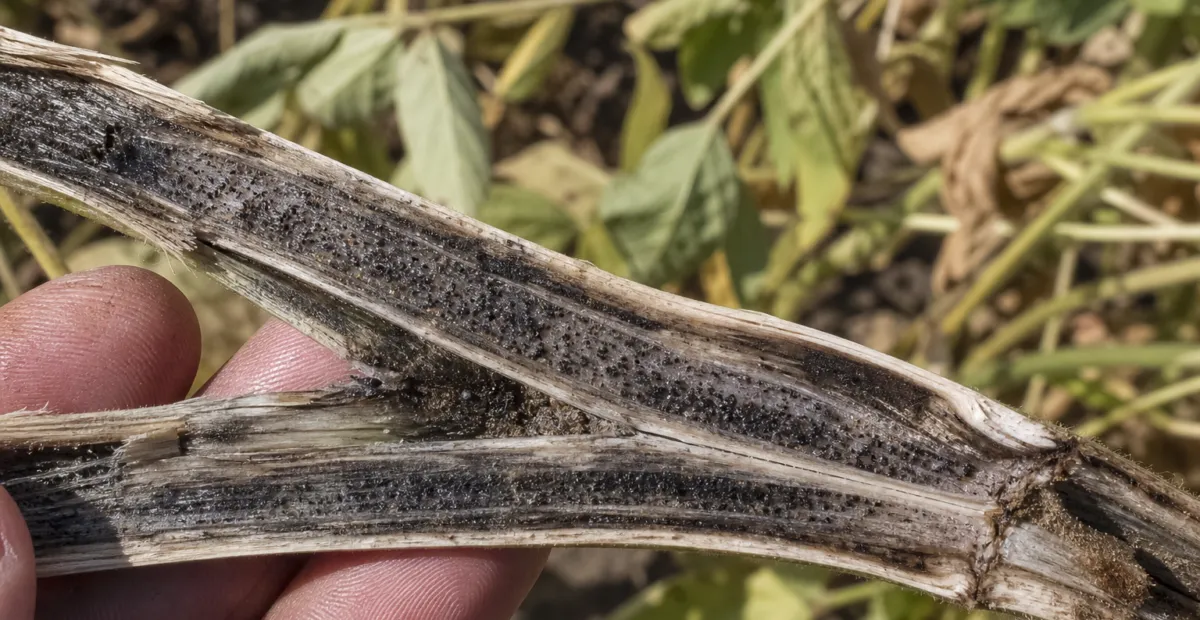
Charcoal rot is a soilborne fungal disease caused by Macrophomina phaseolina. It is most damaging when hot, dry conditions stress the crop, especially during root and stem development. Infected plants may wilt prematurely, show crown or root decay, and develop numerous tiny black microsclerotia that give internal tissues a gray-to-charcoal appearance. Symptoms can resemble drought, vascular disease or other root rots, so laboratory confirmation is often useful.
Typical conditions
Overview
Macrophomina phaseolina is a necrotrophic, soil-inhabiting fungus with a broad host range. In the United States it is recognized particularly as charcoal rot of soybean and as a serious root and crown disease of strawberry, but it can affect other crops when inoculum is present and plants are stressed.
Diagnosis is difficult from aboveground symptoms alone because wilting, yellowing and premature death may also result from drought, vascular pathogens, root-feeding pests or other root rots. The most useful field clue is gray-to-black discoloration of lower stems, crowns or roots with abundant, pepper-like microsclerotia in affected tissue.
Symptoms and identification
Symptoms vary with the host, crop age and weather:
- Irregular yellowing, premature senescence, wilting and plant death, often appearing in patches during hot, dry weather.
- Reduced vigor, stunting, poor fruit set or shriveled seeds in susceptible crops.
- Brown, gray or black discoloration of roots, crowns, lower stems, vascular tissue or pith.
- Dry shredding or sloughing of the outer root and stem tissues rather than a wet, soft decay.
- Numerous tiny black microsclerotia embedded in the tissue, producing a charcoal-dust or peppered appearance when the stem or root is split.
Strawberry plants may collapse and die from crown and root infection. Soybean plants may mature prematurely, wilt and retain dead leaves attached to petioles. Confirmation may require a plant diagnostic laboratory because microsclerotia can be confused with other dark fungal structures.
Causes and spread
The disease begins when microsclerotia or infected residue are present in soil. They can be moved within a property by soil on equipment, tools, transplants, footwear, irrigation runoff and wind-blown or transported crop debris. In some crops, contaminated seed may also contribute to introduction.
Root infection is favored when plants experience water stress, high soil temperature, compaction, poor rooting conditions or heavy fruiting and reproductive demand. The pathogen is not spread primarily by insects, and simply removing affected leaves will not control an established root or crown infection.
Life cycle and persistence
M. phaseolina survives between crops mainly as melanized microsclerotia in soil and dead roots, crowns, stems and other residue. These structures can remain viable for years; reported survival varies with soil, climate, residue and study conditions, so a single fixed survival period should not be assumed.
When soil is warm and roots are stressed, microsclerotia germinate and produce hyphae that penetrate roots or crowns. The fungus colonizes living tissue, disrupts water movement and progressively shifts to a destructive, saprophytic phase. New microsclerotia form in infected tissue and return to the soil as residue decomposes, completing the cycle.
Treatment and control
There is no reliable curative treatment for a plant with extensive root or crown colonization. Remove and dispose of severely affected plants and as much infected root and crown material as practical; do not compost diseased residue unless the composting process is demonstrably hot and properly managed.
For valuable plantings, correct water stress, improve soil structure and reduce additional root injury. In commercial crops, integrated programs may combine resistant or tolerant cultivars, irrigation management, crop rotation, residue management, soil treatments and appropriately labeled fungicides. Results are variable because fungicides have limited ability to reach established infections inside crowns, roots and stems.
Have uncertain cases tested by a state university plant clinic or qualified diagnostic laboratory, particularly when management decisions involve replanting or soil treatment.
Low-impact and biological control
Organic and biological measures are preventive rather than curative. Maintain consistent irrigation, add mature compost or other suitable organic amendments to improve rooting conditions, and avoid fresh organic material that may damage roots or encourage other problems.
In some research and production systems, composts, anaerobic soil disinfestation, solarization or biosolarization, and antagonistic organisms such as selected Trichoderma or Bacillus strains have reduced inoculum or disease. Their effectiveness depends strongly on soil temperature, treatment depth, application quality, crop, and local climate. Use only products and practices permitted for certified organic production and supported by local extension guidance.
Prevention
- Use locally adapted cultivars with documented tolerance or resistance where available; performance is crop- and region-specific.
- Maintain even soil moisture during establishment, flowering and fruit filling, while avoiding prolonged saturation.
- Improve drainage, reduce compaction and build a deep, vigorous root system with appropriate fertility.
- Remove severely infected plants and crop residue where practical, and avoid spreading contaminated soil on tillage, harvest or garden tools.
- Use clean, vigorous transplants and obtain seed from reputable sources.
- Rotate with crops that are less susceptible in the local production system, recognizing that the pathogen has a broad host range and rotation alone may not eliminate it.
- Use raised beds, mulch and efficient irrigation in susceptible vegetable and small-fruit plantings to reduce heat and drought stress.
Interesting facts
The disease is called charcoal rot because infected tissues may become gray or charcoal-black from masses of tiny microsclerotia. The pathogen has been reported from hundreds of plant species, but documented host lists vary among studies and some records may involve closely related Macrophomina species.
Heat alone does not explain every outbreak: the interaction between warm soil and inadequate plant water status is often more important than temperature by itself. This is why disease can become conspicuous during drought, irrigation failure or periods of intense crop demand.
Use chemical products only when they are currently legally authorized and labeled in the United States for the specific crop, site and disease. Follow the current EPA-approved label, state requirements, worker-protection rules, application limits and resistance-management instructions. Do not apply a fungicide solely from an internet diagnosis; product performance and registration vary by crop and state.
Affected plants
The plants below are linked to this problem by structured host-plant data. The list updates automatically as new plant profiles are added.
 Moth Bean (Vigna aconitifolia) care guideVigna aconitifolia
 Azuki Bean (Vigna angularis) care guideVigna angularis
 Black Gram (Vigna mungo) care guideVigna mungo
 Mung Bean (Vigna radiata) care guideVigna radiata
 Creole-bean (Vigna reflexopilosa) care guideVigna reflexopilosa
 Rice Bean (Vigna umbellata) care guideVigna umbellata
 Chickpea (Cicer arietinum) care guideCicer arietinum
 He tepary bea (Phaseolus acutifolius) care guidePhaseolus acutifolius
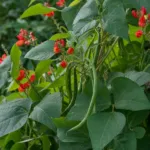 Snap bean (Phaseolus coccineus) care guidePhaseolus coccineus
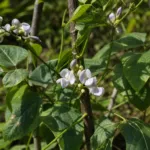 Butter bea (Phaseolus lunatus) care guidePhaseolus lunatus
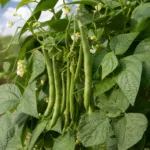 String Bean (Phaseolus vulgaris) care guidePhaseolus vulgaris
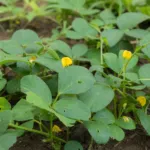 Vigna subterranea care guideVigna subterranea