
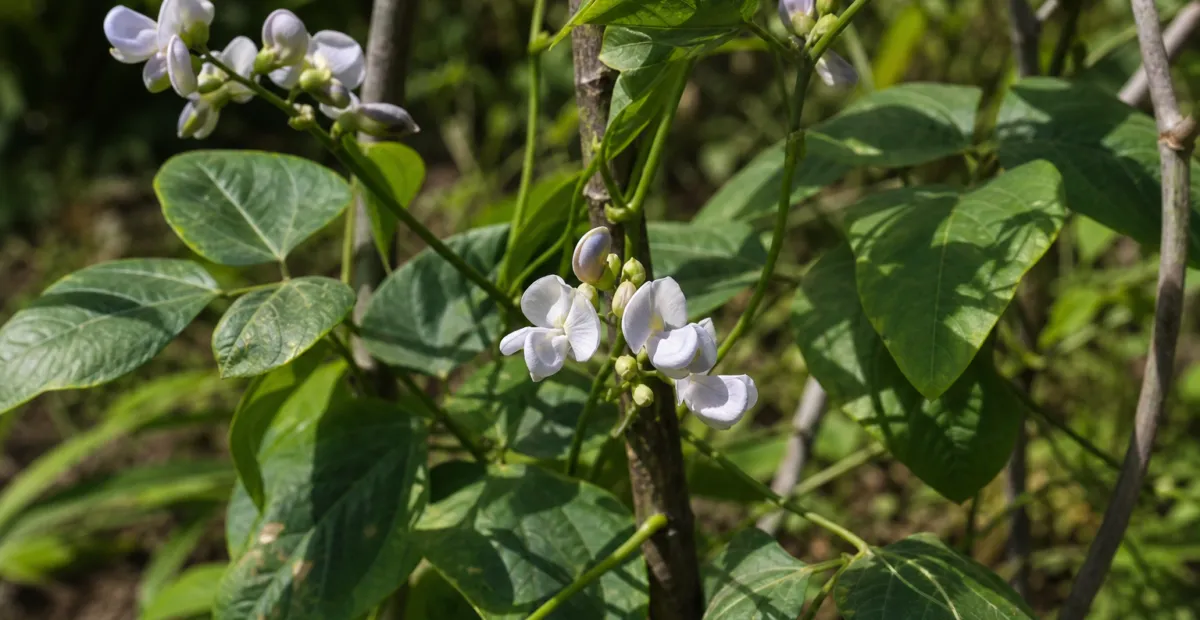
 AI-generated illustration
Butter bea (Phaseolus lunatus) short overview
Butter Bea (Phaseolus lunatus) is a warm-season legume grown for its nutritious, kidney-shaped seeds and attractive trifoliate foliage. Depending on the form, it may develop as a compact bush or a vigorous twining vine. Small white, pale green, or pink-tinged flowers appear in loose clusters and produce flattened pods. In the United States, it is usually cultivated as an annual vegetable because growth and seed production require a long, frost-free season.
Taxonomic classification
Butter bea (Phaseolus lunatus) care guide
Light and placement
Provide a site with at least 6–8 hours of direct sun, preferably with southern or southwestern exposure. A trellis or fence is useful for vining forms. Pale foliage, weak stems, and sparse flowering indicate insufficient light; scorched leaf margins or severe midday wilt can signal excessive heat, root stress, or inadequate moisture rather than a need for shade alone.
Watering and humidity
Water deeply when the upper 1 inch of soil begins to dry, keeping moisture reasonably even during flowering and pod development. Mulch helps reduce rapid drying and temperature swings. Reduce watering late in the season as pods mature, but do not allow plants in containers to become chronically dry. Water at the soil line when possible to limit foliar disease.
Soil and growing medium
Use fertile soil that drains freely but retains enough moisture for steady growth. Loam enriched with mature compost is suitable; compacted clay can restrict the deep root system, while very sandy soil may require more frequent irrigation and organic matter. Slightly acidic to neutral soil is generally appropriate. Avoid fresh manure and waterlogged beds.
Feeding
Incorporate compost before planting. If growth is pale or weak, apply a low-nitrogen or balanced vegetable fertilizer at label rate once plants are established and again around early flowering. Avoid heavy nitrogen feeding, which can produce lush vines with fewer pods. Do not fertilize drought-stressed, waterlogged, or frost-damaged plants.
Growth and habit
The species includes bushy and climbing forms. Vining plants twine through nearby support and can become vigorous in a long, warm season; bush forms remain more compact but still benefit from adequate spacing. Harvesting pods regularly encourages continued production. Because mature roots can penetrate deeply, avoid frequent shallow cultivation around established plants.
Planting and repotting
Sow directly because bean seedlings dislike root disturbance. Wait until danger of frost has passed and the soil is thoroughly warm. Plant 1–1.5 inches deep, water the seedbed evenly, and provide support for climbing types at planting time. Thin crowded seedlings after emergence. In short-season areas, use an early cultivar and a warm, sheltered site.
For container culture, use a deep container with drainage holes and a sturdy trellis installed before the vine becomes large. Transplant only while plants are young and actively growing. Refresh the upper layer of potting mix or move to a larger container when roots fill the soil, but avoid repeated disturbance during flowering and pod production.
Propagation and pruning
Propagation
Propagate from seed. Direct-sow after the soil has warmed because cold, wet soil can cause rot and poor emergence. Use fresh, viable seed and provide even moisture until seedlings are established. Avoid unnecessary transplanting; if an early start is essential, use biodegradable pots and disturb the roots as little as possible.
Pruning
Remove dead, diseased, or badly damaged growth with clean shears. For vining plants, guide stems onto the support rather than making frequent cuts. Once frost kills an annual crop, cut the plants at soil level and remove diseased debris. Avoid hard pruning during active flowering unless necessary for access or safety.
Overwintering
Treat plants as annuals outside areas with frost-free winters. Before the first frost, harvest usable pods and remove the spent plant. In USDA Zones 10–12, perennial forms may survive if kept warm and protected from cold, but growth can slow during cooler months. Container plants require a bright, warm indoor location and should be checked for pests.
Uses
The immature seeds and fully mature dry seeds are used as food after proper cooking. Plants may also be grown in home vegetable gardens, containers, and small-scale production beds; vigorous forms can cover a trellis. The species fixes nitrogen through root nodules and may contribute organic matter when incorporated as a cover crop. Never eat raw or inadequately cooked seeds.
Appearance
Leaves are alternate and trifoliolate, with three generally ovate to triangular leaflets. Stems may be smooth or lightly hairy and can trail or twine. Axillary flower clusters rise above the foliage, followed by flattened, curved to oblong pods. Seeds vary widely in size and color, including white, green, brown, red, purple, black, and speckled forms.
Flowering
Flowers are small, pea-shaped, and arranged in axillary clusters on elongated stalks. Color varies among forms from white or pale green to yellowish or rose-violet. Flowering is favored by warm conditions, but very hot weather during bloom can reduce pod set. The plant may continue flowering over an extended summer season when moisture and temperatures remain suitable.
Pollination and visitors
The flowers are generally capable of self-pollination, so animal visitors are not required for seed production. Available evidence does not establish a consistently characteristic animal pollinator group for the species as a whole.
Phaseolus lunatus photos
Click any photo for a larger view. Source, author and license are shown separately.
Diseases and pests
Diseases
Common bean problems may include bacterial blights, fungal leaf spots, rust, damping-off, and root rots. Use clean seed, rotate planting areas, provide good air circulation, avoid overhead irrigation, and do not work among wet plants. Remove badly affected foliage and dispose of infected debris. Waterlogged soil is a major risk factor for root disease.
Pests
Watch for aphids, bean beetles, leafhoppers, spider mites, stink bugs, and pod-feeding insects. Inspect leaf undersides and new growth regularly. Use row cover over young plants where practical, hand-pick larger pests, control weeds, and encourage beneficial insects. Use labeled treatments only when damage justifies intervention and follow the product directions.
Related diseases and pests
Only Plant Doctor profiles whose host data indicate this plant may be affected are shown here.
 DiseaseBacterial blight and cankerPseudomonas syringae pv. syringae
 DiseaseBacterial Wilt of Dry BeanCurtobacterium flaccumfaciens pv. flaccumfaciens
 DiseaseBean AnthracnoseColletotrichum lindemuthianum
 DiseasePythium damping-off, root rot and blightPythium aphanidermatum
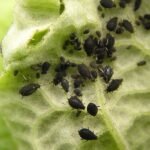 PestBlack Bean AphidAphis fabae
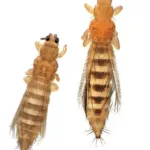 PestOnion thripsThrips tabaci Lindeman
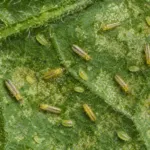 PestMelon thripsThrips palmi Karny
 PestTwo-spotted spider miteTetranychus urticae
Toxicity and pollen
Raw lima-type seeds can contain cyanogenic compounds and lectins that may cause serious poisoning. Toxicity varies among varieties and seeds, so appearance is not a reliable safety test. Do not eat raw seeds, raw seed water, or ornamental striped seed types unless their food safety is specifically established. Cook edible seeds thoroughly and discard the cooking water; keep raw seed away from children and pets.
- Typical season
- Usually summer during flowering
- Pollination / pollen
- Pollen is released within a typical legume flower and is not generally dispersed broadly by wind.
This is an insect-associated, self-pollinating legume rather than a strongly wind-pollinated plant, so broad airborne pollen exposure is not expected to be a defining feature. However, species-specific clinical allergy evidence is limited, and sensitive individuals should avoid handling flowers or plant dust if symptoms occur.
Native habitat
Phaseolus lunatus is associated with warm tropical and subtropical environments, including seasonally dry regions, forest edges, savannas, grasslands, and cultivated ground. It performs best where the growing season is long, temperatures are warm, and soil drains while retaining moderate moisture. Wild and semi-wild forms may be climbing, trailing, or somewhat shrubby.
Interesting fact
This species has both small-seeded and large-seeded domestication traditions in the Americas. Its roots may extend deeply, and root nodules house bacteria that help fix atmospheric nitrogen. Seed color and shape are unusually variable across cultivated forms. Raw seeds can contain cyanogenic compounds and other antinutritional substances, so culinary preparation is essential.
Frequently asked questions (FAQ)
The most relevant questions about this plant, with short and direct answers.
🌱Quick care
What is butter bea (Phaseolus lunatus)?⌄
Butter bea is a frost-tender bean species in the Fabaceae family, grown for its edible lima-type seeds. It may grow as a bush or climbing vine, depending on the cultivar.
Is butter bea the same as a lima bean?⌄
Yes, butter bea is the species Phaseolus lunatus, commonly known in the United States as lima bean. Cultivars differ in seed size, color, growth habit, and harvest time.
🌤️Environment and placement
How much sunlight does butter bea need?⌄
Butter bea needs full sun, ideally at least 6–8 hours of direct sunlight daily. Strong light supports vigorous vines, flowering, and pod production.
Where should I plant butter bea outdoors?⌄
Plant butter bea in the warmest, sunniest part of the garden with fertile, well-drained loam. Choose a sheltered location because cold soil, wind, and frost can slow or kill the plant.
What USDA hardiness zones are suitable for butter bea?⌄
Butter bea is best grown as a warm-season annual in most of the United States, especially where summers are long and hot. It may persist as a perennial only in frost-free climates.
Is butter bea frost tolerant?⌄
No, butter bea is frost-tender and can be damaged or killed by freezing temperatures. Plant it outdoors only after the danger of frost has passed and the soil has warmed.
What type of soil does butter bea need?⌄
Butter bea grows best in fertile, well-drained loam with good organic matter. Avoid heavy, poorly drained soil because saturated roots are more vulnerable to disease and poor growth.
Can butter bea be grown as a perennial?⌄
Butter bea can behave as a perennial in frost-free tropical or subtropical climates, but it is usually grown as a warm-season annual in the United States. In colder areas, frost protection or indoor overwintering is required for survival.
💧Care and problems
How often should I water butter bea?⌄
Water butter bea moderately, keeping the soil evenly moist but not soggy. Water at the soil line when the top inch feels dry, and provide more moisture during flowering, pod set, and hot weather.
Does butter bea need a trellis?⌄
Vining butter bea needs a sturdy trellis, fence, or other support, while bush cultivars usually do not. Install support before the vines become large so the roots are not disturbed later.
Why is my butter bea plant growing leaves but not producing pods?⌄
Butter bea may fail to set pods because of cool temperatures, excessive heat, drought, overfertilization, or a cultivar sensitive to day length. Keep moisture consistent, avoid excess nitrogen, and give the plant full sun and warm conditions.
Why are butter bea leaves turning yellow?⌄
Yellow leaves may result from overwatering, poor drainage, nitrogen deficiency, root injury, or normal aging of lower foliage. Check soil moisture and drainage first, then consider a soil test before adding fertilizer.
What pests commonly affect butter bea?⌄
Butter bea can be attacked by aphids, bean beetles, spider mites, caterpillars, and other common bean pests. Inspect the undersides of leaves regularly and use the least-toxic control appropriate for the pest identified.
When should I harvest butter bea pods?⌄
Harvest butter bea pods when they are plump and the seeds have reached the desired immature or mature stage, depending on use. Pick regularly to encourage continued production, and discard pods that are diseased or damaged.
🪴Planting and repotting
Can butter bea grow in containers?⌄
Yes, butter bea can grow in a large container with drainage holes, fertile potting mix, and a sturdy trellis if it is a vining type. Use a container at least 12 inches deep and wide enough to support the plant’s root system.
When should I plant butter bea in the United States?⌄
Sow butter bea after the last spring frost, when soil temperatures are consistently about 65°F or warmer. In cooler regions, starting seed indoors can provide a longer growing season, but transplant gently because bean roots are sensitive.
How deep should butter bea seeds be planted?⌄
Plant butter bea seeds about 1–1½ inches deep in moist soil. Space them according to the cultivar’s mature size, allowing extra room for vining types and their support.
How long does butter bea take to germinate?⌄
Butter bea seeds commonly germinate in about 4–10 days under warm, evenly moist conditions. Germination is slower or uneven in cold, compacted, or waterlogged soil.
✂️Propagation and pruning
Can I prune butter bea vines?⌄
Lightly guide or trim damaged, diseased, or unwanted growth, but avoid heavy pruning because it can reduce flowering and pod production. Provide adequate support instead of repeatedly cutting back healthy vines.
How is butter bea propagated?⌄
Butter bea is normally propagated by seed. Save fully mature, dry seeds from healthy plants, store them in a cool, dry place, and sow them after the next season’s soil has warmed.
⚠️Toxicity and safety
Are butter bea seeds poisonous when raw?⌄
Yes, raw or improperly cooked butter bea seeds can be highly toxic because they contain lectins and other harmful compounds. Never eat raw seeds, and do not assume that ornamental or unfamiliar striped seeds are safe to consume.
How should butter bea beans be cooked safely?⌄
Soak dried butter bea beans as appropriate, discard the soaking water, and boil them vigorously in fresh water until fully tender before eating. Slow cookers alone may not reach a safe temperature quickly enough to destroy the toxins.
Can children or pets eat butter bea seeds?⌄
Children and pets should never eat raw or inadequately cooked butter bea seeds. Keep dry seed packets, harvested beans, and ornamental seed varieties out of reach, and contact Poison Control or a veterinarian promptly if ingestion occurs.
Are butter bea flowers edible?⌄
The flowers and foliage should not be treated as edible parts of butter bea. The safest practice is to consume only properly identified, fully cooked beans from a food cultivar.
🌸Flowering and special interest
When does butter bea flower?⌄
Butter bea may begin flowering roughly 35–70 days after sowing, depending on cultivar, temperature, day length, and growing conditions. Bush types generally flower and mature sooner than climbing types.
Similar plants
 Azure Monkshood (Aconitum carmichaelii) care guideAconitum carmichaelii
 Monkshood (Aconitum ‘Stainless Steel’)Aconitum 'Stainless Steel'
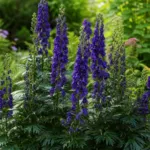 Monkshood (Aconitum ‘Bressingham Spire’)Aconitum 'Bressingham Spire'
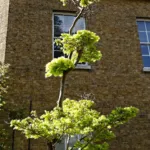 Golden full moon maple (Acer shirasawanum ‘Aureum’)Acer shirasawanum 'Aureum'
 Globosum (Acer platanoides ‘Globosum’)Acer platanoides 'Globosum'
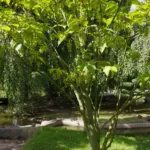 Striped maple (Acer pensylvanicum) care guideAcer pensylvanicum