
Bean Anthracnose
Colletotrichum lindemuthianumBean Anthracnose overview
Bean anthracnose is a seedborne fungal disease caused by Colletotrichum lindemuthianum. It primarily affects snap, dry, lima, runner and related beans, producing brick-red to black vein lesions, sunken reddish-brown pod cankers and sometimes salmon-colored spore masses. Disease risk is highest during cool, wet weather, especially when contaminated seed, rain splash or wet crop handling spreads the pathogen.
Typical conditions
Overview
Bean anthracnose is caused by the fungus Colletotrichum lindemuthianum. In the United States it is most important on snap and dry common beans (Phaseolus vulgaris), but related bean species and some other legumes may also be susceptible.
The disease can reduce stand establishment, market quality and yield. It is particularly damaging when susceptible plants are grown from contaminated seed and cool, rainy weather persists. Visual diagnosis is useful but not always definitive because bacterial blights and other leaf or pod diseases can produce similar lesions; laboratory confirmation may be needed for valuable crops or seed lots.
Symptoms and identification
- Seedlings: dark brown to black lesions on cotyledons and rust-colored, sunken lesions on the hypocotyl or young stem. Lesions that girdle the stem may kill the seedling.
- Leaves and petioles: elongated, angular brick-red to purple lesions, often beginning along veins on the lower leaf surface and later turning brown to black. Severe infection can produce ragged dead areas.
- Stems: oval, sunken reddish-brown, purple or black cankers that may weaken or girdle stems.
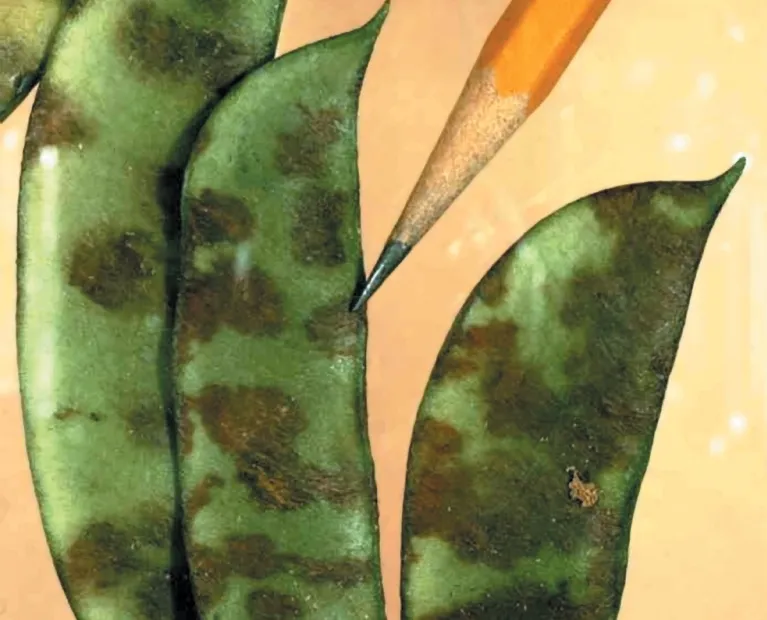
- Pods: circular or irregular sunken lesions with dark raised margins and reddish-brown borders. In wet conditions, pale salmon-colored spore masses may appear in the lesion center.
- Seeds: brown, black, shriveled or discolored areas may be visible, especially on light-colored beans; infection can be difficult to recognize on dark seed.
Causes and spread
The pathogen is commonly seedborne and may be present even when seed shows no obvious external symptoms. It can also survive in infected bean residue between crops. Spores spread by rain splash, overhead irrigation, runoff, wet tools, machinery, clothing, hands and insects or animals that contact sticky spore masses.
Spread is greatest when plants remain wet for extended periods. Working in a bean planting while foliage is wet can move the pathogen from diseased to healthy plants. The disease is not caused by a nutrient deficiency, although general plant stress can increase losses.
Life cycle and persistence
Colletotrichum lindemuthianum survives between crops in infected seed and crop debris. Infected seed may produce diseased seedlings, creating early sources of spores. Under free moisture, the fungus forms spore-bearing structures in lesions; rain or irrigation then carries spores to nearby tissue.
New infections develop on susceptible green tissue, especially during cool, wet weather. The pathogen may move from leaves and stems into pods and developing seed. Disease development is commonly favored by temperatures roughly between 55 and 79°F, prolonged leaf wetness and high humidity, although the exact range depends on isolate and host cultivar.
The fungus contains genetically diverse races, so resistance in one bean variety may not protect equally against all local populations.
Treatment and control
There is no curative treatment that restores tissue already damaged by anthracnose. In a home garden, remove badly infected plants and pods, place them in the trash or an appropriate disposal system, and avoid composting diseased material unless the composting process is reliably hot and managed.
For commercial or high-value plantings, disease management is most effective when preventive measures are combined: clean seed, resistant cultivars, crop rotation, irrigation management and sanitation. If disease is detected early and weather remains favorable, a fungicide may help protect new tissue, but it will not eliminate seedborne infection or existing lesions. Confirm the diagnosis when practical, particularly where bacterial blight is also possible.
Low-impact and biological control
- Use certified disease-free seed and resistant cultivars as the primary controls.
- Reduce leaf wetness with drip irrigation, wider spacing and good air circulation.
- Remove diseased plants and fallen bean debris promptly to reduce local inoculum.
- Rotate beans with unrelated crops and control volunteer beans.
- Use biological or organically approved fungicide products only when they are specifically labeled for anthracnose on the crop in the United States; their performance is generally preventive and variable under severe disease pressure.
Prevention
- Plant certified, disease-free seed from a reputable supplier; do not save seed from a planting that showed anthracnose.
- Select resistant or anthracnose-tolerant cultivars when suitable varieties are available, recognizing that resistance may vary with pathogen race.
- Use drip or furrow irrigation rather than overhead sprinklers, and water early enough for foliage to dry.
- Provide spacing and trellising that improve air movement and reduce prolonged leaf wetness.
- Do not cultivate, harvest or handle plants while they are wet.
- Remove and discard heavily diseased garden plants. After harvest, promptly remove or incorporate bean residue where permitted.
- Rotate out of beans for at least 2 to 3 years in a problem area; a longer interval may be prudent where disease has been severe or volunteer beans persist.
- Control volunteer beans and avoid moving contaminated soil, plant debris or seed between plantings.
Interesting facts
- Bean anthracnose was one of the diseases that helped establish the importance of seedborne plant pathogens; early research demonstrated transmission through infected bean seed.
- Pod lesions may produce a distinctive salmon-colored spore mass when moisture is present.
- Asymptomatic seed can still carry the pathogen and later produce disease under favorable weather.
- Colletotrichum lindemuthianum has many races, which complicates breeding and explains why cultivar resistance can perform differently between regions.
- Anthracnose is generally more severe in temperate, humid production regions than during consistently hot, dry weather.
Use only fungicide products legally registered and currently labeled in your state for anthracnose on the specific bean crop and production setting. Follow the current label for crop, rate, timing, personal protective equipment, reentry interval, preharvest interval and maximum seasonal use. Do not rely on an unlabeled product, an outdated recommendation or a pesticide approved for a different crop. Rotate fungicide modes of action where a labeled program requires it, and integrate chemical protection with clean seed, resistant varieties, sanitation and irrigation management.
Affected plants
The plants below are linked to this problem by structured host-plant data. The list updates automatically as new plant profiles are added.
 Moth Bean (Vigna aconitifolia) care guideVigna aconitifolia
 Azuki Bean (Vigna angularis) care guideVigna angularis
 Black Gram (Vigna mungo) care guideVigna mungo
 Mung Bean (Vigna radiata) care guideVigna radiata
 Creole-bean (Vigna reflexopilosa) care guideVigna reflexopilosa
 Rice Bean (Vigna umbellata) care guideVigna umbellata
 Broad Bean (Vicia faba) care guideVicia faba
 He tepary bea (Phaseolus acutifolius) care guidePhaseolus acutifolius
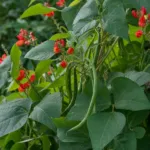 Snap bean (Phaseolus coccineus) care guidePhaseolus coccineus
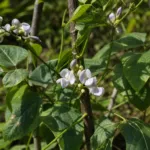 Butter bea (Phaseolus lunatus) care guidePhaseolus lunatus
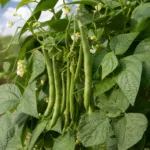 String Bean (Phaseolus vulgaris) care guidePhaseolus vulgaris
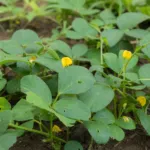 Vigna subterranea care guideVigna subterranea