
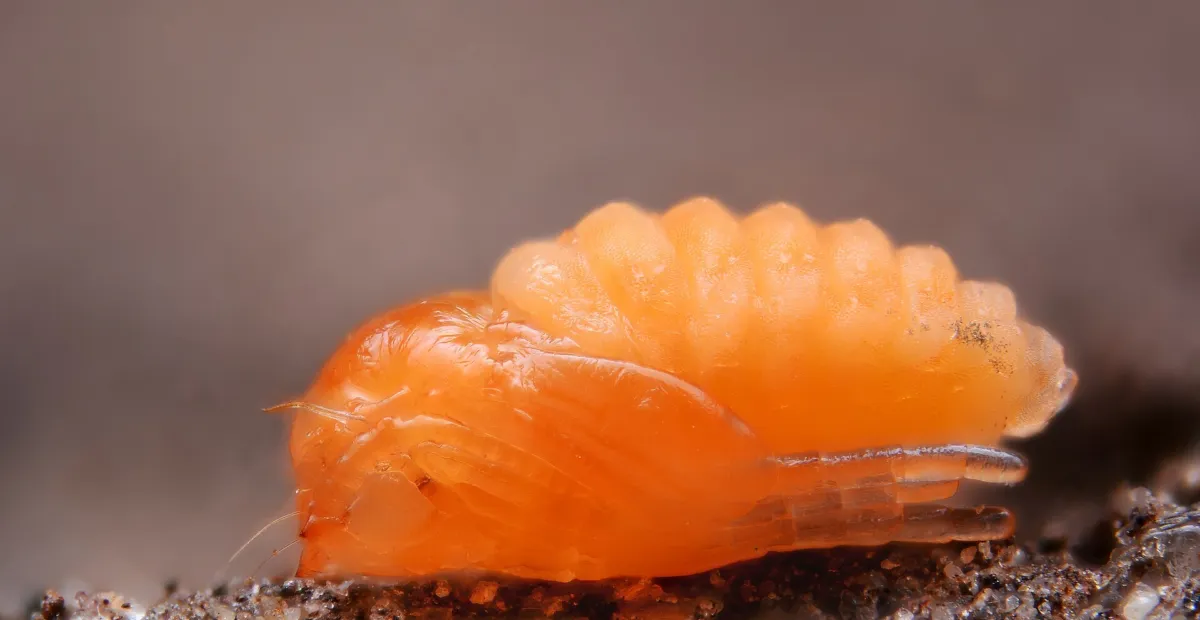
Brassica pod midge
Dasineura brassicaeBrassica pod midge overview
Brassica pod midge, Dasineura brassicae, is a small fly whose larvae develop inside pods of oilseed rape and related brassicas. Infested pods become yellow, swollen, twisted or locally blistered, then split prematurely and shed developing seed. The pest is most important in flowering and pod-setting crops, especially where nearby brassica fields or volunteer plants support successive generations.
Typical conditions
Overview
Brassica pod midge is a tiny, weak-flying fly. Adults are generally dark orange to grayish-brown and about 2 mm long; mature larvae are pale white to yellow-white, legless and without a clearly defined head.
Females lay eggs in developing pods, often using punctures or openings made by cabbage seedpod weevils or other damage. The larvae remain concealed inside the pod, where their feeding causes localized swelling and abnormal ripening. In the United States, gardeners and growers should confirm the insect with a county Extension specialist or state diagnostic laboratory because similar pod symptoms may have different causes.
Symptoms and identification
- Developing pods turn yellow or ripen earlier than surrounding pods.
- Pods become swollen, twisted, locally blistered or otherwise distorted.
- Infested pods may split prematurely, releasing immature or incompletely developed seed.
- Several to many small, pale, legless larvae may occur together inside one pod.
- Damage is often more conspicuous near field edges, headlands, previous Brassica plantings and areas with pod-puncturing insects.
Open suspect pods carefully and look for pale larvae and feeding injury on the inner pod wall. Do not rely on pod color alone for diagnosis.
Causes and spread
The damaging stage is the larva, which feeds within developing Brassica pods and secretes enzymes that help break down inner pod tissue. Females are attracted to flowering and pod-setting brassicas and commonly oviposit through pre-existing openings, especially holes associated with cabbage seedpod weevil feeding or egg laying. Some studies also report egg laying in undamaged pods, so the weevil relationship is important but not universal.
Adults are weak fliers, and infestations may be concentrated in headlands or downwind portions of fields. Volunteer oilseed rape, weedy brassicas and closely spaced successive Brassica crops can provide continuity between generations.
Life cycle and persistence
Larvae mature inside pods and drop to the soil, where they form cocoons. The pest overwinters mainly as larvae in soil, and some cocoons can remain dormant for more than one year. Adults emerge in spring or early summer, depending on latitude, soil temperature and crop timing.
After mating, females lay clusters of minute eggs in developing pods. Larvae feed for several weeks, then leave the pods to pupate in soil. Two generations may occur during a growing season in favorable regions, although timing and generation number vary with climate and crop phenology. In U.S. gardens, local seasonal timing should be verified through Extension monitoring rather than copied directly from European crop calendars.
Treatment and control
There is no reliable curative treatment once larvae are protected inside pods. First confirm the diagnosis by opening representative pods and, where possible, submitting specimens or photographs to a U.S. county Extension office or plant diagnostic laboratory.
In small plantings, remove and dispose of visibly infested pods before larvae exit to the soil; do not compost them in an unmanaged home compost pile. For commercial crops, integrate crop rotation, volunteer control, monitoring and protection of the crop during adult activity. Because adults and eggs are exposed only briefly, any intervention must be based on local scouting and a legally supported crop-specific recommendation rather than on a calendar spray.
Low-impact and biological control
- Use rotation, sanitation and removal of volunteer Brassica plants to reduce soil-based carryover.
- Inspect pods regularly and remove confirmed infested pods in garden plantings before larvae drop to the ground.
- Maintain diverse field margins and flowering resources that support parasitoid wasps and other natural enemies, while keeping unmanaged crucifer hosts from directly adjoining the crop.
- Use row covers over small, high-value plantings during the local adult flight period when practical, sealing edges and avoiding trapping adults beneath the cover.
- Coordinate management of cabbage seedpod weevil and other pod-damaging insects as part of an integrated program.
Biological control is promising but not sufficiently standardized for a universal home-garden release recommendation.
Prevention
- Use a rotation that separates susceptible Brassica crops in space and time, particularly where pod damage has been recurring.
- Remove volunteer oilseed rape, escaped brassicas and heavily infested crop residues after harvest, while avoiding movement of infested pods or soil to clean areas.
- Reduce nearby unmanaged crucifer hosts where practical, but preserve flowering habitat that supports beneficial parasitoids away from the crop.
- Scout flowering and early pod-setting crops, giving extra attention to headlands and field edges.
- Manage cabbage seedpod weevil and other pod-puncturing pests according to locally validated Extension thresholds, because their damage can facilitate midge infestation.
- Harvest promptly when seed is mature enough to reduce the period during which pods can split and shed seed.
Interesting facts
- The brassica pod midge is not a disease organism; it is a fly whose larvae feed inside pods.
- A single pod can contain numerous gregarious larvae.
- Adults are weak fliers, which helps explain heavier damage along headlands and near previous Brassica crops.
- The pest is closely linked with cabbage seedpod weevil injury in many production systems, but research has also documented egg laying in apparently healthy pods.
- Seed loss results mainly from premature pod splitting and shedding, not from foliage feeding.
Do not apply a pesticide solely from this entry. In the United States, use only a product legally authorized by the U.S. Environmental Protection Agency and labeled for the specific crop, site and pest in your state. Follow the current label exactly, including application timing, rate, re-entry interval, preharvest interval, protective equipment and pollinator precautions. Many treatments target exposed adults or associated pod pests and may perform poorly against larvae already inside pods. Consult current state Extension recommendations before treatment.
Affected plants
The plants below are linked to this problem by structured host-plant data. The list updates automatically as new plant profiles are added.
 Ethiopian Rape (Brassica carinata) care guideBrassica carinata
 Brown Mustard (Brassica juncea) care guideBrassica juncea
 Rapeseed (Brassica napus) care guideBrassica napus
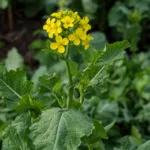 Urnip rape (Brassica rapa) care guideBrassica rapa
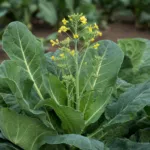 Collard greens (Brassica oleracea) care guideBrassica oleracea
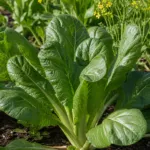 Integrifolia Group (Brassica juncea Integrifolia Group)Brassica juncea Integrifolia Group
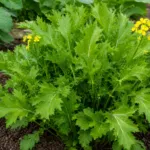 Multiceps Group (Brassica juncea Multiceps Group)Brassica juncea Multiceps Group
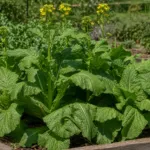 Broad-leaved mustard (Brassica juncea Rugosa Group)Brassica juncea Rugosa Group
 Black Mustard (Brassica nigra) care guideBrassica nigra