
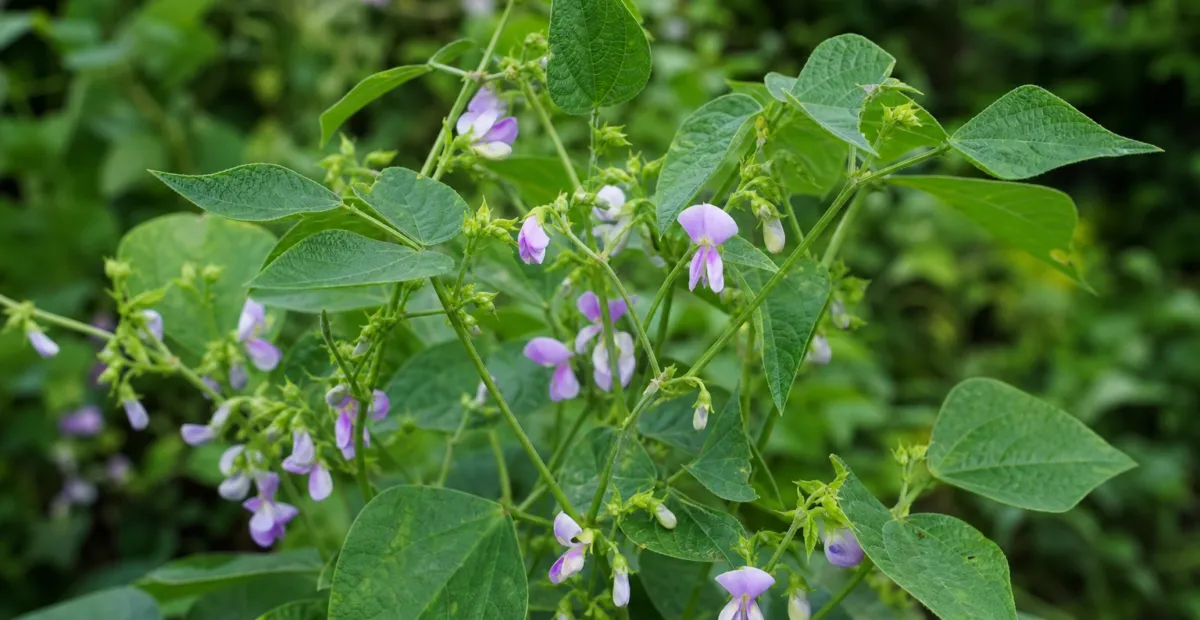
 AI-generated illustration
Creole-bean (Vigna reflexopilosa) short overview
Creole-bean is a little-known Asian Vigna cultivated as a minor pulse and valued by crop researchers as a source of useful genetic diversity. This warm-climate legume is an annual or short-lived perennial with hairy, scrambling stems, trifoliate leaves, yellow papilionaceous flowers, and narrow pods. It is best treated as a tropical food and research plant rather than a typical U.S. garden bean, requiring heat, a long growing season, and protection from frost.
Taxonomic classification
Creole-bean (Vigna reflexopilosa) care guide
Light and placement
Give the plant full sun, ideally in a south-facing position with at least 6–8 hours of direct light. In very hot climates, afternoon shade may reduce stress, but insufficient light encourages weak, stretched growth and fewer flowers. A trellis or open support should not cast prolonged shade over the foliage. Pale leaves, sparse stems and poor flowering suggest inadequate light; scorched margins or abrupt midday wilting suggest excessive heat or root-zone dryness.
Watering and humidity
Water deeply when the upper 1 inch of soil begins to dry, then allow excess water to drain freely. Keep the root zone evenly supplied during flowering and pod development, but avoid constantly saturated soil, which can promote root disease. Reduce watering in cool weather or when growth slows. Higher humidity is useful in dry indoor conditions, although good air movement remains important around dense foliage.
Soil and growing medium
Use a fertile, moisture-retentive but freely draining loam enriched with mature compost. Avoid compacted clay and stagnant, waterlogged beds. A raised bed or container with drainage holes is preferable where heavy rain is common. Slightly acidic to neutral soil is a practical target; extreme alkalinity or strongly acidic conditions may reduce nutrient availability. Do not use a dense, unamended garden soil in containers.
Feeding
Mix a modest amount of finished compost into the planting soil before growth begins. During vigorous growth, apply a balanced vegetable fertilizer at half to normal label strength every 3–4 weeks, especially in containers or poor soil. Avoid heavy nitrogen feeding once flowering starts, because it can produce excessive foliage at the expense of pods. Do not fertilize drought-stressed, waterlogged or dormant plants.
Growth and habit
The species is described as an erect herb in some floristic accounts and as a scrambling vine in others, reflecting variation in habit and growing conditions. Provide a low trellis or brushy support when stems begin to sprawl. Regularly guide young shoots onto the support, keep the planting open for air circulation, and harvest pods promptly if grown as a food crop.
Planting and repotting
Sow seeds after frost danger has passed and soil has warmed thoroughly. Plant about 1 inch deep in loose, fertile soil and keep the seedbed evenly moist until emergence. Space plants 12–18 inches apart, with a trellis or other support nearby for scrambling stems. In colder U.S. regions, start seeds indoors 4–6 weeks before outdoor planting and transplant carefully because legume roots dislike unnecessary disturbance.
Repot only when roots have filled the container or growth has stalled. Move the plant into a slightly larger pot with a drainage hole and a fertile, well-drained mix. Transplant before vigorous flowering if possible, disturb the root ball as little as practical, and water thoroughly afterward. A deep container and trellis are more useful than repeated moves into very large pots.
Propagation and pruning
Propagation
Propagate from seed, the practical method for home or research cultivation. Sow fresh, viable seed about 1 inch deep in warm, lightly moist medium. Provide bottom heat if germination is slow, and transplant seedlings once roots hold the soil together. Because the species is a crop and breeding resource, preserve accession identity and avoid mixing seed lots.
Pruning
Remove dead, diseased or badly tangled stems with clean pruners. Pinch overly long young shoots to encourage branching and keep the plant within its support. After the growing season, cut back frost-damaged growth once it has fully browned. Avoid severe pruning during active flowering unless necessary for access or air circulation.
Overwintering
This is not a frost-hardy outdoor plant in most of the United States. Before temperatures fall below 50°F, move container plants indoors to the brightest available position or collect mature seed. Reduce watering in winter, maintain good air circulation and inspect for mites, whiteflies and fungal problems. Plants grown as annuals can be cleared after seed has matured.
Uses
Creole-bean is documented as an edible, minor or neglected crop and as a valuable genetic resource for improving other Vigna species. Research describes cultivated forms and potential use in future crop development. In the United States it is more practical as a warm-season specialty crop, conservation collection or breeding subject than as a widely available commercial bean. Use only properly identified, correctly prepared material from a reliable source; species-level edibility does not establish that every plant part or preparation is safe.
Appearance
Identification is aided by terete, striate stems covered with yellowish hairs that point backward. Leaves are trifoliate, with a rhomboid-ovate terminal leaflet and somewhat larger, obliquely ovate side leaflets; both surfaces may be hispid. Axillary racemes rise on long, hairy stalks. Flowers are yellow and pea-like, followed by narrow linear pods containing small dark-gray seeds.
Flowering
Flowers are yellow, bisexual and arranged in short axillary racemes carried on relatively long stalks. Floristic descriptions report flowering in June and July in the Chinese range, while plants grown in other tropical regions may flower according to local rainfall and temperature. Flowering is most likely when plants receive strong light, sustained warmth and adequate moisture without waterlogging.
Pollination and visitors
The yellow papilionaceous flowers indicate a typical legume floral structure, but reliable species-specific records identifying the principal animal pollinators or flower visitors were not located. Do not assign bee, bumblebee or butterfly records from general Vigna biology to this exact species without direct documentation.
Vigna reflexopilosa photos
Click any photo for a larger view. Source, author and license are shown separately.
Diseases and pests
Diseases
Avoid overhead irrigation, crowded foliage and poorly drained soil, which increase the risk of root rots, leaf spots and powdery mildew. Water at the soil surface, rotate annual plantings and remove affected leaves promptly. Research on the species reports resistance in some accessions to cucumber mosaic virus and powdery mildew, but resistance is not uniform across all plants and should not replace sanitation or monitoring.
Pests
Inspect tender shoots and leaf undersides for aphids, mites, whiteflies, thrips and chewing insects. Research identifies bean fly as a pest relevant to some accessions. Use insect exclusion, sanitation and strong air circulation first; remove heavily infested material and use a crop-labeled treatment only when necessary. Avoid broad-spectrum sprays during bloom unless the product is specifically compatible with pollinator protection.
Related diseases and pests
Only Plant Doctor profiles whose host data indicate this plant may be affected are shown here.
 DiseaseCucumber mosaic virusCucumber mosaic virus
 PestChilli thripsScirtothrips dorsalis Hood
 DiseaseBacterial blight and cankerPseudomonas syringae pv. syringae
 PestSouthern Green Stink BugNezara viridula
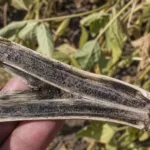 DiseaseCharcoal rotMacrophomina phaseolina (Tassi) Goid.
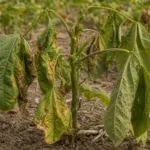 DiseaseBacterial Wilt of Dry BeanCurtobacterium flaccumfaciens pv. flaccumfaciens
 PestMelon aphid (cotton aphid)Aphis gossypii Glover
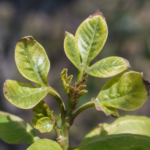 Environmental stressNickel deficiency
Toxicity and pollen
The species is reported in floristic literature as edible and is cultivated as a minor crop, but a comprehensive modern toxicology profile for Vigna reflexopilosa was not located. Do not assume that every plant part, raw seed or preparation is safe. Avoid eating ornamental, wild-collected or unidentified material, and seek medical advice or poison-control guidance after a suspected ingestion or significant exposure.
- Typical season
- No U.S.-specific exposure period documented
- Pollination / pollen
- Insect-associated legume pollen; airborne allergy relevance is not well documented
This is a flowering legume, but species-specific studies measuring airborne pollen, allergenicity or clinical allergy risk were not located. Insect-associated flowers may release less pollen into the air than strongly wind-pollinated plants, but that does not prove zero allergy risk. People with known legume or pollen allergies should avoid handling flowers and pollen until personal tolerance is clear.
Native habitat
In its native range the species occurs in warm, humid tropical regions, including grasslands, wastelands and other disturbed open habitats, generally below about 4,900 feet. It favors heat and seasonal moisture rather than cold climates. Its broad Asian and Southwest Pacific distribution includes both wild populations and areas where related forms have been cultivated.
Interesting fact
The species is the only tetraploid member among the commonly discussed Asian Vigna crops, with 2n = 44. Genetic studies identify Vigna hirtella and Vigna trinervia as its progenitor genome donors. It can partially cross-pollinate with some other Vigna species, making it valuable in crop-breeding research. The epithet reflexopilosa refers to its backward-pointing hairs.
Frequently asked questions (FAQ)
The most relevant questions about this plant, with short and direct answers.
🌱Quick care
What is Vigna reflexopilosa?⌄
Vigna reflexopilosa, commonly called creole-bean, is a scrambling legume in the Fabaceae family. It is native to tropical and subtropical regions of Asia and the Pacific and may grow as an annual or perennial in warm climates.
Is creole-bean easy to grow?⌄
Creole-bean may be manageable for experienced gardeners in warm, frost-free conditions, but it is not a widely documented garden plant. Its main requirements are full sun, moderate moisture, fertile soil, and protection from frost.
Is Vigna reflexopilosa a vine or a bush?⌄
Vigna reflexopilosa is a scrambling or twining plant rather than a compact bush. Provide nearby support or allow it to spread across a suitable trellis or other garden structure.
Is Vigna reflexopilosa available as a common garden plant in the United States?⌄
Vigna reflexopilosa is uncommon in mainstream U.S. garden retail and is more likely to appear through botanical collections, germplasm programs, specialty seed exchanges, or research networks. Confirm the plant’s identity before growing or using any seed.
🌤️Environment and placement
How much sun does creole-bean need?⌄
Creole-bean grows best in full sun, meaning at least 6 hours of direct sunlight daily. Strong light supports vigorous growth and improves the likelihood of flowering and pod development.
What climate is best for Vigna reflexopilosa?⌄
Vigna reflexopilosa is best suited to warm, humid or seasonally wet tropical and subtropical conditions. In the United States, it is most practical outdoors during the warm season or year-round only in frost-free areas.
Can creole-bean survive winter outdoors in the United States?⌄
Creole-bean is frost-tender and generally should not be left outdoors where freezing temperatures occur. In colder USDA zones, grow it as a warm-season plant or move a container indoors before the first frost.
What USDA hardiness zone is suitable for Vigna reflexopilosa?⌄
A definitive USDA hardiness-zone rating is not well established for Vigna reflexopilosa. Because it is frost-tender and tropical in origin, use it outdoors only after danger of frost has passed unless you can provide protected, warm conditions.
Can creole-bean grow in a container?⌄
Creole-bean can likely be grown in a container if it receives full sun, has fertile well-drained potting mix, and is given adequate support. Choose a container large enough for its roots and scrambling growth, with drainage holes.
💧Care and problems
How often should I water Vigna reflexopilosa?⌄
Water Vigna reflexopilosa moderately, keeping the soil evenly but not constantly wet. Allow the surface to dry slightly between waterings, and reduce watering if cool conditions slow growth.
What soil does creole-bean need?⌄
Creole-bean prefers fertile, well-drained loam. Improve poor soil with finished compost, but avoid heavy, waterlogged ground that can reduce root health.
Does Vigna reflexopilosa need fertilizer?⌄
Vigna reflexopilosa may benefit from a modest, balanced fertilizer application when actively growing in poor soil. Avoid excessive nitrogen, which can encourage leafy growth at the expense of flowers and pods.
Why is my creole-bean not flowering?⌄
Insufficient sunlight, cool temperatures, excess nitrogen, or inconsistent moisture can limit flowering in creole-bean. Move it to full sun and maintain warm, evenly moist, well-drained conditions before adding more fertilizer.
What pests affect Vigna reflexopilosa?⌄
Specific pest information for Vigna reflexopilosa is limited, but aphids, spider mites, whiteflies, leaf-chewing insects, and bean pests may affect related Vigna plants. Inspect new growth and leaf undersides regularly and use the least disruptive control appropriate for the pest.
How can I prevent root rot in creole-bean?⌄
Prevent root rot by planting creole-bean in well-drained soil, using containers with drainage holes, and avoiding standing water. Let the soil surface dry slightly between moderate waterings.
🪴Planting and repotting
When should I plant creole-bean outdoors?⌄
Plant creole-bean outdoors only after the last expected frost, when soil and nighttime temperatures are reliably warm. In much of the United States, this means late spring or early summer, with timing adjusted to the local climate.
How deep should Vigna reflexopilosa seeds be planted?⌄
A species-specific planting depth is not well documented for Vigna reflexopilosa. As a practical starting point, sow seeds about 1 inch deep in warm, lightly moist soil and adjust if the seed supplier provides different instructions.
Does creole-bean need a trellis?⌄
A trellis is recommended because creole-bean has scrambling growth and may become difficult to manage without support. Use a sturdy structure with surfaces that young stems can climb or rest against.
✂️Propagation and pruning
How do you propagate Vigna reflexopilosa?⌄
Seed is the most appropriate propagation method for Vigna reflexopilosa. Sow fresh, viable seed in warm, well-drained medium and keep it lightly moist until germination.
Can creole-bean be propagated from cuttings?⌄
Cutting propagation is not well documented for creole-bean, so seed propagation is the more defensible method. If experimenting with cuttings, treat results as uncertain rather than guaranteed.
Should I prune Vigna reflexopilosa?⌄
Prune Vigna reflexopilosa mainly to remove damaged growth, control spread, or redirect stems onto support. Avoid heavy pruning during flowering unless the plant has become unmanageable.
⚠️Toxicity and safety
Is Vigna reflexopilosa poisonous to people?⌄
The toxicity of Vigna reflexopilosa has not been established, so do not eat its seeds, pods, leaves, or other parts. Keep plant material away from children and pets and seek medical or veterinary advice after ingestion.
Are creole-bean seeds edible?⌄
The edibility of creole-bean seeds is not sufficiently established for home use. Although some Vigna species are food crops, that does not confirm that Vigna reflexopilosa seeds are safe to eat.
Is creole-bean safe for dogs and cats?⌄
The safety of creole-bean for dogs and cats is unknown because species-specific toxicity data are limited. Prevent pets from chewing the plant, and contact a veterinarian or animal poison service if ingestion occurs.
🌸Flowering and special interest
What do creole-bean flowers look like?⌄
Creole-bean produces pea-like legume flowers, although detailed color descriptions can vary among sources and forms. Flowers are followed by narrow bean-like pods when pollination and growing conditions are favorable.
Does Vigna reflexopilosa produce pods?⌄
Yes, Vigna reflexopilosa produces linear legume pods containing seeds. Allow pods to mature on the plant if collecting seed, but do not assume the seeds are edible because food-safety information for this species is limited.
Can creole-bean self-pollinate?⌄
Reliable species-specific information about self-pollination in Vigna reflexopilosa is limited. Flowering and pod set may also depend on temperature, pollinator activity, plant health, and the particular genetic line.
Similar plants
 Azure Monkshood (Aconitum carmichaelii) care guideAconitum carmichaelii
 Monkshood (Aconitum ‘Stainless Steel’)Aconitum 'Stainless Steel'
 Monkshood (Aconitum ‘Bressingham Spire’)Aconitum 'Bressingham Spire'
 Golden full moon maple (Acer shirasawanum ‘Aureum’)Acer shirasawanum 'Aureum'
 Globosum (Acer platanoides ‘Globosum’)Acer platanoides 'Globosum'
 Striped maple (Acer pensylvanicum) care guideAcer pensylvanicum