

Melon aphid (cotton aphid)
Aphis gossypii GloverMelon aphid (cotton aphid) overview
Melon aphid, also called cotton aphid, is a small, highly variable aphid that colonizes tender shoots and leaf undersides of cucurbits, cotton, citrus, okra, carrots, ornamentals and many weeds. Feeding can curl and yellow foliage, reduce vigor, contaminate surfaces with honeydew and encourage sooty mold. It is also an important vector of several plant viruses, especially in cucurbit production, so early detection and integrated management matter.
Typical conditions
Overview
Melon aphids feed in colonies on leaf undersides, tender shoots, growing tips, flower buds, and occasionally fruit surfaces. They remove phloem sap and excrete sticky honeydew. Light infestations may have little effect on vigorous plants, while heavy populations can distort new growth, reduce photosynthesis, contaminate cotton lint or harvestable surfaces, and weaken young plants.
The species has a very broad host range, including cucurbits, cotton, citrus, carrot, okra, beans, peppers, eggplant, tomatoes, many flowers, woody ornamentals, and weeds. Aphids are difficult to identify reliably from photographs because color and body form vary, and other aphid species may occur on the same host.
Symptoms and identification
Look for clusters of small, soft-bodied, pear-shaped aphids on the undersides of leaves and around tender shoots. Individuals may be winged or wingless and range from pale yellow or green to blue-green, brownish, or nearly black.
- Downward or inward leaf curling and puckering.
- Distorted, stunted, or weakened growing tips.
- Yellowing, premature leaf decline, or reduced plant vigor during heavy feeding.
- Sticky honeydew on leaves, fruit, pots, or surfaces beneath the plant.
- Black sooty mold growing on honeydew; the mold is secondary and does not itself infect the plant.
- Ant activity around colonies, because ants collect honeydew and may protect aphids from predators.
- In cucurbits and other virus-susceptible crops, virus symptoms may appear even when aphid numbers are low because brief probing can transmit some viruses.
Causes and spread
The pest is spread locally by winged adults flying or being carried on air currents from crowded colonies, declining plants, weeds, or nearby crops. It can also be moved on infested transplants, cuttings, harvested plant material, tools, clothing, and equipment.
High nitrogen availability and lush, soft growth can favor rapid colony increase. Ants may protect aphids from natural enemies. Aphid probing can transmit some plant viruses between plants; transmission may occur before a conventional spray can eliminate the vector, making sanitation, resistant varieties where available, exclusion, and removal of virus sources important parts of an IPM program.
Life cycle and persistence
Melon aphid commonly reproduces rapidly by live birth, with females producing nymphs without mating during much of the growing season. Nymphs pass through several molts and can become reproductive adults in a short period under favorable conditions. Crowding, declining host quality, and seasonal change promote production of winged forms that disperse to new plants.
Seasonal biology varies with climate and host availability. In colder regions, sexual forms and overwintering eggs may occur on suitable woody or perennial hosts, while in warmer parts of the United States colonies may persist year-round on living crops, ornamentals, and weeds. Exact overwintering hosts are not uniform across the country, so local Extension guidance is more reliable than a single national calendar.
Treatment and control
First determine whether aphids are increasing, damaging new growth, contaminating a marketable crop, or creating a significant virus risk. Many small colonies can be managed by water sprays, pruning, improved plant care, and conservation of natural enemies. Recheck treated plants after several days because eggs are not the main stage in active colonies and newly arriving winged aphids can recolonize rapidly.
For persistent or economically important infestations, select a product whose current U.S. label specifically includes the crop, aphids, and intended use site. Follow all label directions, personal-protective-equipment requirements, application limits, reentry and preharvest intervals, drift precautions, and pollinator restrictions. Rotate effective modes of action when treatment is necessary and avoid repeated use of the same chemistry, because melon aphid populations can develop insecticide resistance.
Low-impact and biological control
Begin with monitoring and nonchemical suppression. Inspect young growth and leaf undersides at least weekly, especially on cucurbits, cotton, citrus flush, okra, and ornamentals. A strong stream of water can dislodge aphids from sturdy plants; repeat as needed and avoid damaging tender tissue.
- Remove heavily infested shoot tips or leaves when practical, and dispose of them away from the planting.
- Use insecticidal soap or horticultural oil only when the product label permits the crop and site. Thorough coverage of aphids is essential because these materials have little residual activity.
- Conserve lady beetles, lacewings, syrphid larvae, predatory bugs, spiders, and aphid parasitoids by avoiding unnecessary broad-spectrum insecticides.
- Control heavily infested weeds near valuable crops, but do not remove flowering plants indiscriminately if they support beneficial insects.
- Manage ants where they are protecting aphid colonies, using methods appropriate for the site and label directions.
- In virus-sensitive cucurbits, use row covers or reflective mulch where locally recommended, remove infected plants when appropriate, and avoid relying on insecticide sprays alone to prevent virus acquisition.
Prevention
Scout early and regularly, concentrating on undersides of leaves and actively growing tissue. Start with clean, aphid-free transplants and quarantine new plants when practical. Avoid excessive nitrogen fertilization and maintain even watering so plants do not produce overly succulent growth or become stressed.
- Remove crop residues and manage persistent aphid-infested weeds near production areas.
- Use insect-exclusion netting or row covers on susceptible young crops where pollination and crop growth permit.
- Choose locally adapted or aphid- and virus-tolerant varieties when available.
- Inspect plants before moving them between greenhouse, nursery, and landscape areas.
- Use yellow sticky cards as monitoring aids in protected culture, but do not treat trap counts alone as a control threshold.
- Record aphid numbers, plant stage, beneficial insects, and virus symptoms before deciding whether treatment is justified.
Interesting facts
- Color is unusually variable in this species; one colony may contain pale yellow, green, blue-green, amber, and dark individuals.
- The common names melon aphid and cotton aphid reflect important crop associations, not a narrow host range.
- Winged forms allow rapid movement between crops and weeds when colonies become crowded or host quality declines.
- Natural enemies include lady beetles, lacewings, syrphid larvae, predatory bugs, spiders, and parasitoid wasps such as Lysiphlebus and Aphidius species.
- Some host records and overwintering patterns differ by region and aphid strain, so a broad published host list should not be treated as proof that every plant is equally suitable.
Use only insecticides legally authorized for the specific crop, pest, and application site in the United States, and follow the current product label exactly. Labels, registered crops, preharvest intervals, pollinator precautions, and resistance-management requirements can change. Avoid routine broad-spectrum sprays when beneficial insects are active, because disruption of biological control may cause aphid resurgence.
Affected plants
The plants below are linked to this problem by structured host-plant data. The list updates automatically as new plant profiles are added.
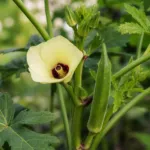 Okra (Abelmoschus esculentus) care guideAbelmoschus esculentus
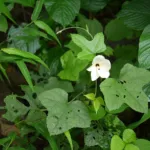 Aibika (Abelmoschus manihot) care guideAbelmoschus manihot
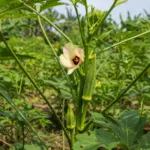 West African Okra (Abelmoschus caillei) care guideAbelmoschus caillei
 Pepper (Capsicum annuum) care guideCapsicum annuum
 Bishop’s Crown (Capsicum annuum ‘Bishop’s Crown’)Capsicum annuum 'Bishop's Crown'
 Cherry Bomb (Capsicum annuum ‘Cherry Bomb’)Capsicum annuum 'Cherry Bomb'
 Explosive Ember Chili Pepper (Capsicum annuum ‘Explosive Ember’)Capsicum annuum 'Explosive Ember'
 Numex Twilight (Capsicum annuum ‘Numex Twilight’)Capsicum annuum 'Numex Twilight'
 Purple Beauty (Capsicum annuum ‘Purple Beauty’)Capsicum annuum 'Purple Beauty'
 Serrano (Capsicum annuum ‘Serrano’)Capsicum annuum 'Serrano'
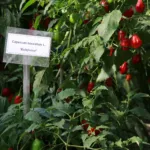 Capsicum baccatum care guideCapsicum baccatum
 Yellow lantern chili (Capsicum chinense) care guideCapsicum chinense