
 Source:
 Aibika (Abelmoschus manihot) short overview
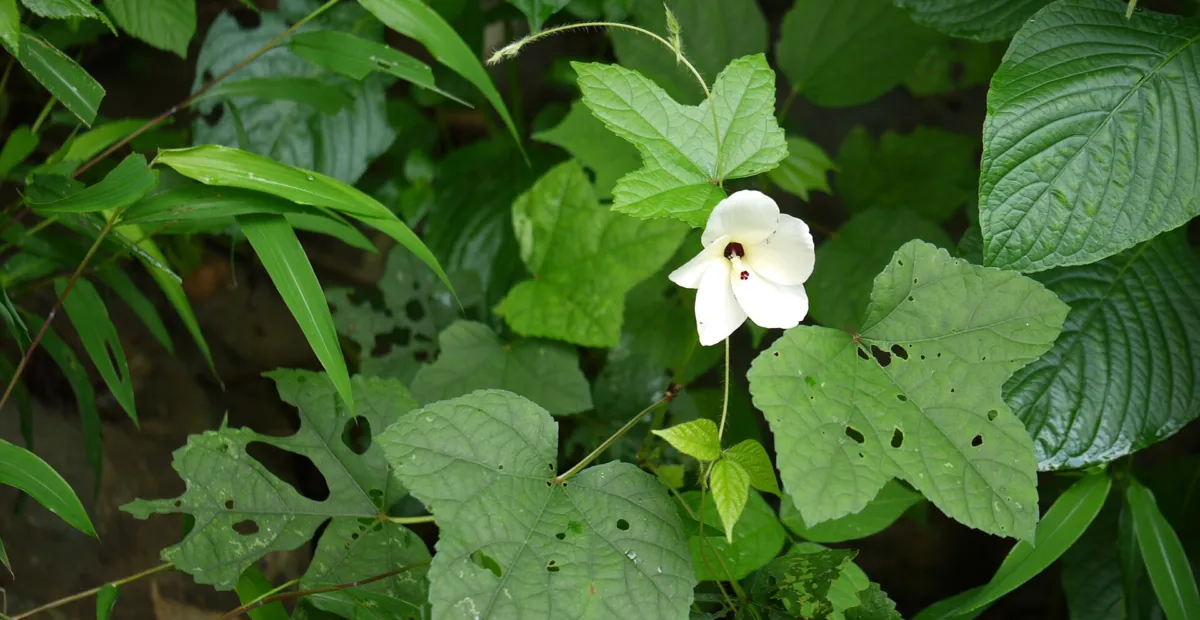
Aibika is a fast-growing tropical-to-subtropical member of the okra family, cultivated in warm regions for its tender edible leaves and attractive hibiscus-like flowers. It forms an upright, branching plant with deeply lobed foliage and large pale-yellow blooms marked by a dark maroon center. In most of the United States it is grown as a warm-season annual or overwintered indoors, while frost-free gardeners may maintain it as a perennial.
Taxonomic classification
Aibika (Abelmoschus manihot) care guide
Light and placement
Give Aibika a warm position with at least 6 hours of direct sun, ideally with southern or southeastern exposure and shelter from cold winds. Strong light supports compact branching, larger leaves and reliable flowering. Pale, widely spaced growth indicates insufficient light; scorched leaf edges, wilting despite moist soil or bleached foliage suggest excessive heat, reflected light or root stress.
Watering and humidity
Water deeply when the surface begins to dry, keeping the root zone consistently moist but never stagnant. In hot summer weather, container plants may need water daily, while in-ground plants usually need less frequent but thorough irrigation. Reduce watering in cool weather and after cutting back. Good air movement helps limit foliar disease when humidity is high.
Soil and growing medium
Use fertile soil with abundant organic matter, reliable moisture retention and good drainage. A loam amended with compost is suitable; avoid compacted clay that stays saturated and very sandy soil that dries rapidly. Slightly acidic to neutral conditions are suitable. In containers, use a quality potting mix amended with compost rather than dense garden soil.
Feeding
Mix compost or well-rotted organic matter into the planting area before growth begins. During the warm growing season, feed every 3–4 weeks with a balanced vegetable fertilizer at label strength, or use a moderate compost top-dressing. Avoid heavy nitrogen applications late in the season or when plants are drought-stressed, as lush soft growth can be more disease-prone.
Growth and habit
Growth is rapid in warmth, with an upright, branching habit and a tendency to become woody toward the base. Regular harvesting of young shoots encourages branching and a steady supply of tender foliage. Plants may become sparse or leggy under low light, while hard cutting back can rejuvenate older specimens in frost-free climates.
Planting and repotting
Transplant only after frost danger has passed and nighttime temperatures are reliably warm. Harden seedlings gradually before planting outdoors. Set plants at the same depth as in their containers, water thoroughly and mulch lightly to stabilize soil moisture without covering the stem. Harvesting young shoots soon after establishment promotes a fuller plant.
Move container plants into a slightly larger pot when roots fill the existing container or growth becomes stagnant. Use a rich, well-drained potting mix and a container with drainage holes. Repot in spring or early summer, disturbing roots as little as practical, then water thoroughly and protect from intense midday stress until recovery.
Propagation and pruning
Propagation
Propagate from seed or softwood cuttings. Sow seeds indoors 6–8 weeks before outdoor planting, covering them lightly and keeping the medium warm and evenly moist. Cuttings root best from vigorous, non-flowering shoots under warm, humid conditions. Seed is generally the simplest method for seasonal production.
Pruning
Harvest young shoot tips regularly to encourage branching and maintain tender foliage. Remove spent flowers or developing capsules if seed production is not wanted. In frost-free climates, cut back leggy or frost-damaged growth in late winter or early spring. In colder areas, discard spent plants or take cuttings before frost.
Overwintering
In zones colder than its reliable outdoor range, grow Aibika in a container and bring it indoors before temperatures approach frost. Place it in the brightest available window or under grow lights, reduce watering during low-light months and check regularly for mites and whiteflies. Cut back leggy stems before or after moving indoors.
Uses
The young leaves are used as a cooked leafy vegetable and develop a mucilaginous texture similar to okra. Flower buds and flowers are also reported as edible in traditional food systems, but use only correctly identified plants grown without ornamental pesticides. It is useful in warm-climate vegetable gardens, edible landscapes, large containers and pollinator-oriented plantings.
Appearance
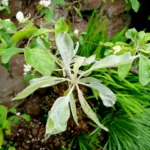
The stems are upright and somewhat woody at the base. Leaves are large, green and palmately lobed, with a distinctive okra-like outline and long petioles. Flowers are borne singly near the ends of branches or in leaf axils. Elongated green capsules follow flowering and can become bristly as they mature.
Flowering
Each flower is large, pale yellow and five-petaled, with a contrasting dark maroon or purple basal eye. Individual blooms last about one day, but successive flowers may appear from midsummer into fall when plants receive warmth, moisture and full sun. Capsule fruits develop after successful flowering.
Pollination and visitors
The large, open flowers are documented as attractive to butterflies. The plant’s flowers also provide accessible visual floral resources in warm-season gardens, although species-level pollinator records are not sufficiently consistent here to name a particular butterfly.
Abelmoschus manihot photos
Click any photo for a larger view. Source, author and license are shown separately.
Diseases and pests
Diseases
Prevent disease with full sun, good spacing, clean watering practices and well-drained soil. Watch for leaf spots, powdery mildew and root or crown rot, especially where foliage remains wet or soil stays saturated. Remove badly affected leaves, improve air circulation and avoid overhead irrigation. Do not compost severely diseased material.
Pests
Inspect young growth and leaf undersides for aphids, whiteflies, spider mites, caterpillars and leaf-mining damage. Rinse foliage with water, encourage natural predators and use insecticidal soap or horticultural oil only when necessary and according to the product label. Avoid spraying open flowers when pollinators are active.
Related diseases and pests
Only Plant Doctor profiles whose host data indicate this plant may be affected are shown here.
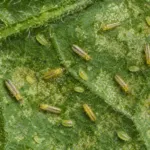 PestMelon thripsThrips palmi Karny
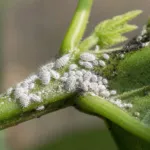 PestCotton mealybugPhenacoccus solenopsis Tinsley
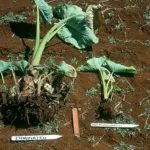 PestJavanese Root-Knot NematodeMeloidogyne javanica
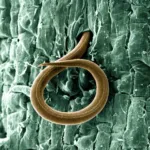 PestSouthern root-knot nematodeMeloidogyne incognita
 DiseaseMaple powdery mildewSawadaea bicornis
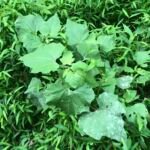 DiseaseCucurbit Powdery MildewPodosphaera xanthii (Castagne) U. Braun & Shishkoff
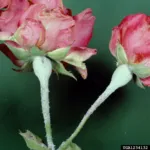 DiseaseRose powdery mildewPodosphaera pannosa
 DiseaseApple Powdery MildewPodosphaera leucotricha
Toxicity and pollen
Reliable veterinary and human-poisoning references do not provide a clear, species-specific toxicity classification for Abelmoschus manihot. Although the leaves and flowers are used as food in traditional cuisines, edible use should be limited to correctly identified, properly cultivated and cooked material. Avoid medicinal self-treatment and discontinue use if irritation or digestive symptoms occur.
- Typical season
- Usually summer through fall in the United States
- Pollination / pollen
- Pollen presented within the flower to insect visitors
Aibika produces pollen as a flowering plant, but dependable data on airborne pollen counts and human allergy reactions are limited. Its conspicuous flowers are insect-pollinated, which may reduce airborne dispersal compared with wind-pollinated plants, but this does not prove zero allergy risk. Sensitive gardeners should avoid handling flowers during symptoms and wash hands after contact.
Native habitat
In its native range, Aibika occurs in tropical and subtropical environments including grassland, streamside areas and disturbed ground. It favors warm conditions, fertile soils and dependable moisture, and performs best where the growing season is long and frost is absent or brief.
Interesting fact
Aibika is closely related to okra and shares the family Malvaceae. Its cooked leaves are valued for their gelatinous texture. The species is perennial in warm climates but is often treated as an annual in temperate United States gardens. The genus name Abelmoschus refers to musk-like fragrance associated with some fruits or seeds in the genus.
Frequently asked questions (FAQ)
The most relevant questions about this plant, with short and direct answers.
🌱Quick care
What is Aibika (Abelmoschus manihot)?⌄
Aibika is a tropical or subtropical leafy vegetable and flowering plant in the mallow family, Malvaceae. It is also grown ornamentally for its large yellow hibiscus-like flowers.
Is Aibika the same as okra?⌄
No, Aibika is not the same species as okra, although both belong to the genus Abelmoschus. Aibika is primarily grown for its edible leaves and tender stem tips rather than its seed pods.
How large does Aibika get?⌄
Aibika can become a tall, branching shrub or herbaceous perennial, commonly reaching about 6 feet and sometimes growing taller in warm, favorable conditions. Regular harvesting and tip pruning can keep it shorter and bushier.
🌤️Environment and placement
How much sun does Aibika need?⌄
Aibika grows best in full sun, meaning at least 6 hours of direct sunlight daily. Some afternoon shade can help in very hot, dry locations, but too much shade may reduce compact growth and flowering.
Is Aibika perennial or annual in the United States?⌄
Aibika is perennial only where winters remain warm and frost-free; elsewhere in the United States it is usually grown as a warm-season annual or overwintered indoors. Protect it from frost because cold temperatures can kill the top growth or the entire plant.
What USDA hardiness zones can grow Aibika outdoors?⌄
Aibika is best suited to frost-free or nearly frost-free parts of the United States, especially tropical and subtropical areas. In colder USDA zones, grow it as an annual or move a container indoors before the first frost rather than relying on winter survival.
Can Aibika survive frost?⌄
No, Aibika is not frost-hardy. Protect container plants before freezing weather and cover or relocate outdoor plants when frost is forecast, although established plants may sometimes resprout after mild cold damage in warm climates.
💧Care and problems
How often should I water Aibika?⌄
Water Aibika regularly so the soil remains evenly moist but not waterlogged. Avoid allowing the plant to dry out, especially during hot weather or while it is establishing.
Can I harvest Aibika leaves repeatedly?⌄
Yes, Aibika tolerates repeated harvesting when only young leaves and tender shoot tips are removed. Harvest selectively and leave enough foliage for continued photosynthesis and vigorous regrowth.
Why is my Aibika growing slowly?⌄
Aibika grows slowly when temperatures are cool, light is inadequate, moisture is inconsistent, or soil fertility is poor. Warm weather, full sun, rich soil, and regular watering usually improve growth.
Why is my Aibika tall and leggy?⌄
Aibika becomes tall and sparse when it receives insufficient light or is not pinched regularly. Move container plants into brighter light and prune the growing tips to encourage side branches.
Does Aibika need fertilizer?⌄
Aibika benefits from fertile soil enriched with compost and may respond to a balanced fertilizer during active growth. Avoid excessive fertilizer, especially in containers, because lush growth can become weak and overly soft.
What pests and diseases affect Aibika?⌄
Aibika can experience common vegetable pests such as aphids, whiteflies, and caterpillars, while overly wet conditions can contribute to root or stem problems. Inspect leaves regularly, improve air circulation, and avoid keeping the soil saturated.
🪴Planting and repotting
What type of soil is best for Aibika?⌄
Aibika prefers rich, moisture-retentive but well-drained loam. Improve poor soil with compost, while avoiding sites that stay saturated around the roots.
Can Aibika grow in containers?⌄
Yes, Aibika can grow in a large container with rich, well-drained potting mix and consistent moisture. Choose a heavy container because mature plants can become tall and top-heavy.
When should I plant Aibika outdoors?⌄
Plant Aibika outdoors after the danger of frost has passed and the soil has warmed. In the United States, the timing varies by location, but warm soil and nighttime temperatures consistently above about 50°F support better establishment.
✂️Propagation and pruning
How do I grow Aibika from seed?⌄
Sow Aibika seeds in a warm, bright location and keep the growing medium evenly moist. Transplant seedlings outdoors only after frost danger has passed, because young plants grow poorly in cold conditions.
How do I propagate Aibika from cuttings?⌄
Stem cuttings are usually the easiest way to propagate Aibika. Take a healthy cutting with several nodes, remove lower leaves, and place it in moist soil or a rooting medium kept warm and evenly moist until roots develop.
How long do Aibika cuttings take to root?⌄
Aibika cuttings generally root within several weeks under warm, moist conditions, although timing varies with temperature, cutting maturity, and humidity. Replace cuttings that show no signs of growth after several weeks.
How should I prune Aibika?⌄
Pinch or cut back growing tips to encourage branching and a more compact plant. Tip pruning also provides tender edible shoots, but avoid removing too much foliage at once because that can slow regrowth.
⚠️Toxicity and safety
Are Aibika leaves edible?⌄
Yes, young Aibika leaves and tender stem tips are traditionally eaten as cooked greens. They may become more fibrous with age and can develop a mucilaginous, slightly gelatinous texture when cooked.
Can Aibika leaves be eaten raw?⌄
Young Aibika leaves may be eaten fresh, but cooking is the more common preparation and is preferable for mature leaves. Only eat material from a plant that has been correctly identified and grown without unsafe chemical residues.
Are Aibika flowers edible?⌄
Some sources report that Aibika flowers or flower buds are edible, but the leaves and tender shoots are the better-documented food parts. Use only correctly identified, pesticide-free flowers and prepare them according to a trusted culinary source.
Is Aibika toxic to humans or pets?⌄
Aibika toxicity has not been firmly established, so it should not be assumed completely safe for people or pets in all circumstances. Avoid medicinal use, do not feed it to animals without veterinary guidance, and eat only correctly identified plant parts prepared as food.
🌸Flowering and special interest
Why is my Aibika not flowering?⌄
Aibika may fail to flower when it is grown in too much shade, exposed to cool temperatures, or repeatedly pruned for leaf production. Warm conditions and full sun support flowering, although some plants may flower later than expected.
What do Aibika flowers look like?⌄
Aibika produces large, hibiscus-like flowers that are usually pale yellow with a dark maroon or purple center. Flowers are typically borne singly or toward the ends of branches.
When does Aibika bloom?⌄
Aibika often blooms during the warmer part of the growing season, with timing influenced by temperature, day length, plant age, and variety. Plants grown primarily for leaf harvest may flower later because regular tip removal can delay flowering.
Similar plants
 Azure Monkshood (Aconitum carmichaelii) care guideAconitum carmichaelii
 Monkshood (Aconitum ‘Stainless Steel’)Aconitum 'Stainless Steel'
 Monkshood (Aconitum ‘Bressingham Spire’)Aconitum 'Bressingham Spire'
 Golden full moon maple (Acer shirasawanum ‘Aureum’)Acer shirasawanum 'Aureum'
 Globosum (Acer platanoides ‘Globosum’)Acer platanoides 'Globosum'
 Striped maple (Acer pensylvanicum) care guideAcer pensylvanicum