
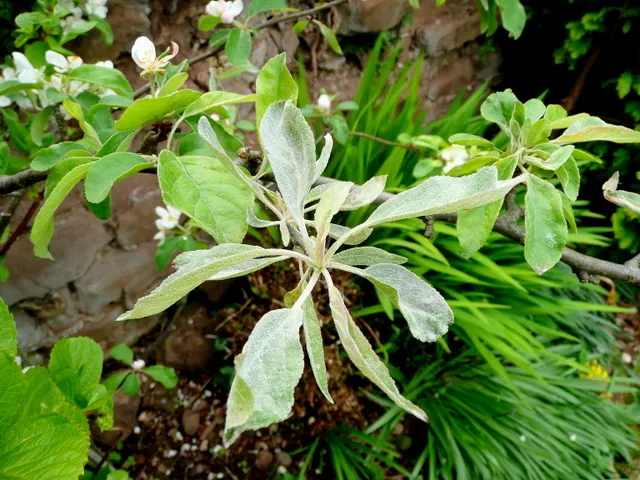
Apple Powdery Mildew
Podosphaera leucotrichaApple Powdery Mildew overview
Apple powdery mildew is a fungal disease caused by Podosphaera leucotricha. It primarily attacks young apple leaves, shoots, flower clusters, buds, and developing fruit, producing white, felt-like growth, distorted foliage, blossom injury, and russeted or corky fruit scars. The fungus survives mainly in infected buds and spreads by windborne spores during periods of active spring growth.
Typical conditions
Overview
Apple powdery mildew is a disease of apple and certain related hosts. The fungus forms a superficial white to gray mycelial layer and spore-producing growth on young leaves, shoots, buds, blossoms, and sometimes fruit.
In the United States, the disease is most important in susceptible apple cultivars and orchards with a history of infection. Diagnosis should distinguish it from other powdery mildews, because several Podosphaera and related species can produce similar symptoms on fruit crops.
Symptoms and identification
- Young leaves develop white, felt-like or floury patches, often on the lower surface.
- Leaves may curl, twist, fold upward, pucker, or become brittle; severe infections can cause premature leaf drop.
- Terminal shoots may be shortened and covered with white fungal growth.
- Infected flower clusters can be distorted, discolored, or fail to develop normally.
- Young fruit may develop netlike, bronze, rough, or corky russeted scars that remain visible as the fruit expands.
- Infected buds may be weakened and more vulnerable to winter injury.
Causes and spread
The pathogen survives primarily as mycelium in infected dormant lateral and terminal buds. In spring, infected buds produce diseased shoots that release conidia. These spores are carried by air to susceptible young leaves, flowers, shoots, and fruit.
Unlike many foliar pathogens, free water is not required for powdery mildew spores to germinate after landing on a suitable surface. High relative humidity, active succulent growth, crowded canopies, shade, and susceptible cultivars promote disease development. Nearby heavily infected apple trees can provide additional inoculum.
Life cycle and persistence
Podosphaera leucotricha is an obligate parasite that obtains nutrients from living host tissue. It overwinters mainly in infected apple buds. During spring shoot emergence, the fungus resumes growth and produces chains of airborne conidia on infected tissue.
Conidia initiate repeated secondary infections throughout periods of susceptible new growth. The youngest leaves and tissues are most vulnerable; mature leaves become less susceptible. Fruit infection is especially associated with the period from pink stage through bloom, although susceptibility and symptom expression vary by cultivar and host.
Treatment and control
Begin management early, before extensive colonies cover new growth. Prune out clearly infected shoots during the dormant season and remove heavily affected tissue where feasible during the growing season without causing excessive regrowth. Improve canopy openness and correct overly vigorous growth.
For trees with a recurring history of disease, use a preventive, label-directed fungicide program timed to protect susceptible new tissue, generally beginning around the tight-cluster to bloom period when risk is high. Product choice and timing depend on the crop, state, cultivar, disease history, and label. Rotate fungicide groups when repeated applications are necessary and integrate sprays with sanitation and cultivar selection.
Low-impact and biological control
Use resistant or tolerant cultivars, dormant pruning, canopy management, and removal of infected shoots as the foundation of organic control. Sulfur products and certain horticultural or plant-based oils may be available for organically managed apples, but efficacy, crop safety, timing, and allowed uses vary.
Do not apply sulfur or oils during conditions that can injure foliage or fruit, and do not assume that a product is permitted in certified organic production without checking its current certification and product label. Cultural practices are most effective when started before disease becomes extensive.
Prevention
- Select cultivars with documented tolerance or reduced susceptibility where suitable for the site; susceptibility varies substantially among apple cultivars.
- During dormant pruning, remove and destroy visibly infected shoots and abnormal mildew-infected buds when practical.
- Train and prune trees to improve light penetration and air movement without stimulating excessive, soft regrowth.
- Avoid excessive nitrogen fertilization and overly vigorous late-season growth.
- Monitor from bud break through early summer, concentrating on terminal shoots, young leaves, blossoms, and fruit.
- Remove neglected or severely diseased nearby apple growth when legally and practically possible, because it can supply spores.
Interesting facts
- Podosphaera leucotricha is a living-tissue-dependent fungus and is associated especially strongly with apple production.
- Its conidia are wind-dispersed and can germinate without free water, which helps explain why powdery mildew may develop during relatively dry weather when humidity is high.
- Infected apple buds can produce diseased shoots that act as important early-season sources of inoculum.
- The same fungus has been documented on some non-apple hosts, including quince and certain peach fruit infections, but host susceptibility and disease importance vary.
- Peach rusty spot associated with P. leucotricha is distinct from the more common peach powdery mildew caused by Sphaerotheca pannosa.
Use only fungicides legally authorized and currently labeled for powdery mildew on the specific crop in the United States and in the relevant state. Follow the current label exactly, including rate, timing, personal protective equipment, reentry interval, preharvest interval, bee and environmental precautions, and resistance-management requirements. Do not use a product based solely on a recommendation for another crop or another powdery mildew species.
Affected plants
The plants below are linked to this problem by structured host-plant data. The list updates automatically as new plant profiles are added.
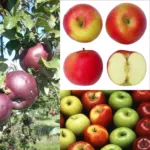 Apple tree (Malus domestica) care guideMalus domestica
 Tagetes (Tagetes erecta) care guideTagetes erecta
 Boxelder (Acer negundo) care guideAcer negundo
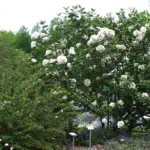 Arrowwood (Viburnum carlesii) care guideViburnum carlesii
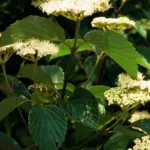 Arrow-wood (Viburnum dentatum) care guideViburnum dentatum
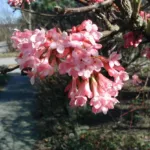 Fragrant viburnum (Viburnum farreri) care guideViburnum farreri
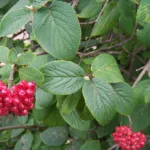 Wayfaring-tree (Viburnum lantana) care guideViburnum lantana
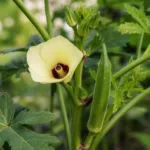 Okra (Abelmoschus esculentus) care guideAbelmoschus esculentus
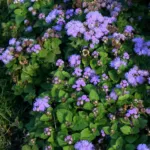 Flossflowe (Ageratum houstonianum) care guideAgeratum houstonianum
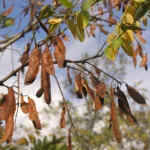 False Acacia (Robinia pseudoacacia) care guideRobinia pseudoacacia
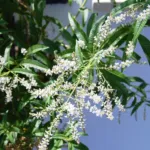 Lemon verbena (Aloysia citrodora) care guideAloysia citrodora
 Common Garden Peony (Paeonia lactiflora) care guidePaeonia lactiflora