
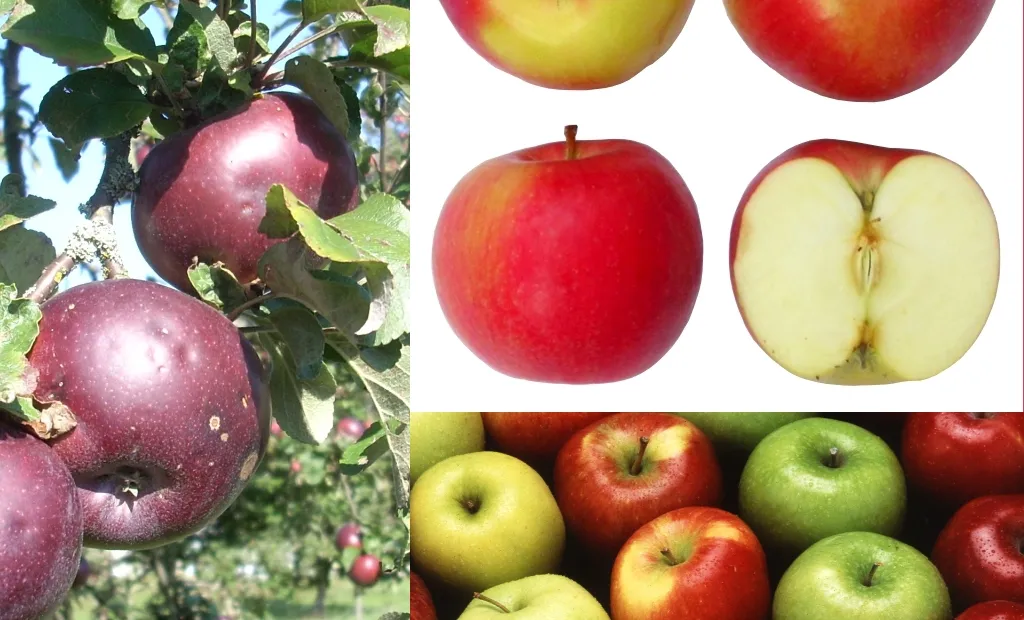
 Source:
 Apple tree (Malus domestica) short overview
Apple tree is a deciduous fruit tree cultivated across the United States for its spring blossoms and edible apples. Most garden trees are grafted onto size-controlling rootstocks, so mature height varies widely from dwarf to standard forms. Full sun, well-drained soil, regular moisture, winter chilling, annual pruning, and careful management of pests and diseases are important for dependable flowering and fruit production.
Taxonomic classification
Apple tree (Malus domestica) care guide
Light and placement
Choose an open site with at least 6 hours of direct sun, preferably with morning and afternoon exposure. A south- or west-facing position can improve flowering and fruit ripening, provided the root zone does not dry excessively. Sparse flowering, weak shoots and small fruit can indicate inadequate light; scorched leaves or drought stress in hot reflected heat may indicate excessive exposure combined with insufficient moisture.
Watering and humidity
Water deeply through the root zone rather than applying frequent shallow sips. Keep newly planted trees evenly moist during establishment, then adjust to weather while avoiding saturated soil. During flowering, fruit enlargement and summer heat, drought stress can reduce fruit size and quality. Apply mulch over the root area but keep it away from the trunk; avoid wetting foliage late in the day where disease pressure is high.
Soil and growing medium
Use deep, fertile soil that drains freely but retains enough moisture for steady summer growth. Loam is ideal; heavy clay should be improved through site selection and organic matter, while very sandy soil benefits from compost and thicker mulch. Avoid permanently wet locations and compacted planting beds. A mildly acidic to neutral reaction generally supports nutrient availability, although established trees tolerate a broader range.
Feeding
Incorporate mature compost before planting and use a fertilizer formulated for fruit trees only if growth or soil tests indicate a need. Feed in early spring as growth begins, following the product label and avoiding excessive nitrogen. Too much nitrogen can produce vigorous leafy shoots, delay fruiting and increase some pest and disease problems. Do not fertilize drought-stressed, freshly transplanted or late-season trees heavily.
Growth and habit
Apple trees have a dense, rounded to spreading crown and medium growth rate. Natural size is strongly modified by grafted rootstock: dwarf, semi-dwarf and standard trees differ substantially in mature height, anchorage and maintenance needs. Most commercial garden trees fruit earlier and remain easier to prune and harvest when grafted onto dwarfing or semi-dwarfing stock.
Planting and repotting
Prepare a broad, well-drained planting area rather than a deep amended hole. Spread roots naturally, backfill with native soil and water thoroughly. Stake only when needed, protect the trunk from mower injury and maintain a weed-free mulch ring. Select cultivars suited to local winter chilling and provide a compatible pollinizer when required.
Only dwarf apple trees are reasonably suited to large containers. Repot or root-prune container trees while dormant, moving them into a slightly larger container only when roots fill the existing one. Use a sturdy, well-drained mix, maintain the graft union above the substrate and refresh the growing medium periodically. Container trees need more frequent watering and winter root protection than trees in the ground.
Propagation and pruning
Propagation
Named cultivars are normally propagated by grafting or budding onto selected rootstocks. Seed propagation is practical for producing rootstocks or seedlings but does not reproduce the parent cultivar reliably because apples are genetically variable. Grafting is best performed during the dormant season, with technique and timing adapted to the chosen rootstock and scion.
Pruning
Prune during dormancy, usually in late winter, removing dead, diseased, crossing and weak wood first. Develop a strong central leader or a suitable modified-central-leader framework according to cultivar and rootstock. Thin crowded branches to improve light and air circulation. Avoid indiscriminate heading cuts and excessive summer pruning, which can stimulate unwanted shoots.
Overwintering
Most apple trees require winter dormancy and are not suitable as year-round indoor plants. Protect young trunks from rodent injury and sunscald where needed, maintain mulch over the root zone without touching the bark, and water container trees before the ground freezes. In cold regions, insulate container roots or move the pot to an unheated protected location rather than a warm room.
Uses
Grown primarily for fresh eating, cooking, baking, juice and cider. It also functions as a spring-flowering specimen and can support garden biodiversity. Fruit production is cultivar-specific, and fallen or fermenting fruit should be removed where pets or livestock may access it.
Appearance
Leaves are alternate, oval to elliptic and finely serrated, with a fresh green summer color and often a paler, softly hairy underside. Young twigs are flexible and gray-brown; older bark becomes gray and shallowly fissured. The rounded crown, spring clusters of five-petaled blossoms and later pome fruits are useful identification features.
Flowering
Flowers open in spring in clusters of about four to six, commonly appearing white as pink-tinged buds expand. The central king bloom opens first and may develop into a larger fruit. Many cultivars set heavier crops when a compatible, co-blooming apple or crabapple provides cross-pollen, although pollination behavior varies by cultivar.
Pollination and visitors
Apple blossoms are insect-pollinated and commonly visited by bees, bumblebees, hoverflies and other flower-visiting insects seeking nectar and pollen. Reliable fruit set depends on effective pollen transfer, and many cultivars benefit from a compatible co-blooming pollinizer rather than relying on a single isolated tree.
Malus domestica photos
Click any photo for a larger view. Source, author and license are shown separately.
Diseases and pests
Diseases
Common problems include apple scab, fire blight, powdery mildew, cedar-apple rust and black rot. Choose resistant cultivars when available, remove fallen leaves and mummified fruit, prune for airflow and avoid unnecessary overhead irrigation. Monitor early symptoms and use regionally appropriate integrated pest management; disease programs vary with cultivar, weather and local extension recommendations.
Pests
Potential pests include aphids, codling moth, apple maggot, plum curculio, spider mites and other fruit or foliage feeders. Inspect new growth and developing fruit regularly, remove damaged fruit and use sanitation, traps, exclusion bags or biological controls where suitable. Chemical treatments should be selected by pest, crop stage and local label directions rather than applied routinely without diagnosis.
Related diseases and pests
Only Plant Doctor profiles whose host data indicate this plant may be affected are shown here.
 DiseaseCedar-Apple RustGymnosporangium juniperi-virginianae Schwein.
 DiseaseFire BlightErwinia amylovora
 PestCodling mothCydia pomonella
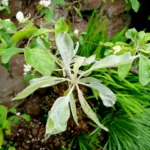 DiseaseApple Powdery MildewPodosphaera leucotricha
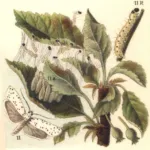 PestApple Ermine MothYponomeuta malinellus
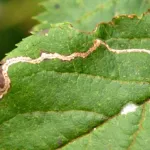 PestApple Leaf Mining MothLyonetia clerkella
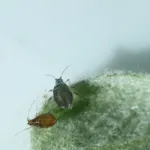 PestRosy Apple AphidDysaphis plantaginea
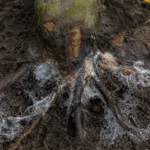 DiseaseWhite Root Rot (Rosellinia Root Rot)Rosellinia necatrix Berl. ex Prill. (synonym: Dematophora necatrix)
Toxicity and pollen
Apple flesh is a normal edible food, but seeds, leaves and stems contain cyanogenic compounds that can release cyanide when sufficiently chewed or damaged. Serious poisoning is uncommon from occasional intact seeds, but concentrated or repeated ingestion is unsafe. Remove cores and seeds before giving fruit to children or pets, and seek professional help after significant exposure.
- Typical season
- Typically April–May in much of the United States
- Pollination / pollen
- Heavy, insect-carried pollen released within spring blossoms
Apple is primarily insect-pollinated, so its pollen is not usually dispersed in large airborne quantities like wind-pollinated tree pollen. Nevertheless, flowering exposure can still affect particularly sensitive individuals, and local timing varies with climate and cultivar. People with known seasonal allergies should limit direct contact during peak bloom if symptoms occur.
Native habitat
The cultivated species derives from Central Asian ancestors associated with temperate woodland edges, open forests and disturbed fertile sites. In gardens it performs best in climates with winter chilling, a defined dormant season, adequate summer moisture and good air movement. Modern cultivars are widely grown beyond the original native range.
Interesting fact
Apple fruit is a pome, with much of the edible portion developing from floral tissues surrounding the ovary. The first-opening central king bloom can produce a larger fruit. Nearly all named garden cultivars are propagated by grafting, while rootstock controls much of the final tree size. Chilling requirements differ considerably among cultivars.
Frequently asked questions (FAQ)
The most relevant questions about this plant, with short and direct answers.
🌱Quick care
How much sun does an apple tree need?⌄
An apple tree grows best with at least 8 hours of direct sun daily. Some afternoon shade is tolerated, but too little light can reduce flowering, fruit quality, and disease resistance. ([extension.umn.edu](https://extension.umn.edu/gardening-minnesota/growing-apples?utm_source=openai))
🌤️Environment and placement
What soil is best for an apple tree?⌄
Apple trees prefer well-drained loam with a soil pH around 6 to 7. They tolerate amended clay or sand, but avoid locations where water remains for several hours after rain. ([extension.umn.edu](https://extension.umn.edu/gardening-minnesota/growing-apples?utm_source=openai))
Can apple trees grow in partial shade?⌄
Apple trees can tolerate partial shade, but full sun is better for reliable flowering and fruit production. Choose the brightest site available, ideally receiving at least 8 hours of direct light. ([extension.umn.edu](https://extension.umn.edu/gardening-minnesota/growing-apples?utm_source=openai))
Are apple trees cold hardy?⌄
Apple trees are generally cold-hardy, but hardiness varies substantially by cultivar and rootstock. Choose a variety rated for your USDA hardiness zone and consider late spring frost risk during bloom.
Can apple trees survive a late spring frost?⌄
A dormant apple tree can tolerate considerable cold, but open flowers and developing fruit are much more vulnerable to freezing temperatures. Cultivar bloom time, site elevation, and local frost patterns affect the risk of crop loss.
💧Care and problems
How often should I water an apple tree?⌄
Water an apple tree deeply whenever the root zone begins to dry during the growing season. A general target is about 1 inch of water per week from rainfall or irrigation, adjusted for heat, soil, and rainfall. ([extension.umn.edu](https://extension.umn.edu/gardening-minnesota/growing-apples?utm_source=openai))
Should I mulch around an apple tree?⌄
Apply a shallow layer of organic mulch over the root zone to conserve moisture and reduce weeds. Keep mulch several inches away from the trunk to prevent excess moisture and bark problems.
Do apple trees need fertilizer?⌄
Apple trees may need fertilizer when growth is weak or soil tests show a nutrient deficiency, but excessive nitrogen can produce leafy growth at the expense of fruiting. Base applications on a soil test and the tree’s annual growth. ([extension.umn.edu](https://extension.umn.edu/gardening-minnesota/growing-apples?utm_source=openai))
Should I thin apples on the tree?⌄
Yes, thin developing apples when they are small, usually leaving one fruit per cluster. Thinning reduces competition, improves fruit size, and helps prevent branches from becoming overloaded. ([extension.umn.edu](https://extension.umn.edu/gardening-minnesota/growing-apples?utm_source=openai))
Why are the leaves on my apple tree turning brown or spotted?⌄
Brown or spotted leaves may result from apple scab, fire blight, drought, pests, or other stress. Improve airflow, remove affected debris, maintain consistent moisture, and identify the specific symptoms before applying treatment. ([extension.umn.edu](https://extension.umn.edu/planting-and-growing-guides/pruning-trees-and-shrubs?utm_source=openai))
How do I prevent apple scab?⌄
Plant scab-resistant cultivars, prune for good air circulation, and remove fallen leaves and fruit in autumn. Scab is favored by wet foliage, so an open canopy that dries quickly can reduce disease pressure. ([extension.umn.edu](https://extension.umn.edu/plant-diseases/apple-scab?utm_source=openai))
What causes holes or brown tunnels in apples?⌄
Holes, tunnels, or brown internal damage are commonly associated with insect pests such as codling moth or apple maggot. Local extension recommendations and monitoring traps can help determine the pest and treatment timing. ([extension.oregonstate.edu](https://extension.oregonstate.edu/sites/extd8/files/documents/em8418.pdf?utm_source=openai))
How do I protect a young apple tree in winter?⌄
Protect the trunk from sunscald, rodents, and wildlife with an appropriate tree guard or wrap, and keep mulch away from the bark. In areas with deer or vole pressure, use fencing or guards rather than relying on the tree’s cold hardiness alone. ([extension.umn.edu](https://extension.umn.edu/gardening-minnesota/growing-apples?utm_source=openai))
🪴Planting and repotting
When is the best time to plant an apple tree?⌄
Plant bare-root apple trees as soon as the soil can be worked in early spring, and plant container-grown trees after the threat of severe frost has passed. Local USDA hardiness zone and nursery timing should guide the exact date. ([extension.umn.edu](https://extension.umn.edu/gardening-minnesota/growing-apples?utm_source=openai))
How deep should I plant an apple tree?⌄
Plant an apple tree with its root flare level with or slightly above the surrounding soil, and keep the graft union several inches above ground. Do not bury the graft or pile mulch against the trunk.
How far apart should apple trees be planted?⌄
Spacing depends mainly on rootstock: dwarf trees need much less room than standard trees. As a practical rule, provide at least as much horizontal space as the tree’s expected mature height, while following the nursery’s cultivar and rootstock recommendations. ([extension.umn.edu](https://extension.umn.edu/gardening-minnesota/growing-apples?utm_source=openai))
Can apple trees be grown in containers?⌄
Dwarf apple trees can sometimes be grown in large containers, provided the pot has excellent drainage and the tree receives full sun. Container trees need more frequent watering, periodic repotting or root management, and winter protection in cold climates.
✂️Propagation and pruning
When should I prune an apple tree?⌄
Prune apple trees annually in late winter or early spring while they are dormant, after the coldest weather has passed and before vigorous growth begins. Avoid heavy pruning, especially on young trees, because it can delay fruiting. ([extension.umn.edu](https://extension.umn.edu/gardening-minnesota/pruning-and-training-apple-trees?utm_source=openai))
How do I prune an apple tree?⌄
Remove dead, broken, diseased, crossing, downward-growing, and crowded branches, along with root suckers and vigorous water sprouts. Favor thinning cuts that preserve an open, balanced central-leader structure. ([extension.umn.edu](https://extension.umn.edu/gardening-minnesota/pruning-and-training-apple-trees?utm_source=openai))
Can I prune an apple tree in summer?⌄
Light summer pruning is possible, but major structural pruning is generally safer during dormancy. Spring or summer pruning can increase the risk of spreading fire blight in some conditions. ([extension.umn.edu](https://extension.umn.edu/planting-and-growing-guides/pruning-trees-and-shrubs?utm_source=openai))
Can I grow an apple tree from an apple seed?⌄
Yes, but a seed-grown apple tree will not reliably produce fruit identical to the parent because each seed is genetically different. Seedlings can also take longer to fruit and may become much larger than grafted nursery trees. ([extension.umn.edu](https://extension.umn.edu/gardening-minnesota/growing-apples?utm_source=openai))
How are apple trees usually propagated?⌄
Named apple cultivars are usually propagated by grafting a selected scion onto a compatible rootstock. Grafting preserves the cultivar’s fruit characteristics and allows rootstock choice to control tree size and bearing age. ([extension.umn.edu](https://extension.umn.edu/gardening-minnesota/growing-apples?utm_source=openai))
⚠️Toxicity and safety
Are apple tree seeds poisonous?⌄
Yes, apple seeds contain cyanogenic compounds and should not be intentionally eaten, especially in quantity. The fruit flesh is edible, but remove seeds before giving apple pieces to pets or livestock. ([aspca.org](https://www.aspca.org/pet-care/aspca-poison-control/toxic-and-non-toxic-plants/apple?utm_source=openai))
Are apple tree leaves and stems toxic?⌄
Yes, apple leaves and stems contain cyanogenic compounds and can be harmful if eaten, particularly when plant material is wilted. Keep pets, children, and grazing animals from consuming large amounts. ([aspca.org](https://www.aspca.org/pet-care/aspca-poison-control/toxic-and-non-toxic-plants/apple?utm_source=openai))
Can dogs or cats eat apples from an apple tree?⌄
Dogs and cats may eat small amounts of plain apple flesh, but remove all seeds, stems, and leaves first. Contact a veterinarian or animal poison-control service if a pet consumes a large amount or shows signs of illness. ([aspca.org](https://www.aspca.org/pet-care/aspca-poison-control/toxic-and-non-toxic-plants/apple?utm_source=openai))
🌸Flowering and special interest
Do I need two apple trees to get apples?⌄
Usually, yes: plant two compatible apple cultivars with overlapping bloom periods for dependable pollination. A nearby crabapple or apple tree may provide pollen if it blooms at the same time and is within roughly 100 feet. ([extension.umn.edu](https://extension.umn.edu/gardening-minnesota/growing-apples?utm_source=openai))
Can one apple tree produce fruit by itself?⌄
Some apple cultivars are partially self-fruitful, but a second compatible cultivar usually improves fruit set and crop reliability. Check the cultivar’s pollination requirements before planting only one tree. ([extension.umn.edu](https://extension.umn.edu/gardening-minnesota/growing-apples?utm_source=openai))
How close should apple trees be for pollination?⌄
Keep compatible apple trees or a suitable crabapple within about 100 feet when possible. Pollinating insects must be able to move between trees during bloom. ([extension.umn.edu](https://extension.umn.edu/gardening-minnesota/growing-apples?utm_source=openai))
When will an apple tree start producing fruit?⌄
Dwarf apple trees may begin bearing in about 2 to 3 years, while standard-size trees can take up to 8 years. The cultivar, rootstock, pollination, climate, and tree health all affect the timeline. ([extension.umn.edu](https://extension.umn.edu/gardening-minnesota/growing-apples?utm_source=openai))
Why is my apple tree not flowering?⌄
An apple tree may fail to flower because it is immature, receiving insufficient sunlight, overfertilized with nitrogen, heavily pruned, or affected by weather stress. Confirm that the cultivar is suited to your climate and has received adequate winter chilling.
Why does my apple tree flower but produce no apples?⌄
The most common causes are poor cross-pollination, incompatible bloom times, frost during flowering, or a lack of pollinating insects. Planting a compatible second cultivar and avoiding insecticides during bloom can improve fruit set. ([extension.umn.edu](https://extension.umn.edu/gardening-minnesota/growing-apples?utm_source=openai))
Similar plants
 Azure Monkshood (Aconitum carmichaelii) care guideAconitum carmichaelii
 Monkshood (Aconitum ‘Stainless Steel’)Aconitum 'Stainless Steel'
 Monkshood (Aconitum ‘Bressingham Spire’)Aconitum 'Bressingham Spire'
 Golden full moon maple (Acer shirasawanum ‘Aureum’)Acer shirasawanum 'Aureum'
 Globosum (Acer platanoides ‘Globosum’)Acer platanoides 'Globosum'
 Striped maple (Acer pensylvanicum) care guideAcer pensylvanicum
Sources and data reliability
GBIF + Wikidata exact taxon (P225) – localized label/alias – local common name
iNaturalist – localized genus name
Growing apples in the home garden | UMN Extension
Pruning and training apple trees | UMN Extension
Pruning trees and shrubs | UMN Extension
Apple scab of apples and crabapples | UMN Extension
EM 8418 2023 Pest Management Guide for Apples | Willamette Valley