
Cedar-Apple Rust
Gymnosporangium juniperi-virginianae Schwein.Cedar-Apple Rust overview
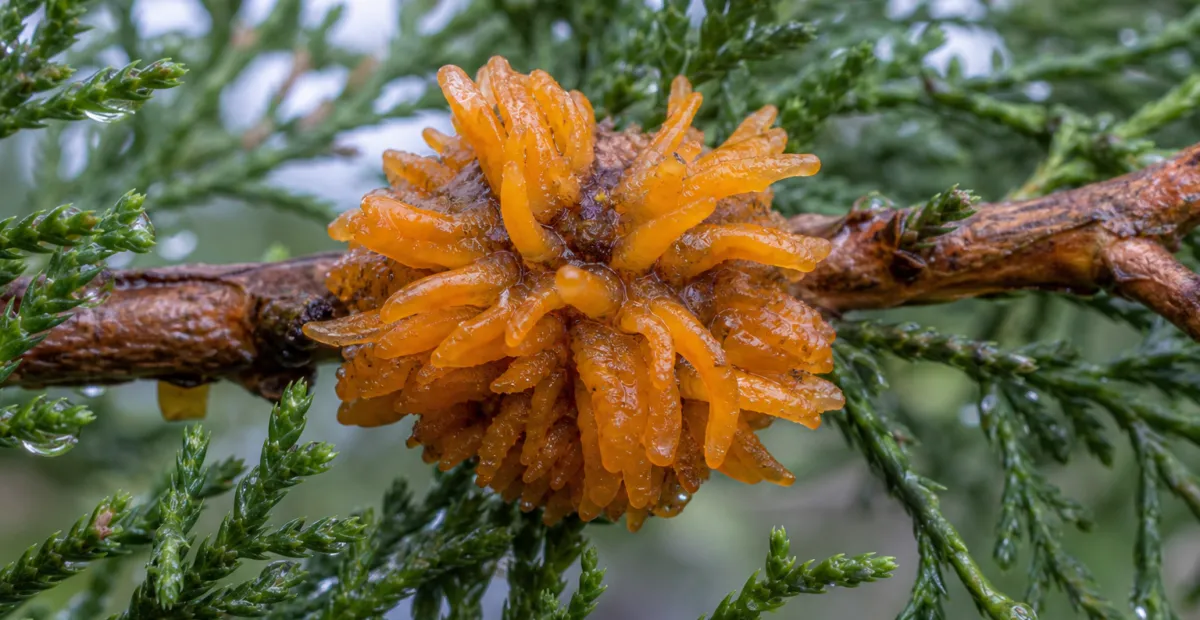
Cedar-apple rust is a two-host fungal disease caused by Gymnosporangium juniperi-virginianae. It alternates between eastern red cedar or susceptible junipers and apple or crabapple. In spring, infected junipers produce conspicuous orange gelatinous spore horns after rain; apple leaves develop yellow-to-orange spots, while fruit may show superficial, distorted lesions. Disease is often cosmetic but can reduce fruit quality when infection is severe.
Typical conditions
Overview
Cedar-apple rust is caused by the rust fungus Gymnosporangium juniperi-virginianae. It is a two-host disease: the fungus spends one phase on eastern red cedar or another susceptible Juniperus species and another phase on apple or crabapple (Malus).
The disease is widespread in the United States, especially where susceptible junipers and apples occur within the same landscape or region. Spores can travel considerable distances, so removing one nearby plant does not always eliminate risk. Juniper galls are usually more conspicuous than damaging, whereas apple infections may affect appearance and fruit quality.
Symptoms and identification
On apple and crabapple:
- Small pale yellow to yellow-orange spots appear on upper leaf surfaces after spring infection.
- Spots enlarge and become bright orange or orange-red, sometimes with a reddish margin.
- Small black pycnia may develop in the center of mature spots.
- Short, fringed, yellow-to-orange aecial tubes form on the lower leaf surface beneath the spots.
- Fruit lesions are usually superficial, commonly near the blossom or calyx end, and may enlarge enough to disfigure or distort developing fruit.
- Severe leaf infection may cause yellowing and premature leaf drop.
On eastern red cedar and susceptible junipers:
- Round, woody, greenish-brown galls develop on twigs and small branches, often reaching approximately 2 inches across.
- During wet spring weather, the galls produce conspicuous orange, gelatinous, finger-like or tentacle-like telial horns.
- The horns shrink and become reddish brown during dry weather, then may rehydrate after subsequent rain.
Similar orange rust structures on hawthorn, quince or serviceberry may indicate a different Gymnosporangium species, so host plant identity matters for diagnosis.
Causes and spread
The pathogen survives on infected juniper twigs as woody galls. In spring rain, the galls swell and produce teliospores. These germinate to release basidiospores that are carried by wind to young, wet apple or crabapple leaves.
After infection, the fungus develops through the season in apple leaf tissue and sometimes fruit. Later, aecia release spores that cannot reinfect apple; they must reach susceptible juniper foliage or young shoots. Moisture is essential for infection, while wind enables movement between hosts. Because spores may travel more than a mile under suitable conditions, neighborhood-scale host removal is not a guaranteed solution.
Life cycle and persistence
- Telial galls overwinter on infected juniper twigs and branches.
- In wet spring weather, orange gelatinous telial horns emerge from the galls and release basidiospores.
- Wind carries basidiospores to susceptible, developing apple or crabapple leaves; infection requires prolonged leaf wetness.
- Yellow-orange leaf spots mature through spring and summer. Black pycnia appear on upper surfaces, followed by aecia on lower surfaces.
- Aeciospores produced on apple leaves and fruit are carried back to susceptible junipers in late spring or summer.
- New juniper infections begin on young needles or shoots. Galls commonly enlarge over the following growing season and produce spores the next spring, completing the approximately two-year cycle.
Treatment and control
In many home landscapes, treatment is unnecessary because juniper galls cause little lasting harm and light apple leaf spotting is mainly cosmetic. Monitor fruiting trees for repeated defoliation, extensive fruit infection or reduced vigor.
Remove accessible juniper galls and infected twigs during the dormant season, before spring telial horns form. Pruning is most useful when the infected juniper is close to a valuable apple or crabapple, although distant infected hosts may continue to supply spores. For susceptible fruiting apples, management is most effective when protective measures begin before infection during spring bud development and wet weather, rather than after established leaf spots appear. Use cultivar resistance, sanitation and weather-based monitoring as the foundation of an integrated program.
Low-impact and biological control
- Prune and discard cedar-apple rust galls from junipers during winter dormancy, before orange gelatinous structures appear.
- Remove severely infected or unwanted susceptible junipers near high-value apple plantings when practical, while recognizing that regional spore sources may remain.
- Improve air movement through selective pruning and avoid unnecessary overhead irrigation.
- Plant less-susceptible or resistant apple and crabapple cultivars suited to the local United States growing region.
- Inspect leaves and fruit regularly during spring and early summer so disease severity can be assessed before deciding whether intervention is justified.
Prevention
- Choose apple and crabapple cultivars with documented resistance or lower susceptibility to cedar-apple rust when available; resistance is cultivar-specific and should be confirmed for the exact disease.
- Avoid planting susceptible junipers immediately beside apples or crabapples. Greater separation lowers risk but may not prevent infection because spores can move long distances.
- Inspect nearby eastern red cedar and junipers during dormancy. Prune out and destroy cedar-apple rust galls before orange spore horns develop in spring.
- Prune infected apple or crabapple twigs when present, remove fallen debris and maintain an open canopy to improve drying.
- Do not confuse cedar-apple rust with cedar-hawthorn or cedar-quince rust; host and symptom differences affect management.
Interesting facts
- Cedar-apple rust is a rust fungus with an unusually complex life cycle that requires two unrelated plant groups: Cupressaceae junipers and Rosaceae apples or crabapples.
- The orange structures on juniper galls are temporary spore-producing bodies that can swell after rain and shrink during dry weather.
- Apple leaf and fruit infections do not produce a new round of apple-to-apple infections; the fungus must return to a susceptible juniper to continue its cycle.
- Many cedar-rust reports on hawthorn, quince, pear or serviceberry actually involve related species such as G. globosum or G. clavipes, not necessarily G. juniperi-virginianae.
- Eastern red cedar is a juniper, despite its common name, and is the principal evergreen host in much of the United States.
Use fungicides only when the product is currently registered and legally authorized for cedar-apple rust on the specific crop and site in the United States. Always check the current EPA-approved label, state requirements, crop restrictions, preharvest interval and pollinator precautions; the label is the law. Preventive applications, when permitted, are generally more useful than attempting to eradicate established lesions. Do not apply an ornamental-tree product to fruit intended for consumption unless the label specifically allows that use.
Affected plants
The plants below are linked to this problem by structured host-plant data. The list updates automatically as new plant profiles are added.
 Common juniper (Juniperus communis) care guideJuniperus communis
 Creeping juniper (Juniperus horizontalis) care guideJuniperus horizontalis
 Compressa (Juniperus communis ‘Compressa’)Juniperus communis 'Compressa'
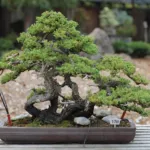 Dwarf Japanese garden juniper (Juniperus procumbens ‘Nana’)Juniperus procumbens 'Nana'
 Savin juniper (Juniperus sabina) care guideJuniperus sabina
 Rocky Mountain Juniper (Juniperus scopulorum) care guideJuniperus scopulorum
 Flaky juniper (Juniperus squamata) care guideJuniperus squamata
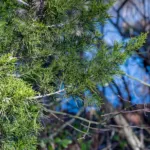 Eastern redcedar (Juniperus virginiana) care guideJuniperus virginiana
 Juniperus × media ‘Gold Star’Juniperus × media 'Gold Star'
 Juniperus × media ‘Old Gold’Juniperus × media 'Old Gold'
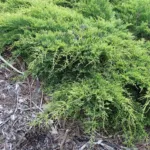 Pfitzer’s juniper (Juniperus pfitzeriana) care guideJuniperus pfitzeriana
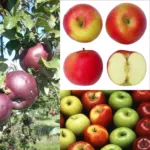 Apple tree (Malus domestica) care guideMalus domestica