
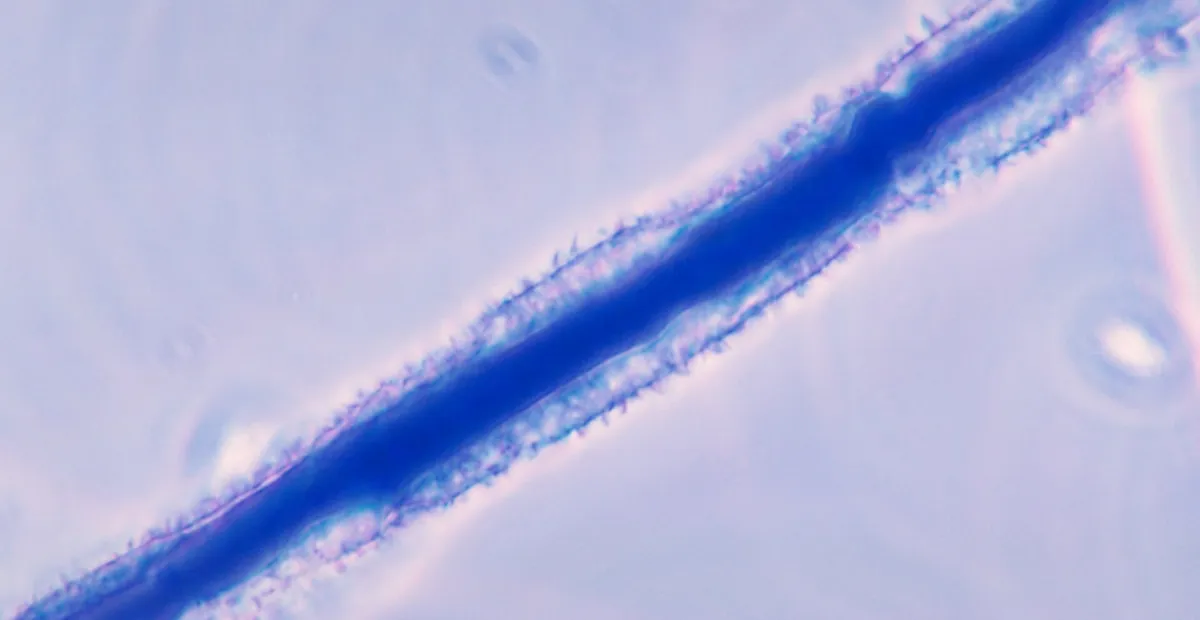
Aspergillus ear rot and aflatoxin contamination
Aspergillus flavusAspergillus ear rot and aflatoxin contamination overview
Aspergillus flavus is a soil- and residue-associated fungus that can colonize developing corn kernels, peanuts, cottonseed and tree nuts, particularly when crops experience heat, drought or insect injury. It may produce aflatoxins, but visible mold does not reliably indicate toxin concentration. In the United States, prevention depends on reducing crop stress and kernel damage, harvesting promptly, drying and storing commodities correctly, and testing suspect grain or nuts.
Typical conditions
Overview
Aspergillus flavus is a common soil- and crop-residue-associated fungus that can act as an opportunistic plant pathogen and storage mold. In the United States it is especially associated with Aspergillus ear rot of corn and with aflatoxin contamination of peanuts, cottonseed and tree nuts.
Field infection is favored when developing kernels or seeds are exposed to high temperatures, drought stress, poor plant vigor or insect injury. The fungus can also continue growing after harvest when damaged commodities are stored warm or with excessive available moisture. Some strains produce aflatoxins, including aflatoxin B1, while others produce little or none; visible fungal growth and toxin concentration are therefore not interchangeable diagnoses.
Symptoms and identification
On corn, the characteristic symptom is a localized patch of yellow-green to olive-green powdery mold on or between kernels, often beginning near the ear tip. In older infections the color may darken, and affected kernels can be shriveled, discolored or loosely colonized. Symptoms may be limited to a few kernels or a small area of the ear.
Peanuts, cottonseed and tree nuts may show surface mold, discoloration, shriveling, kernel rot or internal fungal growth, but symptoms vary with commodity, injury and storage conditions. Aflatoxin itself is invisible and odor is not a dependable safety test. The presence of Aspergillus ear rot does not prove that aflatoxin is present at a particular concentration; testing is necessary.
Causes and spread
- Soil- and residue-borne spores are dispersed by air, dust, insects, equipment and contact with contaminated plant material.
- Drought, heat and uneven crop development increase susceptibility, especially in corn and peanuts.
- Ear-feeding insects, birds, rodents and mechanical operations create entry points for the fungus.
- Delayed harvest and cracked, immature or damaged kernels increase postharvest colonization.
- Warm, poorly ventilated storage with excessive grain moisture or localized wet spots allows continued mold growth and possible aflatoxin production.
Life cycle and persistence
The fungus survives and sporulates in soil, crop residue, debris and previously colonized seed or grain. Airborne spores can reach silks, exposed kernels, peanut pods and other susceptible tissues. Infection is more likely when the host is stressed or the seed coat and pericarp are damaged.
After colonization, some strains produce aflatoxins under favorable nutritional and environmental conditions. The fungus may continue developing during storage, especially in damaged grain or nuts held warm and insufficiently dry. Harvest, drying and storage practices strongly influence whether a field infection becomes a serious postharvest problem.
Treatment and control
There is no reliable home-garden treatment that removes aflatoxin from infected kernels, nuts or seed. Once a commodity is visibly moldy or suspected of contamination, do not taste it, feed it to livestock, or mix it with clean material. Isolate the lot and contact a county Extension office, crop adviser, grain-quality laboratory or applicable state and federal regulatory authority.
For commercial crops, promptly harvest, dry, clean and grade the commodity; remove broken and visibly moldy material where permitted, while recognizing that sorting may not remove all toxin. Maintain dry, cool, aerated storage and test representative samples. Severely contaminated food or feed should be disposed of or diverted only according to applicable US regulations and professional advice.
Low-impact and biological control
For home gardens and small-scale production, emphasize prevention rather than attempting to rescue contaminated food. Grow adapted, stress-tolerant cultivars where available, maintain even soil moisture during drought, control insects that injure ears or pods, and remove badly damaged plant material after harvest.
Registered non-aflatoxigenic Aspergillus flavus biological-control products are used in some US agricultural systems to reduce colonization by toxigenic strains. Their use is crop-, state- and label-specific; do not culture or apply an unidentified strain. Biological control works best as one component of an integrated program, not as a substitute for irrigation, insect management, timely harvest and proper drying.
Prevention
- Use adapted hybrids or cultivars with improved resistance to ear rot, kernel damage and drought where available.
- Reduce drought stress with dependable irrigation, good soil-water management and timely weed control; prioritize the crop during hot, dry periods.
- Manage ear- and pod-damaging insects according to local scouting and integrated pest-management recommendations.
- Use sound crop rotation and residue management where locally appropriate, recognizing that rotation alone will not eliminate airborne spores.
- Harvest promptly at maturity, minimize mechanical damage, and dry grain or nuts quickly to safe storage moisture.
- Clean bins, trucks, seed-handling equipment and storage areas; aerate stored commodities and monitor temperature and moisture for hot spots.
- Segregate suspect lots and arrange representative aflatoxin testing before human consumption, livestock feeding or sale.
Interesting facts
- The name aflatoxin is derived from Aspergillus, the species-group name flavus, and “toxin.”
- Not every A. flavus strain produces aflatoxin, and visible mold is not a quantitative measure of contamination.
- In corn, infection is often associated with ear-tip colonization and may involve only a small kernel area.
- Non-aflatoxigenic strains are used in registered biological-control programs to competitively displace toxin-producing strains in some US crops.
- Aflatoxin contamination is a food- and feed-safety issue as well as a plant-disease issue; suspect lots should be handled through applicable testing and regulatory channels.
Do not use a pesticide or fungicide solely on the basis of a suspected Aspergillus flavus diagnosis. Use only products legally authorized and currently labeled in the United States for the specific crop, site and problem, and follow the label exactly. Fungicides generally provide limited or inconsistent control of aflatoxin contamination; cultural practices, host resistance, insect management, biological control and postharvest moisture management are more important. Do not feed or eat visibly moldy or suspect grain, nuts or seed without appropriate testing and professional guidance.