
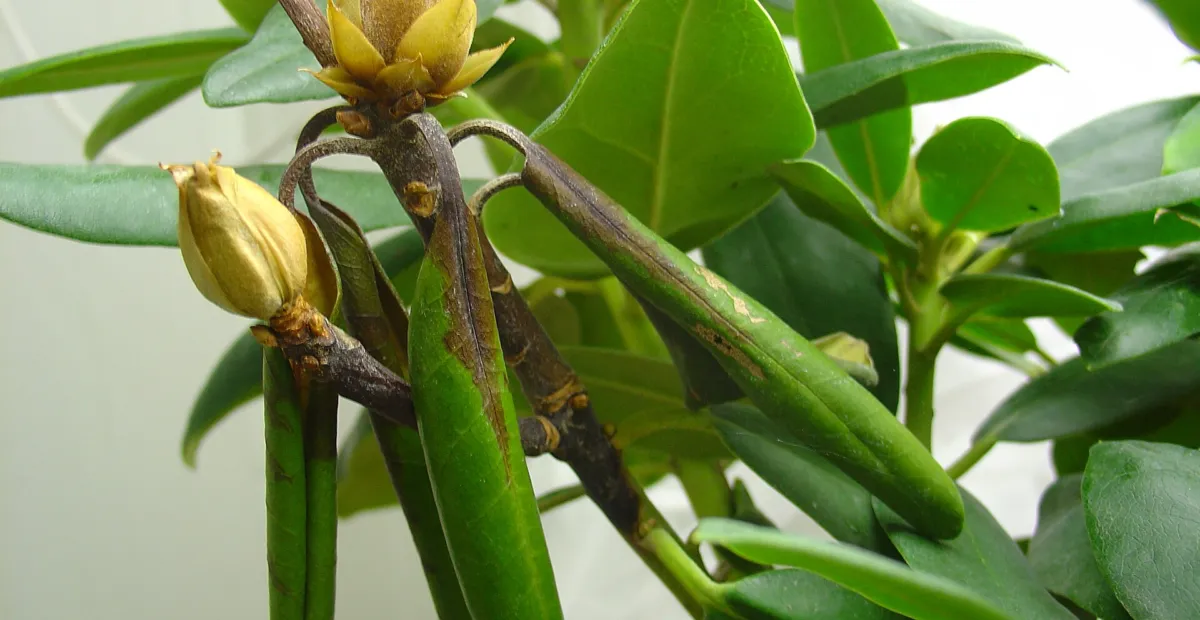
 Source:
 Phytophthora plurivora Root and Collar Rot
Phytophthora plurivoraPhytophthora plurivora Root and Collar Rot overview
Phytophthora plurivora is a water-mold pathogen associated mainly with woody plants in nurseries, landscapes, orchards and forests. It attacks fine roots, larger roots and the root collar, and may produce bark necrosis, bleeding cankers, wilt, crown thinning and progressive dieback. Symptoms overlap with other Phytophthora species and environmental stresses, so laboratory confirmation is important before major removals or treatments.
Typical conditions
Overview
Phytophthora plurivora is a soil- and water-associated plant pathogen in the former Phytophthora citricola complex. It is most often reported from woody hosts, including trees, shrubs and nursery ornamentals. Disease may remain concentrated in fine roots or progress into the collar and lower stem, where it disrupts water movement and produces necrotic bark.
In the United States, the pathogen has been detected in natural and managed environments, but its distribution and host impact are not equally documented for every region. Identification to species level generally requires molecular or specialist laboratory methods because several Phytophthora species produce similar root and collar symptoms.
Symptoms and identification
Early symptoms are often nonspecific: reduced vigor, smaller leaves, chlorosis, premature leaf shedding, wilt during warm or dry weather, and poor shoot growth. Root systems may show loss of fine roots, dark brown to black necrosis and a water-soaked or decayed appearance.
When infection reaches the collar or lower stem, look for irregular bark discoloration, necrotic cambium, sunken lesions and bleeding or dark exudates. Advanced disease can cause crown thinning, branch dieback, whole-plant collapse or death. Rhododendron and other nursery ornamentals may decline rapidly, while established trees can show a slower decline with increased drought sensitivity.
These signs can resemble other Phytophthora species, Armillaria, root-feeding insects, vascular disorders, drought, flooding injury and girdling roots. Do not diagnose P. plurivora from canopy symptoms alone.
Causes and spread
Spread is favored by excess water and movement of contaminated soil or water. Zoospores can swim short distances through saturated soil, irrigation films, puddles and runoff. In nurseries, infected but asymptomatic plants, reused containers, shared benches, contaminated potting media and recirculated irrigation water can disseminate the pathogen.
Human activity is a major risk: transporting infested nursery stock, walking or operating equipment through wet soil, and pruning or handling plants with contaminated tools can spread inoculum. Root injury, compaction, flooding and other stresses increase disease risk but are not required for infection.
Life cycle and persistence
The pathogen survives in infected roots, stems, leaves and soil as resistant structures and persistent mycelium. When soil becomes wet, sporangia can form and release motile, biflagellate zoospores that move through films of water toward susceptible roots. Roots may also be infected by germinating spores or direct growth from infested plant debris.
After penetration, the pathogen colonizes living tissue and may continue in dead tissue. New sporangia and spores increase inoculum during prolonged wet conditions. Soil, irrigation water, runoff, tools, footwear, containers, potting media and infected plants can move the pathogen locally; nursery trade is considered an important pathway for wider dispersal.
Treatment and control
First confirm the diagnosis. Submit fresh symptomatic roots, collar tissue or the margin of an active canker to a university plant disease clinic or qualified diagnostic laboratory; include site history, irrigation information and photographs. Sampling only dead, dried tissue often gives misleading results.
For landscape plants, correct drainage and irrigation immediately, expose the natural root flare if it is buried, and prevent further soil or mulch contact with the trunk. Severely affected plants may need removal because infected roots and soil can remain a long-term source of inoculum. Do not replant a highly susceptible host in the same wet planting pocket without addressing the underlying site problem.
In nurseries and commercial plantings, isolate suspect lots, stop movement from affected areas, sanitize equipment and review water management. Registered oomycete-targeted products may protect healthy tissue or slow disease when used preventively, but they generally do not restore extensively rotted roots or reverse advanced decline. Consult local Extension or a licensed crop adviser for crop-specific options.
Low-impact and biological control
There is no dependable organic cure for an established root or collar infection. Use an integrated approach that reduces inoculum and protects uninfected plants:
- Remove severely declining plants with as much of the infected root system and surrounding contaminated media as practical. Dispose of diseased material away from production beds, waterways and compost intended for plant propagation.
- Improve drainage with site grading, properly designed beds and controlled irrigation. Avoid creating standing water around trunks and crowns.
- Use clean, pathogen-free planting media and disinfect reusable containers, benches, tools and footwear according to an approved sanitation protocol.
- Do not move soil, water, pots or tools from suspect areas to clean areas. Work in healthy blocks before diseased blocks.
- Consider biologically based products only when they are legally labeled for the crop and site. Products containing beneficial microbes may suppress disease under some conditions but should not replace drainage, sanitation or diagnosis.
Prevention
Prevention is more reliable than attempting to cure diseased woody plants. Purchase plants from reputable suppliers, inspect roots and crowns where possible, and quarantine new stock before placing it with established plants. Reject plants with unexplained wilt, root discoloration, collar lesions or poor root growth.
- Plant susceptible trees and shrubs in sites with good drainage; use raised beds or amended structural soil where appropriate.
- Water deeply but avoid chronic saturation, trunk wetting and runoff from suspect areas. Do not use untreated surface water for propagation when a clean alternative is available.
- Maintain clean containers, tools, benches and equipment. Prevent soil transfer on shoes, tires and machinery.
- Remove dead roots and plant debris, but avoid damaging healthy roots or burying the trunk flare.
- Monitor high-risk blocks after heavy rain, flooding or irrigation problems and submit representative samples promptly.
Interesting facts
- Phytophthora plurivora was separated from the former P. citricola complex, so older records may use a different name or may not be directly comparable.
- It has been reported from a broad range of woody hosts, but isolation from a plant does not always demonstrate that it caused the observed decline.
- Some inoculation studies have shown severe lesion development or stem girdling on susceptible woody hosts, while disease severity differs among isolates and infection methods.
- Water movement is central to local spread, yet the pathogen can continue colonizing roots after the soil surface has dried.
No pesticide program should be assumed to cure an infected plant. In the United States, use only products legally registered and currently labeled for the specific crop, site and Phytophthora problem in your state; follow the current label exactly, including rate, application method, personal protective equipment, reentry interval and disposal directions. Many products are preventive or suppressive rather than curative, and efficacy against P. plurivora can vary by host, isolate and application timing.
Affected plants
The plants below are linked to this problem by structured host-plant data. The list updates automatically as new plant profiles are added.
 Field maple (Acer campestre) care guideAcer campestre
 Paperbark Maple (Acer griseum) care guideAcer griseum
 Downy Japanese Maple (Acer japonicum) care guideAcer japonicum
 Boxelder (Acer negundo) care guideAcer negundo
 Acer palmatum care guideAcer palmatum
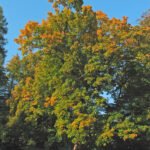 He Norway maple (Acer platanoides) care guideAcer platanoides
 Sycamore maple (Acer pseudoplatanus) care guideAcer pseudoplatanus
 Red maple (Acer rubrum) care guideAcer rubrum
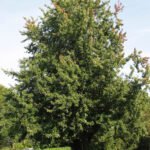 Silver maple (Acer saccharinum) care guideAcer saccharinum
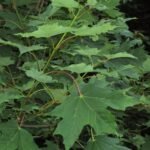 Sugar maple (Acer saccharum) care guideAcer saccharum
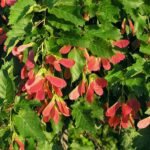 Tatar Maple (Acer tataricum) care guideAcer tataricum
 Amur Maple (Acer tataricum ginnala) care guideAcer tataricum ginnala