
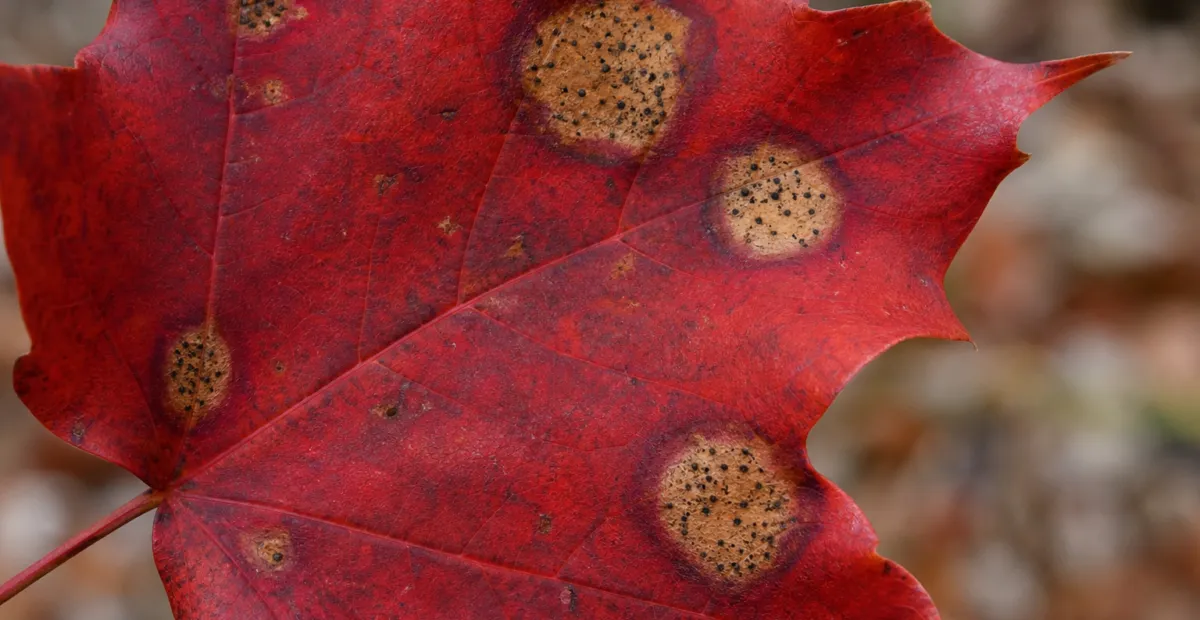
Purple-Bordered Leaf Spot of Maple
Phyllosticta minimaPurple-Bordered Leaf Spot of Maple overview
Purple-bordered leaf spot is a common, usually cosmetic fungal disease of maple leaves caused by Phyllosticta minima. It produces circular tan to brown lesions with reddish-purple margins and tiny black fruiting bodies, sometimes followed by shot holes or premature leaf drop. Established trees generally tolerate the disease, but recurring infections are favored by wet foliage and infected leaf litter.
Typical conditions
Overview
Purple-bordered leaf spot, also called Phyllosticta leaf spot of maple, is caused by the fungus Phyllosticta minima. It is reported primarily on maple species and is most often a cosmetic problem in U.S. landscapes. The disease may look serious when many leaves are spotted, but infection is generally localized and rarely threatens the survival of a healthy established tree.
Accurate diagnosis matters because maple anthracnose, tar spot, insect injury, eyespot galls and environmental leaf scorch can produce similar-looking symptoms. Confirmation may require a hand lens, laboratory examination or submission of a representative sample to a Cooperative Extension plant clinic.
Symptoms and identification
- Small to medium, roughly circular or irregular tan, brown or gray-brown dead spots develop on leaves.
- Lesions commonly have reddish, purple-brown or dark margins.
- Tiny black, pimple-like pycnidia may appear in the pale centers, sometimes in rings.
- Older lesions can dry and drop out, leaving shot holes.
- Severe infection may cause some premature yellowing or leaf abscission, although major defoliation is uncommon.
Causes and spread
The pathogen survives on infected fallen maple leaves and other dead infected foliage. During wet spring and summer weather, spores produced in these tissues can be carried by rain splash and wind onto young leaves. Repeated leaf wetness, dense canopies, poor air movement and trees weakened by drought or other stress can increase disease development. The fungus is not spread through ordinary contact with people or animals.
Life cycle and persistence
Phyllosticta minima overwinters in fallen infected leaves. In spring, moisture stimulates the production and release of spores from fungal fruiting bodies. Spores reach newly expanding maple foliage by wind and splashing rain, germinate on wet leaf surfaces and establish localized infections. New pycnidia form in mature lesions and can release additional spores during subsequent wet periods. Disease is therefore favored by repeated moisture events rather than by dry weather.
Treatment and control
For most established landscape maples, treatment is unnecessary because the disease is primarily aesthetic. Remove fallen leaves and improve growing conditions. Do not remove large amounts of live canopy solely because of leaf spots; premature or excessive pruning can add stress. If a young, high-value ornamental maple has repeated severe infections, seek confirmation from a local U.S. Cooperative Extension diagnostic clinic before considering a fungicide. Any preventive treatment must be timed before infection or very early in disease development; sprays applied after numerous lesions have formed will not restore damaged tissue.
Low-impact and biological control
Use sanitation and moisture management as the main low-impact controls. Remove infected leaf litter, keep foliage as dry as practical, improve airflow and maintain consistent soil moisture without overwatering. No reliable home-made or universally effective organic cure should be assumed. Products marketed as organic or biopesticides may have limited evidence for this specific disease, and their use should follow the product label and local legal requirements.
Prevention
- Rake and remove fallen maple leaves in autumn and during the growing season, especially where the disease recurs.
- Dispose of diseased leaves through municipal yard-waste handling or another method allowed locally; do not leave them beneath the canopy over winter.
- Maintain adequate spacing and selectively prune crowded branches when appropriate to improve air circulation.
- Water at the soil surface or root zone rather than wetting foliage, and irrigate during morning hours when possible.
- Reduce drought stress with an appropriate mulch layer, keeping mulch several inches away from the trunk.
- Inspect new maple plantings and avoid moving infected foliage or debris between sites.
Interesting facts
- The disease is also known as purple-bordered leaf spot and, in some references, leaf spot of maple.
- The conspicuous black dots in mature lesions are fungal pycnidia, not insect eggs.
- Small holes in leaves may result when the dead center of a lesion falls away.
- Although the disease can affect several maple species, it usually causes much less lasting harm than serious vascular or root diseases.
- Leaf-spot diagnoses based only on photographs can be unreliable because several maple disorders produce overlapping circular lesions.
Chemical control is rarely justified in U.S. home landscapes. Use only a pesticide product legally authorized for Phyllosticta leaf spot on the specific maple or ornamental crop in your state and country, and follow the current label exactly, including crop/site, application timing, personal protective equipment, reentry, environmental precautions and disposal directions. Product registrations and labels can change; do not rely on an older recommendation or a product labeled only for a different disease.
Affected plants
The plants below are linked to this problem by structured host-plant data. The list updates automatically as new plant profiles are added.
 Field maple (Acer campestre) care guideAcer campestre
 Paperbark Maple (Acer griseum) care guideAcer griseum
 Downy Japanese Maple (Acer japonicum) care guideAcer japonicum
 Boxelder (Acer negundo) care guideAcer negundo
 Acer palmatum care guideAcer palmatum
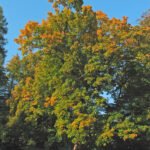 He Norway maple (Acer platanoides) care guideAcer platanoides
 Sycamore maple (Acer pseudoplatanus) care guideAcer pseudoplatanus
 Red maple (Acer rubrum) care guideAcer rubrum
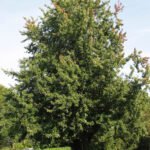 Silver maple (Acer saccharinum) care guideAcer saccharinum
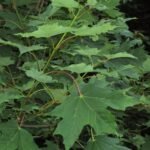 Sugar maple (Acer saccharum) care guideAcer saccharum
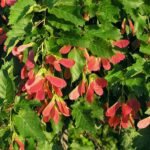 Tatar Maple (Acer tataricum) care guideAcer tataricum
 Amur Maple (Acer tataricum ginnala) care guideAcer tataricum ginnala