
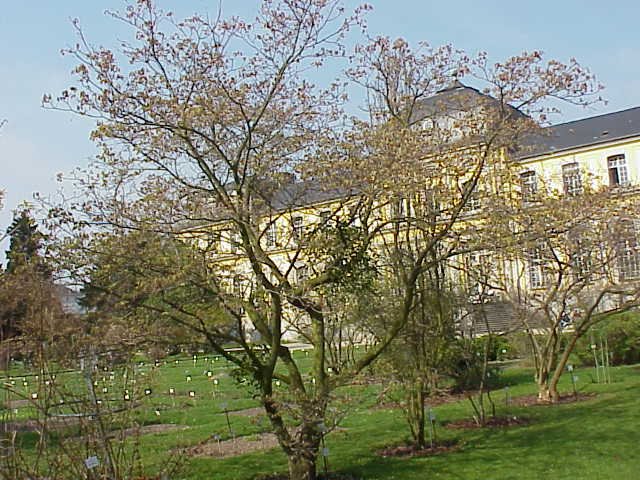
Downy Japanese Maple (Acer japonicum) short overview
Downy Japanese Maple is a graceful deciduous small tree or large shrub from the mountain forests of Japan. Its rounded, deeply lobed leaves create a distinctive full, layered canopy and often turn yellow, orange, or red in fall. Pendulous clusters of purplish-red flowers open in early spring, usually before the foliage. It performs best in cool-summer climates, with morning sun or lightly filtered shade, consistent moisture, and protection from hot afternoon exposure and strong wind.
Taxonomic classification
Downy Japanese Maple (Acer japonicum) care guide
Light and placement
Give this maple morning sun with afternoon shade, bright dappled light, or filtered light beneath high trees. In cool, moist climates it can tolerate more sun, but hot afternoon exposure may scorch the broad leaves. Too little light produces a thin canopy and weaker fall color; too much heat and direct sun cause crispy margins, bleaching, or premature leaf drop. Shelter young trees from strong wind.
Watering and humidity
Water deeply when the upper 1–2 inches of soil begin to dry, then allow excess water to drain. Keep the root zone evenly moist during spring growth and summer heat, especially for newly planted trees and container specimens. Reduce frequency after leaf fall, but do not let the root ball dry completely. Mulch over the root zone without touching the trunk; humidity is less important than consistent soil moisture.
Soil and growing medium
Use fertile, moisture-retentive but freely draining soil with a loamy structure and plenty of organic matter. Slightly acidic to neutral conditions are suitable. Avoid compacted clay, standing water, and very dry sandy sites. Improve heavy soil with organic matter and plant slightly high rather than burying the root flare. A coarse, well-drained container mix is preferable to ordinary garden soil in pots.
Feeding
Apply a thin layer of compost or a balanced slow-release fertilizer in early spring as growth begins. Use modest rates; excessive nitrogen can produce coarse growth, reduce fall color, and increase stress sensitivity. Do not fertilize drought-stressed, newly transplanted, or late-season plants. Stop routine feeding by midsummer so new shoots can mature before winter.
Growth and habit
This species is typically slow growing and develops an upright to spreading, often multistemmed form. Young plants may need staking if a single-trunk structure is desired. Its broad canopy and shallow, fibrous root system benefit from a permanent mulch layer and freedom from turf competition. Avoid frequent disturbance because established specimens can be difficult to transplant.
Planting and repotting
Plant in spring or fall in a sheltered location with morning sun or filtered shade. Dig a broad, shallow hole and set the root flare at or slightly above finished grade. Backfill with native soil amended only when necessary, water thoroughly, and apply 2–3 inches of organic mulch while keeping it away from the trunk. Water consistently through the first two growing seasons.
Container-grown plants should be shifted when roots fill the pot, preferably in early spring before strong growth begins. Move to a container only modestly larger, use a coarse, well-drained mix, and keep the root flare at the same level. Avoid repeated severe root disturbance; large specimens are better planted permanently in the ground.
Propagation and pruning
Propagation
Seed propagation is possible, but maple seed commonly requires a period of moist cold stratification and seedlings are variable. Named cultivars are usually propagated by grafting, while layering may work for selected forms. Sow or stratify fresh seed promptly because viability can decline during storage. Propagation of cultivars from seed will not reliably reproduce the parent plant.
Pruning
Prune only as needed to remove dead, damaged, crossing, or poorly attached branches. Make cuts in late winter or during the dormant season, avoiding heavy spring sap flow when practical. Preserve the naturally layered form and do not shear the canopy. If a single trunk is desired, remove competing basal stems gradually while young rather than making large cuts later.
Overwintering
Plants in Zones 5–6 benefit from a sheltered site, a 2–3 inch mulch layer, and protection from drying winter winds. Water thoroughly before the ground freezes if autumn has been dry. Container plants have less root insulation than in-ground trees and should be overwintered in an unheated protected location or insulated carefully; do not bring them into a warm living room for the season.
Uses
A specimen tree for residential gardens, woodland edges, Japanese-style gardens, courtyards, and large containers when a suitably hardy form is selected. Its rounded leaves and reliable fall color make it valuable as an ornamental focal point. It is generally grown for landscape display rather than food production, and no culinary or medicinal use should be assumed.
Appearance
Leaves are opposite, rounded, and palmately lobed, commonly with 7–11 pointed, toothed lobes and a softly textured outline. Young twigs may be reddish green before becoming brown, while young bark is smooth gray and older bark becomes rougher and more scaly. The species is especially recognizable by its large, rounded leaves, pendulous spring flower clusters, and vivid autumn color.
Flowering
Small purplish-red flowers are produced in hanging clusters in early spring, often as the leaves are emerging or slightly before them. They are ornamental at close range but are not the main landscape feature. Winged samaras develop after flowering and mature from summer into early fall.
Pollination and visitors
The small spring flowers are insect-pollinated and may be visited by small bees, flies such as hoverflies, and other early-season insects. The species is not generally marketed as a major pollinator plant, and reliable species-level visitor records are limited.
Acer japonicum photos
Click any photo for a larger view. Source, author and license are shown separately.
Diseases and pests
Diseases
Potential problems include Verticillium wilt, leaf spots, cankers, and other stress-related fungal issues. Reduce risk with well-drained soil, clean pruning tools, adequate spacing, and careful watering at the root zone rather than over the foliage. Remove dead wood promptly. Declining branches, vascular discoloration, or sudden wilt warrant professional diagnosis because treatment depends on the cause.
Pests
Aphids, scale insects, caterpillars, and occasional borers may occur. Inspect new growth and the undersides of leaves, wash off light aphid infestations, and conserve beneficial insects. Avoid routine broad-spectrum insecticides. Maintain plant vigor through proper watering and siting; stressed trees are more vulnerable to serious pest damage, including regionally important maple borers.
Related diseases and pests
Only Plant Doctor profiles whose host data indicate this plant may be affected are shown here.
 DiseasePhytophthora cactorum crown, collar, root and fruit rotPhytophthora cactorum
 Environmental stressIron Deficiency Chlorosis
 Environmental stressManganese deficiency
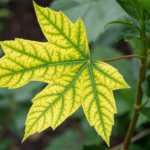 Environmental stressLime-Induced Chlorosis
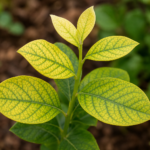 Environmental stressHigh-pH-induced iron deficiency
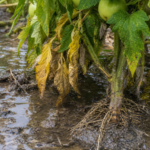 Environmental stressFlooding injury
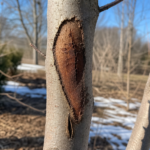 Environmental stressNapégés (sunscald)
 Environmental stressSalt stress
Toxicity and pollen
A reliable, species-specific human or companion-animal toxicity assessment was not located for Acer japonicum. Do not treat the foliage, bark, flowers, or samaras as edible, and prevent children and pets from consuming plant material. Normal landscape contact is not considered a known hazard, but ingestion-related symptoms should be discussed with a medical professional or veterinarian.
- Typical season
- Early spring, typically March–April in much of the United States
- Pollination / pollen
- Light pollen released from small spring flowers; primarily associated with insect-pollinated blossoms
The flowers produce pollen during a short early-spring bloom period and are primarily insect-pollinated, so airborne dispersal is expected to be limited compared with wind-pollinated trees. Individual sensitivity is still possible, and pollen exposure depends on local climate, flowering intensity, and proximity to the plant.
Native habitat
In nature, Downy Japanese Maple occurs in temperate mountain forests and forest margins of Japan and nearby northeastern Asian regions. It favors cool conditions, dependable moisture, organic-rich soils, and protection from drying winds. Its landscape performance declines in hot, dry summer climates, especially when planted in exposed full sun.
Interesting fact
The rounded leaves explain the common name fullmoon maple used by many horticultural references. The species is less commonly planted than Acer palmatum, but it has contributed numerous distinctive ornamental selections. Its winged samara fruits are typical maple fruits and ripen after the early spring bloom. Mature trees may develop several trunks rather than a single dominant leader.
Frequently asked questions (FAQ)
The most relevant questions about this plant, with short and direct answers.
🌱Quick care
How do you care for Downy Japanese Maple (Acer japonicum)?⌄
Grow Downy Japanese Maple in morning sun or filtered shade, moist well-drained soil, and a sheltered location, and keep moisture even during dry periods. It performs best where summers are cool and foliage is protected from strong wind and intense afternoon heat.
Is Acer japonicum easy to grow?⌄
Acer japonicum is moderately easy to grow when planted in a cool, sheltered site with reliable moisture. It can struggle with hot sun, drought, drying wind, poor drainage, or late spring frosts.
How big does Downy Japanese Maple get?⌄
Downy Japanese Maple typically grows about 15 to 30 feet tall and wide, although the final size varies by cultivar and growing conditions. It may develop as a small multistemmed tree or a large shrub.
How fast does Acer japonicum grow?⌄
Acer japonicum is generally slow growing, so it may take many years to reach mature size. Consistent moisture, organic soil, and protection from heat and wind support steadier growth.
🌤️Environment and placement
What is the best location for Downy Japanese Maple?⌄
Choose a sheltered spot with morning sun and afternoon shade or filtered light, such as an understory position beneath taller deciduous trees. Avoid exposed, windy sites and locations that receive intense summer afternoon sun.
Can Acer japonicum grow in full sun?⌄
Acer japonicum can tolerate full sun if the soil stays reliably moist and the site is not excessively hot or windy. In hot-summer regions, full sun increases the risk of leaf scorch, so filtered shade is safer.
What USDA hardiness zones are suitable for Acer japonicum?⌄
Acer japonicum is generally suited to USDA Zones 5 through 7, with some variation among cultivars and local conditions. In warmer areas, it needs cool root conditions, afternoon shade, and protection from drying heat.
Does Downy Japanese Maple tolerate heat?⌄
Downy Japanese Maple prefers cool summers and may perform poorly in hot regions, especially south of USDA Zone 7. Extra shade, mulch, wind protection, and consistent irrigation can reduce heat stress but may not overcome an unsuitable climate.
Does Acer japonicum tolerate wind?⌄
Acer japonicum does not perform well in strong, drying wind because its large leaves can lose moisture and scorch. Plant it near a windbreak, but leave enough space for mature branching and good air circulation.
What kind of soil does Downy Japanese Maple need?⌄
Downy Japanese Maple grows best in moist, well-drained loam enriched with organic matter. It can tolerate a range of soil types, but avoid waterlogged ground and compacted sites that restrict root oxygen.
💧Care and problems
How often should you water Acer japonicum?⌄
Water Acer japonicum whenever the upper few inches of soil begin to dry, providing a deep soak rather than frequent light sprinkling. Newly planted trees need closer monitoring, while established trees need supplemental water during prolonged drought.
Why are the leaves on my Downy Japanese Maple turning brown?⌄
Brown leaf edges or patches are usually caused by heat, drought, intense sun, drying wind, or late-frost injury. Keep the root zone evenly moist, add organic mulch, and improve afternoon shade instead of removing lightly damaged leaves.
How do you prevent leaf scorch on Acer japonicum?⌄
Prevent leaf scorch by giving Acer japonicum afternoon shade, steady soil moisture, and protection from strong wind. Do not let the soil alternate between severe drought and saturation, and avoid planting it beside heat-reflecting pavement.
Should you fertilize Downy Japanese Maple?⌄
Fertilize Downy Japanese Maple only if growth is weak or a soil test shows a nutrient deficiency. A thin layer of compost or a balanced, slow-release fertilizer in spring is generally safer than heavy nitrogen applications.
What pests attack Acer japonicum?⌄
Acer japonicum may be affected by aphids, scale, borers, caterpillars, and mites. Inspect new growth and the undersides of leaves, and address problems early with the least-disruptive treatment appropriate for the pest.
What diseases affect Downy Japanese Maple?⌄
Potential diseases include Verticillium wilt, leaf spots, anthracnose, root rot, collar rot, and stem canker. Good drainage, careful watering, clean pruning tools, and avoiding trunk injuries help reduce disease risk.
🪴Planting and repotting
When is the best time to plant Acer japonicum?⌄
Plant Acer japonicum in spring after the ground is workable or in fall while soil temperatures remain moderate. Avoid planting during extreme summer heat, frozen soil, or periods of drought.
How do you plant Downy Japanese Maple in the ground?⌄
Plant Downy Japanese Maple with the root flare level with or slightly above the surrounding soil, backfill with native soil, water deeply, and apply a 2- to 3-inch mulch layer without touching the trunk. Do not bury the root flare.
Can Acer japonicum be grown in a container?⌄
Acer japonicum can be grown in a large container while young or when a cultivar remains compact, provided the pot drains freely and the roots do not overheat. Container plants need more frequent watering and winter protection than in-ground trees.
Can Downy Japanese Maple be grown as a bonsai?⌄
Downy Japanese Maple can be cultivated as bonsai, although the exact techniques and vigor depend on the plant’s origin and cultivar. Use a free-draining bonsai mix, protect the shallow roots from drying, and prune during the appropriate dormant or active-growth window.
✂️Propagation and pruning
How do you propagate Acer japonicum from seed?⌄
Propagate Acer japonicum from fresh samaras, but expect seedlings to vary from the parent plant. Maple seeds commonly require a period of cold, moist stratification before they germinate, and germination may be uneven.
Can you grow Downy Japanese Maple from cuttings?⌄
Downy Japanese Maple can sometimes be propagated from softwood cuttings, but success is variable and named cultivars are often propagated by grafting. Layering is another possible method, while seed is more suitable for species plants.
When should you prune Acer japonicum?⌄
Prune Acer japonicum only when necessary, preferably from late fall through midwinter after leaf drop and before strong spring sap flow. Remove dead, damaged, crossing, or poorly placed branches while preserving its naturally graceful structure.
How do you prune Downy Japanese Maple?⌄
Prune Downy Japanese Maple lightly by removing competing leaders, dead wood, crossing branches, and unwanted low growth. Avoid topping, excessive thinning, or large cuts, which can weaken the tree and spoil its natural form.
⚠️Toxicity and safety
Is Downy Japanese Maple toxic to dogs, cats, or people?⌄
There is no confirmed species-specific toxicity classification for Downy Japanese Maple. Because formal plant-safety data can be incomplete, prevent pets and children from chewing substantial amounts of any ornamental plant and contact a veterinarian or poison-control service if ingestion causes symptoms.
🌸Flowering and special interest
When does Acer japonicum bloom?⌄
Acer japonicum blooms in early spring, typically around April in much of the United States, with small purplish-red flowers appearing before or as the leaves emerge. Late frosts can damage the early flowers and newly opening foliage.
What do Downy Japanese Maple flowers look like?⌄
Downy Japanese Maple produces small purplish-red flowers in pendulous clusters called corymbs. The flowers are ornamental but less prominent than the tree’s rounded leaves and vivid yellow, orange, or red fall color.
Does Acer japonicum produce seeds?⌄
Yes, Acer japonicum produces paired winged fruits called samaras after flowering. They usually mature from late summer into early fall and may contain viable seeds, although seedlings will not necessarily resemble a named cultivar.
Similar plants
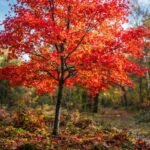 Amur Maple (Acer tataricum ginnala) care guideAcer tataricum ginnala
 Acer palmatum care guideAcer palmatum
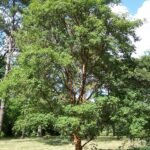 Paperbark Maple (Acer griseum) care guideAcer griseum
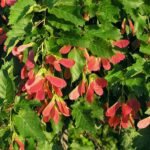 Tatar Maple (Acer tataricum) care guideAcer tataricum
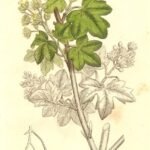 Field maple (Acer campestre) care guideAcer campestre
 Boxelder (Acer negundo) care guideAcer negundo