
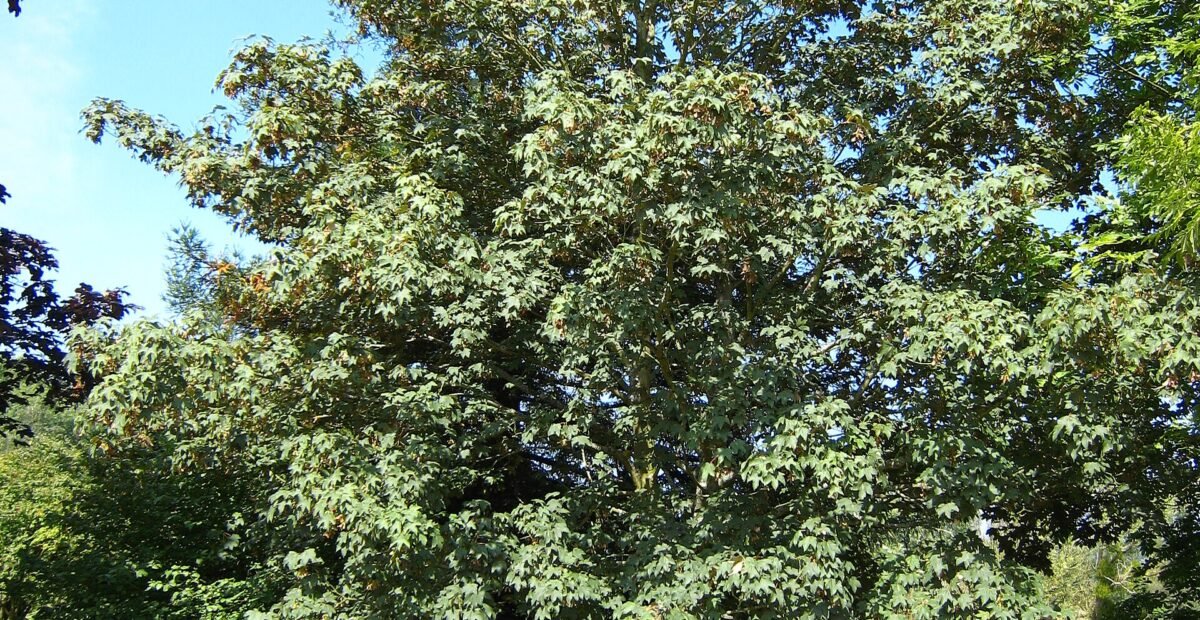
Sycamore maple (Acer pseudoplatanus) short overview
Sycamore maple is a broad, substantial deciduous tree with five-lobed green leaves, gray bark that becomes scaly with age, and pendent clusters of yellow-green flowers in spring. Native to Europe and western Asia, it adapts to many cool-temperate landscapes and can provide dense shade, but its abundant winged seeds may naturalize beyond cultivation. Give it room, moderate moisture, and well-drained soil.
Taxonomic classification
Sycamore maple (Acer pseudoplatanus) care guide
Light and placement
Grow in full sun for the densest crown, or partial shade where summers are hot. An open eastern, southern, or western exposure is suitable if soil moisture is reliable. Sparse growth and smaller leaves may indicate insufficient light; scorched leaf margins can signal heat, drought, or excessive reflected light rather than simple sun intolerance.
Watering and humidity
Water deeply and slowly when the upper several inches of soil begin to dry during establishment, rather than giving frequent shallow drinks. Continue supplemental watering through dry summer weather, then reduce as roots become established. Keep soil evenly moist but never saturated; mature trees are more tolerant of short dry periods.
Soil and growing medium
Use deep, fertile soil with good drainage and consistent moisture. Loam or moisture-retentive clay amended with organic matter is suitable, provided it does not remain waterlogged. The species tolerates mildly acidic through mildly alkaline conditions and can grow on calcareous soils.
Feeding
Normally needs little fertilizer after establishment. Apply compost or a slow-release, balanced tree fertilizer in early spring only when soil tests or weak, pale growth indicate a need. Avoid high-nitrogen feeding late in the season, during drought, or immediately after transplanting.
Growth and habit
This is a vigorous, long-lived tree that develops a broad, dense crown and a strong central trunk when given room. It can tolerate exposed sites and urban conditions better than many maples, but its size, self-seeding, and heavy shade make regular site assessment important.
Planting and repotting
Plant in spring or fall while the soil is workable. Set the root flare level with or slightly above the surrounding soil, water deeply, and mulch broadly without touching the trunk. Allow ample room for the mature canopy and remove competing turf during establishment.
Not generally suitable for long-term container culture because it develops into a large tree. Young container plants can be shifted into a larger pot before roots circle, then planted out promptly. Protect the root ball from drying during transplanting.
Propagation and pruning
Propagation
Sow fresh seed in fall or provide cold, moist stratification before spring sowing. Seedlings are genetically variable. Named cultivars are commonly maintained by grafting, which is more technical and best handled by a nursery.
Pruning
Prune lightly in late winter or during the dormant season to remove dead, crossing, or poorly attached branches and to establish a strong structure when young. Avoid topping and large unnecessary cuts. Do not prune during wet periods if fungal disease is a concern.
Overwintering
Established trees generally need no winter protection in their hardiness range. Water newly planted trees before the ground freezes, maintain a modest mulch layer, and protect young trunks from rodent damage or sunscald where locally relevant. Do not wrap branches tightly or keep container-grown plants exposed to repeated root freezing.
Uses
A substantial shade and specimen tree for parks, large lawns, campuses, and cool-temperate streetscapes. Its dense canopy and tolerance of wind make it useful in broad landscapes. It is not a recommended edible plant, and its capacity to self-seed should be considered where spread is undesirable.
Appearance
Leaves are opposite, palmately veined, and usually five-lobed, with coarsely toothed margins and a robust texture. Young bark is gray and smooth; older trunks develop patchy, plate-like scales with lighter inner areas. The crown is broad and dense, and paired samaras hang in conspicuous clusters after flowering.
Flowering
Small yellow-green flowers appear in branched, pendent clusters with the emerging foliage. The species is generally monoecious, and flowers are visited by insects before developing paired winged fruits. In much of the United States, flowering is most often in April and May, varying with latitude and spring temperatures.
Pollination and visitors
The spring flower clusters provide nectar and pollen for small bees and hoverflies. Animal visitation is documented, although the species is not generally treated as a specialist pollinator plant. Flowering occurs before the dense summer canopy is fully developed.
Acer pseudoplatanus photos
Click any photo for a larger view. Source, author and license are shown separately.
Diseases and pests
Diseases
Watch for tar spot, anthracnose, verticillium wilt, bleeding canker, and root problems in poorly drained soil. Improve air circulation, avoid unnecessary wounds, irrigate during establishment, and remove severely affected material. Wilt symptoms require professional diagnosis because several disorders look similar.
Pests
Possible pests include aphids, scale insects, caterpillars, gall mites, and maple borers. Inspect new growth and trunks, preserve beneficial insects, avoid unnecessary broad-spectrum insecticides, and address drought stress. Treat only confirmed damaging infestations using locally approved methods.
Related diseases and pests
Only Plant Doctor profiles whose host data indicate this plant may be affected are shown here.
 DiseasePhytophthora cactorum crown, collar, root and fruit rotPhytophthora cactorum
 Environmental stressIron Deficiency Chlorosis
 Environmental stressManganese deficiency
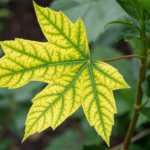 Environmental stressLime-Induced Chlorosis
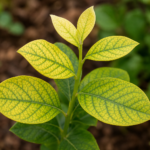 Environmental stressHigh-pH-induced iron deficiency
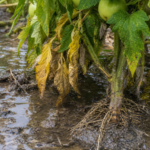 Environmental stressFlooding injury
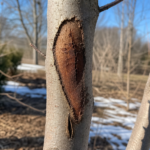 Environmental stressNapégés (sunscald)
 Environmental stressSalt stress
Toxicity and pollen
The species contains hypoglycin A and related compounds, with the clearest documented poisoning concern involving horses and ingestion of plant material, especially seeds and seedlings. Human poisoning evidence is limited, but do not eat seeds or foliage. Remove fallen material where grazing animals may access it and seek veterinary or poison-control advice after suspected ingestion.
- Typical season
- Spring, generally April–May in much of the United States
- Pollination / pollen
- Heavy, insect-carried pollen
Sycamore maple is insect-pollinated, so pollen is less readily dispersed through the air than pollen from strongly wind-pollinated trees. Local sensitivity is still possible, especially close to flowering trees; evidence for a major U.S. airborne allergy burden is limited.
Native habitat
Native across much of Europe and into western Asia, it occurs in temperate woodland, mountain valleys, forest margins, and disturbed habitats. It favors fertile, moderately moist soils but tolerates a wide range of reaction and texture, including calcareous ground.
Interesting fact
The paired winged fruits spin as they fall, helping seeds disperse away from the parent tree. Mature bark often develops irregular gray and pink-brown plates. The species is called sycamore maple to distinguish it from North American sycamore trees in the genus Platanus.
Frequently asked questions (FAQ)
The most relevant questions about this plant, with short and direct answers.
🌱Quick care
What is Acer pseudoplatanus called in the United States?⌄
Acer pseudoplatanus is commonly called sycamore maple in the United States. It is a large deciduous maple in the Sapindaceae family and should not be confused with American sycamore, Platanus occidentalis.
How big does sycamore maple get?⌄
Sycamore maple commonly grows 40–60 feet tall and 25–40 feet wide, sometimes becoming larger in favorable conditions. Give it substantial open space rather than planting it close to buildings, sidewalks, or utility lines.
How fast does sycamore maple grow?⌄
Sycamore maple is generally a fast-growing tree when young and well established. Its mature size and vigorous seed production make careful site selection more important than rapid early growth.
Is sycamore maple evergreen or deciduous?⌄
Sycamore maple is deciduous, so it drops its leaves in fall and remains bare through winter. Its fall color is usually modest compared with many ornamental maples.
🌤️Environment and placement
How much sun does sycamore maple need?⌄
Plant sycamore maple in full sun to partial shade. Full sun usually supports the strongest growth, while partial shade is tolerated, especially in cooler climates.
What soil is best for sycamore maple?⌄
Sycamore maple grows best in fertile, well-drained loam or moisture-retentive clay. It tolerates a broad range of soil pH and soil types, but avoid sites that stay constantly waterlogged.
Can sycamore maple grow in clay soil?⌄
Yes, sycamore maple can grow in clay soil if the site drains reasonably well. Improve compacted ground before planting and avoid burying the root flare.
Can sycamore maple tolerate drought?⌄
Established sycamore maple can tolerate occasional dry periods, but it grows best with moderate, consistent moisture. Water young trees during hot or prolonged dry weather until their roots are established.
What USDA hardiness zones are suitable for sycamore maple?⌄
Sycamore maple is generally suited to about USDA Zones 5–7, with mature trees tolerating temperatures near -20°F under suitable conditions. Heat and prolonged hot summers can limit performance, particularly in warmer parts of the United States.
Is sycamore maple suitable for a small yard?⌄
Usually not, because sycamore maple becomes a large, broad-canopied tree and produces many winged seeds. Choose a smaller maple or another compact tree for a typical residential lot.
Can sycamore maple tolerate urban conditions?⌄
Sycamore maple tolerates several urban stresses, including pollution, wind, and some road salt. Its large size, leaf litter, and potential to naturalize can still make it unsuitable for small or heavily managed landscapes.
💧Care and problems
How often should I water sycamore maple?⌄
Water a newly planted sycamore maple deeply whenever the upper soil begins to dry, usually weekly during dry weather. Once established, water during extended droughts rather than following a fixed daily schedule.
Does sycamore maple need fertilizer?⌄
Sycamore maple usually does not need fertilizer when planted in fertile soil and growing normally. Test the soil first, and address a documented nutrient deficiency rather than applying routine high-nitrogen fertilizer.
Why are sycamore maple leaves turning brown?⌄
Brown sycamore maple leaves can result from drought, heat, salt injury, scorch, root stress, or disease. Check soil moisture, recent weather, drainage, and exposure before treating the tree.
What pests affect sycamore maple?⌄
Sycamore maple may be affected by aphids, gall mites, caterpillars, and scale insects. Most infestations are manageable when the tree is otherwise healthy, so identify the pest before using an insecticide.
What diseases affect sycamore maple?⌄
Reported problems include tar spot, verticillium wilt, honey fungus, and trunk or branch cankers. Improve drainage, avoid trunk injuries, and have serious dieback or suspected wilt evaluated by a qualified arborist.
🪴Planting and repotting
When is the best time to plant sycamore maple?⌄
Plant sycamore maple in spring or fall when temperatures are mild and soil moisture is dependable. In colder regions, spring planting gives roots more time to establish before winter.
How far from a house should sycamore maple be planted?⌄
Place sycamore maple well away from buildings, driveways, sidewalks, and overhead utilities because the mature canopy can exceed 40 feet in width. The exact distance depends on the cultivar and site, but a small planting bed is not appropriate.
How do you plant sycamore maple?⌄
Dig a broad hole no deeper than the root ball, set the tree with the root flare at or slightly above soil level, and backfill with the original soil. Water thoroughly and apply a shallow mulch layer without touching the trunk.
Can sycamore maple be grown in a container?⌄
Acer pseudoplatanus is not well suited to long-term container growing because it becomes a large tree with an extensive root system. A young plant can be temporarily container-grown, but it should eventually be planted in the ground or replaced with a dwarf species.
✂️Propagation and pruning
How do you propagate sycamore maple?⌄
Sycamore maple is most commonly propagated from seed. Sow fresh samaras after they mature, or provide the cold, moist stratification needed to overcome seed dormancy before spring sowing.
Can you grow sycamore maple from a cutting?⌄
Sycamore maple is not usually propagated from ordinary hardwood cuttings because rooting can be unreliable. Seed propagation is the standard method, while selected cultivars may require specialized nursery techniques.
When should sycamore maple be pruned?⌄
Prune sycamore maple during dormancy or in a season recommended by a local arborist, removing dead, damaged, crossing, or poorly attached branches. Avoid excessive pruning, topping, and large unnecessary cuts.
Does sycamore maple produce samaras?⌄
Yes, sycamore maple produces paired winged fruits called samaras, usually after its spring flowers. Wind disperses the seeds widely, and numerous seedlings may appear beneath or near mature trees.
⚠️Toxicity and safety
Is sycamore maple invasive in the United States?⌄
Sycamore maple is considered invasive or potentially invasive in some parts of the United States, especially in portions of the Northeast. Check your state and local invasive-plant listings before planting, and remove unwanted seedlings promptly.
Is sycamore maple toxic to people or pets?⌄
Sycamore maple can be harmful if plant material is ingested, so do not eat its leaves, seeds, or other parts. Keep fallen material away from children, pets, and livestock, and contact a poison-control or veterinary professional if ingestion occurs.
Are sycamore maple seeds poisonous to horses?⌄
The seeds and seedlings of sycamore maple are associated with serious poisoning in horses, including atypical myopathy. Do not plant or allow this tree to seed in or beside horse pasture, and remove samaras and seedlings from grazing areas.
🌸Flowering and special interest
When does sycamore maple flower?⌄
Sycamore maple flowers in spring, producing yellow-green, relatively inconspicuous flower clusters. The flowers are followed by conspicuous paired samaras rather than showy ornamental berries.
Does sycamore maple have good fall color?⌄
Sycamore maple usually has limited ornamental fall color, often turning yellowish or greenish brown. Its main landscape features are its large size, dense shade, bark, and tolerance of challenging conditions rather than brilliant autumn foliage.
Similar plants
 Downy Japanese Maple (Acer japonicum) care guideAcer japonicum
 Tatar Maple (Acer tataricum) care guideAcer tataricum
 Field maple (Acer campestre) care guideAcer campestre
 Amur Maple (Acer tataricum ginnala) care guideAcer tataricum ginnala
 Silver maple (Acer saccharinum) care guideAcer saccharinum
 Acer palmatum care guideAcer palmatum