
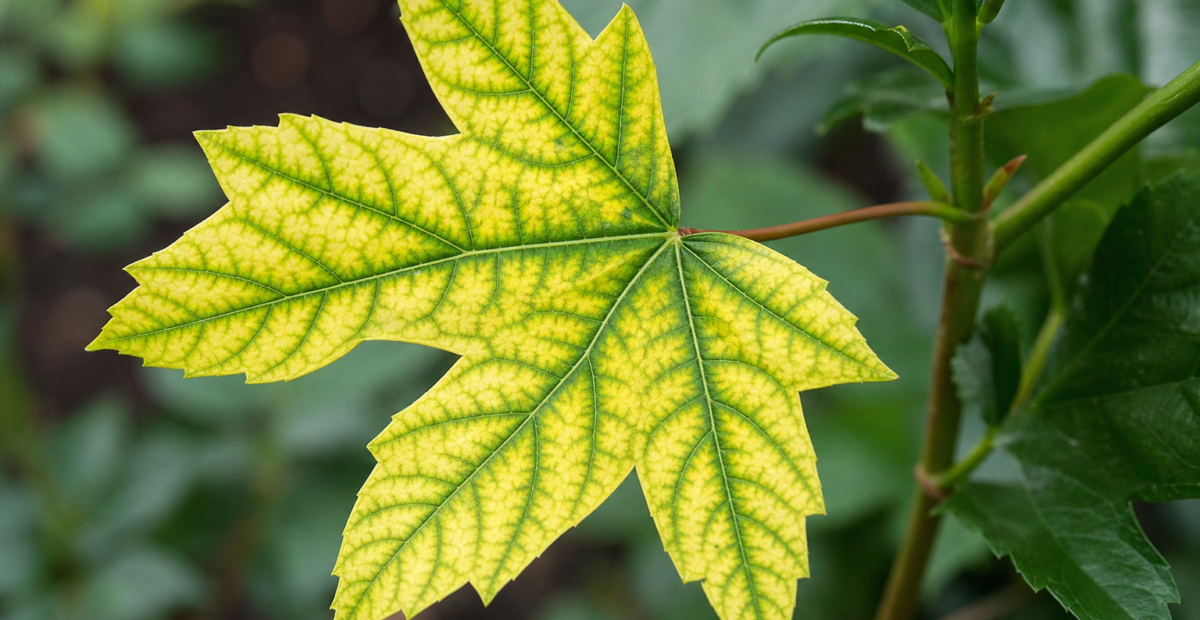
Lime-Induced Chlorosis
Lime-Induced Chlorosis overview
Lime-induced chlorosis is an environmental disorder caused when alkaline, lime-rich soil makes iron—and sometimes manganese or zinc—chemically unavailable to plant roots. Young leaves turn yellow between the veins while the veins remain green. It is common on acid-loving plants and other susceptible crops in calcareous soils, especially when overwatering, compaction or poor drainage further restricts root function.
Typical conditions
Overview
Lime-induced chlorosis is not caused by a fungus, bacterium, virus or insect. It develops when excess lime raises soil pH and reduces the plant’s access to iron. In alkaline soils, iron is rapidly converted into poorly soluble forms; plants may therefore show iron-deficiency symptoms even when a routine soil test finds adequate total iron.
The disorder is especially important in calcareous soils, newly over-limed beds, sites irrigated with alkaline or hard water, and poorly drained or compacted soils. Diagnosis should remain cautious because similar yellowing can result from nitrogen deficiency, manganese or zinc deficiency, root injury, herbicide damage, vascular disease or water stress.
Symptoms and identification
- Young leaves and new growth become pale yellow to almost white between the veins.
- Leaf veins usually remain distinctly green, producing a netted or striped appearance.
- Symptoms may begin on only part of a plant where soil conditions vary.
- Severe cases may develop brown leaf margins, interveinal brown spots, reduced shoot growth, premature leaf drop or general decline.
- Iron chlorosis generally appears first on newer leaves because iron is relatively immobile after it is incorporated into plant tissue; nitrogen deficiency more often begins on older leaves.
Compare affected and unaffected plants, inspect the newest leaves, and confirm soil pH, drainage and watering conditions before treating.
Causes and spread
The principal cause is high soil pH associated with calcium carbonate or other alkaline materials. Excessive liming, calcareous native soil, alkaline irrigation water and repeated applications of alkaline amendments can all contribute. Fine lime particles are particularly influential because they contact roots and neutralize the acids that some plants release to mobilize iron.
Overwatering, prolonged saturation, drought, compaction, damaged roots, high soluble salts and excessive phosphate fertilization can intensify symptoms by reducing root activity or nutrient availability. This disorder does not spread from plant to plant, although several plants may be affected together when they share the same soil, irrigation water or planting bed.
Life cycle and persistence
There is no pathogen or insect lifecycle. Symptoms develop whenever susceptible roots encounter alkaline, lime-rich soil and plant-available iron falls below the level needed for chlorophyll formation. New leaves may remain chlorotic while older leaves retain more color. Symptoms can improve after root-zone conditions or iron availability improve, but severely damaged leaves usually do not regain normal color; improvement is more reliably seen in newly emerging foliage.
Treatment and control
Begin with a laboratory soil test and review irrigation water quality. Correct overwatering, poor drainage, compaction and root damage first. If the soil has no substantial free lime, carefully planned acidification with elemental sulfur may gradually reduce pH, but rates should follow a soil-test recommendation; changes can take months or longer.
Iron chelates can provide useful correction, but performance depends on soil pH and product chemistry. Chelates suited to mildly acidic or neutral soil may fail in strongly alkaline, lime-rich soil. Foliar iron can provide temporary greening but does not correct the root-zone cause and may discolor or injure foliage if misapplied. For high-value woody plants, a certified arborist or extension diagnostic service can help assess soil treatment, root-zone applications or other professionally administered options.
Replace or relocate plants that are poorly suited to permanently calcareous soil when correction is impractical. Recheck new growth rather than judging success only by older leaves.
Low-impact and biological control
- Use compost and organic mulch to support root-zone structure and moisture moderation, without burying trunks or crowns.
- Maintain even moisture while preventing saturation; improve grading or drainage where water remains around roots.
- Reduce compaction with appropriate cultivation before planting and avoid damaging established roots.
- Select locally adapted, alkaline-tolerant plants instead of repeatedly attempting to force acid-loving species into free-lime soil.
- Use acidic organic amendments only when appropriate for the crop and soil test; organic matter alone will not reliably neutralize large amounts of calcium carbonate.
- Do not rely on vinegar, coffee grounds or unmeasured sulfur applications as a cure. A vinegar fizz test can indicate free lime, but it is not a substitute for laboratory soil testing.
Prevention
- Test soil pH, texture, organic matter and, where appropriate, free lime before planting or applying lime, sulfur or iron products.
- Do not apply lime unless a soil test and crop recommendation call for it.
- Choose plants adapted to the site’s natural pH; acid-loving blueberries, azaleas and rhododendrons may perform poorly in calcareous soil even after repeated amendments.
- Improve drainage and avoid frequent shallow irrigation. Water deeply when needed, then allow the upper few inches of soil to dry according to the crop’s requirements.
- Reduce compaction, maintain moderate organic matter with suitable compost or mulch, and avoid excessive phosphate fertilization.
- Use raised beds, containers or imported acidic growing media for plants with strict low-pH requirements when native soil contains abundant free lime.
Interesting facts
Lime-induced chlorosis is often an availability problem rather than an absolute lack of iron: alkaline chemistry can lock up iron that is already abundant in the soil. Plant species also differ greatly in their ability to acidify the rhizosphere or otherwise acquire iron.
A simple field clue is the contrast between yellow interveinal tissue and green veins on the youngest leaves. However, the pattern is not diagnostic by itself. Root damage, herbicide injury, vascular disorders and deficiencies of other micronutrients can look similar, so soil, water and plant-history information matter.
In soils containing abundant free lime, lowering pH throughout the root zone may be impractical or cost-prohibitive. Choosing a compatible plant is often the most durable management decision.
No pesticide controls this disorder. Use only soil amendments, fertilizers, iron products or other treatments legally authorized for the specific crop and problem in the United States, and follow the current product label. Do not use aluminum sulfate or concentrated acidifying materials without professional guidance; plant injury and soil toxicity are possible.
Affected plants
The plants below are linked to this problem by structured host-plant data. The list updates automatically as new plant profiles are added.
 Field maple (Acer campestre) care guideAcer campestre
 Paperbark Maple (Acer griseum) care guideAcer griseum
 Downy Japanese Maple (Acer japonicum) care guideAcer japonicum
 Boxelder (Acer negundo) care guideAcer negundo
 Acer palmatum care guideAcer palmatum
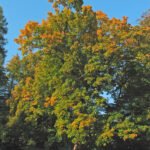 He Norway maple (Acer platanoides) care guideAcer platanoides
 Sycamore maple (Acer pseudoplatanus) care guideAcer pseudoplatanus
 Red maple (Acer rubrum) care guideAcer rubrum
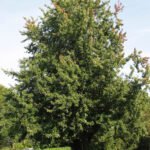 Silver maple (Acer saccharinum) care guideAcer saccharinum
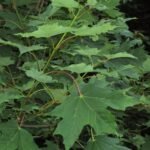 Sugar maple (Acer saccharum) care guideAcer saccharum
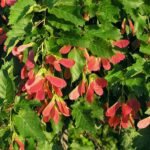 Tatar Maple (Acer tataricum) care guideAcer tataricum
 Amur Maple (Acer tataricum ginnala) care guideAcer tataricum ginnala