

Phytophthora cactorum crown, collar, root and fruit rot
Phytophthora cactorumPhytophthora cactorum crown, collar, root and fruit rot overview
Phytophthora cactorum is a soilborne oomycete that causes crown, collar, root, stem, fruit and occasional foliar diseases on a wide range of woody and herbaceous plants. In the United States, important examples include strawberry crown and root rot, strawberry leather rot, and apple crown or collar rot. Disease is favored by saturated soil, poor drainage, contaminated water and infected nursery stock.
Typical conditions
Overview
Phytophthora cactorum is not a true fungus, although it is commonly managed under the general heading of fungal diseases. It can infect both woody and herbaceous hosts, with disease expression depending on the host, isolate, tissue, soil conditions and weather.
On strawberries, the pathogen can cause crown and root rot that leads to stunting, wilting and collapse, as well as leather rot of fruit. On apples and some other woody plants, it can produce collar or crown cankers, root rot and gradual decline. In nurseries and landscapes, infection may remain below ground until root loss becomes severe.
A positive identification should not be based on wilt alone. Phytophthora diseases can resemble Pythium, Armillaria, Fusarium, Rhizoctonia, anthracnose, drought injury, winter injury or vascular disorders.
Symptoms and identification
- Strawberry: early stunting, small leaves, wilted young foliage, bluish or reddish foliage, marginal browning and eventual collapse. A cut crown commonly shows uniform water-soaked brown, orange, cinnamon or deep red-brown discoloration; roots may be brown to black and decayed.
- Strawberry fruit: green berries may develop firm brown areas with darker margins and later a rough, leathery surface. Mature fruit may show little external color change but can have a bitter taste and unpleasant odor.
- Apple and other woody hosts: delayed bud break, pale or discolored foliage, premature leaf drop, twig dieback, reduced vigor and tree decline. The bark at the crown or collar may be brown, water-soaked or slimy when wet, with a sunken necrotic area that can extend toward the graft union.
- Nursery and ornamental plants: root loss, crown or stem lesions, bleeding cankers, foliar spots, shoot blight, wilting and sudden death, especially in wet container media or poorly drained beds.
Because symptoms vary by host, inspect the crown, lower stem and roots rather than relying only on leaf symptoms.
Causes and spread
Disease begins when susceptible tissue remains wet and the pathogen is present in soil, potting media, plant debris, roots, crowns or irrigation water. Saturated soil allows sporangia to release motile zoospores, which move through water-filled pores toward roots and wounded or submerged crown tissue.
Spread commonly occurs through infected or symptomless nursery stock, contaminated containers, tools, footwear, soil movement, runoff, floodwater, reused potting media and irrigation systems. Splashing or overhead irrigation can move inoculum onto aboveground tissues. Pruning wounds, graft unions, damaged bark and fruit touching wet soil can provide infection sites.
Some populations form durable oospores or chlamydospores that persist in soil and debris for extended periods, although survival and epidemic behavior vary among host-pathogen systems and locations. In some Florida strawberry production systems, infected transplants may be more important inoculum sources than long-term summer soil survival.
Life cycle and persistence
Phytophthora cactorum survives as mycelium or resistant spores in infected plant material, soil, potting media and debris. When moisture and temperature are favorable, it produces sporangia. In free water, sporangia may release zoospores with flagella; these swim short distances, encyst near susceptible roots or wounds, germinate and invade tissue.
The pathogen colonizes roots, crowns, collars, stems, leaves or fruit depending on the host and infection court. New sporangia can be produced during continued wetness, allowing secondary spread through irrigation water and rain. Sexual oospores, where produced, can remain dormant through unfavorable periods.
Cool to moderate wet conditions favor many crown and root infections, while warm, rainy periods can intensify strawberry crown rot and fruit rot. The exact temperature response differs among isolates and hosts, so disease may occur across much of the US when soil remains saturated.
Treatment and control
First confirm the diagnosis when possible, especially on strawberries, because crown collapse can also result from anthracnose, charcoal rot, Pythium, Fusarium and other causes. Submit a fresh crown-and-root sample to a state diagnostic laboratory or qualified plant pathologist; do not send only dead, dried tissue.
Remove plants that are collapsed or extensively girdled, together with visibly infested root-zone material. Improve drainage, correct irrigation frequency, repair leaking lines and prevent water movement from diseased to healthy areas. A woody plant with a small, non-girdling collar lesion may sometimes be helped by removing soil from the crown and allowing the area to dry, but this is not a cure for extensive root or crown infection.
In commercial strawberry systems, disease management may include resistant or more tolerant cultivars, clean transplants, raised beds, drip irrigation, preplant sanitation and a locally appropriate fungicide or phosphite program. Products generally protect developing infections better than they restore severely rotted tissue. Rotate modes of action when labels and local recommendations permit, and account for documented resistance risks.
Low-impact and biological control
No reliably curative organic treatment can restore a crown or root system that has been destroyed. The most useful organic-compatible measures are exclusion and water management: clean planting material, clean containers, well-drained raised beds, careful irrigation, removal of diseased plants, sanitation and prevention of runoff movement.
In suitable warm climates, soil solarization under clear plastic for an appropriately timed period can reduce inoculum near the soil surface. It is site- and weather-dependent and should not be treated as complete eradication. Avoid adding diseased plant material to compost used for susceptible crops. Biological products may be labeled for some crops and situations, but performance is variable; use only products registered or allowed for the intended crop and disease in the United States, and follow the current label.
Prevention
- Buy certified, disease-free plants from reputable nurseries and reject stock with wilt, crown discoloration or root decay.
- Plant strawberries, trees and ornamentals in well-drained soil; use raised beds where appropriate and avoid low spots.
- Manage irrigation to wet the root zone without maintaining saturation. Prefer drip or carefully directed irrigation over unnecessary overhead watering.
- Do not use runoff from infested areas to irrigate clean beds, wet roads or fill reservoirs.
- Use clean containers, benches, tools and potting media. Keep nursery containers off contaminated ground and prevent drainage water from flowing between production areas.
- Remove and dispose of severely diseased plants and associated root-zone media; do not compost infected crowns, roots or fruit in a home compost pile.
- For apples, avoid planting in heavy, poorly drained sites and select rootstocks and cultivars with better documented tolerance where local recommendations support them.
- In warm regions, consider properly timed soil solarization before planting, recognizing that it will not reliably eliminate pathogen inoculum at depth.
Interesting facts
- Phytophthora cactorum is an oomycete, not a true fungus, and is evolutionarily closer to certain algae than to most plant-pathogenic fungi.
- It is considered a broad-host-range pathogen, but isolates can show host-associated variation; a strain associated with strawberry is not automatically equally aggressive on apple or ornamentals.
- On strawberry, crown rot and leather rot are distinct disease expressions: one primarily destroys crown and root tissue, while the other affects fruit. They may occur independently.
- Wilt may become visible only after substantial root or crown damage has already reduced water transport.
- Asymptomatic nursery plants and contaminated irrigation or potting media can introduce the pathogen into previously clean production areas.
Use chemical products only when they are legally authorized and currently labeled in the United States for the specific crop, site and Phytophthora disease. Always follow the current label for rate, application method, personal protective equipment, reentry interval, preharvest interval, resistance-management instructions and disposal requirements. Active ingredients used in some US production systems include phosphites or phosphonates, fosetyl-aluminum, mefenoxam or other oomycete-targeting materials, but availability, crop registration, efficacy, formulation and resistance status vary by state, crop and pathogen population. Do not apply a product solely because it is labeled for another Phytophthora species or another crop.
Affected plants
The plants below are linked to this problem by structured host-plant data. The list updates automatically as new plant profiles are added.
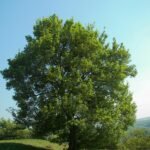 Field maple (Acer campestre) care guideAcer campestre
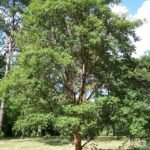 Paperbark Maple (Acer griseum) care guideAcer griseum
 Downy Japanese Maple (Acer japonicum) care guideAcer japonicum
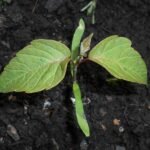 Boxelder (Acer negundo) care guideAcer negundo
 Acer palmatum care guideAcer palmatum
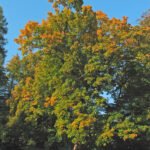 He Norway maple (Acer platanoides) care guideAcer platanoides
 Sycamore maple (Acer pseudoplatanus) care guideAcer pseudoplatanus
 Red maple (Acer rubrum) care guideAcer rubrum
 Silver maple (Acer saccharinum) care guideAcer saccharinum
 Sugar maple (Acer saccharum) care guideAcer saccharum
 Tatar Maple (Acer tataricum) care guideAcer tataricum
 Amur Maple (Acer tataricum ginnala) care guideAcer tataricum ginnala