
Excess light stress
Excess light stress overview
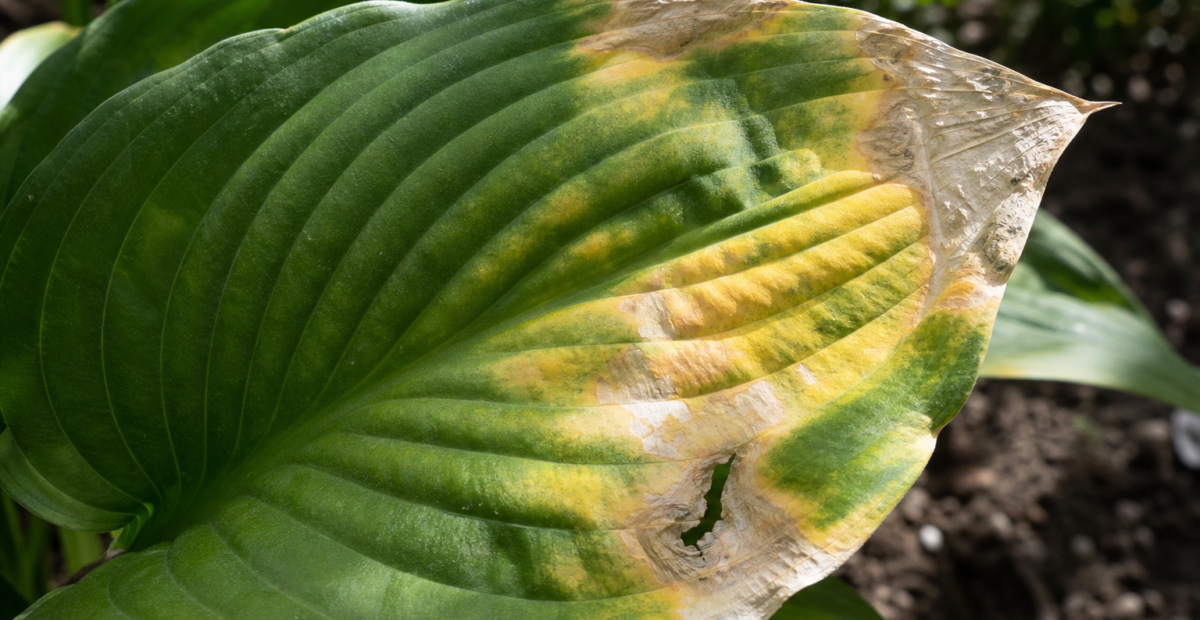
Excess light stress is not an infectious disease but a physiological injury caused when sunlight or artificial light exceeds a plant’s tolerance, often together with heat and rapid water loss. Affected leaves may fade, bleach, scorch, curl, wilt, or develop crispy brown tissue; exposed fruit can also suffer sunscald. Damage is permanent, but new growth can recover after light and moisture are corrected.
Typical conditions
Overview
Plants have different light tolerances. Shade-adapted foliage can be injured by direct midday or afternoon sun, while seedlings and indoor plants may be damaged by powerful grow lights placed too close or operated too long. The disorder is commonly called leaf scorch, leaf burn, or sunscald when sunlight and heat are involved.
Symptoms and identification
Typical symptoms begin on the side or upper surface receiving the strongest light. Leaves may become pale green, yellow-green, yellow, or bleached white, followed by tan, brown, crispy, papery, or translucent dead tissue.
- Irregular bleached patches between or along leaf veins
- Brown leaf tips, margins, or large scorched areas
- Curling, folding, wilting, or premature leaf drop
- Stunted or damaged new growth under excessive artificial lighting
- Sunscald on exposed fruit, appearing as pale, yellow, white, gray, or papery patches that may later crack or rot
Symptoms usually occur on the most exposed tissue while shaded portions remain healthier. Damage can resemble fungal leaf spots, nutrient deficiency, drought, fertilizer injury, or chemical injury; a directional exposure pattern and recent light change are important clues.
Causes and spread
The disorder is caused by an unfavorable light environment rather than biological spread. Common triggers include a south- or west-facing window, reflected light from glass, concrete, or light-colored walls, sudden seasonal increases in solar intensity, moving plants outdoors, excessive grow-light intensity, excessive daily light duration, and insufficient distance from heat-producing lamps. Drought, low humidity, wind, root loss, overfertilization, and defoliation can intensify injury. It does not spread from plant to plant, although several plants in the same overly bright location may be affected.
Life cycle and persistence
There is no pathogen or pest lifecycle. Injury develops when absorbed light energy and leaf temperature exceed the plant’s ability to dissipate heat and maintain water balance. Shade-grown plants can be injured within hours after abrupt exposure to direct outdoor sun. Existing damaged tissue does not regenerate; recovery occurs through corrected conditions and healthy new growth.
Treatment and control
Correct the exposure as soon as symptoms appear. Move the plant farther from the window or grow light, add filtered shade, shorten the artificial-light period, or reduce lamp intensity. Protect plants from hot afternoon sun and wind, and check soil moisture at the root zone. Water thoroughly when appropriate, allowing excess water to drain, but do not compensate for light injury with constant saturation.
Leave partially green leaves in place unless they are fully dead or diseased. Prune severely scorched tissue with clean tools, removing no more than necessary. Keep the plant stable while new growth develops. If symptoms continue after light correction, inspect roots and examine the plant for pests, disease, fertilizer salts, or chemical exposure.
Low-impact and biological control
Use nonchemical cultural measures:
- Move container plants to bright indirect light, morning sun, or dappled shade.
- Install shade cloth, sheer curtains, blinds, or a temporary screen during the strongest afternoon exposure.
- Acclimate indoor plants and greenhouse seedlings gradually over 7–14 days, beginning in bright shade and increasing direct sun slowly.
- Keep soil moisture consistent according to the plant’s needs, but do not leave containers standing in water.
- Maintain mulch and adequate root-zone moisture outdoors, while preserving good drainage.
- Remove only tissue that is fully dead and crispy; do not strip healthy leaves that still contribute energy.
Prevention
Match each plant to its documented light preference and monitor the actual exposure through the day, especially in spring and summer. Introduce plants to stronger light gradually, place shade-adapted houseplants away from unfiltered south- or west-facing glass, and keep grow lights at the manufacturer’s recommended distance and schedule. Use a timer and provide a daily dark period. Maintain steady watering, good drainage, healthy roots, and sufficient foliage to shade developing fruit. Inspect plants after changes in window position, outdoor placement, pruning, or lighting equipment.
Interesting facts
Excess light is not simply the opposite of insufficient light: a plant can receive enough light for photosynthesis yet still suffer photoinhibition, heat injury, or excessive water loss. Indoor plants may scorch when moved outdoors because outdoor sunlight is much stronger than a bright indoor window.
Blue-leaved hostas are especially vulnerable to bleaching and burn in excessive sun because their waxy surface is adapted to lower-light conditions. In tomatoes and other fruiting crops, sunscald is more likely when foliage is sparse or has been lost to pruning, pests, disease, or drought.
No pesticide treats excess light stress. Use cultural correction first. If another pest or disease is also present, use only products legally authorized for that crop and problem in the United States, and follow the current product label exactly.
Affected plants
The plants below are linked to this problem by structured host-plant data. The list updates automatically as new plant profiles are added.
 Hosta ‘Abiqua Drinking Gourd’Hosta 'Abiqua Drinking Gourd'
 Hosta ‘Allan P Mcconnell’Hosta 'Allan P Mcconnell'
 Hosta ‘American Halo’Hosta 'American Halo'
 Hosta ‘August Moon’Hosta 'August Moon'
 Hosta ‘Autumn Frost’Hosta 'Autumn Frost'
 Hosta ‘Azure Snow’Hosta 'Azure Snow'
 Hosta ‘Big Daddy’Hosta 'Big Daddy'
 Hosta ‘Blue Angel’Hosta 'Blue Angel'
 Hosta ‘Blue Ivory’Hosta 'Blue Ivory'
 Hosta ‘Blue Mammoth’Hosta 'Blue Mammoth'
 Hosta ‘Captain Kirk’Hosta 'Captain Kirk'
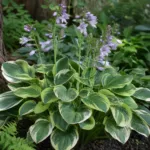 Hosta ‘Captain’s Adventure’Hosta 'Captain's Adventure'