
 Source:
Hosta ‘August Moon’ short overview
Hosta 'August Moon' is a vigorous, clump-forming perennial grown mainly for its broad, heart-shaped golden chartreuse leaves. The puckered foliage develops stronger gold tones with gentle morning sun, while pale lavender flowers rise on tall scapes in midsummer. Plant it in fertile, moisture-retentive but well-drained soil in partial shade or shade. It is a dependable choice for woodland borders, mass plantings, and large containers.
Taxonomic classification
Hosta ‘August Moon’ care guide
Light and placement
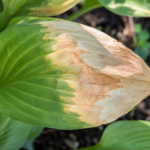
Grow in bright filtered light, partial shade, or shade. Gentle morning sun can bring out stronger gold coloration, especially from an east-facing exposure. Protect from hot afternoon sun and drying reflected heat. Bleached, scorched margins suggest excessive light or drought; weak color and stretched petioles suggest overly deep shade.
Watering and humidity
Water deeply when the upper soil begins to dry, keeping the root zone consistently moist rather than constantly saturated. Increase frequency during hot, dry weather and reduce it during cool autumn conditions without allowing newly planted divisions to dry out. Water at the soil line to limit foliar disease.
Soil and growing medium
Use fertile, humus-rich soil that stays evenly moist but drains freely. Loam or improved clay is suitable. A slightly acidic to neutral soil is ideal, although hostas tolerate a broad pH range when drainage and organic matter are good. Avoid persistently waterlogged sites.
Feeding
Apply compost or another organic mulch in spring. If growth is weak, use a balanced slow-release fertilizer at label rates as growth starts. Avoid heavy nitrogen feeding late in the season, which can produce soft growth and reduce winter readiness. Do not fertilize drought-stressed or newly divided plants until they are established.
Growth and habit
This cultivar forms a dense, mounded clump from a crown and expands gradually through short rhizomatous growth. Its vigorous habit makes it useful for filling shady spaces, but crowded plants benefit from division after establishment. Keep the crown free of deep mulch to reduce rot risk.
Planting and repotting
Plant in spring or early fall, setting the crown at soil level with the buds just below or level with the surface. Space about 30–42 inches apart for a full mature clump. Water deeply after planting and mulch lightly, keeping mulch away from the crown.
Repot container plants in early spring as growth begins, moving them into a slightly larger pot with moisture-retentive but well-drained potting mix. Divide and refresh crowded clumps rather than repeatedly upsizing a very large container.
Propagation and pruning
Propagation
Propagate by division in early spring or late summer. Lift the clump, separate sections with healthy buds and roots, and replant immediately. Division is the dependable method for preserving the named cultivar; seed will not reliably reproduce its cultivar characteristics.
Pruning
Remove spent flower scapes after flowering if desired. Allow foliage to remain until it yellows and dies back naturally after frost, then cut old leaves to the ground and remove debris to reduce pest and disease habitat.
Overwintering
Leave healthy foliage until it dies back after frost, then remove the dead leaves. Apply a light winter mulch in exposed or very cold sites, keeping it away from the crown. Container plants are more vulnerable to root freezing and should be sheltered or insulated in severe winters.
Uses
Use as a foliage specimen, woodland-border plant, shade-bed massing plant, or large container perennial. Its dense mound can visually fill gaps beneath trees and shrubs. It is ornamental rather than a supported culinary or medicinal plant, and pet access should be restricted because hostas are toxic if eaten by dogs and cats.
Appearance
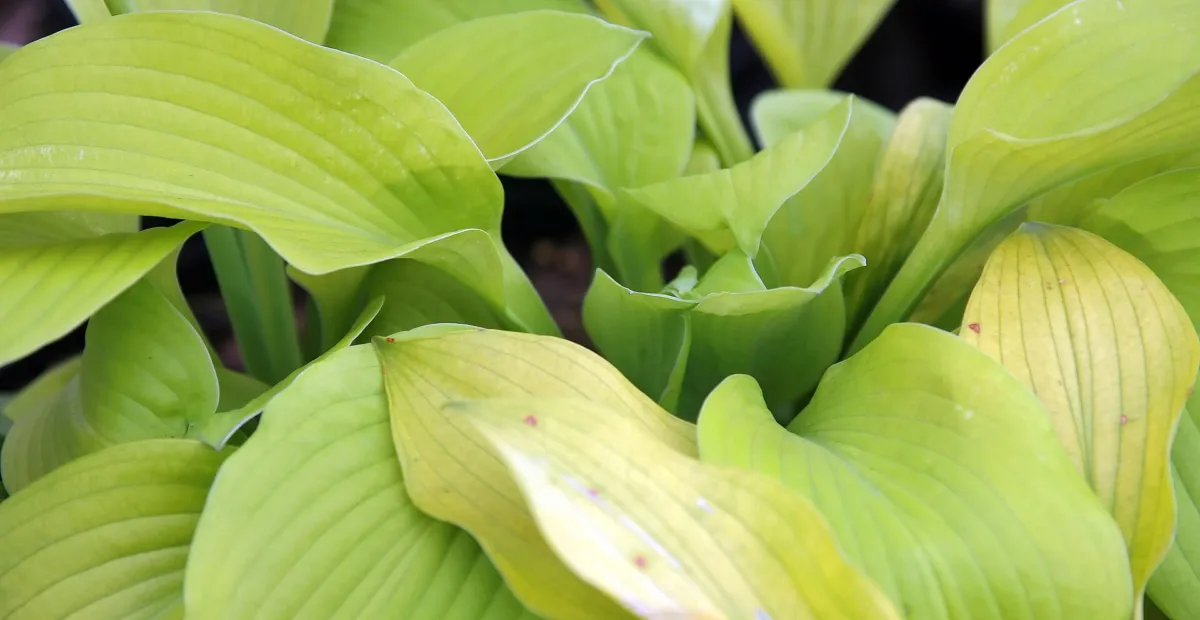
The cultivar forms a dense mound of broad, heart-shaped leaves with strong veins, good substance, and a distinctly puckered or seersuckered surface. Leaves open chartreuse-green and deepen toward gold with suitable light. Grayish-yellow scapes rise above the mound and carry pale lavender flowers.
Flowering
Tall grayish-yellow scapes rise above the foliage in midsummer and carry nodding, bell-shaped flowers in pale lavender to violet-lavender shades. The flowers are ornamental, but the cultivar is primarily valued for its foliage. Bloom timing varies with climate and latitude.
Pollination and visitors
Hosta flowers are insect-pollinated, but the sources reviewed did not provide sufficiently specific, cultivar-level visitor records to assign a documented primary visitor group. Do not treat this cultivar as a confirmed pollinator plant without local observations.
Hosta 'August Moon' photos
Click any photo for a larger view. Source, author and license are shown separately.
Diseases and pests
Diseases
Watch for crown rot, foliar leaf spots, foliar nematodes, and hosta viruses such as HVX. Improve drainage, avoid overhead watering when disease is present, remove infected plants promptly, and disinfect tools between divisions. Virus symptoms can include mottling, ink-like streaking, or distorted leaves.
Pests
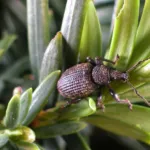
Slugs and snails commonly chew irregular holes in the leaves. Deer and rabbits may browse the foliage. Container plants can also suffer from vine weevil. Use barriers, hand-picking, habitat management, or labeled controls proportionate to damage.
Related diseases and pests
Only Plant Doctor profiles whose host data indicate this plant may be affected are shown here.
 DiseaseImpatiens necrotic spot virus diseaseImpatiens necrotic spot orthotospovirus
 DiseaseSouthern blightAthelia rolfsii
 PestStrawberry foliar nematodeAphelenchoides fragariae
 Environmental stressExcess light stress
 Environmental stressLeaf sunburn
 PestBlack Vine WeevilOtiorhynchus sulcatus
 DiseaseAlternaria leaf spot and fruit rotAlternaria alternata
 DiseasePhytophthora root and crown rotPhytophthora nicotianae
Toxicity and pollen
Hosta plants contain saponins and are listed by veterinary poison-control references as toxic to dogs and cats if ingested. Expected signs include vomiting, diarrhea, lethargy, or depression. Prevent chewing and contact a veterinarian or poison-control service if ingestion occurs. Evidence reviewed concerns the genus rather than this cultivar specifically.
- Pollination / pollen
- Insect-dispersed pollen
Hosta is insect-pollinated and does not generally disperse pollen like wind-pollinated grasses or trees. However, cultivar-specific airborne-allergy evidence was not located, so allergy relevance is left unknown rather than assumed negligible. Sensitive people should avoid handling flowers if symptoms occur.
Native habitat
As a cultivated hosta, it is best understood as a garden perennial rather than a wild native population. It reproduces in managed soils and performs in cool to temperate climates with moist, organic-rich ground, filtered light, and protection from drying winds.
Interesting fact
The leaves open chartreuse-green and commonly mature toward gold, especially with more gentle sunlight. The cultivar is more sun-tolerant than many hostas, but hot afternoon exposure can still scorch foliage. It may take several years to reach mature size.
Frequently asked questions (FAQ)
The most relevant questions about this plant, with short and direct answers.
🌱Quick care
How do you care for Hosta 'August Moon'?⌄
Grow Hosta 'August Moon' in partial shade, keep the soil evenly moist, and plant it in fertile, well-drained soil. Gentle morning sun helps develop its golden foliage, while hot afternoon sun can scorch the leaves.
Is Hosta 'August Moon' easy to grow?⌄
Yes, Hosta 'August Moon' is an easy-care, long-lived perennial when grown in moist, fertile soil with shade or gentle morning sun. Routine care mainly involves watering, mulching, removing spent foliage, and managing slugs.
How big does Hosta 'August Moon' get?⌄
Hosta 'August Moon' typically grows about 16–24 inches tall and 36–42 inches wide at maturity. Its final size depends on soil quality, moisture, climate, and the time allowed for the clump to establish.
How fast does Hosta 'August Moon' grow?⌄
Hosta 'August Moon' is a vigorous grower but may take several years to reach its mature size. Consistent moisture, fertile soil, and adequate space encourage faster establishment.
🌤️Environment and placement
How much sun does Hosta 'August Moon' need?⌄
Hosta 'August Moon' performs best in partial shade to shade, with roughly four to five hours of gentle morning light. It tolerates more sun than many hostas, but hot afternoon exposure may bleach or scorch the foliage.
Can Hosta 'August Moon' grow in full shade?⌄
Yes, Hosta 'August Moon' can grow in full shade, although its leaves may stay more chartreuse or green instead of developing their strongest golden color. Maintain even moisture because dry shade can stress the plant.
Can Hosta 'August Moon' tolerate full sun?⌄
Hosta 'August Moon' can tolerate more sun than many hostas, especially where summers are mild and the soil stays moist. In hot U.S. climates, avoid strong afternoon sun and watch for leaf scorch.
What is the best location for Hosta 'August Moon'?⌄
Place Hosta 'August Moon' in an east-facing or partially shaded bed with protection from hot afternoon sun and drying winds. Woodland gardens, shady borders, and the north or east side of buildings are suitable locations.
What USDA hardiness zones are suitable for Hosta 'August Moon'?⌄
Hosta 'August Moon' is generally suitable for USDA Zones 3–9. Local heat, winter exposure, soil moisture, and snow cover can affect performance within that range.
What soil does Hosta 'August Moon' prefer?⌄
Hosta 'August Moon' prefers fertile, humus-rich, moist but well-drained loam or improved clay soil. Incorporating compost can improve drainage, moisture retention, and organic matter in poor ground.
💧Care and problems
How often should you water Hosta 'August Moon'?⌄
Water Hosta 'August Moon' whenever the soil begins to dry, providing enough moisture to keep the root zone evenly moist. Newly planted hostas need more frequent watering, while established plants may tolerate brief dry periods but should not remain drought-stressed.
Does Hosta 'August Moon' need mulch?⌄
Yes, a 2–3-inch layer of organic mulch helps Hosta 'August Moon' retain moisture and keeps the roots cooler. Keep mulch slightly away from the crown to reduce the risk of rot and pest problems.
Should you fertilize Hosta 'August Moon'?⌄
Apply compost or a balanced slow-release fertilizer in early spring as new growth emerges. Avoid excessive nitrogen and late-season fertilizing, which can promote soft growth and reduce the plant’s golden coloration.
Why are the leaves of my Hosta 'August Moon' turning green?⌄
Hosta 'August Moon' may remain greener when grown in deep shade or when it receives insufficient light for gold coloration. Excessive nitrogen, seasonal changes, and normal differences between spring and summer foliage can also affect leaf color.
Why does Hosta 'August Moon' have holes in its leaves?⌄
Slugs and snails are the most common cause of holes in Hosta 'August Moon' leaves. Reduce hiding places, water at the soil level, remove debris, and use a slug-control method appropriate for your garden.
What pests attack Hosta 'August Moon'?⌄
Slugs and snails commonly damage Hosta 'August Moon', while deer and rabbits may also eat the foliage. Container-grown plants can occasionally be affected by vine weevils.
What diseases affect Hosta 'August Moon'?⌄
Hosta 'August Moon' can be affected by foliar nematodes, leaf spots, crown rot, and hosta viruses. Remove severely diseased plants, avoid overhead watering, improve air circulation, and do not propagate from suspicious foliage.
Why are the leaves of Hosta 'August Moon' scorched?⌄
Leaf scorch usually results from hot afternoon sun, drought, reflected heat, or a combination of these stresses. Move or shade the plant if necessary and keep the soil consistently moist without making it waterlogged.
🪴Planting and repotting
When should you plant Hosta 'August Moon'?⌄
Plant Hosta 'August Moon' in spring or early fall when the soil is workable and temperatures are moderate. Spring planting is especially useful in colder areas because it gives the roots a full growing season to establish.
How far apart should you plant Hosta 'August Moon'?⌄
Space Hosta 'August Moon' about 30–42 inches apart, depending on whether you want individual clumps or a faster-filling mass planting. Allow extra room in rich, moist soil where the plant can reach its full width.
How deep should you plant Hosta 'August Moon'?⌄
Plant Hosta 'August Moon' with the crown at soil level or only slightly covered. Spread the roots into the planting hole, water thoroughly to settle the soil, and avoid burying the crown under heavy mulch.
Can Hosta 'August Moon' grow in a container?⌄
Yes, Hosta 'August Moon' can grow in a large container with drainage holes and moisture-retentive, well-drained potting mix. Choose a container wide enough for the mature clump and protect the roots from severe winter temperature swings.
How do you transplant Hosta 'August Moon'?⌄
Transplant Hosta 'August Moon' in early spring or early fall by digging a broad root ball and replanting it at the same depth. Water thoroughly after planting and maintain steady moisture while the roots recover.
✂️Propagation and pruning
How do you propagate Hosta 'August Moon'?⌄
Propagate Hosta 'August Moon' by dividing the established clump in early spring before the leaves unfurl or in late summer. Each division should include healthy roots and at least one growing point.
Can you grow Hosta 'August Moon' from seed?⌄
You can grow hostas from seed, but seedlings may not remain true to Hosta 'August Moon'. Division is the preferred method when you want new plants with the same foliage color, form, and growth characteristics.
When should you divide Hosta 'August Moon'?⌄
Divide Hosta 'August Moon' in early spring before leaf unfurling or in late summer after the main growth flush. Avoid dividing during hot, dry weather unless you can provide reliable irrigation.
Should you cut back Hosta 'August Moon' in fall?⌄
Cut back Hosta 'August Moon' after frost or once the foliage has naturally yellowed and collapsed. Removing dead leaves helps tidy the planting and reduces overwintering places for slugs and disease, but do not remove healthy foliage prematurely.
Should you remove the flower stalks from Hosta 'August Moon'?⌄
Remove spent flower stalks from Hosta 'August Moon' if you want a tidier appearance or want to prevent seed development. Leaving them in place does not usually harm the plant, since hostas are grown mainly for their foliage.
⚠️Toxicity and safety
Is Hosta 'August Moon' toxic to dogs and cats?⌄
Yes, Hosta 'August Moon' is toxic to dogs and cats if ingested. Keep pets from chewing the leaves, flowers, or other plant parts, and contact a veterinarian promptly if ingestion causes concern.
Is Hosta 'August Moon' deer resistant?⌄
No, Hosta 'August Moon' is not reliably deer resistant, and deer may eat its foliage. Fencing, repellents, or protected planting locations are more dependable than relying on the cultivar’s leaf texture.
🌸Flowering and special interest
When does Hosta 'August Moon' bloom?⌄
Hosta 'August Moon' generally blooms in midsummer, often from July into August depending on the local climate. Its tall scapes rise above the foliage and carry bell-shaped flowers.
What color are the flowers of Hosta 'August Moon'?⌄
Hosta 'August Moon' produces pale lavender to whitish, bell-shaped flowers. Flower color can vary somewhat with growing conditions and how individual references describe the blooms.
Does Hosta 'August Moon' attract pollinators?⌄
Yes, the flowers of Hosta 'August Moon' can provide nectar for pollinators such as bees and hummingbirds. The cultivar is primarily valued, however, for its puckered golden foliage rather than its flowers.
Similar plants
 Foxtail Palm (Wodyetia bifurcata) care guideWodyetia bifurcata
 He Mexican fan palm (Washingtonia robusta) care guideWashingtonia robusta
 He California fan palm (Washingtonia filifera) care guideWashingtonia filifera
 Veitchia arecina care guideVeitchia arecina
 Trachycarpus latisectus care guideTrachycarpus latisectus
 He Chusan palm (Trachycarpus fortunei) care guideTrachycarpus fortunei