AI-generated illustration
Hosta ‘Captain’s Adventure’ short overview
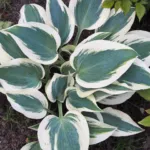
Hosta 'Captain's Adventure' is a distinctive medium-sized deciduous perennial valued for foliage that changes as it matures. Broad, slightly corrugated leaves combine chartreuse to green centers, dark green painted-looking streaks, and irregular cream-white margins. The upright clump suits sheltered partial shade, where consistent moisture helps preserve strong leaf color. Pale lavender tubular flowers rise above the foliage in midsummer, adding seasonal interest to shaded beds, borders, woodland plantings, and containers.
Taxonomic classification
Hosta ‘Captain’s Adventure’ care guide
Light and placement
Give bright filtered light, partial shade, or shade with some morning sun. An east-facing or sheltered west-facing position can improve variegation; protect the cream margins from hot afternoon sun and drying wind. Excess light may scorch margins or bleach foliage, while deep, dense shade can weaken growth and reduce color contrast.
Watering and humidity
Water deeply when the top inch of soil begins to dry, keeping the root zone evenly moist rather than alternating between drought and saturation. Increase frequency during hot, dry weather and for container plants. Water at the soil surface in the morning when possible, and mulch around—not over—the crown to moderate moisture.
Soil and growing medium
Use fertile, humus-enriched soil that holds even moisture without remaining waterlogged. Loam is ideal, but clay or sandy soil can work when improved with organic matter. A slightly acidic to neutral soil is suitable; hostas tolerate a broad pH range when drainage and moisture are reliable.
Feeding
Apply compost or a balanced slow-release fertilizer in early spring as shoots emerge. Water after feeding and avoid heavy late-season nitrogen, which can encourage soft growth and delay dormancy. Container plants may need a dilute, balanced feed during active growth if the potting mix is low in nutrients.
Growth and habit
This cultivar forms a long-lived, upright-to-mounded clump from a crown rather than spreading by runners. Growth is moderate, and the foliage may become more strongly textured and patterned as the plant establishes. Keep the crown free of buried mulch and divide only when the clump has enough size to recover easily.
Planting and repotting
Plant in spring or early fall after extreme heat has passed. Set the crown at soil level, spread the roots naturally, and water thoroughly after planting. Allow about 22–26 inches between plants for a mature medium clump, adjusting spacing for a fuller groundcover effect.
Repot container-grown plants in spring as new shoots emerge, moving them into a container only modestly larger than the root mass. Use a moisture-retentive but well-drained potting mix and ensure the crown remains at soil level. Container plants dry and freeze more quickly than those in the ground.
Propagation and pruning
Propagation
Divide established clumps in early spring as shoots emerge or in late summer after flowering. Lift carefully, separate crowns with healthy roots, and replant promptly at the original depth. Division is the dependable way to preserve this named cultivar; seedlings will not reproduce its variegation consistently.
Pruning
Remove yellowing leaves after frost or whenever they become unsightly. Cut flower scapes back after blooming if seed production is not desired. Sanitize tools when removing suspiciously diseased tissue, and do not compost plants suspected of viral infection.
Overwintering
Leave the crown in the ground outdoors in USDA Zones 3–9. After frost, remove collapsed foliage and apply a light organic mulch in cold or exposed sites without covering the crown. Container plants are more vulnerable to root freezing; move them to a sheltered unheated location or insulate the pot while maintaining dormancy.
Uses
Use as a foliage specimen, shaded border accent, woodland underplanting, edging, groundcover grouping, or sheltered container plant. Its patterned leaves provide interest from spring through fall, while the summer flowers add a secondary vertical accent. It is not recommended as an edible plant, especially where pets can chew it.
Appearance
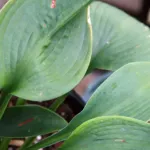
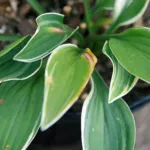
Leaves are broadly ovate to lanceolate, slightly corrugated, and carried on green petioles. New foliage may begin chartreuse, then develops a cream-white outer margin and a darker green streak between the center and margin. The changing, painted-looking variegation is the cultivar's key identification feature.
Flowering
Loose racemes of pale lavender, tubular to bell-shaped flowers rise on upright green scapes above the foliage in midsummer. The flowers are ornamental but secondary to the cultivar's changing, strongly variegated leaves. The cultivar is reported as not reliably fertile, so seed does not preserve its named characteristics.
Pollination and visitors
The pale lavender tubular flowers of hostas can provide nectar and pollen to visiting bees and bumblebees, but this cultivar is primarily grown for foliage and should not be treated as a major pollinator plant. The visitor evidence is genus-level rather than a documented species list for this exact cultivar.
Diseases and pests
Diseases
Avoid persistently wet crowns and improve air circulation to reduce crown and root rot. Watch for leaf spot, anthracnose, Hosta Virus X, tobacco rattle virus, and tomato ringspot virus. Remove and destroy plants showing suspected virus symptoms rather than propagating them.
Pests
Slugs and snails are the principal foliage pests; deer and rabbits may browse the leaves. Black vine weevil and foliar nematodes can also occur. Use mulch that does not touch the crown, inspect foliage regularly, remove hiding places, and rely on proportionate, locally approved controls when damage is persistent.
Related diseases and pests
Only Plant Doctor profiles whose host data indicate this plant may be affected are shown here.
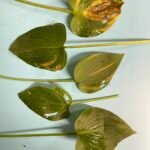 PestStrawberry foliar nematodeAphelenchoides fragariae
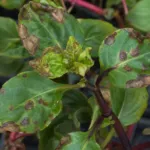 DiseaseImpatiens necrotic spot virus diseaseImpatiens necrotic spot orthotospovirus
 DiseaseSouthern blightAthelia rolfsii
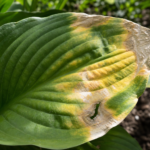 Environmental stressExcess light stress
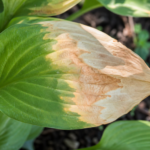 Environmental stressLeaf sunburn
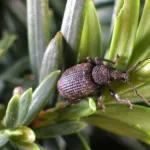 PestBlack Vine WeevilOtiorhynchus sulcatus
 DiseaseAnthracnoseColletotrichum gloeosporioides
 DiseaseTomato mosaic virusTobamovirus tomatotessellati
Toxicity and pollen
Hosta is listed as toxic to dogs, cats, and horses because of saponins. Ingestion commonly causes gastrointestinal upset such as vomiting or diarrhea; severity depends on amount and animal. Keep pets from chewing the foliage and contact a veterinarian if significant ingestion or symptoms occur. Human toxicity data for this exact cultivar are limited.
- Typical season
- July–August during flowering
- Pollination / pollen
- Insect-carried pollen from tubular flowers
Hosta flowers release relatively little airborne pollen compared with wind-pollinated plants because pollination is primarily insect-mediated. This does not establish zero allergy risk; sensitive people should avoid handling flowers if symptoms occur. The low rating reflects limited airborne exposure, not a guarantee of safety.
Native habitat
Hostas are woodland-edge perennials native to East Asia, where they grow in moist, fertile soils under filtered light or seasonal shade. This garden cultivar is not native to the United States. In cultivation, it performs best in conditions that approximate a sheltered forest margin: cool roots, organic soil, steady moisture, and protection from drying wind.
Interesting fact
This cultivar is a 2009 sport of Hosta 'Captain Kirk'.
Its leaf pattern changes noticeably from spring into summer.
The dark green band can look painted between center and margin.
It combines chartreuse, green, and cream in a three-part pattern.
Frequently asked questions (FAQ)
The most relevant questions about this plant, with short and direct answers.
🌱Quick care
What is Hosta 'Captain's Adventure'?⌄
Hosta 'Captain's Adventure' is a medium-sized, clump-forming perennial grown for its changing chartreuse, green, and creamy-white variegated foliage. It typically reaches about 15 inches tall and 24 inches wide.
How much light does Hosta 'Captain's Adventure' need?⌄
Grow Hosta 'Captain's Adventure' in partial shade to shade. A few hours of gentle morning sun can improve leaf color, but hot afternoon sun may scorch the foliage.
How often should I water Hosta 'Captain's Adventure'?⌄
Water it regularly enough to keep the soil evenly moist but not waterlogged. Check during dry spells because hostas can wilt or develop browned leaf edges when moisture is inconsistent.
Is Hosta 'Captain's Adventure' evergreen?⌄
No, Hosta 'Captain's Adventure' is a deciduous perennial that dies back in fall and reemerges in spring. The foliage may yellow naturally before dormancy.
🌤️Environment and placement
Where should I plant Hosta 'Captain's Adventure'?⌄
Plant it in a sheltered, shady or partially shaded bed with fertile, humus-rich soil. It works well in shade borders, woodland gardens, under shrubs, and along paths.
Can Hosta 'Captain's Adventure' grow in full shade?⌄
Yes, it can grow in full shade, although some filtered or morning light may produce stronger foliage color. Avoid locations that remain hot and dry.
Can Hosta 'Captain's Adventure' tolerate morning sun?⌄
Yes, gentle morning sun is generally suitable and may enhance the foliage colors. Protect it from intense afternoon sunlight, especially in hot summer climates.
What USDA hardiness zones suit Hosta 'Captain's Adventure'?⌄
Hosta 'Captain's Adventure' is generally listed for USDA Zones 3 through 8. In warmer areas, extra shade and consistent moisture are important, particularly during summer heat.
What type of soil does Hosta 'Captain's Adventure' prefer?⌄
It prefers fertile, humus-rich loam that retains moisture while draining excess water. Incorporating compost or leaf mold before planting can improve both fertility and moisture management.
How large does Hosta 'Captain's Adventure' get?⌄
A mature plant is usually about 15 inches tall and 24 inches wide, although growing conditions can produce somewhat larger clumps. Allow roughly 2 feet of space for its spread.
💧Care and problems
Does Hosta 'Captain's Adventure' need fertilizer?⌄
Apply a balanced garden fertilizer in early spring as new shoots emerge, following the product label. Avoid heavy late-season fertilizing, which can encourage tender growth before winter.
Why are the leaves of my Hosta 'Captain's Adventure' scorched?⌄
Leaf scorch is usually caused by excessive sun, dry soil, heat, or drying wind. Move container plants to brighter shade and maintain even moisture around plants in the ground.
Why is my Hosta 'Captain's Adventure' losing its variegation?⌄
Seasonal changes in the chartreuse, green, and cream pattern are normal for this cultivar. Excessive shade can reduce color contrast, while intense sun can bleach or scorch the leaves.
Do slugs and snails damage Hosta 'Captain's Adventure'?⌄
Yes, slugs and snails commonly chew hosta foliage, including this cultivar. Reduce hiding places, water at the soil level, and use an appropriate control method if damage becomes significant.
Do deer eat Hosta 'Captain's Adventure'?⌄
Yes, deer may browse Hosta 'Captain's Adventure' because hostas are a favored deer food. Use fencing, repellents, or another deer-management strategy where browsing is common.
Why are the leaves of my Hosta 'Captain's Adventure' turning yellow?⌄
Yellowing can be a normal sign of fall dormancy, but it can also indicate drought, excessive sunlight, or waterlogged soil. Check the season and soil moisture before changing the plant’s care.
🪴Planting and repotting
When is the best time to plant Hosta 'Captain's Adventure'?⌄
Plant it in spring or early fall when temperatures are moderate and soil moisture is reliable. Water thoroughly after planting and keep the root zone evenly moist while it establishes.
How deep should I plant Hosta 'Captain's Adventure'?⌄
Plant it at the same depth it was growing in its nursery container, with the crown at or just slightly above soil level. Planting the crown too deeply can contribute to rot.
Can Hosta 'Captain's Adventure' grow in a container?⌄
Yes, it can grow in a container with drainage holes, although it is a medium hosta rather than a miniature cultivar. Use a moisture-retentive potting mix and water more often than an in-ground plant.
How far apart should I plant Hosta 'Captain's Adventure'?⌄
Space plants about 24 inches apart for their expected mature spread. Closer spacing creates a quicker mass planting but may require later division.
✂️Propagation and pruning
How do I propagate Hosta 'Captain's Adventure'?⌄
Propagate it by division rather than seed to preserve the cultivar’s variegated characteristics. Dig up an established clump, separate sections with roots and at least one growing bud, and replant promptly.
When should I divide Hosta 'Captain's Adventure'?⌄
Divide it in early spring as new growth begins or in late summer to early fall. Division is easiest when the soil is moist and each section can retain a healthy portion of roots.
Can I grow Hosta 'Captain's Adventure' from seed?⌄
You can grow hostas from seed, but seedlings will not reliably reproduce 'Captain's Adventure' because it is a named cultivar. Division is the dependable method for producing true-to-type plants.
Should I cut back Hosta 'Captain's Adventure' in fall?⌄
Cut the foliage to the ground after it has yellowed and died back, or remove it in late fall before winter. Do not remove healthy green leaves early because they continue feeding the crown.
⚠️Toxicity and safety
Is Hosta 'Captain's Adventure' toxic to dogs and cats?⌄
Yes, hostas are toxic to dogs and cats and may cause vomiting, diarrhea, or depression if eaten. Keep pets away from the plant and contact a veterinarian or pet poison service after ingestion.
🌸Flowering and special interest
When does Hosta 'Captain's Adventure' bloom?⌄
It generally blooms in mid-summer, producing loose clusters of pale lavender, tubular flowers on upright stems. Bloom timing can vary with climate and growing conditions.
Does Hosta 'Captain's Adventure' need to be deadheaded?⌄
No, deadheading is optional rather than necessary for plant health. Remove spent flower stalks if you prefer a tidier appearance or want the foliage to remain the main feature.
What color are the flowers on Hosta 'Captain's Adventure'?⌄
The flowers are pale lavender to lavender and rise above the foliage on upright stems. The cultivar is primarily valued for its distinctive leaves rather than its flowers.