 Source:
Hosta ‘Captain Kirk’ short overview
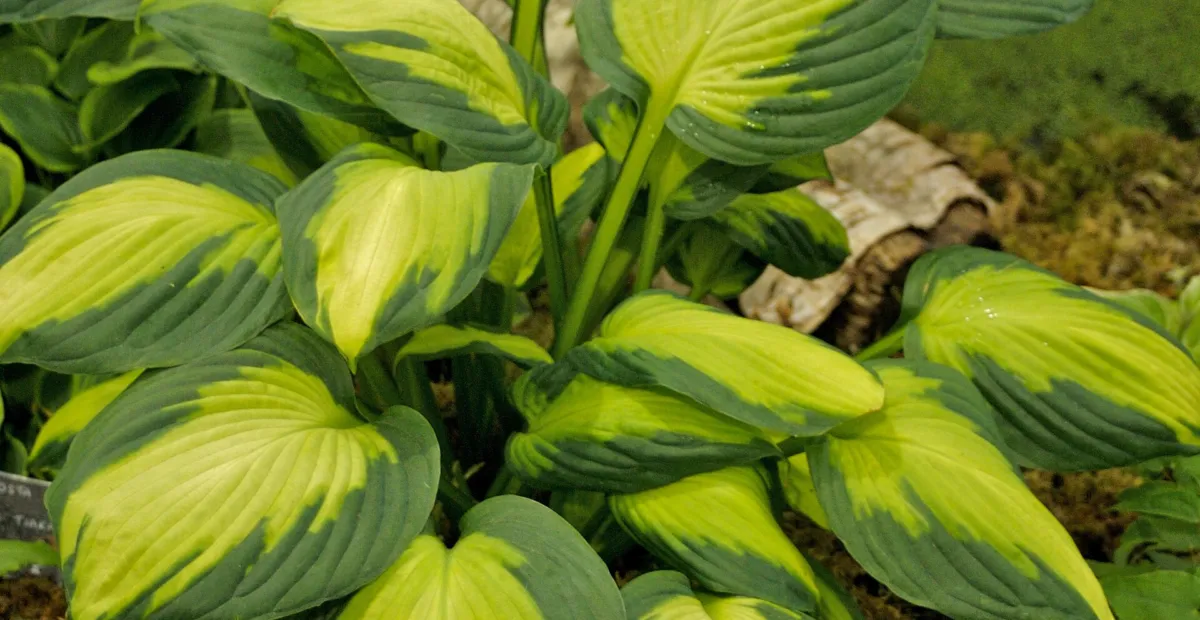
Hosta ‘Captain Kirk’ is a large, clump-forming perennial valued for its broad, strongly veined leaves with golden centers and wide dark green margins. Pale lavender flowers rise on tall scapes in midsummer. Give it partial to full shade, humus-rich soil that stays evenly moist but drains well, and room to mature. It is hardy across USDA Zones 3–9 and is best grown as an ornamental foliage plant. A large, clump-forming hosta with gold-centered, dark-green-margined foliage and pale lavender midsummer flowers.
Taxonomic classification
Hosta ‘Captain Kirk’ care guide
Light and placement
Grow in partial shade to shade, ideally with bright filtered light or morning sun and afternoon protection. East- and north-facing beds are suitable. Excessive direct afternoon sun can scorch or bleach the leaves, while very deep shade may reduce vigor and dull the gold coloring. Morning light can improve color if moisture is dependable.
Watering and humidity
Water deeply when the upper inch of soil begins to dry, keeping the root zone evenly moist rather than constantly saturated. Increase frequency during hot weather, drought, and competition from tree roots. Apply water at the base to keep foliage dry and reduce leaf-spot risk. A 2–3 inch mulch layer helps conserve moisture.
Soil and growing medium
Use fertile, humus-rich soil that holds moisture without becoming waterlogged. Loam amended with compost is ideal. Hostas tolerate a broad pH range from acidic through neutral to slightly alkaline, provided drainage is good and the root zone does not dry excessively.
Feeding
Apply a thin layer of compost in spring or use a balanced slow-release fertilizer according to the product label. Feed after growth begins, not into dry soil and not heavily late in the season. Avoid fertilizer contact with emerging leaves and stop routine feeding as the plant enters dormancy.
Growth and habit
This cultivar forms a dense, rounded clump of overlapping leaves and develops into a substantial specimen over several growing seasons. It is generally vigorous when moisture is reliable. Mulching helps buffer soil temperature and moisture, while division can prevent overcrowding or create additional plants.
Planting and repotting
Plant in spring or early fall, setting the crown at soil level with the buds just covered. Space plants about 30–36 inches apart to allow the mature clump to develop. Water deeply after planting and maintain consistent moisture during the first growing season.
Repot container-grown plants in early spring as new shoots emerge, or divide and refresh the potting mix after flowering. Use a container with drainage holes and move up only one pot size. Do not bury the crown deeper than it was previously planted.
Propagation and pruning
Propagation
Divide established clumps in spring as shoots emerge or in early fall. Separate crowns with a sharp, clean knife, ensuring each division has roots and growing points. Seed is possible for hostas generally but will not reliably reproduce this named cultivar.
Pruning
Remove flower scapes after bloom if seed production is not desired, or leave them for seasonal structure. Cut back frost-damaged foliage after it collapses in fall or winter. Clean away dead leaves to reduce overwintering pest and disease habitat.
Overwintering
Leave healthy foliage until frost has killed it, then remove the collapsed leaves and spent debris. The dormant crown is cold hardy in USDA Zones 3–9 and generally needs no special winter covering in the ground. Container plants benefit from protection from repeated freeze-thaw cycles.
Uses
Use as a specimen, mass planting, woodland-border accent, foundation planting, or shade-container plant. Its large variegated leaves provide strong contrast beneath trees and among ferns and other shade perennials. Do not treat it as an edible hosta; ornamental cultivars should not be consumed.
Appearance
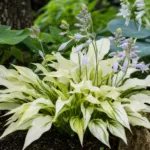
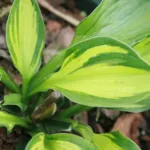
Leaves are broad, oval to broadly ovate, slightly arching, ribbed, and lightly puckered. New foliage emerges chartreuse or gold and matures toward a brighter gold or ivory center surrounded by a broad dark green margin. The dense mound is topped by taller upright scapes with pale lavender flowers.
Flowering
Loose clusters of pale lavender, bell-shaped flowers are carried on upright scapes about 30 inches tall. Flowering occurs in midsummer, typically July and August in much of the United States. The flowers rise clearly above the foliage but are secondary to the ornamental leaves.
Pollination and visitors
Hosta flowers are visited by insects including bees and bumblebees, and hosta plantings may also be used by butterflies and hummingbirds. Visitor activity is concentrated during the midsummer flowering period. No specific pollinator species is sufficiently documented for this cultivar.
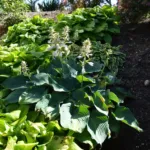
Hosta 'Captain Kirk' photos
Click any photo for a larger view. Source, author and license are shown separately.
Diseases and pests
Diseases
Reduce foliar disease by watering at the soil surface, providing air circulation, and removing collapsed leaves in fall. Watch for crown or root rot in poorly drained soil. Remove severely affected tissue and correct drainage rather than relying on repeated fungicide use.
Pests
Slugs and snails commonly chew hosta leaves, especially in damp beds. Hand-pick, remove hiding places, improve air movement, and use barriers or labeled controls when necessary. Deer and rabbits may also browse foliage; fencing or repellents are more dependable than chemical sprays alone.
Related diseases and pests
Only Plant Doctor profiles whose host data indicate this plant may be affected are shown here.
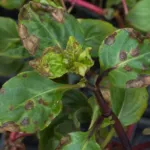 DiseaseImpatiens necrotic spot virus diseaseImpatiens necrotic spot orthotospovirus
 DiseaseSouthern blightAthelia rolfsii
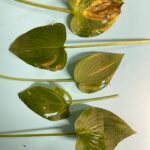 PestStrawberry foliar nematodeAphelenchoides fragariae
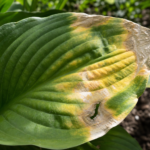 Environmental stressExcess light stress
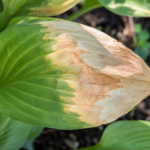 Environmental stressLeaf sunburn
 DiseasePhytophthora cactorum crown, collar, root and fruit rotPhytophthora cactorum
 DiseasePhytophthora root and crown rotPhytophthora nicotianae
Toxicity and pollen
ASPCA lists hosta as toxic to dogs and cats because of saponins, with vomiting, diarrhea, and depression reported after ingestion. Keep pets from chewing the foliage or flowers and contact a veterinarian if symptoms develop. Human toxicity for this cultivar is not well documented; avoid eating ornamental plant material.
- Typical season
- During flowering, usually July–August
- Pollination / pollen
- Flower pollen, mainly animal-dispersed
Hosta pollen is released from flowers and is primarily moved by animal visitors rather than being a major wind-dispersed seasonal pollen source. Direct allergy evidence for ‘Captain Kirk’ is lacking, so sensitive individuals should still avoid handling flowers if symptoms occur.
Native habitat
Hostas are woodland and forest-edge perennials native to East Asia, where they grow in moist, organically enriched soils under filtered light or shade. Garden hostas perform best when their roots remain cool and evenly moist, conditions that resemble their natural woodland settings.
Interesting fact
‘Captain Kirk’ is a sport of Hosta ‘Gold Standard’. Its broad dark green margins frame golden centers that can shift toward ivory as the season progresses. The cultivar was introduced through Walters Gardens and is grown primarily for its foliage.
Frequently asked questions (FAQ)
The most relevant questions about this plant, with short and direct answers.
🌱Quick care
How do you care for Hosta 'Captain Kirk'?⌄
Grow Hosta 'Captain Kirk' in partial shade to shade, humus-rich moist but well-drained soil, and water whenever the surface begins to dry. Keep moisture consistent during active growth for the best foliage.
Is Hosta 'Captain Kirk' easy to grow?⌄
Yes, Hosta 'Captain Kirk' is generally easy to grow when provided with shade, fertile soil, and regular moisture. It is a cold-hardy perennial that becomes more substantial as the clump matures.
How big does Hosta 'Captain Kirk' get?⌄
Hosta 'Captain Kirk' typically reaches about 20 inches tall and 36 inches wide, although mature clumps can vary with climate and growing conditions. Its flower scapes may rise to roughly 30 inches.
🌤️Environment and placement
Does Hosta 'Captain Kirk' prefer sun or shade?⌄
Hosta 'Captain Kirk' prefers partial shade to full shade. In cooler northern areas it may tolerate gentle morning sun, but strong afternoon sun can scorch or fade its variegated leaves.
Can Hosta 'Captain Kirk' grow in full shade?⌄
Yes, Hosta 'Captain Kirk' can grow in full shade, although growth may be slower and the foliage may develop less intense color. Bright indirect light or filtered shade usually supports a fuller clump.
Can Hosta 'Captain Kirk' tolerate morning sun?⌄
Yes, Hosta 'Captain Kirk' can usually tolerate a few hours of mild morning sun, especially in cooler climates. Protect it from hot afternoon sunlight and reflected heat.
What soil is best for Hosta 'Captain Kirk'?⌄
The best soil for Hosta 'Captain Kirk' is humus-rich, fertile, moist, and well drained. Improve compact or sandy soil with compost or other well-decomposed organic matter.
What USDA hardiness zones are suitable for Hosta 'Captain Kirk'?⌄
Hosta 'Captain Kirk' is commonly listed as hardy in USDA Zones 3 through 9. Local performance can still vary with winter exposure, snow cover, drainage, and spring temperature swings.
💧Care and problems
How often should you water Hosta 'Captain Kirk'?⌄
Water Hosta 'Captain Kirk' whenever the soil surface begins to dry, providing enough moisture to keep the root zone evenly moist. Increase watering during hot, dry weather and reduce it in cool, wet conditions.
Why are the leaves of Hosta 'Captain Kirk' turning brown?⌄
Brown leaves on Hosta 'Captain Kirk' are commonly caused by drought, hot sun, wind, hail, or slug damage. Check soil moisture and light exposure first, then remove badly damaged leaves if needed.
How do you fertilize Hosta 'Captain Kirk'?⌄
Apply a light, balanced fertilizer in early spring as new growth begins, following the product label. Keep granular fertilizer away from the crown because concentrated fertilizer can injure emerging shoots.
How do you protect Hosta 'Captain Kirk' from slugs?⌄
Reduce slug hiding places, avoid watering the foliage at night, and inspect around the plant after dark. Hand-picking, barriers, or a labeled slug control product can help when damage is persistent.
Do deer and rabbits eat Hosta 'Captain Kirk'?⌄
Yes, deer and rabbits may browse Hosta 'Captain Kirk', particularly when other food is scarce. Use fencing, repellents, or a protected planting area if these animals are common in your yard.
🪴Planting and repotting
When should you plant Hosta 'Captain Kirk' in the United States?⌄
Plant Hosta 'Captain Kirk' in spring after the soil can be worked or in early fall while the soil remains warm. Avoid planting during periods of severe heat, drought, or frozen ground.
How far apart should Hosta 'Captain Kirk' be planted?⌄
Space Hosta 'Captain Kirk' about 30 to 36 inches apart to allow its mature mound to develop. Use closer spacing only when a faster massed effect is more important than maximum airflow.
Can Hosta 'Captain Kirk' be grown in a container?⌄
Yes, Hosta 'Captain Kirk' can grow in a container with drainage holes and a moisture-retentive but well-drained potting mix. Choose a container wide enough for the expected 3-foot spread and protect the roots from severe winter exposure.
✂️Propagation and pruning
How do you divide Hosta 'Captain Kirk'?⌄
Divide Hosta 'Captain Kirk' in early spring as shoots emerge or in early fall. Lift the clump, separate sections containing both roots and shoots, and replant them immediately at the original depth.
Can Hosta 'Captain Kirk' be grown from seed?⌄
Hosta 'Captain Kirk' can produce seed, but seedlings usually do not reproduce the parent’s exact variegated pattern. Division is the preferred method for creating plants true to this cultivar.
Should you cut back Hosta 'Captain Kirk' in fall?⌄
Cut back Hosta 'Captain Kirk' after frost has collapsed the foliage or when it becomes unsightly. Removing dead leaves helps tidy the bed and may reduce overwintering debris, but do not cut into emerging crowns.
⚠️Toxicity and safety
Is Hosta 'Captain Kirk' toxic to dogs and cats?⌄
Yes, Hosta 'Captain Kirk' should be treated as toxic to dogs and cats if ingested. Eating the plant can cause gastrointestinal signs such as vomiting, diarrhea, lethargy, or depression, so contact a veterinarian or pet poison service after ingestion.
Is Hosta 'Captain Kirk' poisonous to people?⌄
Hosta 'Captain Kirk' is not generally treated as a highly poisonous garden plant to people, but it should not be eaten as an ornamental cultivar. Keep plant material away from children and seek medical advice if a significant amount is swallowed.
🌸Flowering and special interest
When does Hosta 'Captain Kirk' bloom?⌄
Hosta 'Captain Kirk' usually blooms in midsummer, often around July or August in temperate U.S. gardens. Its pale lavender flowers rise above the foliage on tall scapes.
What color are the flowers on Hosta 'Captain Kirk'?⌄
Hosta 'Captain Kirk' produces pale lavender to purple flowers on upright scapes. The cultivar is grown primarily for its variegated foliage rather than for its flowers.
Should you remove the flowers from Hosta 'Captain Kirk'?⌄
Remove the flower scapes from Hosta 'Captain Kirk' only if you prefer a foliage-focused appearance or want to prevent seed formation. Leaving the flowers in place does not normally harm a healthy plant.