Source:
 Hosta ‘Sum and Substance’ short overview
Hosta 'Sum and Substance' is a classic giant hosta valued for its immense, heavily corrugated leaves, which emerge light green, mature through chartreuse, and may become golden in brighter light. The broad, mounded clump makes a bold focal point in moist shade or dappled shade, while tall midsummer scapes carry pale lavender, bell-shaped flowers. Give it rich soil, steady moisture, room to expand, and protection from harsh afternoon sun and drying wind.
Taxonomic classification
Hosta ‘Sum and Substance’ care guide
Light and placement
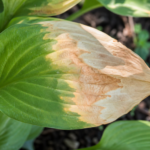
Give bright dappled shade or morning sun with afternoon shade. The cultivar tolerates more sun than many hostas when soil remains consistently moist, and additional light can intensify golden foliage. Scorched margins, bleached leaves, or midday wilt indicate excessive exposure or drought; weak color and stretched growth suggest overly dark conditions.
Watering and humidity
Water deeply when the upper inch of soil begins to dry, keeping the root zone evenly moist rather than alternating between drought and saturation. Increase irrigation during hot, windy weather and reduce it after dormancy begins. Mulch helps stabilize moisture, but keep mulch off the crown to reduce rot risk.
Soil and growing medium
Use fertile, humus-rich loam that holds moisture without remaining waterlogged. A well-drained soil with slightly acidic to neutral pH is suitable, though hostas tolerate a moderately alkaline range. Incorporate compost before planting and mulch the surface, keeping mulch away from the crown.
Feeding
Top-dress with compost in spring and apply a balanced slow-release fertilizer only if growth is weak or soil fertility is low. Water after feeding. Avoid heavy late-season nitrogen, which can encourage soft growth and delay dormancy.
Growth and habit
Forms a large, symmetrical mound from a slowly enlarging crown. It may take several years to reach mature scale. The substantial foliage provides a dense visual mass and can suppress weeds, while the tall scapes create a second vertical layer in summer.
Planting and repotting
Plant in spring or early fall, setting the crown at soil level with the buds just covered. Water thoroughly after planting and maintain even moisture during the first growing season. Allow approximately 5–6 feet of ultimate width for a specimen planting; closer spacing is possible for a massed groundcover effect.
Repot container-grown plants in spring as growth begins, moving them into a wider, sturdy container before roots become crowded. Use a moisture-retentive but well-drained potting mix, and divide or transplant only when the clump is large enough to handle.
Propagation and pruning
Propagation
Divide established clumps in spring as shoots emerge or in early fall. Use a clean, sharp spade or knife and replant divisions promptly at the original crown depth. Seed is not a reliable way to reproduce the named cultivar true to type.
Pruning
No routine shaping is needed. Remove spent scapes if desired after flowering and cut the foliage to the ground after frost or once it collapses in late fall. Remove diseased leaves promptly and discard them rather than composting questionable material.
Overwintering
Leave the crown in the ground outdoors in its hardiness range. After frost, cut collapsed foliage to the ground and remove debris. A light mulch can buffer freeze–thaw cycles in exposed sites, but avoid burying the crown deeply or keeping it wet through winter.
Uses
A bold specimen, shade-border accent, woodland planting, understory groundcover, or large-container plant. Its dense foliage can help suppress weeds after establishment. It is ornamental rather than a recommended edible or medicinal plant, and pets should not be allowed to consume it.
Appearance
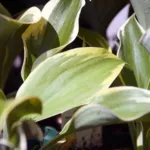
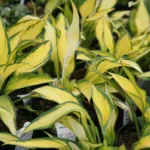
The cultivar is recognized by very large, broadly ovate leaves with heavy corrugation, substantial texture, and a glossy green-to-gold surface. Leaf color shifts with light and season, while the broad, layered mound and tall lavender scapes create a strong architectural presence in shade.
Flowering
Tall scapes rise well above the foliage in midsummer, usually July into August in much of the United States. The flowers are pale lavender to lavender, bell-shaped, and borne in loose clusters. This cultivar is primarily grown for its foliage, although the flowering stems add seasonal height and interest.
Pollination and visitors
The lavender flowers are documented as attracting butterflies and other flower visitors. Because the cultivar is chiefly valued for foliage and detailed visitor records are limited, a medium attraction rating is more defensible than a high one.
Hosta 'Sum and Substance' photos
Click any photo for a larger view. Source, author and license are shown separately.
Diseases and pests
Diseases
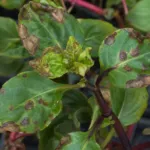
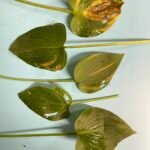
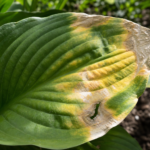
Avoid overhead watering, improve air circulation, and remove damaged foliage at season’s end. Watch for Hosta Virus X and other virus-like symptoms such as mottling, puckering, or abnormal tissue; isolate suspicious plants and remove confirmed infected material rather than propagating it.
Pests
Slugs and snails commonly rasp holes in young leaves; deer may browse the foliage. Hand-pick or trap slugs, reduce hiding debris, protect plants with barriers, and use deer fencing or repellents where needed. Avoid drought stress, which can make foliage more vulnerable.
Related diseases and pests
Only Plant Doctor profiles whose host data indicate this plant may be affected are shown here.

Toxicity and pollen
Hostas contain saponins and are recognized as toxic to dogs and cats if eaten, with gastrointestinal upset possible. Avoid allowing pets to consume leaves or flowers, and seek veterinary advice after significant ingestion. Human exposure is generally associated with irritation or digestive upset after eating plant material.
- Typical season
- July–August during flowering
- Pollination / pollen
- Insect-borne, not strongly airborne
Hosta pollen is released from insect-pollinated flowers rather than dispersed in large airborne clouds. Exposure is therefore generally low, but sensitive individuals can still react to flowering plants. Avoid handling flowers during peak bloom if symptoms are triggered outdoors.
Native habitat
The cultivar is a garden selection rather than a wild population. Like hostas generally, it performs best in temperate climates with moist, fertile soils, woodland-edge light, and protection from prolonged drought and desiccating wind.
Interesting fact
Registered by Paul Aden in 1980 and named Hosta of the Year by the American Hosta Growers Association in 2004. It is among the largest commonly grown hosta cultivars and has been widely used in hosta hybridizing. Mature leaves can exceed a foot in length under favorable conditions.
Frequently asked questions (FAQ)
The most relevant questions about this plant, with short and direct answers.
🌱Quick care
What is Hosta 'Sum and Substance'?⌄
Hosta 'Sum and Substance' is a very large, clump-forming herbaceous perennial grown mainly for its huge yellow-green to golden foliage. It is a cultivar of Hosta in the Asparagaceae family.
How big does Hosta 'Sum and Substance' get?⌄
A mature plant commonly reaches about 30 inches tall and 5 to 6 feet wide, although size varies with climate, moisture, soil, and age. It may take several years to reach its full spread.
How fast does Hosta 'Sum and Substance' grow?⌄
Hosta 'Sum and Substance' is generally a moderate-growing hosta and may take roughly 3 to 8 years to reach mature size. Consistent moisture, fertile soil, and adequate growing space support faster establishment.
🌤️Environment and placement
Does Hosta 'Sum and Substance' prefer sun or shade?⌄
It grows best in part shade to shade, but it tolerates more sun than many hostas when the soil stays consistently moist. Morning sun or filtered light is usually safer than hot afternoon exposure.
Can Hosta 'Sum and Substance' grow in full sun?⌄
It can tolerate limited full sun in cooler climates or with reliable irrigation, but hot afternoon sun may bleach or scorch the leaves. Provide rich, moisture-retentive soil and afternoon protection in warm regions.
What USDA hardiness zones suit Hosta 'Sum and Substance'?⌄
Hosta 'Sum and Substance' is generally suitable for cold-winter perennial gardens, but exact zone ratings vary among references and local growing conditions. Protect newly planted divisions from severe exposure while they establish.
What soil is best for Hosta 'Sum and Substance'?⌄
Use moist, fertile, humus-rich, well-drained loam. Improve poor soil with compost or other organic matter, but avoid locations that remain waterlogged around the crown.
How much space does Hosta 'Sum and Substance' need?⌄
Allow approximately 5 to 6 feet of eventual width for an unrestrained mature clump. Planting it as a specimen or large focal clump usually works better than placing it in a tight border.
💧Care and problems
How often should I water Hosta 'Sum and Substance'?⌄
Water deeply whenever the soil begins to dry, keeping moisture consistent during spring and summer growth. Large leaves lose water quickly, especially in sun, heat, wind, or sandy soil.
Why are the leaves of my Hosta 'Sum and Substance' turning gold?⌄
The foliage commonly develops from light green in spring to chartreuse or golden shades as the season progresses. Adequate light can strengthen the golden color, while deep shade may keep it more green or chartreuse.
Why are my Hosta 'Sum and Substance' leaves burning?⌄
Leaf burn is usually caused by excessive sun, heat, wind, drought, or a combination of these stresses. Increase soil moisture and provide afternoon shade if the leaf edges become brown, bleached, or papery.
What pests commonly damage Hosta 'Sum and Substance'?⌄
Slugs and snails commonly chew irregular holes in the thick leaves, while deer and rabbits may also browse the plant. Monitor foliage regularly and use animal-appropriate control methods where damage is persistent.
Is Hosta 'Sum and Substance' resistant to slugs?⌄
Its thick leaves may show somewhat better tolerance than thin-leaved hostas, but it is not slug-proof. Slugs and snails can still create holes, especially during cool, damp weather.
Why is my Hosta 'Sum and Substance' not getting very large?⌄
Common causes include insufficient moisture, poor soil, too much competition, excessive shade, drought during spring growth, or a recently divided plant. A young division may need several seasons before producing a large clump.
Should I fertilize Hosta 'Sum and Substance'?⌄
Apply a balanced, slow-release fertilizer in spring if soil fertility is poor or growth is weak. Avoid heavy late-season fertilization, which can encourage tender growth before dormancy.
🪴Planting and repotting
When is the best time to plant Hosta 'Sum and Substance'?⌄
Plant it in spring or early fall when temperatures are moderate and soil moisture is reliable. Spring planting gives the roots a long season to establish before winter.
How do I plant Hosta 'Sum and Substance' in the ground?⌄
Set the crown at soil level, spread the roots through a wide planting hole, backfill with amended soil, and water thoroughly. Mulch lightly around the plant, keeping mulch away from the crown.
Can Hosta 'Sum and Substance' be grown in a container?⌄
It can be grown in a large, sturdy container, but its enormous mature size requires substantial root space and frequent watering. Container culture usually keeps the plant smaller than an established garden clump.
How often should I repot Hosta 'Sum and Substance'?⌄
Repot it when the container is crowded, the plant dries out unusually fast, or roots circle densely around the pot. Move it into a substantially larger container rather than making only a small size increase.
✂️Propagation and pruning
How do I propagate Hosta 'Sum and Substance'?⌄
The practical method is division of the crown in spring or early fall. Dig the clump, separate sections with healthy roots and shoots, and replant the divisions promptly at their original depth.
Can Hosta 'Sum and Substance' be grown from seed?⌄
It can produce seed, but seedlings may not come true to the named cultivar. Use division when you want plants that retain the characteristic foliage and growth habit of 'Sum and Substance'.
Should I cut back Hosta 'Sum and Substance' in fall?⌄
Remove collapsed or frost-damaged foliage after it dies back, usually in late fall or early winter. Cutting healthy leaves prematurely can reduce the plant's opportunity to store energy for the following season.
Does Hosta 'Sum and Substance' need dividing?⌄
It does not need regular division unless the clump is overcrowded, too large for its site, or you want additional plants. Because it becomes exceptionally wide, division may eventually be useful for space management.
⚠️Toxicity and safety
Is Hosta 'Sum and Substance' toxic to dogs and cats?⌄
Yes, Hosta 'Sum and Substance' is toxic to dogs and cats if eaten. Keep pets from chewing the foliage or flowers, and contact a veterinarian promptly if ingestion causes concern.
🌸Flowering and special interest
When does Hosta 'Sum and Substance' bloom?⌄
It typically flowers in early to midsummer, producing tall scapes with pale lilac to nearly white, bell-shaped flowers. Flowering time can vary with climate and seasonal conditions.
Are Hosta 'Sum and Substance' flowers fragrant?⌄
The flowers are often described as fragrant or lightly fragrant, although fragrance intensity can vary with weather and individual plants. The cultivar is primarily valued for its oversized foliage rather than its flowers.
Should I remove the flower stalks from Hosta 'Sum and Substance'?⌄
Remove flower stalks after flowering if you prefer a tidier appearance or want to keep attention on the foliage. Leaving them in place does not usually harm an established plant.