Source:
 Mandevilla ‘Sun Parasol Pink’ short overview
Mandevilla 'Sun Parasol Pink' is a warm-season ornamental vine with glossy green leaves and showy pink, trumpet-shaped flowers. It performs best in bright sun, fertile but sharply drained soil, and a consistently warm growing season. Use it in patio containers, balcony displays, hanging baskets, or against a small trellis. In most of the United States it is grown as a summer accent and brought indoors before cool nights and frost.
Taxonomic classification
Mandevilla ‘Sun Parasol Pink’ care guide
Light and placement
Give the plant 6 or more hours of direct sun where possible, ideally with morning or afternoon exposure and shelter from harsh drying wind. A bright south- or west-facing position is effective indoors, while very hot reflected afternoon exposure may require light afternoon shade. Stretching, sparse leaves, and few flowers indicate insufficient light; scorched leaves or rapid wilting suggest excessive heat or root-zone dryness.
Watering and humidity
Water thoroughly when the upper inch of mix begins to dry, allowing excess water to drain fully. During hot summer weather, containers may need frequent checks or daily watering, but the root ball should never remain saturated. Reduce watering in winter when growth and light are lower, while preventing complete desiccation. Good air circulation is more useful than excessive misting.
Soil and growing medium
Use a fertile, porous potting mix that drains freely but does not dry immediately. A peat-free container mix amended with compost and perlite or fine bark works well. Slightly acidic to neutral conditions are suitable. Avoid heavy, waterlogged soil, which can cause root decline.
Feeding
Feed during active spring and summer growth with a balanced liquid fertilizer at label strength every 2–4 weeks, or use a controlled-release product according to its label. Reduce or stop feeding in low-light winter conditions and avoid heavy nitrogen, which can produce foliage at the expense of flowers.
Growth and habit
A vigorous warm-season vine with flexible stems that can be trained onto a small trellis. The Sun Parasol type is generally more manageable in containers than very large climbing Mandevilla hybrids. Pinching growing tips encourages branching, while crowded growth benefits from selective thinning.
Planting and repotting
Plant outdoors only after nights are reliably warm and frost danger has passed. Set the plant at the same depth as in its nursery container, water thoroughly, and provide a trellis or other support early. Container plants establish fastest when protected from strong wind.
Repot in spring when active growth resumes, moving up only one container size. Refresh compacted mix and keep the crown at the same level. Ensure the new pot has generous drainage holes.
Propagation and pruning
Propagation
Usually propagated from stem cuttings by commercial growers. Take healthy, non-flowering tip cuttings during active growth, root them in a sterile, airy medium with warmth and high humidity, and protect from direct midday sun until rooted. Cultivar names should not be assumed to come true from seed.
Pruning
Prune lightly during active growth to shape the plant and encourage branching. In late winter or early spring, shorten long or weak stems before vigorous new growth begins. Wear gloves because cut stems exude milky sap, and sterilize tools between plants.
Overwintering
Bring containers indoors before nighttime temperatures fall below about 50°F and definitely before frost. Check carefully for pests, prune lightly if needed, and place in the brightest available window or under grow lights. Keep the plant somewhat drier in winter, maintain warmth, and return it outdoors gradually in spring after temperatures stabilize.
Uses
Primarily an ornamental flowering vine for patio containers, balcony planters, hanging baskets, porch displays, and small trellises. It is also useful as a seasonal flowering accent in beds in frost-free regions. Do not use it as food or medicine, and keep plant material away from children and pets.
Appearance
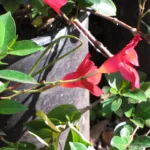
The plant has glossy, entire, oval to broadly elliptical leaves arranged opposite one another on flexible green stems. Its compact vine-like habit can be trained upward or allowed to spill slightly from a container. The most distinctive feature is the succession of bright pink, five-lobed trumpet flowers held above the foliage.
Flowering
This cultivar produces repeated flushes of funnel- to trumpet-shaped pink flowers during warm, bright weather. Flowering is strongest with ample sunlight, regular moisture, and steady feeding. Cool temperatures, low light, drought, or excessive nitrogen can reduce bloom production.
Pollination and visitors
Mandevilla flowers can provide nectar resources for butterflies and other insects, but reliable records for this exact commercial cultivar are limited. Do not treat general observations from other Mandevilla species as confirmed cultivar-specific pollination data.
Diseases and pests
Diseases
Watch for fungal leaf spotting, powdery mildew, and root or stem problems caused by poor drainage. Improve air circulation, water at the soil line, remove badly affected leaves, and avoid keeping foliage wet overnight. Discard severely rotted roots or stems and correct the moisture problem before treating.
Pests
Aphids, whiteflies, spider mites, mealybugs, and scale may occur, especially indoors. Inspect leaf undersides and new growth, isolate infested plants, wash foliage, and use horticultural soap or another labeled treatment when needed. Avoid drought stress and stagnant air, which encourage pest problems.
Related diseases and pests
Only Plant Doctor profiles whose host data indicate this plant may be affected are shown here.
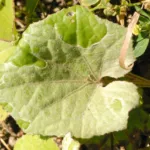 DiseasePowdery mildew caused by Golovinomyces cichoracearumGolovinomyces cichoracearum
 DiseaseMaple powdery mildewSawadaea bicornis
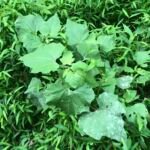 DiseaseCucurbit Powdery MildewPodosphaera xanthii (Castagne) U. Braun & Shishkoff
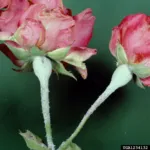 DiseaseRose powdery mildewPodosphaera pannosa
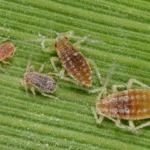 PestMealy Plum AphidHyalopterus pruni (Geoffroy, 1762)
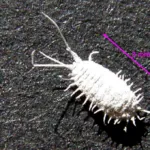 PestObscure mealybugPseudococcus viburni
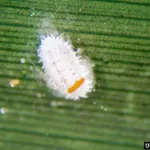 PestCitrus mealybugPlanococcus citri
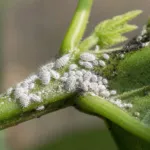 PestCotton mealybugPhenacoccus solenopsis Tinsley
Toxicity and pollen
Mandevilla produces milky latex sap that may irritate skin and is considered potentially harmful if swallowed. Evidence for this exact cultivar is limited, so prevent chewing and avoid contact with sap. Wear gloves when pruning and wash exposed skin.
- Typical season
- Late spring through fall during flowering; exact allergy season is not established for this cultivar
- Pollination / pollen
- Mostly insect-carried pollen within specialized floral structures
Mandevilla is insect-pollinated, and its pollen is generally not released in large airborne clouds. However, no precise allergen testing for 'Sun Parasol Pink' was located, so sensitive individuals should still avoid handling flowers or sap if symptoms occur.
Native habitat
The commercial cultivar is not a wild native plant and has no natural distribution of its own. Its Mandevilla background comes from tropical and subtropical American vines adapted to warm conditions, bright light, seasonal moisture, and frost-free climates.
Interesting fact
Sun Parasol is a commercial Mandevilla series selected for ornamental performance and multiple flower colors. Mandevilla flowers have a tubular corolla and specialized reproductive structures typical of the dogbane family. The cultivar is commonly marketed for containers and patio displays rather than permanent outdoor planting in cold climates.
Frequently asked questions (FAQ)
The most relevant questions about this plant, with short and direct answers.
🌱Quick care
How do you care for Mandevilla 'Sun Parasol Pink'?⌄
Give Mandevilla 'Sun Parasol Pink' full sun to bright partial shade, moderate consistent moisture, fertile well-drained soil, and warm temperatures. Provide a trellis or other support if the stems need training.
Is Mandevilla 'Sun Parasol Pink' an annual or perennial?⌄
Mandevilla 'Sun Parasol Pink' is a frost-tender perennial in warm climates but is commonly grown as an annual in colder parts of the United States. It can be overwintered indoors when kept warm and protected.
🌤️Environment and placement
How much sun does Mandevilla 'Sun Parasol Pink' need?⌄
It grows and flowers best in full sun, generally at least 6 hours of direct light daily. Bright partial shade can work, but too little light often reduces flowering.
Can Mandevilla 'Sun Parasol Pink' grow in partial shade?⌄
Yes, Mandevilla 'Sun Parasol Pink' can tolerate bright partial shade, especially in hot climates. Choose a location with several hours of direct morning or afternoon sun for better flowering.
What temperature is too cold for Mandevilla 'Sun Parasol Pink'?⌄
Protect Mandevilla 'Sun Parasol Pink' when temperatures approach 50°F, because it is frost tender and may suffer cold stress below that level. Bring container plants indoors before frost or freezing weather.
Can Mandevilla 'Sun Parasol Pink' grow outdoors year-round?⌄
It can grow outdoors year-round only in warm, frost-free parts of the United States, particularly mild USDA Zones 10–11. Elsewhere, grow it in a container and overwinter it indoors or treat it as an annual.
Does Mandevilla 'Sun Parasol Pink' need a trellis?⌄
A trellis is helpful because Mandevilla 'Sun Parasol Pink' produces twining or trailing stems that benefit from support. Compact plants can also be grown in containers or hanging baskets without formal training.
💧Care and problems
How often should you water Mandevilla 'Sun Parasol Pink'?⌄
Water when the top inch of potting mix begins to dry, then water thoroughly and allow excess water to drain. Keep the soil consistently moist but never waterlogged, adjusting frequency for heat, wind, and container size.
Why are the leaves on my Mandevilla 'Sun Parasol Pink' turning yellow?⌄
Yellow leaves can result from cold temperatures, inconsistent watering, poor drainage, low light, or normal stress during indoor overwintering. Check the roots and soil moisture first, and avoid keeping the pot constantly wet.
Why is Mandevilla 'Sun Parasol Pink' not blooming?⌄
The most common causes are insufficient sunlight, cool temperatures, drought stress, or excessive nitrogen fertilizer. Move it to a brighter warm location, maintain even moisture, and avoid overfertilizing with a foliage-focused product.
What pests affect Mandevilla 'Sun Parasol Pink'?⌄
Mandevilla 'Sun Parasol Pink' can be bothered by aphids, spider mites, whiteflies, mealybugs, and thrips. Inspect leaf undersides and new growth regularly, isolate infested plants, and use an appropriate labeled treatment.
How do you overwinter Mandevilla 'Sun Parasol Pink' indoors?⌄
Bring it indoors before temperatures fall below about 50°F, inspect it for pests, and place it in a bright warm location. Reduce watering during winter because growth and flowering usually slow, but do not allow the roots to become completely dry.
🪴Planting and repotting
What soil is best for Mandevilla 'Sun Parasol Pink'?⌄
Use a fertile, well-drained potting mix that retains some moisture without becoming soggy. A quality container mix amended for drainage is generally more suitable than heavy garden soil.
Can Mandevilla 'Sun Parasol Pink' be planted in the ground?⌄
Yes, it can be planted in the ground in a warm, frost-free location with fertile well-drained soil. In colder regions, container growing is usually more practical because the plant must be protected from frost.
When should you plant Mandevilla 'Sun Parasol Pink' outside?⌄
Plant it outdoors after the danger of frost has passed and nighttime temperatures are reliably above about 50°F. Harden an indoor-grown plant gradually before exposing it to strong outdoor sun and wind.
Does Mandevilla 'Sun Parasol Pink' need to be repotted?⌄
Repot it when roots circle the container, water runs through unusually quickly, or growth becomes weak. Move it into a pot only one size larger with fresh well-drained mix, preferably in spring.
✂️Propagation and pruning
How do you prune Mandevilla 'Sun Parasol Pink'?⌄
Prune Mandevilla 'Sun Parasol Pink' to control size, remove weak or damaged growth, and encourage branching. Pinch or cut back long shoots just above a leaf node, and wear gloves because the milky sap may irritate skin.
Can Mandevilla 'Sun Parasol Pink' be propagated from cuttings?⌄
Mandevilla cultivars can generally be propagated from stem cuttings, although results may vary by cultivar and rooting conditions. Take healthy nonflowering cuttings during active growth and keep them warm, humid, and lightly moist while roots develop.
⚠️Toxicity and safety
Is Mandevilla 'Sun Parasol Pink' toxic to pets or people?⌄
Treat Mandevilla 'Sun Parasol Pink' as potentially toxic or irritating if ingested because its milky sap may cause irritation. Keep it away from children and pets, and wear gloves when pruning or handling broken stems.
🌸Flowering and special interest
When does Mandevilla 'Sun Parasol Pink' bloom?⌄
Mandevilla 'Sun Parasol Pink' usually flowers from late spring through summer and may continue into fall in warm conditions. Abundant sun, warmth, regular moisture, and adequate nutrition support longer flowering.
Do you need to deadhead Mandevilla 'Sun Parasol Pink'?⌄
Deadheading is usually not necessary for Mandevilla 'Sun Parasol Pink' to continue flowering. Remove spent flowers or developing seed pods for a tidier appearance and to direct energy toward continued growth.