
 Source:
 Lily Magnolia (Magnolia liliiflora) short overview
Lily Magnolia (Magnolia liliiflora) is a deciduous, multi-stemmed shrub or small tree prized for upright, lily-shaped purple, pink, or white spring flowers. Native to south-central and southeastern China, it grows best in full sun to partial shade, fertile well-drained soil, and sheltered sites where late frosts will not damage its early blooms. Its fuzzy-budded branches, large dark leaves, and compact spreading habit make it a striking specimen for smaller landscapes.
Taxonomic classification
Lily Magnolia (Magnolia liliiflora) care guide
Light and placement
Grow in full sun for the best flowering, or partial shade where summers are hot. An east- or southeast-facing site with shelter from strong wind and late-frost pockets is useful. Too little light produces sparse flowering and a looser crown; excessive reflected heat or drought can scorch leaves and stress shallow roots.
Watering and humidity
Water deeply and slowly when the upper few inches of soil begin to dry, keeping the root zone evenly moist during establishment. Mature plants tolerate short dry periods but perform best without repeated drought. Reduce irrigation in cool, wet weather and maintain a mulch layer without piling it against the trunk.
Soil and growing medium
Use fertile, organically enriched soil that drains freely but does not dry rapidly. A loam or sandy loam with consistent moisture is suitable. Slightly acidic to neutral conditions are preferred; chlorosis can occur in strongly alkaline or lime-rich soil. Avoid compacted ground and sites that remain waterlogged.
Feeding
Top-dress with compost or apply a balanced slow-release fertilizer in early spring as growth begins, following the product label. Do not overfeed established plants, apply high-nitrogen fertilizer late in the season, or fertilize drought-stressed or newly transplanted roots until they are recovering.
Growth and habit
This species develops a spreading, rounded, multi-stemmed habit and is usually more shrub-like than tree-like. It is slow growing and may take several years to flower. Maintain a clear trunk area, preserve the natural branching framework, and avoid unnecessary heavy pruning.
Planting and repotting
Plant in spring or fall while temperatures are moderate. Set the root flare level with or slightly above the surrounding soil; do not bury the trunk. Mulch broadly but keep mulch away from the stems. Allow room for the spreading crown and water deeply during the first two growing seasons.
Usually grown in the ground rather than containers. If container-grown, transplant while dormant in late winter or early spring, moving the plant with as much root ball as possible. Choose a large, stable container and avoid repeated root disturbance.
Propagation and pruning
Propagation
Seed requires clean handling and usually a period of cold, moist stratification; seedlings may vary from the parent. Semi-ripe cuttings, layering, and grafting are used horticulturally, but reliable clonal propagation is technically demanding. Take cuttings during active growth and maintain high humidity.
Pruning
Prune sparingly immediately after flowering if needed to remove damaged, crossing, or poorly placed branches. Avoid severe cutting because magnolias can respond poorly to large wounds and may take time to rebuild their natural form. Remove rootstock shoots below a graft when present.
Overwintering
Plants in Zones 5 and colder benefit from a sheltered site and a 2–3 inch mulch layer over the root zone. Protect young trunks from winter injury and avoid late-season nitrogen. Flower buds may still be lost to spring freezes even when the plant itself is hardy.
Uses
Primarily an ornamental specimen, accent shrub, small flowering tree, hedge component, or patio-container subject when young. Its spring flowers are suitable for display and may be cut, but plant material should not be used as food or medicine without authoritative species-specific guidance.
Appearance
The plant is multi-stemmed with light gray to brown bark and a rounded, spreading outline. Leaves are alternate, simple, ovate to obovate, and often 4–8 inches long, with fuzzy undersides. Pointed, pubescent flower buds sit at branch tips before the leaves expand.
Flowering
Flowers are solitary, upright, goblet- to lily-shaped blooms with six or seven tepals. They commonly open shortly before or as the leaves emerge, with occasional lighter repeat flowering in summer. Spring flowers can be damaged by late freezes, especially on exposed sites.
Pollination and visitors
Magnolia flowers are commonly associated with beetle visitation because their sturdy floral structures can withstand crawling visitors. Evidence specifically documenting the principal visitors of wild or cultivated Magnolia liliiflora is limited, so the pollinator rating is conservative.
Magnolia liliiflora photos
Click any photo for a larger view. Source, author and license are shown separately.
Diseases and pests
Diseases
Generally trouble-free, but leaf spots, powdery mildew, gray mold, coral spot, honey fungus, and lime-induced chlorosis may occur. Improve air circulation, avoid overhead irrigation, remove diseased debris, and correct drainage or high-pH soil rather than relying on routine fungicide use.
Pests
Possible pests include scale insects, snails, and capsid bugs. Inspect young shoots and leaf undersides, maintain plant vigor, and use hand removal or targeted, least-toxic controls when necessary. Avoid broad-spectrum insecticides during bloom.
Related diseases and pests
Only Plant Doctor profiles whose host data indicate this plant may be affected are shown here.
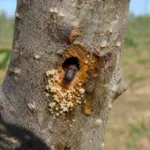 PestEuropean shot-hole borerXyleborus dispar (Fabricius)
 PestBrown Marmorated Stink BugHalyomorpha halys
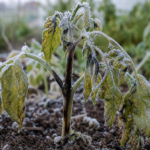 Environmental stressFreeze injury
 Environmental stressFrost injury
 Environmental stressRoot Anoxia
 Environmental stressWaterlogging
 DiseaseGray MoldBotrytis cinerea
 DiseaseMaple powdery mildewSawadaea bicornis
Toxicity and pollen
Reliable species-specific toxicology information is limited. Magnolia liliiflora is not generally treated as a highly poisonous landscape plant, but ingestion of plant material should not be encouraged. Avoid eating leaves, flowers, fruits, or seeds, and contact a poison-control or veterinary professional after suspected ingestion, especially when plant identity is uncertain.
- Typical season
- Spring flowering period, usually April–May in much of the United States
- Pollination / pollen
- Heavy, insect-associated pollen with limited airborne dispersal
This is an insect-pollinated flowering tree, so pollen is not typically released in large windborne clouds. Airborne exposure is expected to be low compared with wind-pollinated trees, although no flowering plant should be assumed completely allergen-free and individual sensitivity can vary.
Native habitat
Native to south-central and southeastern China, where it occurs on slopes and at forest edges. It favors temperate conditions, fertile soils, and dependable moisture with good drainage. In the United States it is cultivated mainly as an ornamental rather than treated as a native landscape species.
Interesting fact
The species name liliiflora means “lily-flowered.”
Flowers often appear before the leaves, highlighting the bare branches.
Magnolia flowers retain several early-evolving floral features.
The species has been cultivated in China and Japan for centuries.
Frequently asked questions (FAQ)
The most relevant questions about this plant, with short and direct answers.
🌱Quick care
What is Lily Magnolia?⌄
Lily Magnolia is the deciduous shrub or small tree Magnolia liliiflora, valued for upright, lily-shaped flowers that are usually purple, pink, or white. It typically grows about 8–12 feet tall and wide in U.S. landscapes.
How much sun does Lily Magnolia need?⌄
Lily Magnolia grows best in full sun to partial shade, with about 6 or more hours of direct sunlight producing the strongest flowering. In hotter regions, afternoon shade can help protect the plant from heat stress.
How often should I water Lily Magnolia?⌄
Water Lily Magnolia when the soil begins to dry, providing moderate and consistent moisture rather than frequent shallow watering. Keep the root zone evenly moist while the plant is establishing, but avoid standing water.
What soil is best for Magnolia liliiflora?⌄
The best soil is fertile, organic-rich, well-drained loam that is neutral to slightly acidic. Lily Magnolia can tolerate several soil textures, but it performs poorly in persistently waterlogged or very dry ground.
How cold hardy is Lily Magnolia?⌄
Established Lily Magnolia is generally hardy to about -20°F, although exact tolerance varies with the cultivar and site. Its early flower buds are much less cold-tolerant than the woody plant and can be damaged by late spring freezes.
How big does Lily Magnolia get?⌄
Lily Magnolia commonly reaches about 8–12 feet tall and 8–12 feet wide, forming a rounded, spreading shrub or small tree. Allow sufficient room for its mature width instead of planting it tightly against structures or paths.
🌤️Environment and placement
Where should I plant Lily Magnolia?⌄
Plant Lily Magnolia in a sunny, sheltered location with fertile, well-drained soil and steady moisture. Protection from strong winds and extreme winter or early-spring temperature swings helps preserve its flowers.
Can Lily Magnolia grow in partial shade?⌄
Yes, Lily Magnolia can grow in partial shade, but it usually flowers more heavily in full sun. Too much shade may produce a thinner, less floriferous plant.
Can Lily Magnolia grow in a container?⌄
Lily Magnolia can be grown temporarily in a large container, especially when young, but it is generally better suited to the ground as it matures. Its fleshy roots are sensitive to disturbance, so choose a container large enough to avoid frequent repotting.
Is Lily Magnolia suitable for USDA Zone 5?⌄
Lily Magnolia is generally suitable for USDA Zone 5 and warmer when properly sited, although hardiness varies by cultivar and local exposure. Flowering may still be unreliable in colder areas because spring freezes can destroy the buds.
Does Lily Magnolia tolerate drought?⌄
Lily Magnolia has limited drought tolerance, particularly during establishment and hot summer weather. Apply organic mulch and water deeply when needed, while keeping mulch away from direct contact with the trunk.
Does Lily Magnolia tolerate wet soil?⌄
No, Lily Magnolia prefers good drainage and should not be planted where water remains around the roots. Improve drainage or select a different site if the soil stays saturated after rain.
How much space does Lily Magnolia need?⌄
Allow roughly 12–24 feet of open planting space for Lily Magnolia, depending on the cultivar and desired shape. Its branches can spread broadly, and the plant is difficult to relocate once established.
💧Care and problems
How do I care for Lily Magnolia after planting?⌄
Keep the soil consistently moist, maintain a 2–3-inch organic mulch layer, and protect the young plant from competition and drying winds. Avoid unnecessary root disturbance because Magnolia liliiflora develops fleshy roots that transplant poorly.
Why are Lily Magnolia leaves turning brown?⌄
Brown leaves can result from drought, root stress, late frost, heat, or leaf diseases such as leaf spot or powdery mildew. Check soil moisture and drainage first, then remove severely damaged fallen foliage and avoid wetting the leaves repeatedly.
Why is my Lily Magnolia not blooming?⌄
Lily Magnolia may fail to bloom because it is still juvenile, receives too much shade, experiences winter or late-frost damage, or was stressed by drought or transplanting. Plants may take several years to flower, with some sources reporting about 4–5 years.
Does Lily Magnolia have serious pests or diseases?⌄
Lily Magnolia generally has no major pest or disease problems, but scales, snails, capsid bugs, leaf spots, powdery mildew, gray mold, and honey fungus may occur. Good drainage, air circulation, and consistent care reduce many problems.
Should I fertilize Lily Magnolia?⌄
Fertilize Lily Magnolia only when soil testing or weak growth indicates a nutrient need. A thin layer of compost or a balanced slow-release fertilizer in spring is usually safer than heavy feeding, which can encourage weak growth.
🪴Planting and repotting
When is the best time to plant Lily Magnolia?⌄
Plant Lily Magnolia in spring, or in fall where the ground remains workable and the plant has time to establish before severe cold. Spring planting is especially useful in colder regions because it gives roots a full growing season to develop.
How do I plant Magnolia liliiflora?⌄
Plant Magnolia liliiflora with the root flare at soil level in a hole wider than the root ball but no deeper. Backfill with the native soil, water thoroughly, and mulch the root zone without piling mulch against the trunk.
Can Lily Magnolia be transplanted?⌄
Lily Magnolia can be transplanted when young, but established plants are difficult to move because their fleshy roots are easily damaged. Choose the permanent site carefully and avoid relocating mature specimens unless necessary.
Can Lily Magnolia grow in clay soil?⌄
Lily Magnolia can grow in clay soil if it drains adequately and is improved with organic matter over time. Do not plant it in compacted clay that stays saturated, because poor drainage can damage the roots.
Is Lily Magnolia evergreen?⌄
No, Lily Magnolia is deciduous and loses its leaves in fall. Its flowers usually appear in spring before or around the time the new foliage emerges.
✂️Propagation and pruning
How do you propagate Lily Magnolia?⌄
Lily Magnolia is commonly propagated from stem cuttings, although successful rooting can require controlled moisture, warmth, and rooting hormone. Named cultivars are often propagated vegetatively to preserve their flower color and form.
Can Lily Magnolia be grown from seed?⌄
Yes, Lily Magnolia can be grown from seed, but seedlings may vary from the parent plant and can take years to flower. Fresh seed generally requires careful handling and a period of cold, moist stratification before germination.
When should I prune Lily Magnolia?⌄
Prune Lily Magnolia immediately after flowering, removing dead, damaged, crossing, or poorly placed branches. Avoid heavy pruning because large wounds may heal slowly and excessive cutting can reduce the following year’s flowers.
Can I prune Lily Magnolia into a tree?⌄
Yes, a young Lily Magnolia can be trained to a single trunk, but it naturally tends to form a multi-stemmed shrub. Begin structural training early and avoid removing large branches from an established plant.
⚠️Toxicity and safety
Is Lily Magnolia poisonous to dogs or cats?⌄
The toxicity of Magnolia liliiflora is not clearly established, and it is not generally regarded as a highly poisonous landscape plant. Still, prevent pets and children from chewing or ingesting the plant, and contact a veterinarian or poison service if a significant amount is eaten.
Are Lily Magnolia flowers edible?⌄
Lily Magnolia flowers should not be treated as edible because reliable safety information for eating the flowers is limited. Avoid consuming any part of the plant unless advised by a qualified medical or botanical authority.
🌸Flowering and special interest
When does Lily Magnolia bloom?⌄
Lily Magnolia usually blooms in spring, often from April into May in much of the United States. The flowers commonly open before the leaves and may occasionally repeat later in summer.
What do Lily Magnolia flowers look like?⌄
The flowers are upright, goblet- or lily-shaped blooms with six or seven tepals, often purple-red outside and pale or white inside. Individual flowers are commonly about 3–6 inches across and may be fragrant.
Why did frost kill my Lily Magnolia flowers?⌄
Lily Magnolia flowers open early, so a late spring freeze can brown or destroy the blooms even when the plant itself survives. Planting in a sheltered site or choosing a later-blooming cultivar can reduce, but not eliminate, this risk.
How can I protect Lily Magnolia flowers from a late freeze?⌄
Protect a small Lily Magnolia with frost cloth or an insulated covering during forecast freezes, removing the covering after temperatures rise. A site protected from cold wind and premature winter warming can also delay bud opening.
Are Lily Magnolia flowers fragrant?⌄
Yes, Lily Magnolia flowers can have a light citrus-like fragrance, although fragrance intensity varies among plants and cultivars. Some hybrids may be selected more for flower color, timing, or form than for scent.
What is the difference between Lily Magnolia and saucer magnolia?⌄
Lily Magnolia is the species Magnolia liliiflora, while saucer magnolia is the hybrid Magnolia × soulangeana, developed from Lily Magnolia and Yulan magnolia. Saucer magnolias are often larger and more widely planted, but both can have showy early spring flowers.
Similar plants
 Blue Lobelia (Lobelia siphilitica) care guideLobelia siphilitica
 White mandevilla and white dipladenia (Mandevilla boliviensis) care guideMandevilla boliviensis
 Cardinal plant (Lobelia cardinalis) care guideLobelia cardinalis
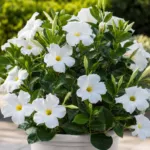 Mandevilla ‘Rio White’Mandevilla 'Rio White'
 Devil’s tobacco (Lobelia tupa) care guideLobelia tupa
 Mandevilla ‘Sundaville Red’Mandevilla 'Sundaville Red'