
 Source:
 Magnolia × loebneri ‘Merrill’ short overview
Magnolia × loebneri 'Merrill' is a vigorous deciduous hybrid magnolia developed at the Arnold Arboretum from Magnolia kobus and M. stellata. Its broad crown carries abundant, fragrant white flowers in early spring, often before the foliage emerges. The cultivar suits sunny to lightly shaded sites with deep, well-drained but moisture-retentive soil and is valued for reliable cold hardiness, rapid establishment, and striking spring display.
Taxonomic classification
Magnolia × loebneri ‘Merrill’ care guide
Light and placement
Choose full sun for the heaviest flowering, or partial shade where afternoon heat and late-frost exposure are concerns. An east- or southeast-facing position with shelter from prevailing wind can protect early buds. Too little light produces fewer flowers and a looser crown; excessive reflected heat combined with drought can scorch leaves and stress roots.
Watering and humidity
Water deeply and slowly when the upper few inches of soil begin to dry, keeping the root zone evenly moist during establishment and summer drought. Mature plants tolerate short dry periods better than young trees but are not drought tolerant. Reduce supplemental watering after leaf fall, while continuing during prolonged autumn dryness before the ground freezes.
Soil and growing medium
Use deep, fertile, well-drained soil that holds even moisture without remaining waterlogged. Loam enriched with organic matter is suitable; a slightly acidic to neutral reaction is acceptable. Avoid compacted sites, standing water, and major root disturbance. A broad mulch ring helps moderate soil temperature and moisture while keeping mulch away from the trunk.
Feeding
Top-dress with compost in late winter or early spring, or use a low-rate balanced slow-release fertilizer if growth is weak and soil testing supports feeding. Apply after the ground can be worked and water thoroughly. Do not overfertilize late in the season, since lush late growth can be more vulnerable to winter injury.
Growth and habit
This is one of the more vigorous Loebner magnolia cultivars, developing a broad crown and often several trunks. Its relatively rapid establishment makes early structural pruning important only when needed for clearance or a chosen tree form. Avoid repeated heavy cutting, since magnolias recover best from restrained pruning.
Planting and repotting
Plant in spring, especially in colder regions, in full sun or light afternoon shade. Set the root flare level with or slightly above finished grade; do not bury the trunk. Allow about 25–30 feet for a mature specimen where space permits, and mulch broadly without touching the bark. Water deeply through the first two growing seasons.
Not generally suitable for long-term container culture because the plant becomes a large tree-form shrub with a substantial root system. If a young plant must be moved, transplant in spring before active growth, preserving the root ball and watering consistently during establishment.
Propagation and pruning
Propagation
Softwood to semi-hardwood cuttings taken in early to late summer are a documented practical method and may flower within a few years. Seed propagation is possible but will not reliably reproduce the named cultivar. Layering or grafting may be used by specialist propagators.
Pruning
Prune only to remove dead, damaged, crossing, or poorly placed branches, or to establish a single-trunk form while young. Make selective cuts after flowering or in late spring, avoiding unnecessary shortening cuts and major root disturbance. Do not routinely shear the crown.
Overwintering
The plant is outdoor hardy in much of USDA Zones 4–8. Protect young roots with a 2–3 inch organic mulch layer, keep mulch away from the trunk, and water before the ground freezes if autumn is dry. In colder areas, avoid exposed sites where winter wind and sudden temperature changes can injure flower buds.
Uses
A strong ornamental specimen for lawns, parks, entry plantings, and large residential gardens. Its early fragrant bloom provides seasonal interest before most deciduous trees leaf out, while the mature crown offers structure. The reddish aggregate fruit is ornamental but is not presented here as a human food crop.
Appearance
A broad-crowned, often multi-trunked deciduous tree or large shrub with smooth gray-brown bark and obovate medium- to dark-green leaves. The flowers appear on bare branches, creating a dense white display before foliage unfolds. Cone-like aggregate fruits can mature red to pinkish red in fall.
Flowering
Large, fragrant, white flowers open in early spring before the leaves, usually around April in much of the United States. Each bloom has numerous broad tepals and may show a subtle pink flush near the base. Flower buds can be damaged by severe freezes or late frosts, so a sheltered site improves display reliability.
Pollination and visitors
Magnolia flowers are characteristically associated with beetle visitation and pollination. The flowers offer pollen and have sturdy floral parts adapted to insect contact. Evidence for this exact cultivar’s visitor community is limited, so no species-level pollinator is assigned.
Magnolia × loebneri 'Merrill' photos
Click any photo for a larger view. Source, author and license are shown separately.
Diseases and pests
Diseases
Watch for leaf spots, cankers, scale-related decline, and root problems in poorly drained soil. Improve air circulation, avoid trunk wounds, remove affected debris, and correct irrigation or drainage problems before considering treatment. Severe trunk or branch cankers warrant professional diagnosis and pruning during dry weather.
Pests
Scale insects, aphids, and occasional magnolia-specific pests may occur. Inspect stems and the undersides of leaves, encourage beneficial insects, and avoid unnecessary broad-spectrum insecticides. Improve plant vigor through proper watering, drainage, mulch, and protection from mechanical injury.
Related diseases and pests
Only Plant Doctor profiles whose host data indicate this plant may be affected are shown here.
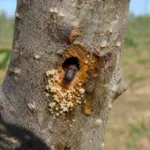 PestEuropean shot-hole borerXyleborus dispar (Fabricius)
 PestBrown Marmorated Stink BugHalyomorpha halys
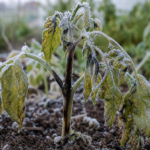 Environmental stressFreeze injury
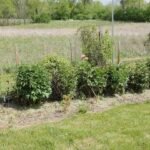 Environmental stressFrost injury
 Environmental stressRoot Anoxia
 Environmental stressWaterlogging
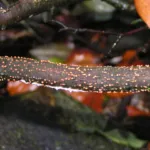 DiseaseCoral Spot CankerNectria cinnabarina
 DiseaseScleroderris CankerGremmeniella abietina (Lagerberg) Morelet
Toxicity and pollen
No cultivar-specific toxicity study was located. ASPCA lists star magnolia, a parent species, as non-toxic to dogs and cats. As with any ornamental plant, eating large amounts may still cause mild digestive upset, and children or pets should not be encouraged to consume leaves, flowers, or fruit.
- Typical season
- Early spring, typically March–April depending on region
- Pollination / pollen
- Heavy, insect-dispersed pollen
Magnolia pollen is primarily transferred by insects rather than carried in large airborne clouds like many wind-pollinated trees. This generally lowers airborne exposure, but sensitive individuals can still react to pollen or flower contact. The main exposure period is the early-spring bloom season.
Native habitat
This is a cultivated hybrid rather than a wild North American species. Its parents, Magnolia kobus and M. stellata, are native to Japan and nearby East Asian regions. In cultivation, it performs best in temperate climates with moist, fertile, well-drained soil and protection from the harshest winds and late frosts.
Interesting fact
‘Merrill’ was raised from open-pollinated seed at the Arnold Arboretum in 1939.
The cultivar was named for former Arnold Arboretum director Elmer Merrill.
It combines Magnolia kobus and M. stellata parentage.
Flowers can reach about 6 inches across and have many tepals.
Red aggregate fruits may develop in early fall.
It can flower at a young age when propagated from cuttings.
Frequently asked questions (FAQ)
The most relevant questions about this plant, with short and direct answers.
🌱Quick care
How do you care for Magnolia × loebneri 'Merrill'?⌄
Grow it in full sun to partial shade, evenly moist but well-drained soil, and a sheltered location. Mulch over the shallow root zone and water during dry periods, especially while the tree is establishing.
Is Magnolia × loebneri 'Merrill' easy to grow?⌄
Yes, it is generally an easy-care, cold-hardy flowering tree when planted in suitable soil and given consistent moisture. Its main vulnerabilities are drought stress, strong winds, and frost damage to early flower buds.
🌤️Environment and placement
What USDA hardiness zones are suitable for Magnolia × loebneri 'Merrill'?⌄
Magnolia × loebneri 'Merrill' is commonly grown in USDA Zones 5 through 9, with some references listing hardiness into Zone 4. Local exposure, winter temperatures, and the protection of the planting site can affect performance.
How much sunlight does Magnolia × loebneri 'Merrill' need?⌄
Plant it in full sun for the heaviest flowering, although partial shade is also tolerated. Morning sun or a sheltered spot can help reduce frost-related damage to early blooms.
Where should I plant Magnolia × loebneri 'Merrill'?⌄
Choose an open site with good air circulation, protection from strong wind, and enough room for a mature tree about 25 to 30 feet tall and wide. Avoid cramped locations near structures, paving, or overhead utility lines.
What soil is best for Magnolia × loebneri 'Merrill'?⌄
It prefers loamy, humus-rich, well-drained soil that remains evenly moist. It can tolerate a range of soil conditions, but poorly drained ground and prolonged drought can cause problems.
💧Care and problems
How often should I water Magnolia × loebneri 'Merrill'?⌄
Water deeply whenever the upper several inches of soil begin to dry, keeping moisture consistent rather than alternating between drought and saturation. Newly planted trees need regular irrigation during their first growing season and during extended dry weather.
Does Magnolia × loebneri 'Merrill' need mulch?⌄
Yes, a 2- to 3-inch layer of organic mulch helps conserve moisture and moderate soil temperature around its shallow roots. Keep mulch a few inches away from the trunk to prevent rot and pest problems.
Is Magnolia × loebneri 'Merrill' drought tolerant?⌄
No, it is sensitive to drought, particularly while young or during hot weather. Provide supplemental water during prolonged dry periods and do not let the root zone repeatedly dry out.
What problems affect Magnolia × loebneri 'Merrill'?⌄
Common concerns include drought stress, magnolia scale, chlorosis in high-pH soil, and occasional disease issues such as verticillium wilt. Healthy soil drainage, adequate moisture, and avoiding unnecessary wounds reduce risk.
Can Magnolia × loebneri 'Merrill' tolerate wind?⌄
It tolerates ordinary garden conditions but performs best in a sheltered location because strong wind can damage branches and intensify winter or spring exposure. Avoid exposed sites where persistent wind is common.
🪴Planting and repotting
When is the best time to plant Magnolia × loebneri 'Merrill'?⌄
Plant it in spring in colder regions, after the ground can be worked, so roots have time to establish before winter. In milder areas, dormant-season planting may also work, but avoid planting into waterlogged or frozen soil.
How far apart should Magnolia × loebneri 'Merrill' be planted?⌄
Allow roughly 25 to 35 feet of space from other large trees or structures, depending on the desired crown spread and site conditions. Give it additional room if you want a broad, natural form rather than a tightly pruned tree.
Does Magnolia × loebneri 'Merrill' transplant well?⌄
It can transplant successfully, especially when moved while young and dormant, but established magnolias have fleshy roots and are less forgiving of disturbance. Prepare the new site first and keep the root ball intact.
Can Magnolia × loebneri 'Merrill' be grown in a container?⌄
It is generally better suited to open-ground planting because it becomes a medium-sized tree with an extensive root system. A young plant may be grown temporarily in a large container, but long-term container culture is difficult.
✂️Propagation and pruning
How is Magnolia × loebneri 'Merrill' propagated?⌄
Named plants are usually propagated by cuttings or grafting so their cultivar characteristics are preserved. Softwood cuttings in early summer or semi-hardwood cuttings later in summer may root, but success can be variable.
Can Magnolia × loebneri 'Merrill' be grown from seed?⌄
It can produce cone-like fruits and seeds, but seedlings may not reproduce the exact traits of 'Merrill'. Use vegetative propagation or a nursery-grown plant when maintaining the named cultivar is important.
When should Magnolia × loebneri 'Merrill' be pruned?⌄
Prune lightly after flowering or in midsummer when the tree is in full leaf. Remove dead, damaged, crossing, or poorly placed branches, and avoid heavy pruning because magnolias heal slowly.
How much pruning does Magnolia × loebneri 'Merrill' need?⌄
It usually needs only minimal formative pruning and removal of damaged or rubbing branches. Excessive cutting can spoil its natural rounded form and reduce future flowering.
⚠️Toxicity and safety
Is Magnolia × loebneri 'Merrill' toxic to dogs or cats?⌄
It is generally regarded as non-toxic to dogs and cats, but pets should not be encouraged to eat the leaves, flowers, bark, or fruit. Contact a veterinarian if a pet consumes a large amount or shows symptoms.
Are the berries or seeds of Magnolia × loebneri 'Merrill' edible?⌄
No, the plant’s fruits and seeds should not be eaten. The red seeds are ornamental, but avoid consuming any part of the tree and keep fallen plant material away from children and pets.
🌸Flowering and special interest
When does Magnolia × loebneri 'Merrill' bloom?⌄
It usually blooms in early to mid-spring, often before the leaves emerge. The exact timing varies with climate and the year’s temperatures.
What do the flowers of Magnolia × loebneri 'Merrill' look like?⌄
The flowers are fragrant, white, and made up of numerous narrow, strap-like tepals, often forming a starburst shape. They appear abundantly on bare branches before the foliage develops.
Why is my Magnolia × loebneri 'Merrill' not flowering?⌄
Common causes include insufficient sunlight, drought stress, excessive nitrogen, immature age, or pruning at the wrong time. Late freezes can also destroy flower buds before they open, even when the tree itself remains healthy.
Can frost damage Magnolia × loebneri 'Merrill' flowers?⌄
Yes, late spring frosts can brown or kill open flowers and unopened buds. Planting in a sheltered location and avoiding low frost pockets can reduce damage, but no site can fully prevent weather-related losses.
Does Magnolia × loebneri 'Merrill' have fragrance?⌄
Yes, its white spring flowers are generally fragrant, although fragrance intensity can vary with weather and the individual tree. Flowers are most noticeable when the tree is in full bloom.
Does Magnolia × loebneri 'Merrill' produce fruit?⌄
Yes, it can develop upright, cone-like aggregate fruits that mature from green or pinkish tones to red in late summer or fall. The fruits may split open to reveal brightly colored seeds.
Similar plants
 Saucer Magnolia (Magnolia soulangeana) care guideMagnolia soulangeana
 Southern magnolia (Magnolia grandiflora) care guideMagnolia grandiflora
 Campbell’s Magnolia (Magnolia campbellii) care guideMagnolia campbellii
 Magnolia ‘Star Wars’Magnolia 'Star Wars'
 Lily Magnolia (Magnolia liliiflora) care guideMagnolia liliiflora
 Magnolia loebneri care guideMagnolia loebneri