
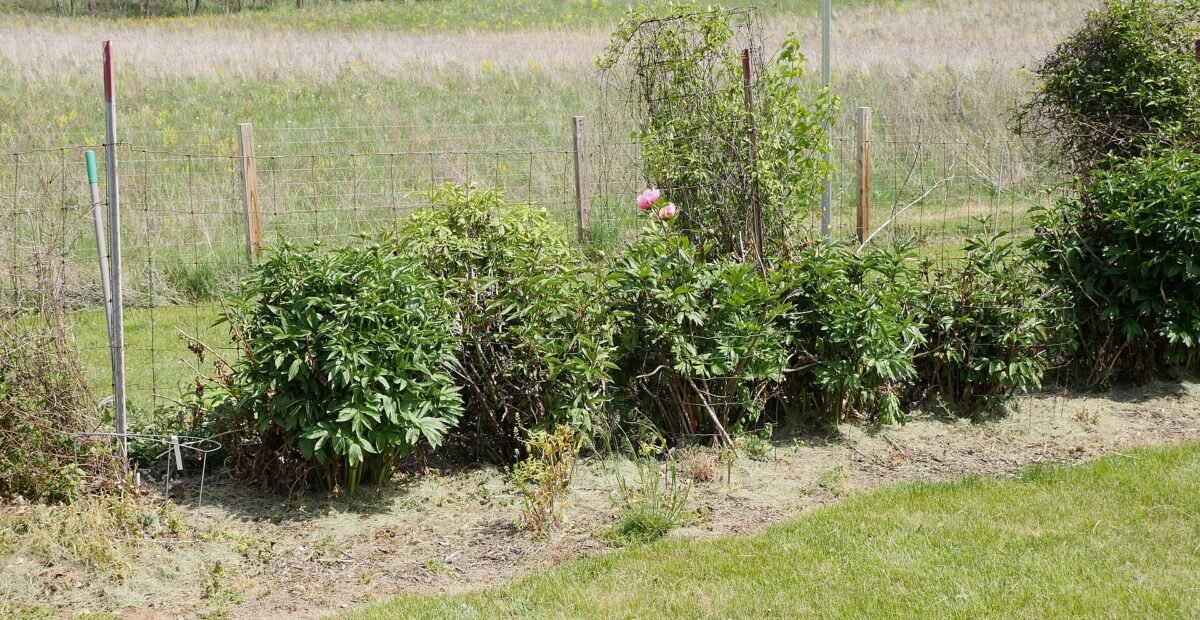
Frost injury
Frost injury overview
Frost injury is cold damage caused when freezing temperatures expose tender plant tissues to ice formation, dehydration and cell rupture. Symptoms may appear as water-soaked, wilted, bleached, brown or black tissue, delayed growth, dead buds, blossom browning and branch dieback. Severity varies with plant hardiness, tissue age, temperature, exposure, wind and the duration of freezing.
Typical conditions
Overview
Frost injury occurs when susceptible plant tissue is exposed to temperatures near or below 32°F, with more severe freeze injury commonly developing around 28°F or lower. The exact damage threshold depends on species, cultivar, tissue age, acclimation, humidity, wind, exposure and the duration of cold.
Young leaves, expanding shoots, flower buds, blossoms and newly set fruit are especially vulnerable during spring growth. In autumn, incompletely hardened plants may also be injured by an early freeze. Frost injury is not contagious and does not spread from plant to plant, although a later freeze or secondary decay organisms may enlarge the affected area.
Symptoms and identification
Symptoms may become visible immediately after thawing or may develop over several days or weeks. Common signs include:
- Water-soaked, limp or translucent leaves that later turn brown, black, gray, bleached or papery.
- Collapsed shoot tips, split stems, dead buds and delayed or uneven leaf emergence.
- Brown or black centers in damaged fruit blossoms, followed by poor fruit set or misshapen fruit.
- Brown needles or desiccated new growth on conifers and evergreen ornamentals.
- Branch, leader or cambium death in woody plants, sometimes with dieback that becomes obvious only after growth resumes.
- Damage concentrated on exposed upper, outer, windward or low-lying portions of a planting.
Frost injury often affects neighboring plants unevenly because small differences in elevation, shelter, tissue maturity and cold hardiness alter plant temperature.
Causes and spread
The immediate cause is freezing stress, not a pathogen or insect. Ice commonly forms first outside plant cells, pulling water from living tissue and causing dehydration. At lower temperatures, ice may form inside cells and rupture membranes and cell walls. Repeated freezing and thawing can also injure the water-conducting tissues of woody plants.
Risk is increased by an early or late freeze, rapid temperature drop, clear calm nights with radiational cooling, cold air pooling in low areas, strong wind, exposed sites, wet or poorly hardened tissues, active spring growth and plants moved outdoors before acclimation. Frost injury itself does not spread, but dead tissue can be colonized by opportunistic fungi and bacteria if it remains wet.
Life cycle and persistence
Frost injury has no biological lifecycle. It follows a weather event and may progress through several stages:
- Freezing temperatures expose tender or insufficiently hardened tissue.
- Ice formation causes cellular dehydration and, in severe cases, intracellular rupture.
- After thawing, injured tissue becomes water-soaked, limp or translucent.
- Within hours to days, the tissue dries, browns, blackens or collapses.
- Hidden bud, cambium or vascular injury may appear later as delayed growth or branch dieback.
- Surviving buds and shoots may resume growth, while dead portions can be removed after recovery is clear.
Treatment and control
Do not prune immediately after a freeze unless a hazardous branch must be removed. Leave damaged leaves and shoots in place until the threat of additional freezing has passed and new growth shows which tissues are alive. Dead foliage can provide limited insulation.
- Wait several days before judging annual crop survival and longer for woody plants or dormant buds.
- Check woody stems by lightly scraping a small area of bark; green tissue indicates living cambium, while brown or black tissue suggests injury.
- Once recovery is evident, prune back to firm, healthy tissue using clean, sharp tools.
- Water normally when soil is dry, but do not overwater or fertilize heavily while roots and shoots are recovering.
- Remove badly collapsed tissue if it is contacting healthy growth or becoming a source of decay, and dispose of it away from the planting.
- Monitor for secondary rot or cankers; submit uncertain samples to a state or university plant diagnostic laboratory.
Low-impact and biological control
There is no organic pesticide cure for frost injury because the disorder is caused by physical cold damage. The most effective low-impact measures are preventive and cultural: frost cloth, floating row covers, temporary shelters, wind protection, appropriate mulch, careful acclimation of transplants and selection of cold-hardy cultivars.
For flowering fruit crops, overhead irrigation can protect tissue only when the system provides continuous, uniform coverage and is operated correctly from before the critical temperature is reached until ice begins to melt. Poor coverage, wind or stopping too early can increase damage. Do not improvise this method without understanding the crop, equipment and water requirements.
Prevention
Use the local National Weather Service forecast and a thermometer placed at plant height, because temperatures near the ground can be several degrees colder than a standard elevated reading. Select cultivars suited to the site and delay planting tender annuals until the expected frost risk has passed.
- Harden transplants gradually before moving them outdoors.
- Cover small plants with breathable frost cloth, sheets or floating row covers before temperatures fall; support covers so they do not rest on foliage, and remove them after temperatures rise.
- Move container plants to a protected location and group them near a building when practical.
- Use mulch to moderate soil temperature and protect shallow roots, but do not pile mulch against trunks or stems.
- Avoid stimulating late tender growth with excessive nitrogen or late pruning.
- For commercial orchards and berries, use only properly designed frost-protection systems such as wind machines or overhead irrigation where the crop, equipment and weather conditions make them suitable.
- Maintain plant health and avoid drought stress before a predicted freeze, while avoiding saturated soil and prolonged wet foliage.
Interesting facts
- Frost damage does not require visible frost crystals; plant surfaces can cool below freezing even when frost is not obvious.
- Plant tissue does not always freeze exactly at 32°F. Supercooling, tissue structure, plant hardiness and exposure affect the actual injury temperature.
- Flower buds often become less cold-tolerant as they swell and open, so a tree may survive winter yet lose its crop after a spring freeze.
- Air temperature at ground level may be several degrees colder than the temperature measured at typical eye level.
- Ice formation outside cells removes water from living tissue, while ice inside cells can physically rupture membranes.
- Frost injury can resemble disease, herbicide injury or drought stress; its uniform, weather-related distribution and timing are important diagnostic clues.
No pesticide reverses frost injury. Do not apply fungicides, bactericides, insecticides or plant growth products solely for frost damage unless a separate, confirmed problem warrants treatment. Use only products legally authorized for the specific crop and problem in the United States, and follow the current product label exactly.
Affected plants
The plants below are linked to this problem by structured host-plant data. The list updates automatically as new plant profiles are added.
 Magnolia ‘Star Wars’Magnolia 'Star Wars'
 Magnolia ‘Susan’Magnolia 'Susan'
 Campbell’s Magnolia (Magnolia campbellii) care guideMagnolia campbellii
 Alba (Magnolia campbellii ‘Alba’)Magnolia campbellii 'Alba'
 Southern magnolia (Magnolia grandiflora) care guideMagnolia grandiflora
 Lily Magnolia (Magnolia liliiflora) care guideMagnolia liliiflora
 Japanese Big Leaf Magnolia (Magnolia obovata) care guideMagnolia obovata
 Magnolia sprengeri care guideMagnolia sprengeri
 Star magnolia (Magnolia stellata) care guideMagnolia stellata
 Sweetbay magnolia (Magnolia virginiana) care guideMagnolia virginiana
 Magnolia loebneri care guideMagnolia loebneri
 Magnolia × loebneri ‘Merrill’Magnolia × loebneri 'Merrill'