
 Source:
Arenga hookeriana short overview
Arenga hookeriana is a compact, clumping tropical palm native to Thailand and Malaysia. It forms several slender, cane-like stems topped with glossy green fronds whose sharply toothed lobes create a distinctive fishtail-like texture. Creamy white to orange flowers arise from the nodes and may be followed by orange-red fruits. In the United States, it is best grown in a warm conservatory, greenhouse, or protected indoor container with bright filtered light, humidity, and evenly moist, well-drained soil.
Taxonomic classification
Arenga hookeriana care guide
Light and placement
Provide bright filtered light or gentle morning sun, with protection from intense late-afternoon heat behind glass or outdoors. A few hours of mild direct sun may be tolerated when humidity is high and the plant is acclimated. Pale, stretched growth suggests insufficient light; bleached patches, crisp lobes, or scorched margins suggest excessive direct sun or dry heat.
Watering and humidity
Water thoroughly when the upper portion of the mix begins to dry, then allow excess water to drain fully. Keep the root zone evenly moist rather than alternating between drought and saturation. Reduce frequency in cool, low-light winter conditions, but do not let the plant remain dry for extended periods. High humidity helps limit brown leaf edges.
Soil and growing medium
Use a porous, humus-rich palm mix that drains freely while retaining modest moisture. A blend based on high-quality potting mix, bark, and perlite or coarse sand is suitable for containers. Slightly acidic to neutral conditions are appropriate. Avoid dense, waterlogged media, which can cause root decline.
Feeding
Feed during active warm-season growth with a balanced palm fertilizer containing micronutrients, applied at label strength or slightly diluted. A slow-release formulation is convenient for containers. Do not fertilize drought-stressed, recently repotted, cold, or visibly declining plants, and reduce feeding during cool winter conditions.
Growth and habit
This is a relatively fast-growing, clumping palm under warm, humid conditions, producing several slender stems from the base. The clustered habit allows the plant to remain visually full even as individual stems mature. Provide room for offsets, stable moisture, and good air movement; avoid repeated relocation once established.
Planting and repotting
Plant outdoors only in frost-free locations with warm soil and reliable moisture. Set the palm at the same depth it was growing, leaving the stem bases uncovered. Space clumps about 3 to 5 feet apart where room permits, although container culture is more realistic across most of the United States. Water consistently during establishment.
Repot in spring only when roots have clearly filled the container. Move up one pot size and disturb the root ball as little as possible. Use a heavy container for stability, since the clumping stems can become top-heavy. Avoid frequent unnecessary transplanting.
Propagation and pruning
Propagation
Propagate from fresh seed or by division of established clumps. Seeds may require roughly 8–16 weeks to germinate under warm, consistently moist conditions. Sow shallowly in a sterile, free-draining medium and maintain high humidity. Division is practical only when offsets have their own roots and should be done during active warm growth.
Pruning
Remove only fully dead, yellowed, or damaged fronds with clean tools. Do not cut healthy green fronds merely to shape the palm. Remove spent inflorescences or fruit clusters carefully, wearing gloves because fruiting material may be irritating. Avoid injuring the clustered stems or growing points.
Overwintering
Bring containers indoors before temperatures approach the 40s °F. Provide bright light, warmth, and humidity, and keep the plant away from heating vents and cold drafts. Water less often in winter but maintain modest moisture. Outdoor planting is appropriate only in reliably frost-free climates.
Uses
Primarily an ornamental palm for tropical landscapes, conservatories, greenhouse collections, and large indoor containers. Its clustered habit and unusual toothed foliage give it value as a specimen or accent plant. Do not promote the fruits as edible; Arenga fruit tissues may contain irritating crystals.
Appearance
The palm forms several slender, cane-like stems in a clustered base. Fronds may be simple or shortly pinnate, with glossy green surfaces and deeply lobed, sharply toothed margins; undersides can appear silvery or whitish. Its compact clumping silhouette and unusual toothed leaf segments are key identification features.
Flowering
This flowering palm produces creamy white to orange flowers on simple, erect spikes that emerge in clusters from the stem nodes. Flowers may be followed by rounded orange-red fruits. Reliable flowering is most likely on mature, well-established plants grown in warm tropical or conservatory conditions.
Pollination and visitors
Reliable documentation of specific animal pollinators or visitor groups was not found in the reviewed sources. The flowers are structurally typical of a tropical palm, but a confident pollinator assignment should not be made without species-specific field observations.
Arenga hookeriana photos
Click any photo for a larger view. Source, author and license are shown separately.
Diseases and pests
Diseases
Watch for root rot in poorly drained or chronically wet media, along with leaf-spot problems in stagnant, overly wet conditions. Improve air circulation, avoid wetting foliage late in the day, remove badly affected leaves, and correct drainage before using a fungicide.
Pests
Common container-palm pests such as scale, mealybugs, and spider mites may appear under dry indoor conditions. Inspect leaf bases and undersides regularly. Improve humidity and airflow, isolate infested plants, and use repeated physical removal or an appropriately labeled horticultural oil or soap when necessary.
Toxicity and pollen
Arenga fruits are associated with intensely irritating calcium oxalate crystals, a documented hazard in the genus. The fruit pulp and sap should not be eaten or handled carelessly, especially when crushed. Keep fruit and plant debris away from children and pets; wear gloves when handling fruiting material.
- Pollination / pollen
- Likely insect-dispersed pollen; species-specific data limited
No species-specific airborne-allergy studies were located. As an insect-pollinated palm, it is not expected to be a major windborne pollen source, but this should not be treated as proof of zero allergy risk. Flowering plants can still affect sensitive individuals through pollen or contact exposure.
Native habitat
Native populations are associated with tropical parts of Thailand and Malaysia. The species is adapted to warm, humid conditions, filtered or partial light, and soils that remain moist but drain well. It is not suited to routine frost or cold, dry indoor air.
Interesting fact
The species forms multiple cane-like stems from the base rather than a single trunk.
Its fronds may be simple or only shortly pinnate.
Leaf lobes have deeply cut, sharply toothed margins.
Mature fruits are rounded and orange-red.
The fruit of Arenga palms can contain irritating calcium oxalate crystals.
Frequently asked questions (FAQ)
The most relevant questions about this plant, with short and direct answers.
🌱Quick care
How do you care for Arenga hookeriana?⌄
Give Arenga hookeriana bright filtered light or gentle sun, moderate water, evenly moist humus-rich soil, and good drainage. Protect it from freezing temperatures and prolonged cold.
Is Arenga hookeriana an indoor or outdoor plant?⌄
Arenga hookeriana can be grown indoors in a bright room or outdoors in warm, frost-free climates. In most of the United States, container growing is more practical because the palm is frost tender.
How big does Arenga hookeriana get?⌄
Arenga hookeriana is a small clumping palm that commonly reaches about 6 feet tall and up to 5 feet wide in favorable conditions. Indoor specimens are often smaller.
Is Arenga hookeriana a slow-growing palm?⌄
Arenga hookeriana has a moderate growth rate under warm, humid conditions. Growth slows substantially with low temperatures, poor light, dry air, or inconsistent watering.
🌤️Environment and placement
What light does Arenga hookeriana need?⌄
Arenga hookeriana grows best in bright filtered light, partial shade, or gentle morning sun. Protect it from intense afternoon sun, especially when grown in a container.
Can Arenga hookeriana grow in full sun?⌄
Arenga hookeriana may tolerate some full sun when gradually acclimated and kept well watered. In hot climates, filtered light or partial shade usually gives better leaf quality.
What temperatures can Arenga hookeriana tolerate?⌄
Arenga hookeriana is frost tender and should be protected from freezing temperatures. Move container plants indoors before cold weather and avoid exposing them to prolonged temperatures near 40°F.
Can Arenga hookeriana grow outdoors in the United States?⌄
Arenga hookeriana can grow outdoors year-round only in warm, frost-free parts of the United States, such as suitable locations in South Florida or Hawaii. Elsewhere, grow it in a container or provide winter protection.
Does Arenga hookeriana need high humidity?⌄
Arenga hookeriana performs best with moderate to high humidity, particularly indoors. Increase humidity if leaf edges brown, but maintain air circulation to reduce disease risk.
💧Care and problems
How often should you water Arenga hookeriana?⌄
Water Arenga hookeriana whenever the surface of the potting mix begins to dry, keeping the root zone evenly moist but not waterlogged. Water less often during cool, low-light periods.
Why are the leaves of my Arenga hookeriana turning brown?⌄
Brown leaf tips on Arenga hookeriana commonly result from dry soil, low humidity, salt buildup, intense sun, or cold stress. Check moisture, flush accumulated salts with clean water, and move the plant away from harsh conditions.
Why are the leaves of my Arenga hookeriana turning yellow?⌄
Yellow leaves may indicate overwatering, poor drainage, low light, nutrient deficiency, or natural aging of older fronds. Check the roots and soil before increasing fertilizer or water.
Does Arenga hookeriana need fertilizer?⌄
Arenga hookeriana benefits from a balanced palm fertilizer during active warm-season growth. Follow the product label and avoid heavy applications when the plant is cold, dry, or stressed.
What soil is best for Arenga hookeriana?⌄
Use a humus-rich, well-drained, moisture-retentive palm mix for Arenga hookeriana. The mix should hold consistent moisture while allowing excess water to drain freely.
🪴Planting and repotting
How do you repot Arenga hookeriana?⌄
Repot Arenga hookeriana when roots fill the container or drainage becomes poor, using a pot only modestly larger than the current one. Handle the root ball carefully and keep the plant at its original depth.
Can Arenga hookeriana be planted in the ground?⌄
Arenga hookeriana can be planted in the ground in warm, frost-free gardens with filtered light, moisture-retentive soil, and reliable drainage. In areas with freezing winters, container culture is safer.
Does Arenga hookeriana tolerate poor soil?⌄
Arenga hookeriana can tolerate less-than-ideal soil, but it grows better in fertile, humus-rich soil that drains well and stays evenly moist. Improve compact or rapidly drying soil with organic matter.
✂️Propagation and pruning
How do you propagate Arenga hookeriana?⌄
Arenga hookeriana can be propagated from seed or by division of established clumps. Division is usually the quicker method when a healthy multi-stemmed plant is available.
How long do Arenga hookeriana seeds take to germinate?⌄
Arenga hookeriana seeds commonly germinate in about 8 to 16 weeks under warm, consistently moist conditions. Germination may take longer if seeds are old or temperatures fluctuate.
What temperature is best for germinating Arenga hookeriana seeds?⌄
Warm conditions around 75–90°F are suitable for germinating Arenga hookeriana seeds. Sow them in a clean, well-drained medium and keep the medium evenly moist without saturating it.
Can you divide an Arenga hookeriana clump?⌄
Yes, an established Arenga hookeriana clump can be divided if separated sections have roots and healthy growth points. Divide during warm active growth and keep the sections evenly moist while they recover.
Does Arenga hookeriana need pruning?⌄
Arenga hookeriana generally needs little pruning beyond removing dead, damaged, or badly discolored leaves. Do not remove green fronds unnecessarily, because they support continued growth.
⚠️Toxicity and safety
Is Arenga hookeriana toxic?⌄
The ripe fruit of Arenga hookeriana contains irritating calcium oxalate crystals and should not be handled or eaten casually. Wear gloves when handling fruit and keep it away from children and pets.
Are Arenga hookeriana fruits safe to eat?⌄
Arenga hookeriana fruits should be treated as unsafe to eat because their pulp can irritate the skin, mouth, and digestive tract. Do not consume the fruit, and seek medical advice after accidental ingestion or significant exposure.
Does Arenga hookeriana have sharp leaves?⌄
Arenga hookeriana has large leaves with indented, sharply pointed margins, so it should be placed away from narrow walkways and high-traffic areas. Handle the foliage carefully during repotting or pruning.
🌸Flowering and special interest
Does Arenga hookeriana flower?⌄
Yes, Arenga hookeriana produces cream to orange flowers on spikes that emerge from between the leaves. Flowers may appear on mature plants grown under warm, favorable conditions.
Does Arenga hookeriana produce fruit?⌄
Yes, Arenga hookeriana can produce reddish-orange fruits after flowering. The fruit is ornamental but irritating and should be handled with gloves.
Is Arenga hookeriana a clumping palm?⌄
Yes, Arenga hookeriana naturally forms multiple slender, cane-like stems in a clump. This growth habit makes it useful as an understory accent or container specimen.
Similar plants
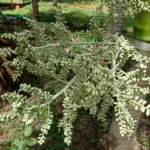 He (Adonidia merrillii) care guideAdonidia merrillii
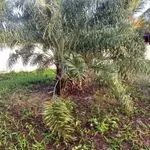 Sand palm (Allagoptera arenaria) care guideAllagoptera arenaria
 Angalow palm (Archontophoenix cunninghamiana) care guideArchontophoenix cunninghamiana
 Betel Nut Palm (Areca catechu) care guideAreca catechu
 Northern bangalow palm (Archontophoenix alexandrae) care guideArchontophoenix alexandrae
 Arenga palm (Arenga australasica) care guideArenga australasica