
 Source:
He (Adonidia merrillii) short overview
Adonidia merrillii is a compact, frost-tender tropical palm valued for its slender gray trunk, arching feather-like leaves, cream flower clusters and bright red fruits. In warm parts of the United States it works well as a specimen, street or patio palm; elsewhere it is best grown in a large container or bright conservatory. Give it strong light, regular moisture without standing water, excellent drainage and winter protection from temperatures near freezing.
Taxonomic classification
He (Adonidia merrillii) care guide
Light and placement
Give full sun outdoors where heat and water are adequate; bright filtered light or several hours of direct sun works indoors. A south- or west-facing window is suitable if the plant is acclimated gradually. Too little light produces sparse, weak growth and reduces flowering; harsh sudden sun can scorch leaves, especially after indoor cultivation.
Watering and humidity
Water deeply when the upper layer of mix begins to dry, then let excess drain completely. Keep the root zone evenly moist during hot active growth, reduce frequency in winter or low light, and never leave the pot standing in water. Higher humidity helps indoor foliage, but good airflow is still important.
Soil and growing medium
Use a loose, well-drained mix based on sand, loam, bark or other coarse organic material. The palm tolerates clay, sand, nutrient-poor soil and mildly alkaline conditions when drainage is good, but constant saturation can cause root problems. A slightly acidic to slightly alkaline soil is acceptable; avoid compacted sites and standing water.
Feeding
Feed during active growth with a slow-release palm fertilizer that supplies potassium, magnesium and micronutrients, following the product label. Container plants may need lighter, regular feeding than landscape plants. Do not fertilize dry, recently repotted or cold-stressed plants. Malformed new leaves can indicate nutrient imbalance, including boron deficiency, but corrective applications should be based on professional diagnosis.
Growth and habit
The palm has a solitary, upright habit and develops a neat crown of arching fronds. It grows relatively quickly when young, then slows as it approaches mature size. Container plants may remain compact for years, while crowded multi-plant pots can develop unevenly because seedlings compete for light, water and nutrients.
Planting and repotting
Plant outdoors after the danger of cold weather has passed, setting the root ball level with the surrounding soil rather than deeply. Choose a warm, sheltered site and leave roughly 6–8 feet between specimens when a full crown is desired. Water consistently during establishment, mulch the root zone without touching the trunk, and never plant in a basin where water collects.
Repot container plants in spring or early summer when roots have filled the container. Move up only one pot size, use a fast-draining palm or tropical mix, and keep the trunk at its original depth. Handle the root ball gently and water thoroughly after repotting, then allow excess water to drain.
Propagation and pruning
Propagation
Propagate from fresh seed. Remove the fruit flesh, soak and clean the seed, then sow it in a moist, sterile, fast-draining medium. Keep it warm and humid in bright indirect light. Fresh seed commonly germinates in roughly one to three months, though timing varies with seed age and temperature.
Pruning
Remove only fully dead or badly damaged fronds with clean tools. Do not cut green fronds merely to shape the crown, and do not cut into the crownshaft or growing point. Remove spent inflorescences and fallen fruit clusters when needed for tidiness, using gloves during fruit cleanup.
Overwintering
Move container plants indoors before nights approach 40°F. Give the brightest available light, reduce watering as growth slows, and keep the plant away from cold glass and dry heating vents. Outdoor specimens in marginal climates need frost cloth and trunk/root protection, but sustained freezes can be fatal.
Uses
Use as a specimen, patio, courtyard, street or container palm in frost-free regions. It is also suitable as a large houseplant or conservatory subject where strong light is available. Its symmetrical crown and red fruit display provide ornamental value. It is not recommended as a food crop, and fruit flesh should not be chewed because oxalate-related irritation is possible.
Appearance
This palm has a smooth, slender gray trunk, a prominent green crownshaft and arching feather-like fronds about 4–5 feet long. Leaflets are arranged along the rachis in a characteristic V-shaped profile. Cream flower clusters emerge below the crown, followed by conspicuous green fruits that ripen red.
Flowering
Small unisexual cream to off-white flowers are borne in branched clusters beneath the crownshaft. Flowering is followed by fleshy fruits that change from green to bright red, often in late fall or winter in warm climates. Indoor plants may flower irregularly and usually need strong light and mature size before blooming.
Pollination and visitors
The flowers are documented as insect-pollinated, with bees reported as visitors. Pollinator activity is most relevant during warm-season flowering; the bright red fruits that follow are primarily an ornamental and dispersal feature rather than evidence of pollinator use.
Adonidia merrillii photos
Click any photo for a larger view. Source, author and license are shown separately.
Diseases and pests
Diseases
The principal serious disease concern is lethal yellowing, a fatal phytoplasma disease affecting susceptible palms in parts of Florida and other warm regions. Remove and dispose of infected palms according to local guidance; do not replant a susceptible palm where disease pressure is high. Avoid trunk injury, maintain balanced nutrition and prevent chronic waterlogging.
Pests
Mealybugs, scale insects and mites may occur, especially on stressed indoor plants. Inspect leaf bases, crownshaft and undersides of leaflets regularly. Isolate affected containers, wipe or wash small infestations, and use a labeled horticultural oil or insecticidal soap only as directed. Avoid unnecessary broad-spectrum insecticides and improve light and airflow.
Toxicity and pollen
ASPCA lists Adonidia merrillii as non-toxic to dogs and cats. No authoritative evidence located in this review establishes significant human toxicity from normal contact or incidental exposure. The fruit flesh can contain irritating oxalate crystals, so wear gloves when cleaning fruit and do not encourage children or pets to chew plant material.
- Typical season
- Usually summer during flowering; timing varies with climate
- Pollination / pollen
- Insect-borne pollen; limited airborne dispersal expected
This is an insect-pollinated palm, so pollen is not typically dispersed as broadly as pollen from wind-pollinated trees. Reliable species-specific airborne allergy data were not located, so the low rating is a cautious horticultural assessment rather than a clinical guarantee. Sensitive individuals should still avoid handling flowers during bloom if symptoms occur.
Native habitat
Native populations occur in the Philippines and parts of Borneo, in wet tropical settings including rainforest and shoreline habitats. It favors warm conditions, regular moisture and well-drained soil, but established plants can tolerate short dry periods, some salt exposure and relatively poor or alkaline soils.
Interesting fact
The species epithet honors botanist Elmer D. Merrill.
The red fruits inspired the common name Christmas palm.
Plants sold as clumps may contain several separate seedlings.
The crownshaft carries flower stalks beneath the leaf crown.
Fresh seeds can germinate in roughly one to three months.
Frequently asked questions (FAQ)
The most relevant questions about this plant, with short and direct answers.
🌱Quick care
How do you care for Adonidia merrillii?⌄
Give Adonidia merrillii bright light to full sun, regular moisture, and fast-draining soil. Protect it from frost and avoid leaving the roots in standing water.
Is Adonidia merrillii an indoor or outdoor plant?⌄
Adonidia merrillii can grow outdoors year-round only in frost-free parts of the United States, especially USDA Zones 10–11. In colder areas, grow it in a container and move it indoors before freezing weather.
How fast does Adonidia merrillii grow?⌄
Adonidia merrillii grows fairly quickly when young, then slows after reaching roughly 6 feet tall. Growth is fastest with warmth, adequate light, regular water, and palm fertilizer.
🌤️Environment and placement
How much light does Adonidia merrillii need indoors?⌄
Place Adonidia merrillii in bright filtered light indoors, such as near a sunny window with protection from intense afternoon sun. Insufficient light can produce weak, stretched growth.
Can Adonidia merrillii grow in full sun?⌄
Yes, established Adonidia merrillii grows well in full sun when its soil is kept evenly moist and well drained. Acclimate indoor or shade-grown plants gradually to strong direct sunlight to reduce leaf scorch.
What temperature is too cold for Adonidia merrillii?⌄
Adonidia merrillii is frost-tender and should be protected when temperatures approach 30°F. Freezing temperatures can burn the foliage and may kill the palm, especially if exposure is prolonged.
What USDA hardiness zones are suitable for Adonidia merrillii?⌄
Adonidia merrillii is best suited to frost-free USDA Zones 10–11. Gardeners in colder zones should grow it as a container plant or indoor palm.
Can Adonidia merrillii tolerate coastal conditions?⌄
Adonidia merrillii tolerates moderate salt spray and can work in some coastal landscapes. Plant it in well-drained soil and provide shelter from strong winds and occasional cold snaps.
💧Care and problems
How often should you water Adonidia merrillii?⌄
Water Adonidia merrillii whenever the surface of the soil begins to dry, then water thoroughly and let excess drain away. Keep the soil moderately moist, but never consistently soggy.
Why are the leaves of my Adonidia merrillii turning brown?⌄
Brown leaves or tips commonly result from dry soil, low humidity, salt buildup, cold injury, excessive fertilizer, or root problems. Check moisture and drainage first, then inspect for pests and recent cold exposure.
Why are the leaves of my Adonidia merrillii turning yellow?⌄
Yellowing can result from overwatering, poor drainage, nutrient deficiencies, low light, or natural aging of older fronds. In Florida and some nearby areas, rapid yellowing and decline may indicate lethal yellowing disease.
What type of soil does Adonidia merrillii need?⌄
Use sandy, loamy, or clay soil that drains well and retains moderate moisture without becoming waterlogged. Container plants need a porous palm or general-purpose potting mix with a drainage hole.
Does Adonidia merrillii need fertilizer?⌄
Feed Adonidia merrillii during active growth with a palm fertilizer that supplies nutrients such as potassium, magnesium, manganese, and boron. Follow the product label and avoid heavy applications to dry soil.
What pests affect Adonidia merrillii?⌄
Adonidia merrillii may develop mealybugs, scale, aphids, or spider mites, particularly indoors. Inspect leaf undersides and stems regularly, isolate affected plants, and treat pests promptly with an appropriate labeled product.
What is lethal yellowing disease in Adonidia merrillii?⌄
Lethal yellowing is a fatal phytoplasma disease that can cause rapid yellowing, flower and fruit drop, and palm death. There is no reliable cure, so confirm the diagnosis with a local extension service before removing an affected palm.
🪴Planting and repotting
Can Adonidia merrillii be grown in a container?⌄
Yes, Adonidia merrillii grows well in a large container with drainage holes and a well-drained potting mix. Container growing is especially useful in the United States because the palm must be protected from frost.
When should I repot Adonidia merrillii?⌄
Repot Adonidia merrillii when roots fill the container, drainage slows, or the plant dries out unusually quickly. Move it into a pot only slightly larger than the current one to avoid excess wet soil.
Can multiple Adonidia merrillii palms be planted in one pot?⌄
Yes, nurseries commonly grow several young Adonidia merrillii palms together to create a fuller clump. Separate them only if necessary, because dividing the root systems can cause substantial transplant stress.
How tall does Adonidia merrillii get outdoors?⌄
Outdoor Adonidia merrillii can reach about 15–25 feet tall in warm, frost-free climates. Container-grown and indoor specimens usually remain much smaller because of restricted roots and lower light.
✂️Propagation and pruning
How do you propagate Adonidia merrillii?⌄
Propagate Adonidia merrillii from fresh seed, because stem or leaf cuttings do not produce new palms. Remove the fruit flesh, clean the seed, and sow it in a warm, moist, well-drained medium.
How long do Adonidia merrillii seeds take to germinate?⌄
Fresh Adonidia merrillii seeds commonly germinate in about one to three months under warm, moist conditions. Germination can be slower if the seed is old, dried out, or kept too cool.
Should I prune Adonidia merrillii?⌄
Adonidia merrillii needs little pruning because old fronds usually shed naturally. Remove only fully dead or damaged fronds with clean tools, and do not cut the central growing point.
How do I stop Adonidia merrillii from producing messy fruit?⌄
Cut off the flower stalks before fruit develops if you want to reduce litter and volunteer seedlings. Leave the clusters in place if you want the ornamental green-to-red fruit display.
⚠️Toxicity and safety
Is Adonidia merrillii toxic to dogs and cats?⌄
Adonidia merrillii is considered non-toxic to dogs and cats. Even so, prevent pets from chewing large amounts of plant material, and avoid ingesting the fruit flesh because it may irritate sensitive people.
Can people eat Adonidia merrillii fruit?⌄
Adonidia merrillii fruit is ornamental rather than a recommended edible crop, so do not eat the fruit flesh. Wear gloves when handling the flesh if you have sensitive skin, and keep fallen fruit away from children and pets.
🌸Flowering and special interest
When does Adonidia merrillii flower?⌄
Adonidia merrillii commonly produces small cream-colored flowers in summer or during warm tropical conditions. Flowering is more likely when the palm receives strong light, adequate warmth, and consistent moisture.
Why is Adonidia merrillii called a Christmas palm?⌄
Adonidia merrillii is associated with Christmas because its green fruits often ripen bright red around the holiday season in warm climates. The colorful fruit clusters resemble ornaments beneath the crown.
Does Adonidia merrillii produce red berries?⌄
Yes, Adonidia merrillii produces fleshy fruits that begin green and mature to bright red. The clusters form after flowering and can become ornamental, although they may also create litter beneath the palm.
Similar plants
 Cherry Bomb (Capsicum annuum ‘Cherry Bomb’)Capsicum annuum 'Cherry Bomb'
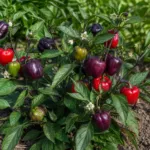 Purple Beauty (Capsicum annuum ‘Purple Beauty’)Capsicum annuum 'Purple Beauty'
 Serrano (Capsicum annuum ‘Serrano’)Capsicum annuum 'Serrano'
 He baby rubberpla (Peperomia obtusifolia) care guidePeperomia obtusifolia
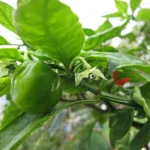 Yellow lantern chili (Capsicum chinense) care guideCapsicum chinense
 Ruby Glow (Peperomia graveolens) care guidePeperomia graveolens