
 AI-generated illustration
Cherry Bomb (Capsicum annuum ‘Cherry Bomb’) short overview
Capsicum annuum 'Cherry Bomb' is a compact, warm-season hot pepper with thick-walled, round to heart-shaped fruits that mature from green to glossy cherry red. Plants crop well in full sun and fertile, well-drained soil, with fruits typically ready about 62–87 days after planting or transplanting, depending on conditions. The peppers are especially useful for pickling, stuffing, grilling, fresh cooking, and ornamental display.
Taxonomic classification
Cherry Bomb (Capsicum annuum ‘Cherry Bomb’) care guide
Light and placement
Provide full sun, ideally at least 8 hours of direct light daily, with the warmest exposure available. A south-facing garden, bright patio, or unobstructed raised bed is suitable. Insufficient light causes lanky growth, fewer flowers, and slower ripening; severe midday heat combined with drought can scorch leaves or stress fruit.
Watering and humidity
Water deeply when the top inch of soil begins to dry, keeping moisture fairly even during flowering and fruit enlargement. Container plants may need daily checks in hot weather. Mulch around, but not against, the stem. Avoid waterlogged soil and prolonged drought, both of which can reduce fruit set and quality.
Soil and growing medium
Use fertile, moisture-retentive but well-drained soil with abundant organic matter. A loam or raised-bed mix is suitable. Slightly acidic to neutral conditions are generally appropriate; avoid compacted, waterlogged ground, which can reduce root health and fruit production.
Feeding
Before planting, incorporate finished compost and follow a soil-test recommendation. Feed with a balanced vegetable fertilizer at transplanting, then apply a light follow-up feeding when flowering and fruit set begin if growth is pale or slow. Avoid excessive nitrogen, which can produce lush foliage with fewer fruits.
Growth and habit
This is a compact, bushy pepper that branches readily and carries successive crops above the foliage. Fruit load may benefit from light staking in exposed locations, especially after heavy watering or storms. Picking ripe peppers encourages continued flowering and fruit production.
Planting and repotting
Start seeds indoors about 8–10 weeks before the expected last spring frost. Sow about 1/4 inch deep in warm seed-starting mix, ideally near 80–85°F. Harden seedlings before planting outdoors. Set plants out only after the soil has warmed and frost danger has passed.
Move seedlings into progressively larger containers if roots fill the starting pot. Final containers should provide roughly 5 gallons of volume per plant, with drainage holes and a stable base. Transplant only after nights are reliably warm and handle the root ball gently.
Propagation and pruning
Propagation
Propagate from seed. Sow indoors in warm conditions 8–10 weeks before transplanting, then harden seedlings gradually. Because this cultivar is commonly sold as an F1 hybrid, saved seed may not reproduce the parent consistently.
Pruning
Routine pruning is usually unnecessary. Remove damaged or diseased leaves promptly and clear spent plant material after the season. If grown indoors for overwintering, cut back lightly after harvest and reduce the canopy enough to match the lower winter light.
Overwintering
The plant is frost-tender. In most US gardens, harvest before the first frost and discard or compost the plant. In a bright, warm indoor space, healthy container plants may be overwintered after pruning and pest inspection, but reduced winter light often limits flowering and fruiting.
Uses
Use the thick-walled fruits fresh, grilled, stuffed, chopped into relishes, or pickled. The compact plants also work in containers and ornamental edible plantings. Handle cut fruits carefully because capsaicin can irritate skin and eyes; use a tested preservation method for shelf-stable products.
Appearance
A compact pepper with green stems, simple ovate leaves, small white flowers, and rounded, thick-walled fruits. Young peppers are green and mature to glossy bright red. Fruit shape may range from globe-like to slightly oblate or heart-shaped, depending on seed source and conditions.
Flowering
Small white, five-lobed flowers appear at leaf axils during warm-season growth. Flowers are usually self-compatible, and successful fruit set depends on warm but not excessively hot conditions. Flowering commonly continues as the plant produces successive flushes of fruit.
Pollination and visitors
The small flowers can be visited by bees, bumblebees, and other insects, although the plant is generally self-compatible and does not require a particular animal pollinator for fruit production. Avoid insecticides on open flowers.
Diseases and pests
Diseases
Use crop rotation, clean transplants, good air circulation, and avoid overhead irrigation. Watch for bacterial leaf spot, Phytophthora root or crown rot, and viruses such as tobacco mosaic virus. Remove badly affected plants and do not save seed from diseased plants.
Pests
Inspect leaf undersides and new growth for aphids, thrips, spider mites, and whiteflies. Hand-remove small infestations or use a strong water spray; encourage beneficial insects and avoid broad-spectrum insecticides during flowering. Remove weeds that shelter pests and keep plants evenly watered.
Related diseases and pests
Only Plant Doctor profiles whose host data indicate this plant may be affected are shown here.
 DiseaseTobacco mosaic virusTobamovirus tabaci
 DiseasePhytophthora root and crown rotPhytophthora nicotianae
 PestBroad mitePolyphagotarsonemus latus (Banks)
 DiseaseTomato mosaic virusTobamovirus tomatotessellati
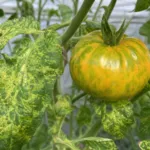 DiseasePepino mosaic virusPepino mosaic virus (PepMV)
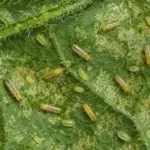 PestMelon thripsThrips palmi Karny
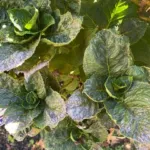 PestChilli thripsScirtothrips dorsalis Hood
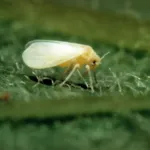 PestSweetpotato whiteflyBemisia tabaci species complex
Toxicity and pollen
The ripe fruits are edible when used as a food, but capsaicin can cause intense mouth, skin, and eye irritation. Wear gloves when handling cut fruit, avoid touching the face, and keep freshly cut peppers away from children and pets. Individual sensitivity varies.
- Typical season
- Late spring through summer
- Pollination / pollen
- Limited, insect-associated pollen release
Capsicum flowers release relatively limited airborne pollen compared with strongly wind-pollinated plants. Contact with flowers or plant material may still bother sensitive individuals, and airborne-allergy risk should not be assumed to be zero. The more prominent exposure concern is capsaicin from the fruit.
Native habitat
Capsicum annuum is associated with warm regions of Central and South America and is cultivated worldwide as a frost-sensitive crop. In gardens it performs best in warm, sunny conditions with fertile soil, steady moisture, and good drainage rather than in cool or waterlogged ground.
Interesting fact
The cultivar is listed as a hybrid hot cherry pepper in several North American variety records. Fruits are described as globe-shaped, oblate, rounded, or heart-shaped depending on the seed source. Thick walls make the peppers suitable for stuffing and pickling. Reported maturity ranges differ among trials and vendors.
Frequently asked questions (FAQ)
The most relevant questions about this plant, with short and direct answers.
🌱Quick care
How much sun does Capsicum annuum 'Cherry Bomb' need?⌄
Capsicum annuum 'Cherry Bomb' needs full sun, ideally at least 6 hours of direct sunlight daily. More sun generally supports stronger growth, earlier ripening, and better red fruit color.
How often should I water a Cherry Bomb pepper plant?⌄
Water when the soil surface begins to dry, keeping the root zone evenly moist but not waterlogged. Consistent moisture is especially important during flowering and fruit development.
Is Capsicum annuum 'Cherry Bomb' a perennial or annual?⌄
It is usually grown as a warm-season annual in the United States. It can survive as a perennial only where frost is avoided or when overwintered indoors.
How long does Cherry Bomb pepper take to produce peppers?⌄
Cherry Bomb commonly produces harvestable peppers about 62–87 days after transplanting, depending on the seed source and growing conditions. Harvest timing is usually longer when counted from seed.
🌤️Environment and placement
What temperature is best for growing Capsicum annuum 'Cherry Bomb'?⌄
Cherry Bomb grows best in warm conditions, with daytime temperatures around 70–85°F and nights preferably above 55°F. Growth and fruit set can slow during prolonged cool weather.
Can I grow Cherry Bomb peppers in a container?⌄
Yes, Cherry Bomb is suitable for containers because it has a compact growth habit. Use a container with drainage and enough root volume for a mature pepper plant, such as a 3- to 5-gallon pot.
What soil is best for Cherry Bomb peppers?⌄
Use fertile, well-drained loam amended with organic matter. Avoid heavy, poorly drained soil because saturated roots can contribute to root rot and other problems.
What USDA hardiness zones can grow Cherry Bomb peppers outdoors?⌄
Cherry Bomb can be grown outdoors during the frost-free season across much of the United States. Because it is frost-tender, planting dates should follow local frost and soil-temperature conditions rather than zone alone.
💧Care and problems
Should I fertilize Capsicum annuum 'Cherry Bomb'?⌄
Yes, fertilize according to a soil test or use a balanced vegetable fertilizer at the label rate. Avoid excessive nitrogen, which can produce abundant leaves with fewer flowers and peppers.
Why are my Cherry Bomb pepper flowers falling off?⌄
Flower drop is commonly associated with temperature stress, inconsistent watering, poor pollination, or excessive nitrogen. Keep moisture even and avoid transplanting or exposing plants to prolonged cold or extreme heat while flowering.
Why are the leaves on my Cherry Bomb pepper turning yellow?⌄
Yellow leaves can result from overwatering, poor drainage, nutrient deficiency, pests, or normal aging of lower leaves. Check soil moisture, drainage, leaf undersides, and overall plant growth before adding fertilizer.
What pests attack Cherry Bomb pepper plants?⌄
Common pests include aphids, flea beetles, spider mites, thrips, cutworms, leaf miners, and pepper-related caterpillars or weevils. Inspect new growth and leaf undersides regularly and use the least disruptive suitable control.
What diseases affect Capsicum annuum 'Cherry Bomb'?⌄
Possible problems include wilt, root rot, bacterial leaf spot, powdery mildew, pod rot, and mold. Good drainage, crop rotation, clean transplants, adequate spacing, and avoiding wet foliage can reduce disease pressure.
Why are my Cherry Bomb peppers cracking?⌄
Fruit cracking is often linked to irregular watering followed by rapid moisture uptake, although heat and maturity can also contribute. Keep soil moisture steady and mulch around the plant without covering the stem.
🪴Planting and repotting
When should I plant Cherry Bomb peppers outdoors?⌄
Plant outdoors after the last expected frost, when nighttime temperatures remain reliably above 50–55°F and the soil has warmed. Harden indoor-grown transplants for about a week before planting.
How deep should I plant Cherry Bomb pepper seeds?⌄
Sow Cherry Bomb seeds about ¼–½ inch deep in a warm, lightly moist seed-starting medium. Peppers germinate best with steady warmth, commonly around 70–85°F.
How far apart should Cherry Bomb pepper plants be spaced?⌄
Space plants about 15–24 inches apart, adjusting for the cultivar’s mature size and airflow needs. Wider spacing can improve air circulation in humid climates.
Can I transplant a Cherry Bomb pepper plant with flowers or fruit?⌄
You can, but a heavily flowering or fruiting plant may pause while it establishes new roots. Removing some flowers or small fruit at transplanting can redirect energy toward root development.
✂️Propagation and pruning
Can I grow Capsicum annuum 'Cherry Bomb' from saved seeds?⌄
Yes, seeds from a fully mature pepper can germinate, but plants grown from hybrid seed may not reproduce the original Cherry Bomb traits exactly. For consistent results, use seed from a reputable source identified as Capsicum annuum 'Cherry Bomb'.
Should I prune Cherry Bomb pepper plants?⌄
Routine pruning is not required for Cherry Bomb peppers. Remove damaged or diseased growth and, if needed, lightly thin crowded branches to improve airflow without removing large amounts of healthy foliage.
⚠️Toxicity and safety
Are Cherry Bomb peppers safe to eat?⌄
The ripe fruits are edible, but they contain capsaicin and can irritate the mouth, skin, eyes, and digestive tract. Handle them carefully, avoid touching your face, and wash hands and tools after preparation.
Are Cherry Bomb pepper plants poisonous to pets?⌄
The fruit is a food plant, but its capsaicin can cause irritation if pets chew or eat it. Keep plants and harvested peppers away from pets, especially animals that are sensitive to spicy foods.
Can children eat Cherry Bomb peppers?⌄
Children should only taste Cherry Bomb peppers in very small amounts under adult supervision because the heat can cause painful mouth and eye irritation. Remove seeds and inner membranes to reduce, but not eliminate, the heat.
🌸Flowering and special interest
Do Cherry Bomb pepper plants need bees to set fruit?⌄
No, pepper flowers are generally self-pollinating, but gentle movement from wind or pollinators can improve pollen transfer. In still indoor conditions, lightly shaking the plant during flowering may help.
What color are ripe Cherry Bomb peppers?⌄
Cherry Bomb peppers typically mature from green to a deep or bright red color. They can be harvested green, but fully colored fruit is generally more mature and often has a sweeter flavor.
How hot are Cherry Bomb peppers?⌄
Cherry Bomb peppers are commonly described as moderately hot, with reported heat around 2,500–5,000 Scoville heat units. Actual heat can vary with plant stress, maturity, growing conditions, and seed source.
When should I harvest Cherry Bomb peppers?⌄
Harvest when the peppers are firm and have reached the desired size, either green or after turning red. Use scissors or pruning shears to cut the stem rather than pulling, which can damage the plant.
What are Cherry Bomb peppers good for?⌄
Their round shape and thick walls make them useful for stuffing, roasting, grilling, pickling, sauces, and fresh cooking. The peppers can be used green for a sharper flavor or red for fuller maturity and color.
Similar plants
 Peperomia ‘Rosso’Peperomia 'Rosso'
 Fine-stem needlegrass (Nassella tenuissima) care guideNassella tenuissima
 Peperomia serpens care guidePeperomia serpens
 Kukorica (Zea mays ‘Kukorica’)Zea mays 'Kukorica'
 Pepper (Capsicum annuum) care guideCapsicum annuum
 Trailing Peperomia (Peperomia prostrata) care guidePeperomia prostrata